

Illustration: The Touch & Go
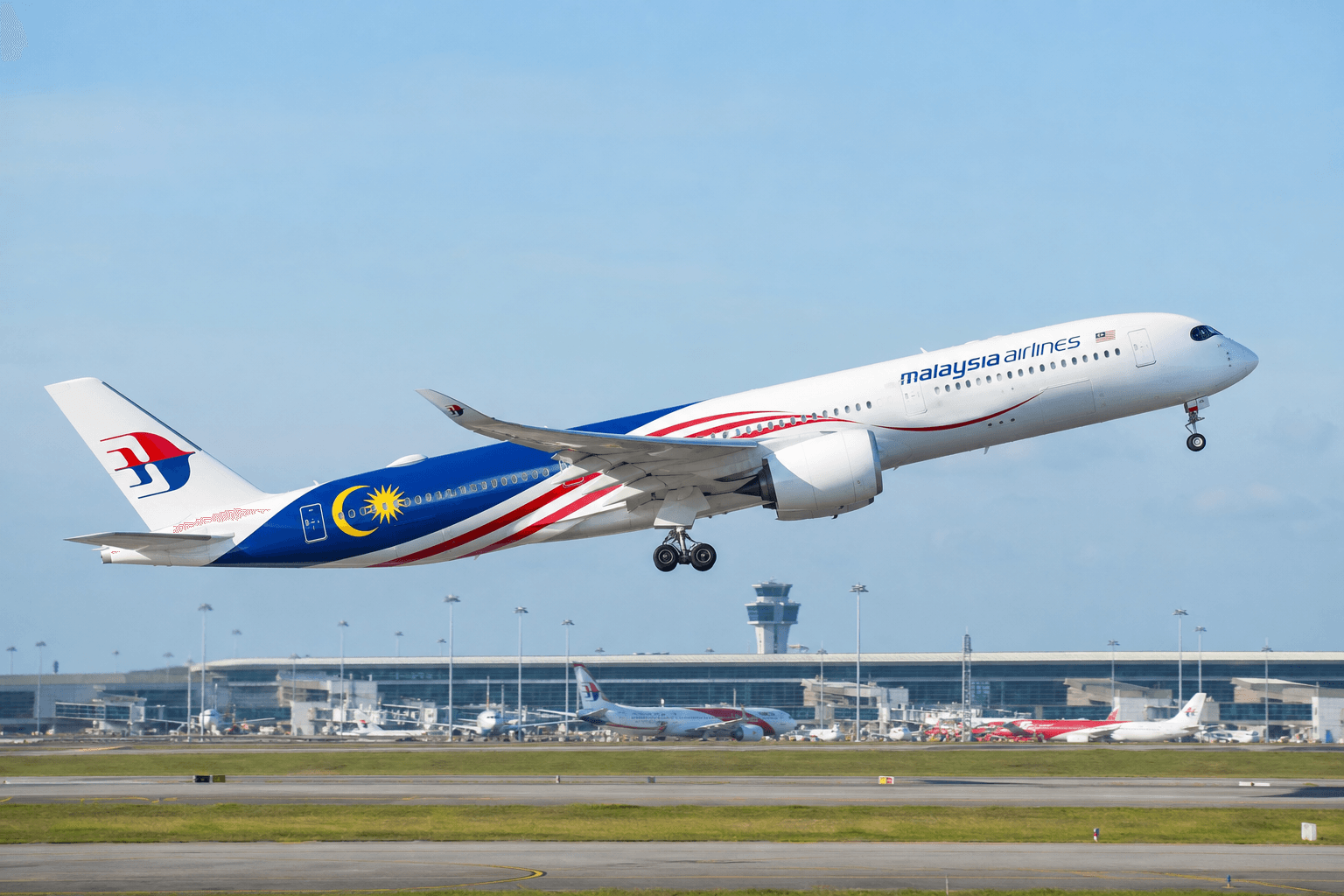
Malaysia Airlines' Pioneering Jet Era in the 1970s and 80s Shaped Southeast Asian Aviation
During the 1970s and 80s, Malaysia Airlines expanded its fleet with Boeing 707s, 737s, DC-10s, and 747s, building an international network across Asia, Australia, Europe, and the Middle East.
The gist
Malaysia Airlines' fleet growth in the 1970s and 80s laid the foundation for its rise as a key Southeast Asian carrier with global reach.
Malaysia Airlines' formative decades in the 1970s and 1980s marked a defining period when the carrier transitioned from its regional roots to an emerging international airline. Following the division of Malaysia-Singapore Airlines in 1972, Malaysia Airline System (MAS) inherited a mixed fleet and began aggressively expanding its route network. This era introduced classic jet airliners that came to symbolize the golden age of jet travel in Southeast Asia, including Boeing 707s, 737s, McDonnell Douglas DC-10s, and Boeing 747-200s.
The origins of MAS are intertwined with Malaysia-Singapore Airlines (MSA), a joint venture formed after Malayan Airways reorganized in 1966. MSA had modernized its fleet rapidly, operating Boeing 707 jets for long haul and Boeing 737-100s for regional routes. However, divergent national priorities led to MSA’s split in October 1972, resulting in the creation of Singapore Airlines and MAS as separate entities. MAS set out with a mission to connect Malaysia domestically and internationally, developing a distinct identity along the way.
Throughout the 1970s, MAS invested in building a diverse and capable fleet to meet varied operational needs. The Boeing 737-200 formed the backbone of regional and domestic flights, linking Kuala Lumpur with cities across Malaysia as well as Singapore, Thailand, and Indonesia. These twinjets were highly versatile and sported a striking red, white, and blue livery featuring the wau bulan (moon kite), which became emblematic of the airline. For longer international sectors, MAS employed Boeing 707s, which enabled expansion beyond regional boundaries to destinations in Asia, Australia, and Europe, helping position Kuala Lumpur as a key gateway.
Supporting the jet fleet were turboprop aircraft such as the Fokker F27 Friendship, crucial for servicing smaller and more remote airports in peninsular Malaysia and East Malaysia separated by the South China Sea. These turboprops played an essential role in national integration and development by connecting communities across challenging geography. The evolving liveries, with bold cheatlines and national motifs, reinforced MAL’s branding during this dynamic phase.
A major milestone came in the late 1970s and early 1980s with MAS embracing widebody aircraft to enhance long-haul capabilities. The addition of McDonnell Douglas DC-10 tri-jets allowed MAS to increase capacity and range for flights to Europe, Australia, and the Middle East. This widebody era solidified MAS’s status as an international carrier capable of competing on high-demand routes with enhanced passenger comfort. The subsequent introduction of the Boeing 747-200 elevated MAS's prominence further, enabling operations on key trunk routes with the required scale and prestige.
By the mid-1980s, MAS operated a mature and varied fleet comprising Boeing 737s, Fokker F27 turboprops, DC-10 tri-jets, and 747 widebodies. Its network spanned continents, including important cities like London, Amsterdam, Frankfurt, Sydney, Tokyo, and Hong Kong. Kuala Lumpur developed into an increasingly vital hub for passengers connecting between Asia, Australasia, and Europe. MAS’s growth reflected Malaysia’s own economic development and its ambition to be a global player in aviation.
The visual identity of MAS during this period helped the airline establish a strong national presence internationally. The mui bulan symbol and a palette of red, white, and blue in the liveries captured cultural heritage and modernity. Images of these aircraft at distant airports became instantly recognizable to travelers and enthusiasts alike. This period also cemented the airline’s reputation for innovation and expansion while balancing diverse operational demands across domestic, regional, and intercontinental routes.
Today’s Malaysia Airlines, with its modern Airbus A330neos and A350s alongside Boeing 737s, traces its lineage to this foundational era. The 1970s and 80s laid the operational groundwork as well as public perception for MAS’s role in connecting Malaysia to the world. The variety of classic airliners and ambitious route development during these decades remain a celebrated chapter in Southeast Asian aviation history, marking Malaysia Airlines as an influential pioneer in the region’s aviation growth.
Read more
All Airlines →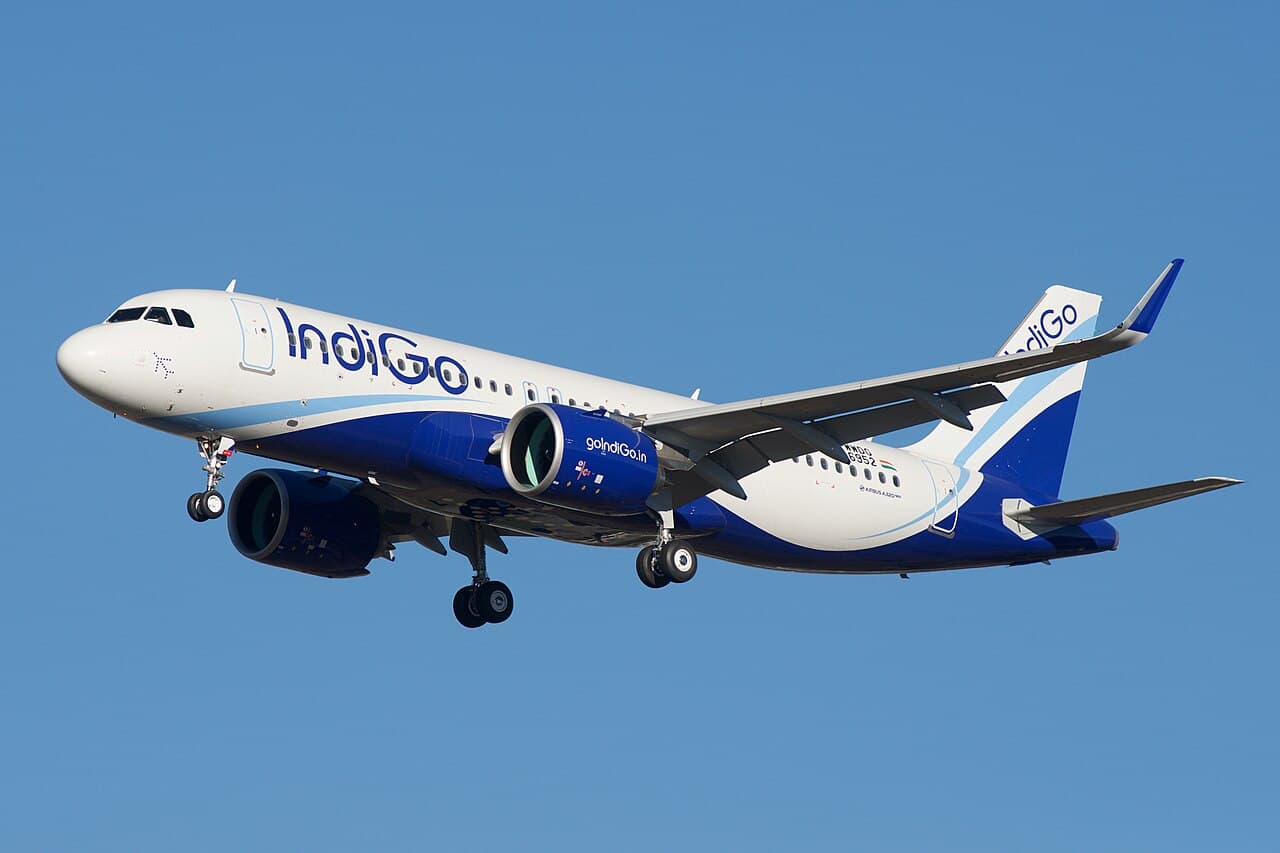
British Airways to Power Up to 63 A320neos with Pratt & Whitney Engines, Ending Long CFM Exclusivity
The United Kingdom's primary flag carrier, British Airways, has selected Pratt & Whitney's geared turbofan, or GTF engine to power up to 63 Airbus A320neo family aircraft, ending decades of exclusive reliance on CFM International engines for its Airbus narrowbody fleet. So in this video, we take a look at why the airline is introducing a second engine supplier for the first time on its A320neo family fleet, and what this decision says about how airlines are choosing engines in today's increasingly complex aviation market.
Emirates Crafts 8-Foot Arsenal Badge Sculpture from Retired A380 and 777 Parts
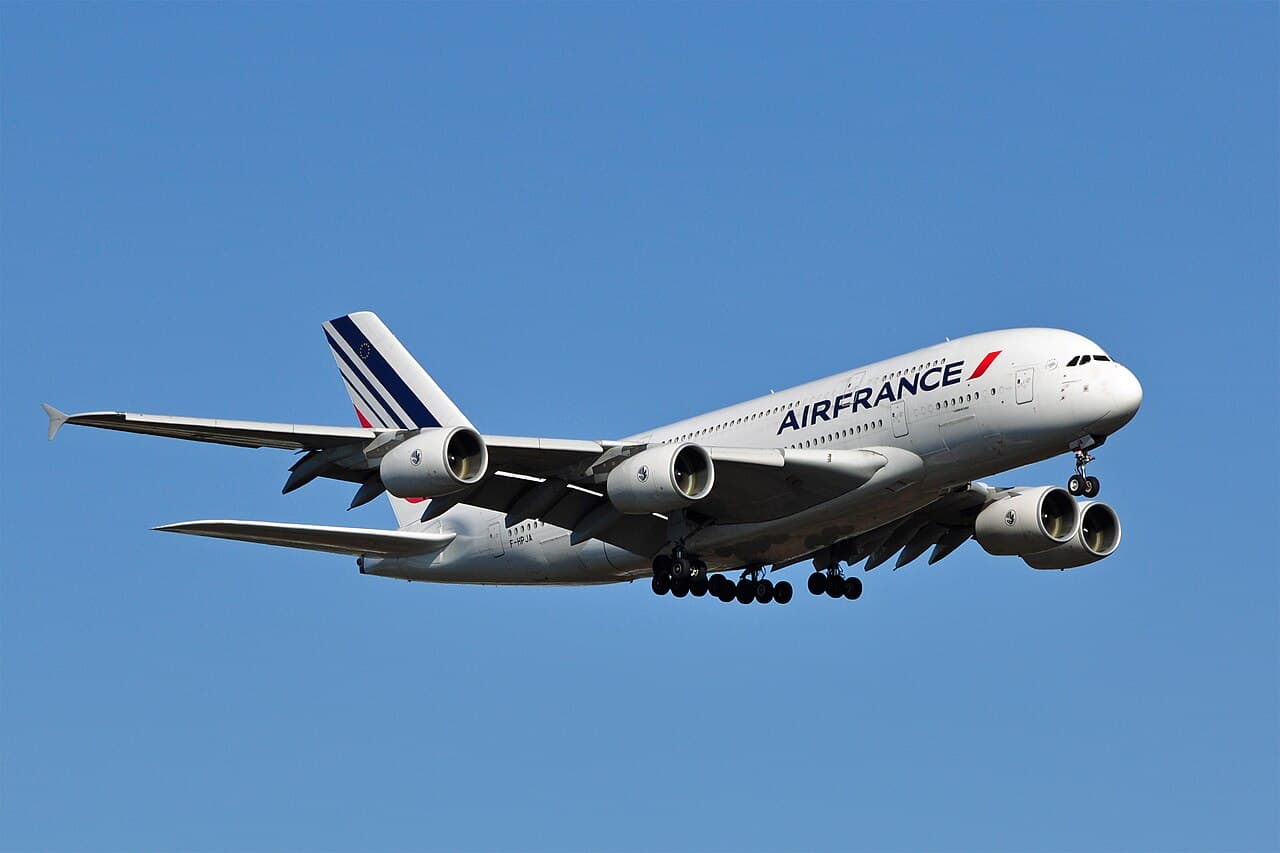
The partnership between Emirates and Arsenal FC is one of the most notable sports sponsorship deals of the 21st century. With The Gunners having won the Premier League title last season, and their cooperation with the Dubai-based UAE flag carrier having now lasted for some 20 years, Emirates is in a celebratory mood, which has manifested itself in the production of a 2.4-meter (eight feet) sculpture.
Global Widebody Aircraft Shortage Grows Amid Boeing, Airbus Production Delays
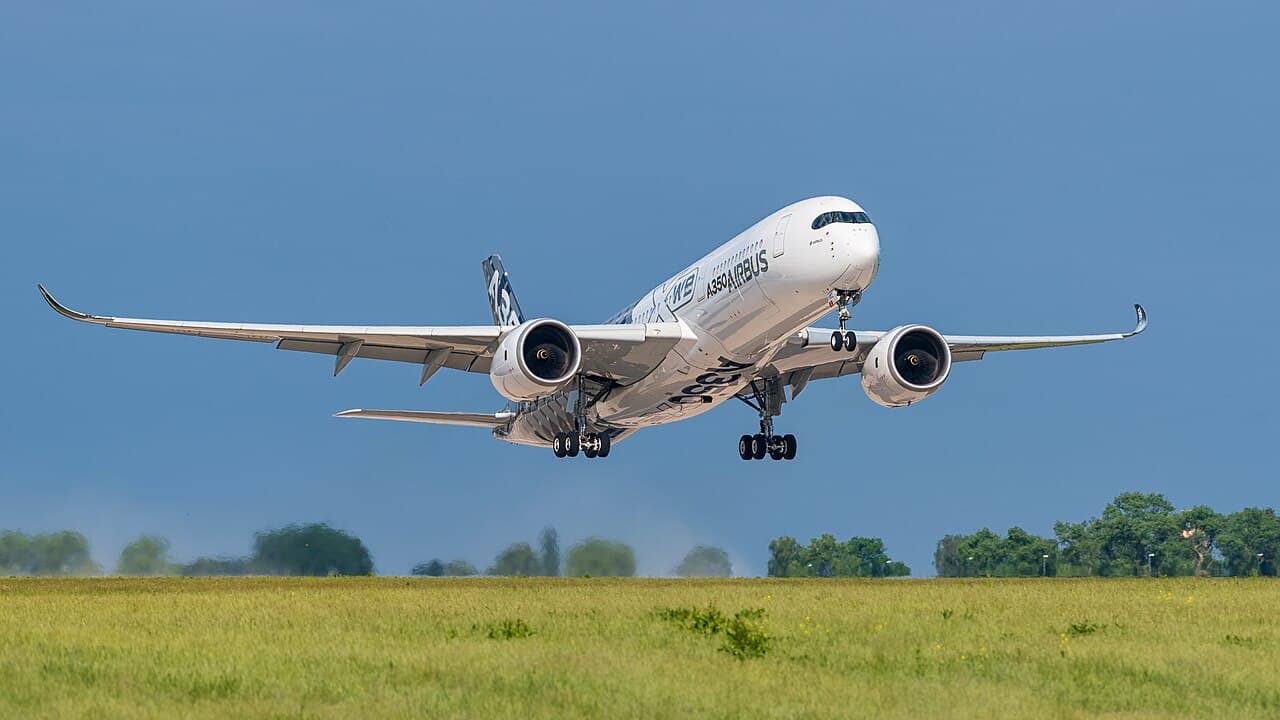
The years after the COVID-19 pandemic have been tumultuous in the airline industry. While some airlines are succeeding, many are also struggling or have failed altogether, and strikingly, demand for new planes is up while manufacturers cannot keep up. Narrowbody jets are generally being produced at high rates that meet demand (although engines are a constraint), but the discrepancy between supply and demand is most striking with widebody airliners.
Vietjet to launch thrice-weekly flights from Western Sydney to Ho Chi Minh City in 2027
Asian budget airline’s link to new Australian airport from Vietnam commences at the beginning of 2027. Vietnamese budget carrier Vietjet is the latest operator to sign up to services from the new Western Sydney airport, with plans to open routes from January next year. Cargo flights have been operating at Western Sydney since 27 July and passenger operations are scheduled to commence on 25 October. Qantas, Jetstar, Singapore Airlines and Air New Zealand have already committed to serving the 24h airport. Vietjet will bring the number of airlines to five with a twice-weekly link to Ho Chi Minh City from 10 January 2027, rising to thrice-weekly in March. These flights will be operated by Airbus A330s. “Becoming one of the first airlines to operate at this new airport reinforces Vietjet's strategy of pioneering the expansion of its international network," says Vietjet chief Nguyen Thanh Son. The carrier's Vietjet Thailand venture also intends to begin a four-times weekly operation to Bangkok the following November. Western Sydney airport chief Simon Hickey says the Ho Chi Minh City route expands the number of links available, and "reinforces the choice, flexibility, and global connectivity" of the new facility. "Vietnam is an incredibly popular destination for [Australian] travellers," he adds. Vietjet's Ho Chi Minh City flights are being supported by an incentive programme from the New South Wales government, the Western Sydney International Take-Off Fund.
The Daily Touch & Go
The day's best aviation news in your inbox. Free, no spam.