Illustration: The Touch & Go
Pilots Maintain Critical Hands-On Control Even When Autopilot Manages Flight
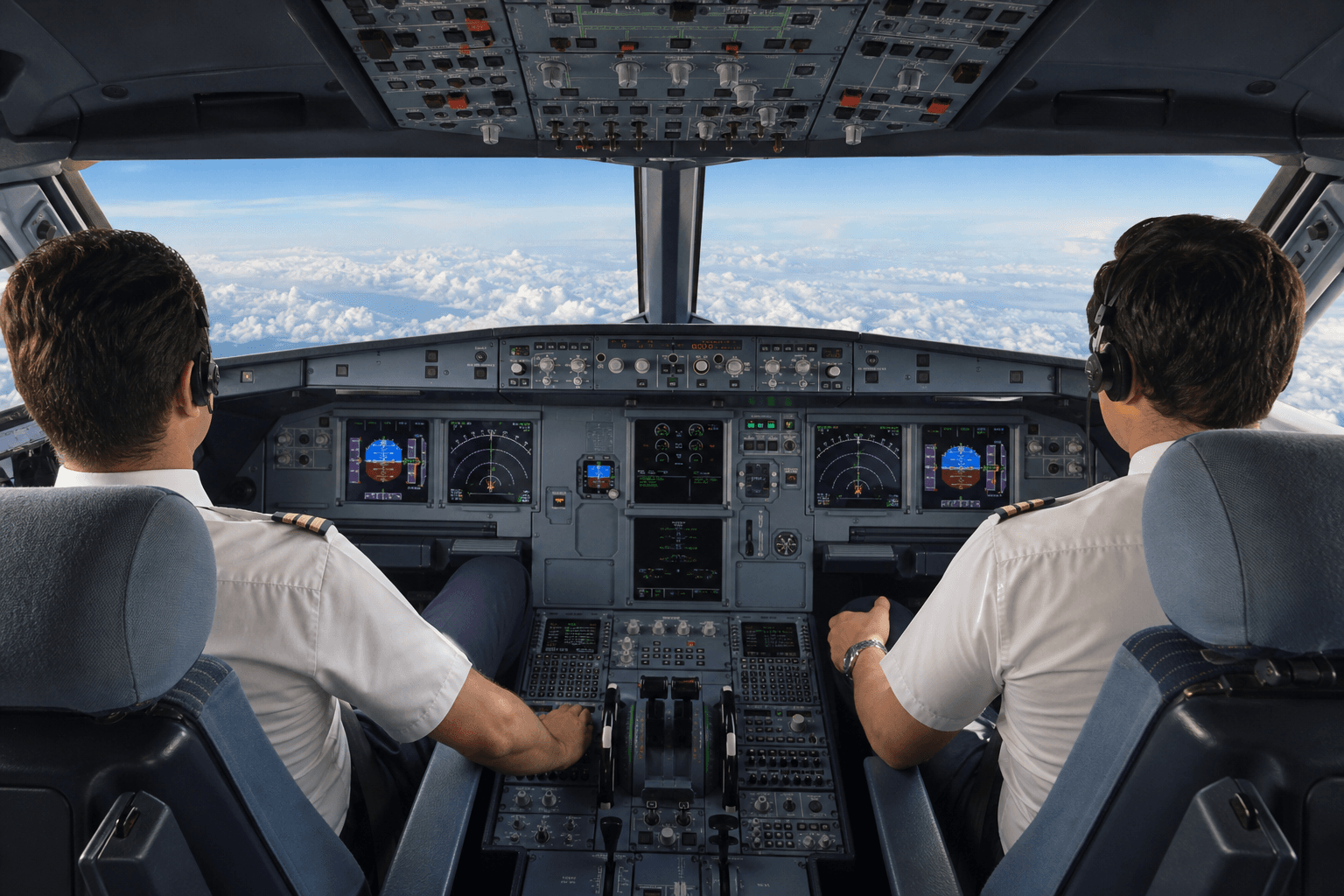
Despite autopilots handling routine flying tasks, pilots actively adjust controls and monitor systems constantly to ensure safe flight operations.
The gist
Airline autopilots automate flying, but pilots remain actively engaged with manual inputs and vigilant oversight throughout the flight.
Modern commercial aircraft autopilots significantly reduce manual flying workload, but the role of pilots remains essential at all times. While autopilots can maintain altitude, heading, and speed, pilots continuously interact with the cockpit to manage flight parameters and respond to changing conditions. This ensures aircraft safety and compliance with air traffic control instructions.
Pilots routinely adjust autopilot settings such as heading, altitude, vertical speed, and speed vectors via the flight management system and control panels. They also operate secondary controls including trim, flaps, and throttles to optimize the aircraft's performance during various flight phases. These inputs fine-tune the autopilot’s commands rather than passively monitoring.
Continuous monitoring of multiple data sources such as flight instruments, engine parameters, navigation displays, and weather radar is a critical cockpit activity. Pilots verify autopilot performance and situational awareness, ready to intervene immediately if discrepancies or emergencies arise. The human element supplements automation by applying experience, judgement, and adaptive responses in real time.
The evolving complexity and reliability of autopilots do not diminish the need for constant pilot engagement. Automation serves as a tool to enhance safety and efficiency, but pilots remain the ultimate decision-makers. Ongoing training ensures crews maintain proficiency in manual flying and system management, reinforcing their ability to handle unexpected scenarios.
As aviation technology advances, understanding the balance between pilot inputs and autopilot functions is crucial. This interplay maintains operational safety and reassures the traveling public that skilled aviators control flights. The cockpit remains a dynamic environment where automation assists but does not replace vigilant human oversight.
Read more
All Aviation Safety →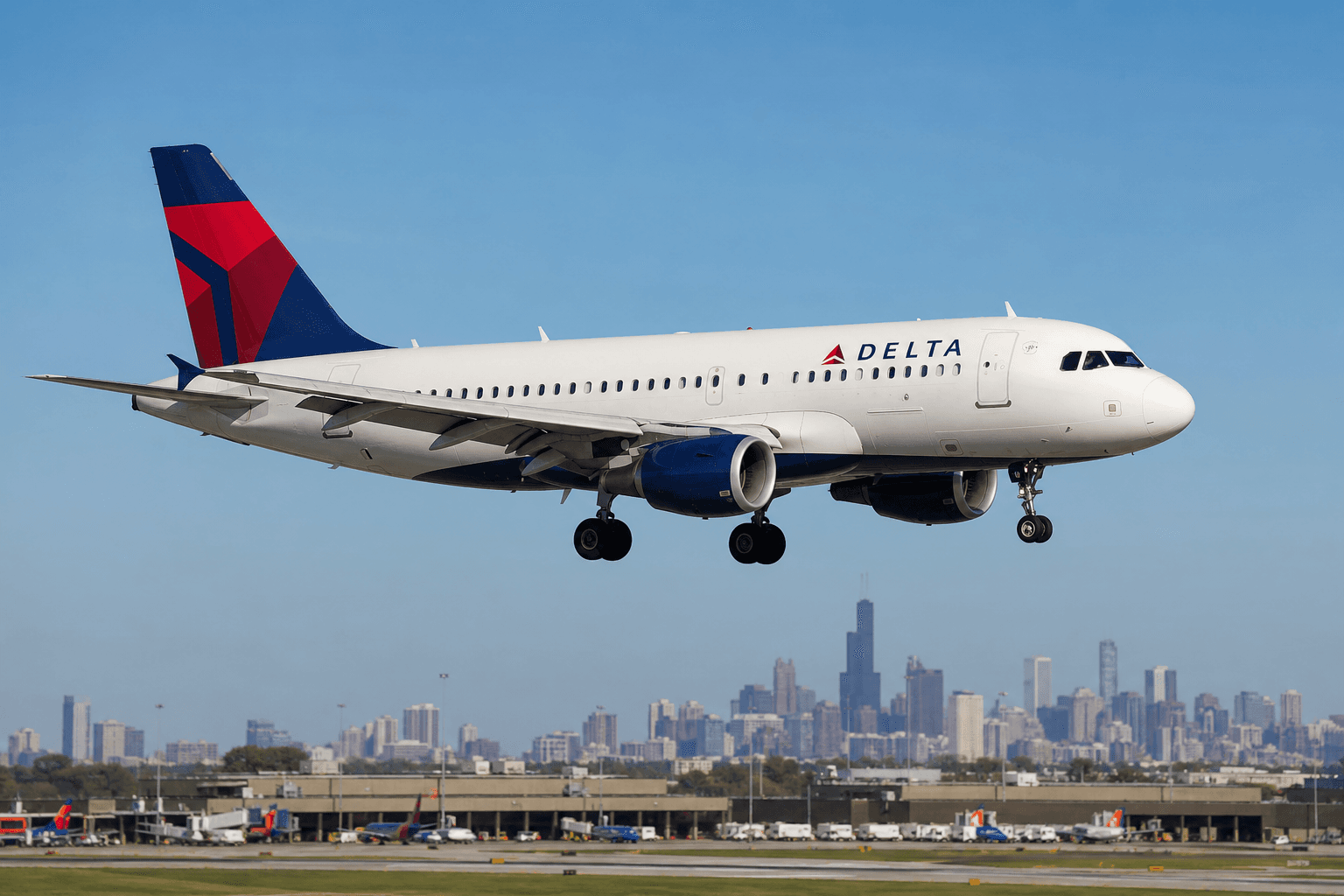
Delta A319 Struck by Firework During Landing Approach at Chicago Midway
A Delta Air Lines Airbus A319 was hit by a firework while on final approach to Chicago Midway…
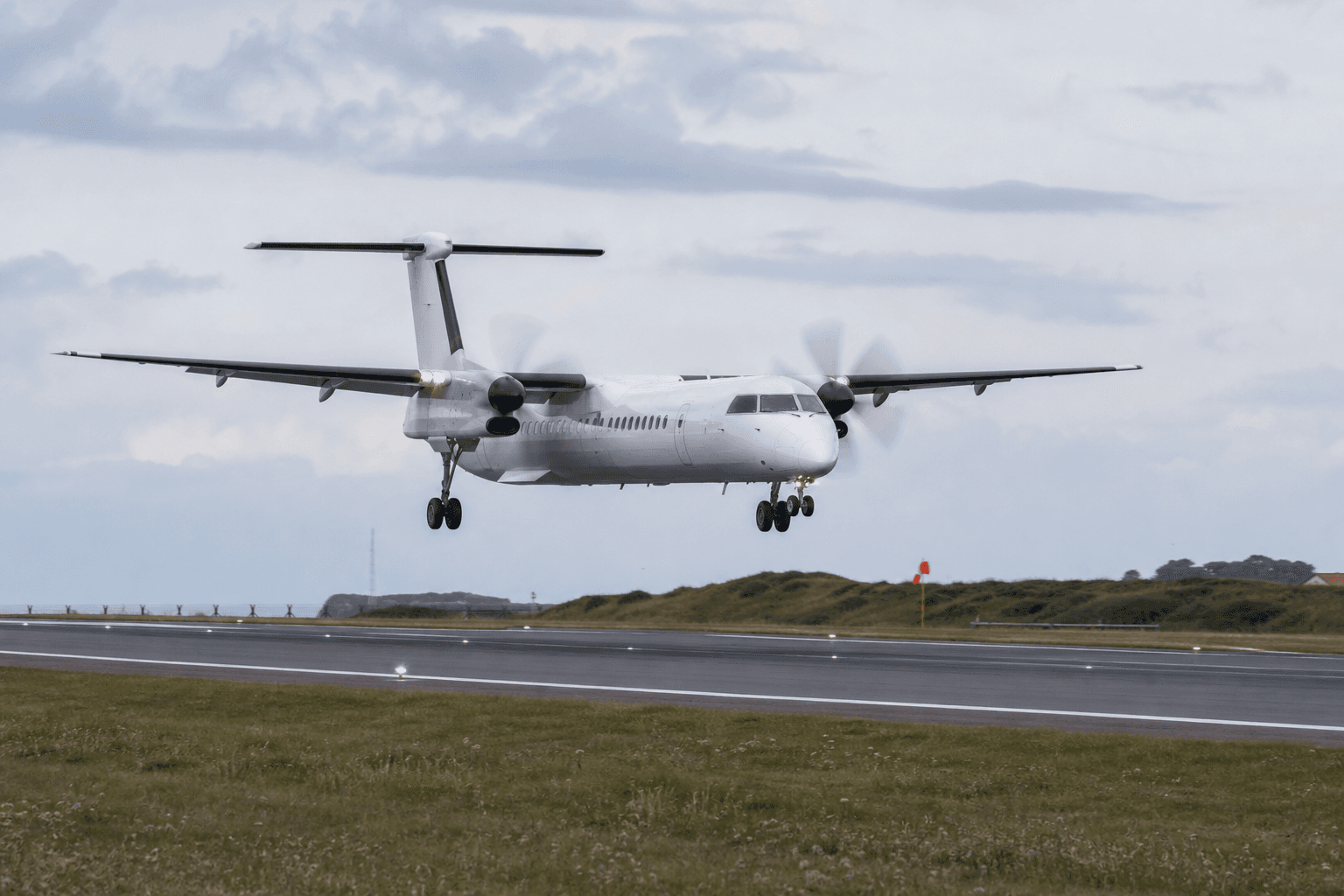
Dash 8-400 Lands Long and Overruns Runway at Guernsey Due to Touchdown Misjudgment
Inquiry into wet-leased turboprop incident highlights failure of junior crew members to challenge captain. UK investigators have found that a De Havilland Dash 8-400 captain's attempt to touch down gently at Guernsey airport resulted in the turboprop's floating and landing two-thirds of the way down the runway, before overrunning at low speed. Operated for Aurigny…
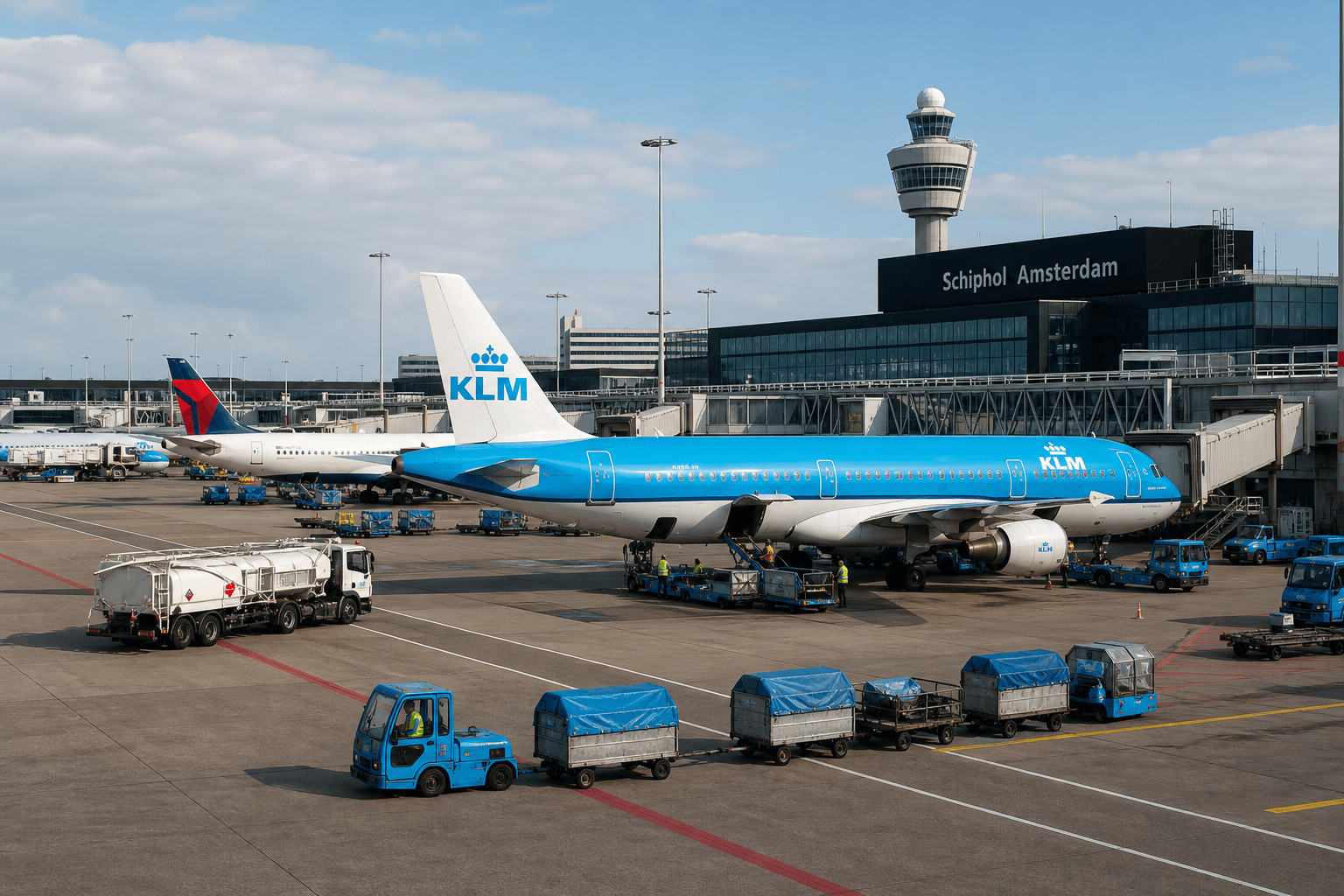
Amsterdam Schiphol to Cut Ground-Handling Firms by Half to Boost Service Quality
Three companies selected in bid to address underlying structural issues and improve service efficiency at Dutch hub. Amsterdam Schiphol airport's operator is halving the number of ground-handling providers from next year, having selected three companies for its new handling model. KLM, Dnata and Viggo have been chosen to remain, from the current six operating at…
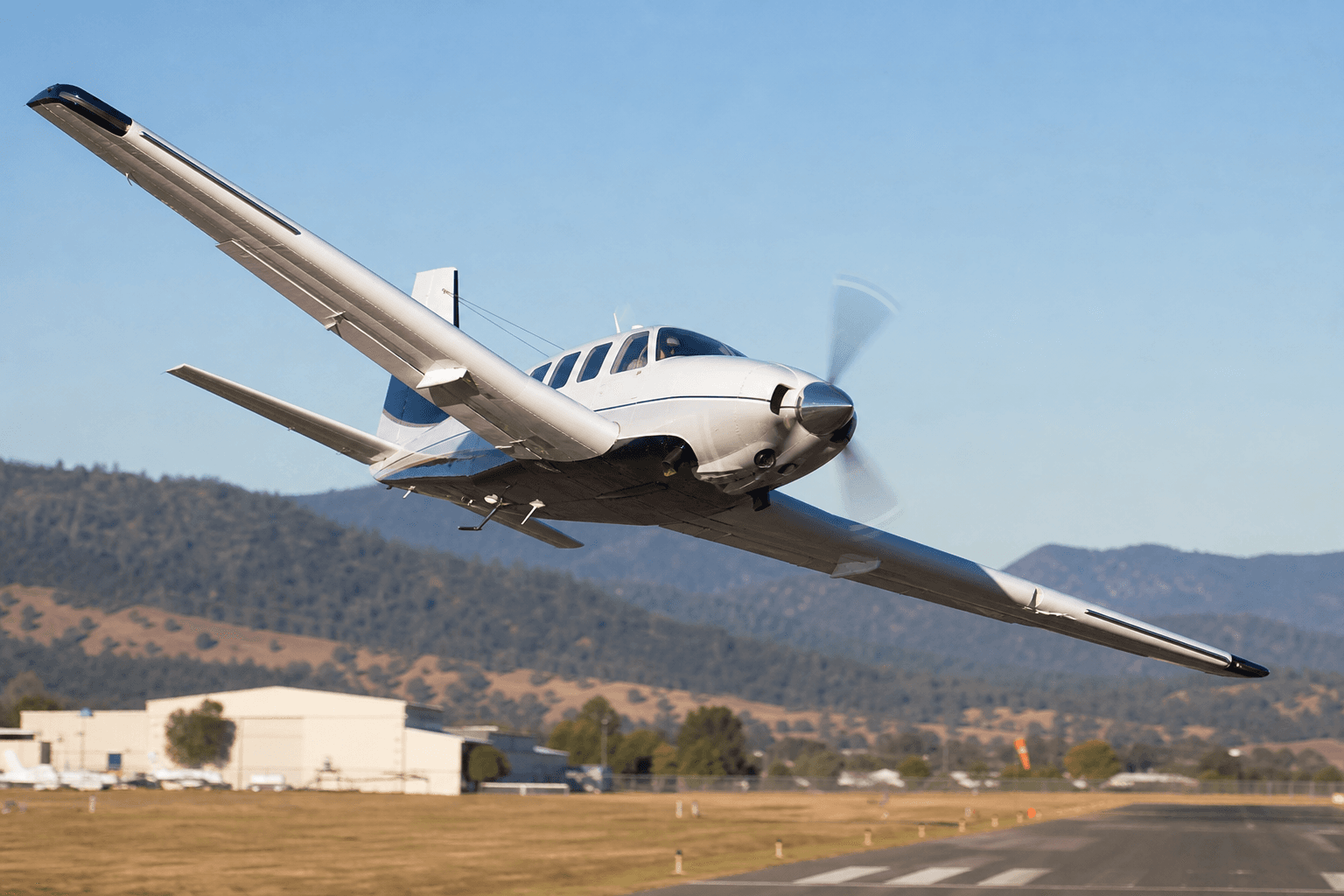
Pacific Aerospace P-750XL crashes in Missouri shortly after takeoff, killing pilot and 11 skydivers
Pilot and 11 parachutists did not survive accident which occurred moments after take-off from Missouri airport. Surveillance video shows that a Pacific Aerospace P-750XL skydiving aircraft, which crashed on take-off from Butler Memorial airport, had gradually started banking left until its wings were perpendicular to the ground. The aircraft, with a pilot and 11 skydivers…
The Daily Touch & Go
The day's best aviation news in your inbox. Free, no spam.