

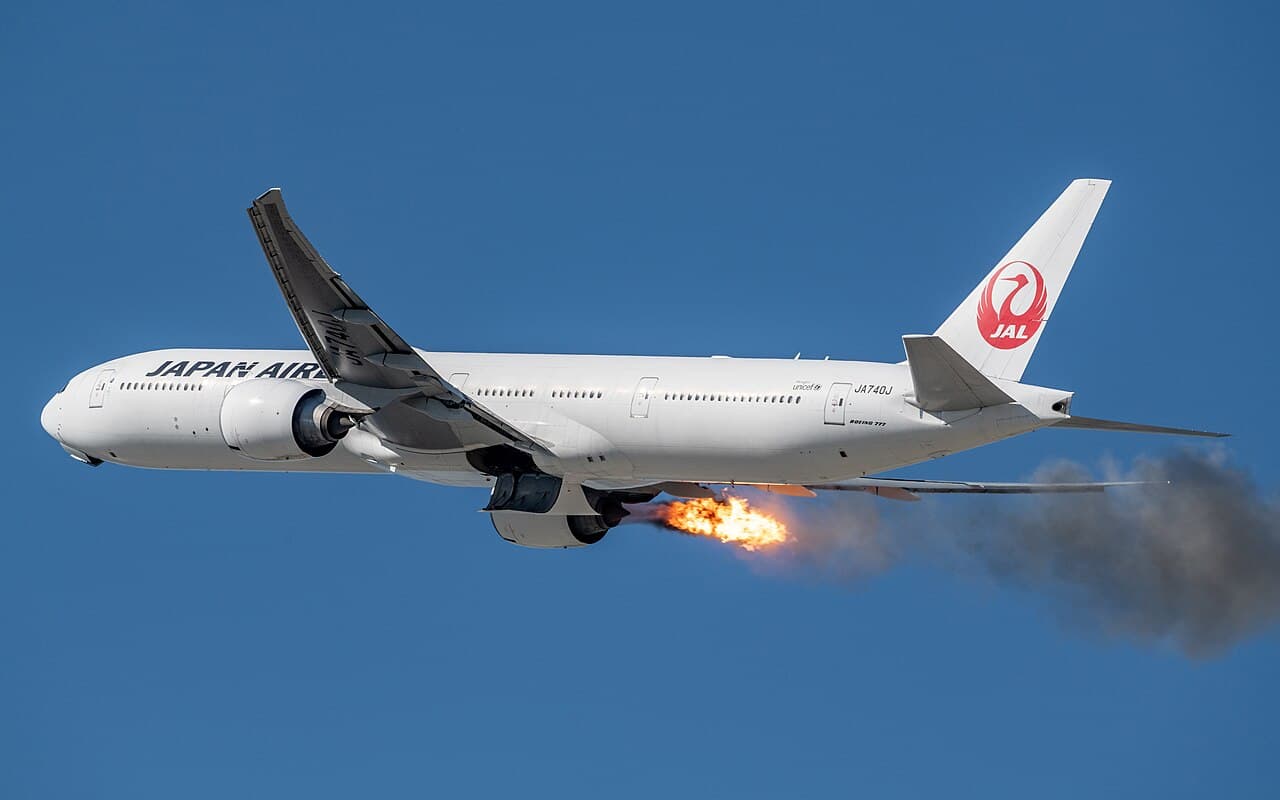
Image: Glenn Beltz from Goleta, CA, USA · CC BY 2.0 · via Wikimedia Commons
Chinese Airlines Now Hold Two-Thirds of China's Overseas Air Route Market
Chinese carriers control 66.5% of international routes connecting China overseas amid geopolitical shifts and growing domestic strength.
The gist
China’s airlines now dominate two-thirds of international routes from China, challenging Western carriers amid rising fuel costs and geopolitical tensions.
The international aviation landscape is witnessing a notable shift as Chinese airlines have surged to control 66.5% of the international routes linking China to overseas destinations. This figure, unveiled by UK-based aviation intelligence firm IBA Group at a recent Beijing industry summit, marks a substantial departure from the pre-pandemic equilibrium when foreign and Chinese carriers each held roughly half of these routes.
Previously dominated by a near-duopoly of Western manufacturers Boeing and Airbus, the international aviation market is now seeing Beijing-backed carriers expanding aggressively. The state-supported Commercial Aircraft Corporation of China (COMAC) is actively pursuing ambitions to disrupt this duopoly. Despite significant challenges ahead, ongoing trade tensions, reciprocal tariffs, and fracturing alliances in the West have created increased opportunities for China’s aviation sector.
IBA Group data indicate a modest 0.3% year-over-year growth in available seat kilometers for Chinese airlines as of April 2026. This gain contrasts sharply with a 50% plunge for Middle Eastern carriers, which highlights the vulnerability of hubs dependent on geopolitical stability. Such instability is reshaping global air travel patterns and demonstrating how regional conflicts can rapidly impact airline networks.
Fuel price surges and ongoing conflicts in the Middle East and Eastern Europe are also pressuring the broader aviation industry. The International Air Transport Association (IATA) estimates that global passenger demand, measured in revenue passenger kilometers, may fall 1% to 3% below forecasts this year. Elevated fuel costs—projected to increase by approximately 70% year-over-year—are squeezing airline profit margins in an industry where earnings have always been tight.
Financial forecasts for 2026 have been downgraded sharply. Airline net profits are now projected at roughly $23 billion, a considerable decrease from earlier estimates near $41 billion and below the $45 billion reportedly earned in 2025. This decline reflects the combined effects of soaring jet fuel prices and prolonged disruptions in key air corridors like the Strait of Hormuz.
Despite these headwinds, China’s domestic aviation market remains robust, enabling its airlines to maintain high fleet utilization rates. This internal strength has not only supported steady domestic operations but has also provided a base for continued international expansion, allowing Chinese carriers to grow rather than rebuild their networks in the current turbulent environment.
COMAC faces significant hurdles in its bid to rival Boeing and Airbus. Its flagship narrowbody, the C919, along with the regional C909 jet, still rely heavily on Western components, underscoring the complexities of aerospace manufacturing. The company’s delivery record remains underwhelming; in 2025, COMAC revised its delivery target down from 75 to 25 aircraft and ultimately delivered only 15 units.
In stark contrast, Airbus and Boeing maintained strong production outputs in 2025, with deliveries totaling 793 and 600 aircraft, respectively. These figures further emphasize the substantial gap COMAC must bridge before it can present a meaningful challenge to the Western duopoly on scale and market reach.
The growing dominance of Chinese carriers on international routes and COMAC’s expanding aerospace infrastructure signal a strategic shift in global aviation. This transformation extends beyond airlines to broader economic and geopolitical implications, particularly as China deepens aviation engagement with emerging markets and advances its position as the world’s second-largest economy.
Read more
All Airlines →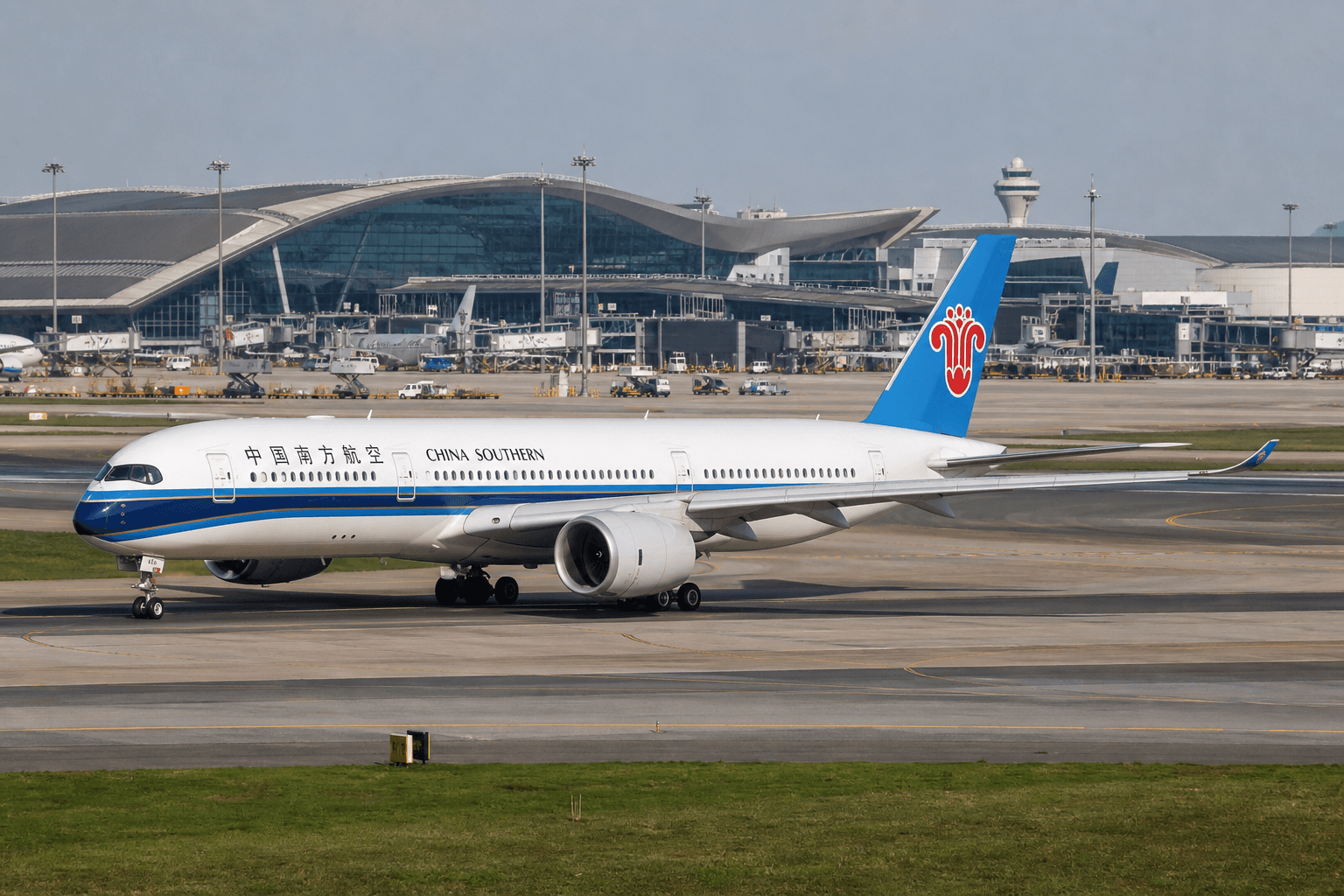
China's Big Three Airlines Brace for Steep Half-Year Losses Amid surging Jet Fuel Costs
Air China, China Eastern Airlines and China Southern Airlines were profitable in the first quarter of the year. China’s three largest carriers have forecast heavy losses for the first half of the year, as they confront the "formidable challenge" of significantly higher fuel costs. In separate earnings guidances, the ‘Big Three’ – comprising Air China, China Eastern Airlines and China Southern Airlines – say that despite cost management measures they were unable to fully recover the "substantial" spike in fuel costs for the six months ending 30 June. The latest forecasts suggest significant losses in the April-June quarter even though the three were profitable in the first quarter of the year on the back of strong travel demand. Significantly, net losses for the January-June period are expected to be steeper than in the year-ago period. Air China is forecasting a half-year attributable net loss of CNY2.1-2.6 billion ($310-384 million), compared to a net loss of CNY1.8 billion one year ago. China Eastern, meanwhile, estimates a half-year net loss of CNY1.8-2.4 billion, versus a CNY1.4 billion loss in the same period of 2025. China Southern, the country's largest operator, faces the steepest losses among the Big Three at CNY3.5-4 billion. This compares to its CNY1.5 billion net loss in the year-ago period. Beijing-based Air China says that while it "recorded substantial profits" in the first quarter, elevated jet fuel prices in the second "drastically" squeezed its profit margin. China Eastern adds: "Since March, rising fuel prices triggered by geopolitical tensions in the Middle East have presented formidable challenges to the aviation industry." It notes it has "promptly" implemented "practical measures" to address the spike in fuel prices, including by "adjusting and optimising flight operations”. It also “refined revenue management [and] increased the utilisation rate of fuel-efficient aircraft models".
American Airlines Teases Five New International Routes to Europe and Latin America
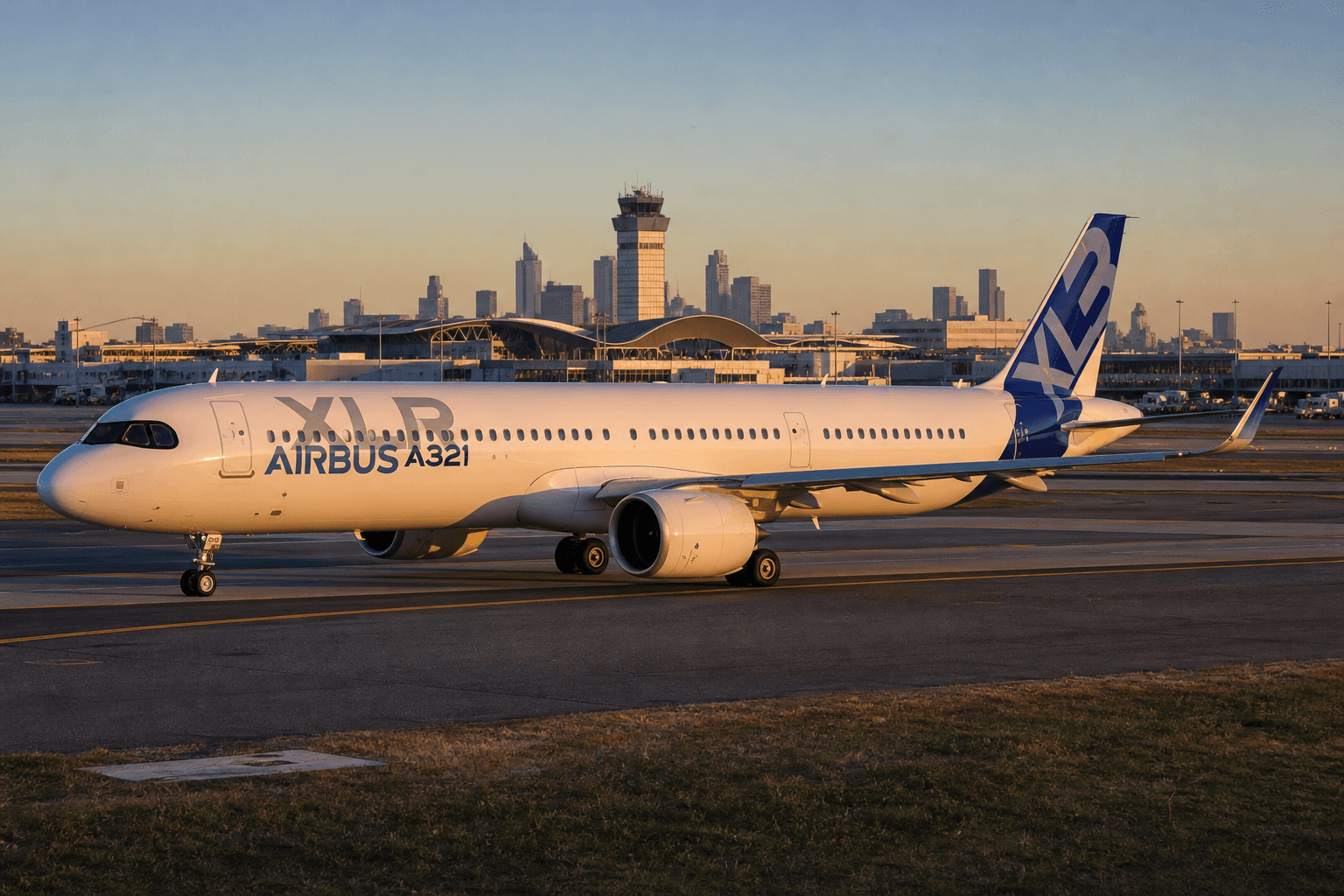
American Airlines posted photo clues teasing five new international routes. The destinations appear to be Naples, Munich, Copenhagen, Quito and Santiago—the remaining questions are which U.S. gateways will serve them and what aircraft American will use.
US Contractors Raise China Security Concerns in FAA Air Traffic Control Modernization Bids
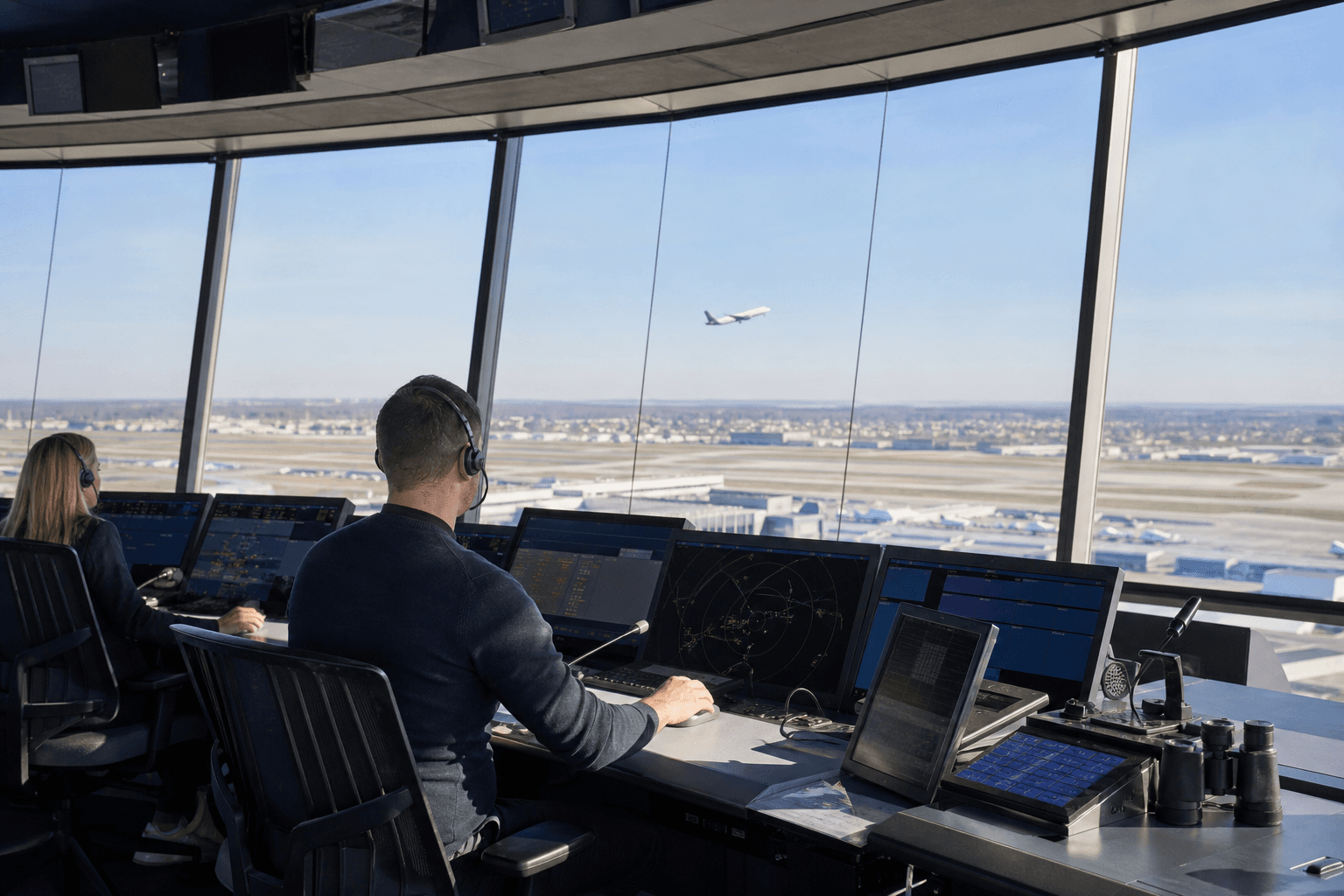
Domestic contractors vying for U.S. air traffic control modernization projects are citing Chinese business ties as well as cyber and national security concerns in their latest bid to shut out foreign-owned competition. Leidos and RTX Corp. are warning Congress and the Trump administration of their competitors' relationships with China, according to people familiar with the matter. Their French and Spanish competitors, Thales and Indra, have both sold air traffic management software platforms to […]

Marie Carastro, matriarch of women's air racing, remembered for 97 years of inspiration
For nearly a century, women have raced small airplanes across the United States, testing their navigation, planning, weather judgment, and teamwork as much as stick-and-rudder skills.
The Daily Touch & Go
The day's best aviation news in your inbox. Free, no spam.