Illustration: The Touch & Go
US Contractors Raise China Security Concerns in FAA Air Traffic Control Modernization Bids
Leidos and RTX cite competitors' business ties to China amid FAA Common Automation Platform contract competition, prompting congressional scrutiny.
The gist
Domestic firms highlight China ties of foreign competitors in FAA ATC software contest, pushing national security issues to forefront.
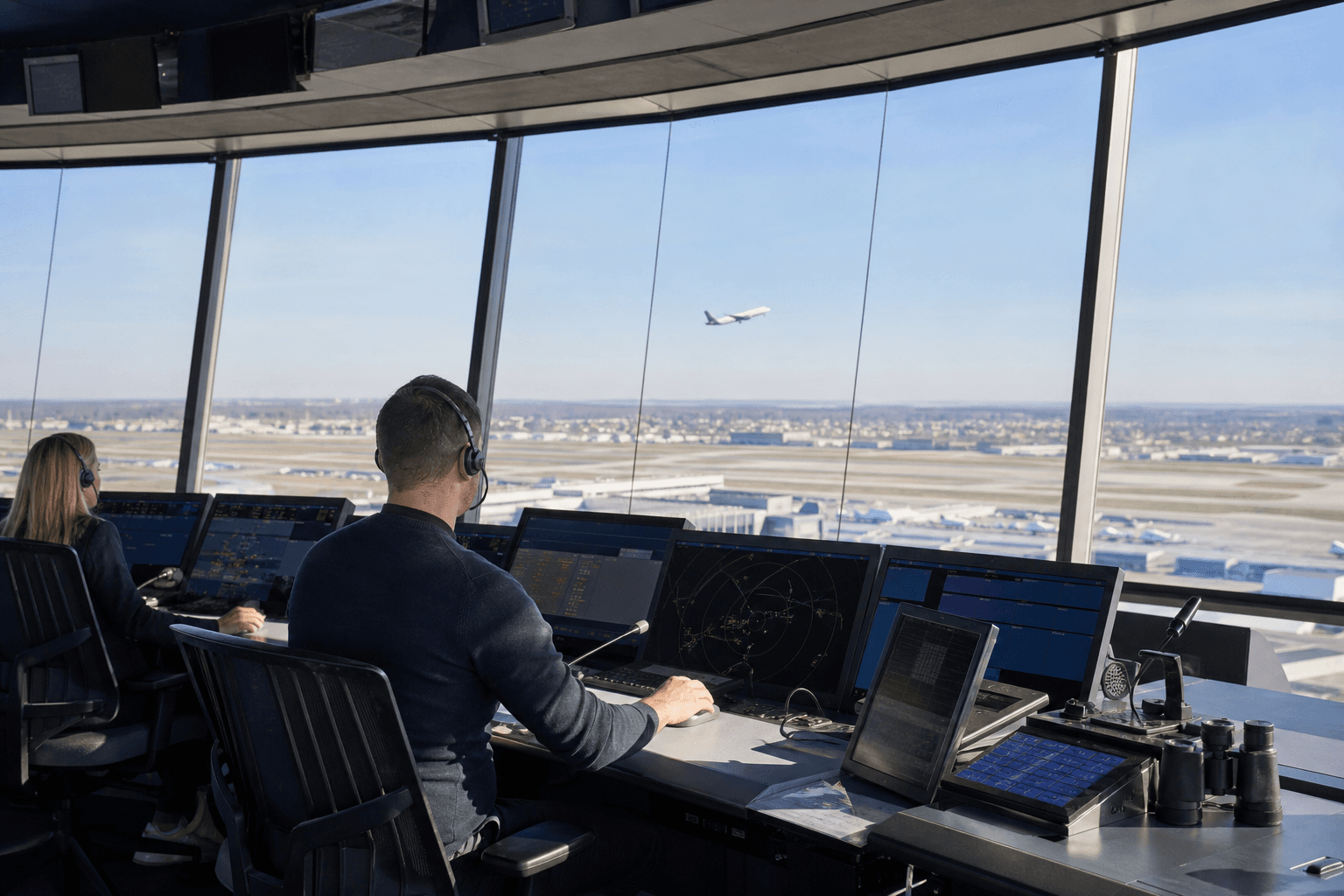
Domestic defense contractors Leidos and RTX Corp. are intensifying their campaign against foreign competitors vying to supply the Federal Aviation Administration (FAA) with a Common Automation Platform (CAP), a core software system underpinning the agency's air traffic control modernization. Both companies are warning U.S. lawmakers about national security risks due to their rivals’ business relationships in China. This development reflects growing geopolitical tensions influencing the tech-focused competition estimated to be worth hundreds of millions of dollars.
The foreign competitors under scrutiny include Thales of France, Indra of Spain, and Frequentis of Austria. Leidos and RTX allege that Thales and Indra have sold air traffic management software platforms to China, a close technological and geopolitical rival of the United States, while Frequentis supposedly maintains ongoing business relationships there. The concern centers on the potential vulnerability created by deploying the same or similar CAP technology in both China and the U.S., which could be exploited in cyberattack scenarios or compromise national security.
The CAP is a critical component of the FAA's initiative to upgrade the country’s aging air traffic control infrastructure to increase efficiency and safety. With commercial and military aviation heavily reliant on secure and reliable software, the selection of a contractor to provide CAP technology has far-reaching implications beyond just the aviation sector. Leidos argues privately that the dual-use nature of the technology heightens risks in an era of increased cyber threats and great power rivalry.
Thales and Indra have publicly dismissed the allegations that their products or systems pose national security risks to the U.S., emphasizing their commitment to security protocols and regulatory compliance. Frequentis also denies supplying these products to China, which adds complexity to verifying the full extent of foreign competitors' activities. However, these assurances have not quieted the concerns of domestic contractors or the legislators they have engaged.
This heightened focus on national security aligns with broader U.S. government trends emphasizing competitive decoupling and technology security, exemplified in the Trump administration’s America First policies. Earlier appeals by domestic contractors leveraging concerns over market access imbalances—such as aviation-specific restrictions on U.S. firms competing in the European Union—had limited success. But the growing strategic importance of China in U.S. defense and economic policy has sharpened Congressional attention.
Responding to these concerns, bipartisan and bicameral draft legislation has emerged in recent weeks calling for the FAA to conduct a deeper evaluation of contractors’ foreign relationships as part of the CAP award process. This legislative move signals increased government appetite for safeguarding critical infrastructure projects against foreign influence and espionage risks. It also reflects a cautious approach to balancing modernization needs with national security imperatives.
The FAA faces a challenging task in balancing the technical merits, cost, and security of potential CAP providers. The pressure from U.S. contractors, supported by congressional advocates, places additional scrutiny on foreign companies’ international business dealings. Given the CAP's importance to the U.S. air traffic control system, this procurement contest will likely remain a focal point of national industrial and security policy debates in the coming months.
Frequently asked questions
- Why do Leidos and RTX cite China concerns in the FAA ATC modernization contract?
- They argue that competitors Thales, Indra, and Frequentis have business ties in China, posing potential national security risks if the same software is used in both countries.
- What is the FAA's Common Automation Platform project?
- The CAP is a key software system for modernizing the FAA’s air traffic control infrastructure, intended to enhance safety and efficiency across U.S. airspace.
Read more
All Airlines →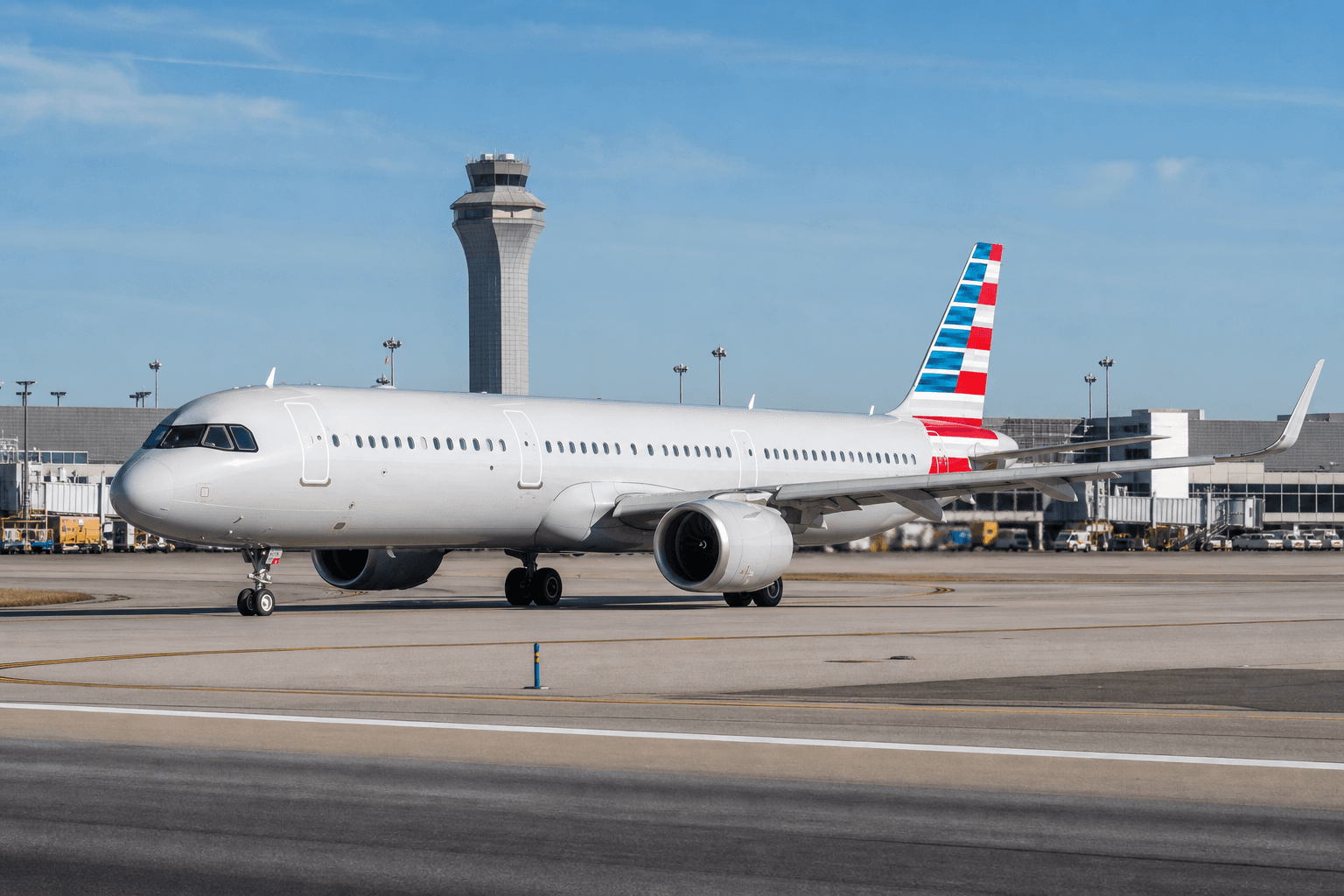
American Airlines A321neo Exit Row Offers More Legroom Than Domestic First Class
American Airlines' Airbus A321neo has become one of the airline's most important domestic aircraft, serving everything from short shuttle flights across the Northeast to longer transcontinental and high-demand leisure routes . On paper, its two-cabin layout appears straightforward, with domestic first class offering a more spacious seat and premium service, while Main Cabin Extra provides additional legroom for other passengers.
Southwest Airlines Companion Pass 2026 Qualifying Spend Revealed
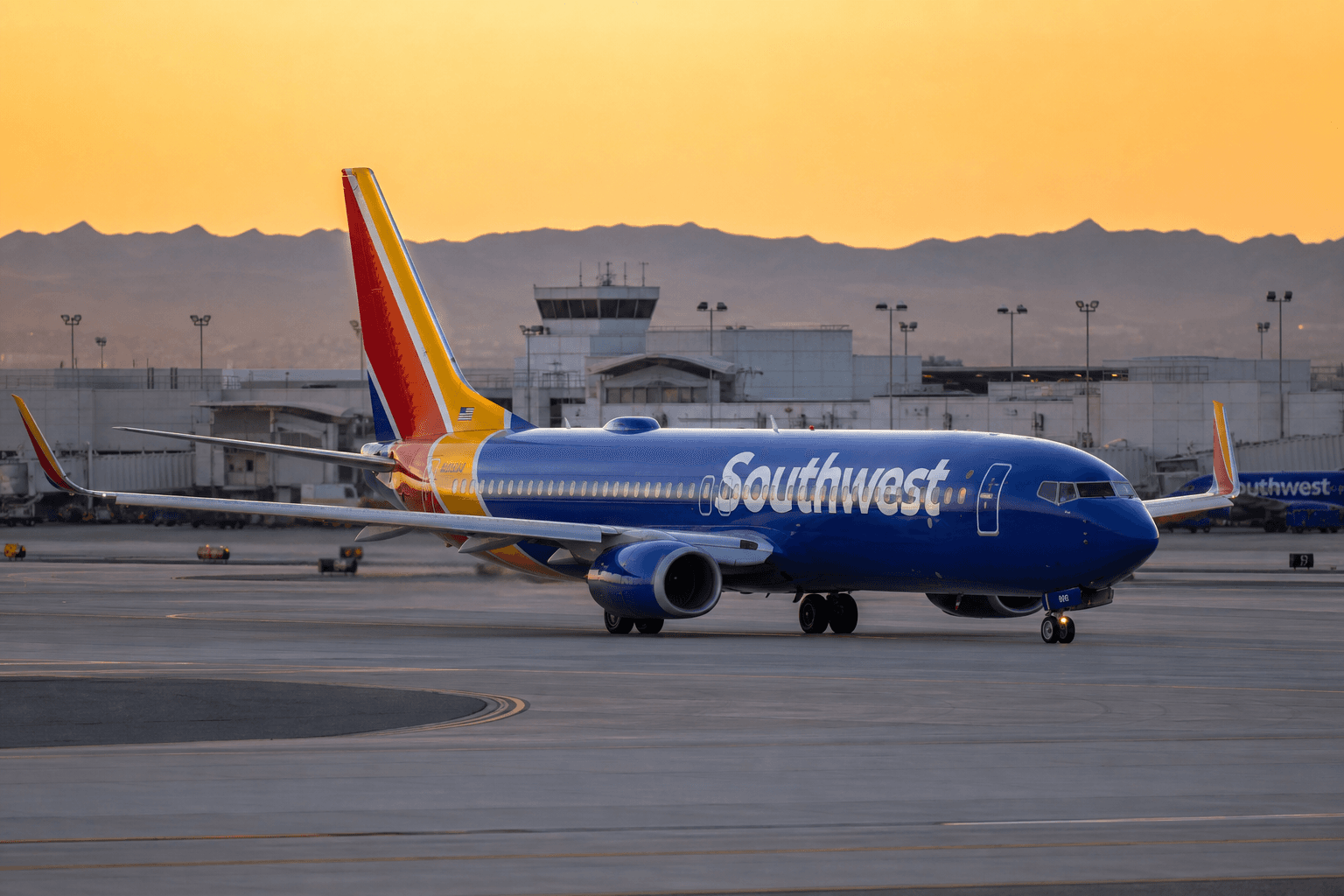
Companion Pass is a unique and highly lucrative benefit offered by Southwest Airlines , which essentially allows elite members to travel with a companion for almost free. Customers still have to pay the taxes and fees for the second passenger (starting at $5.60 per way), but that's it. In addition, the Companion Pass can be used with no limits within a program year, and it stands as uniquely valuable during an era where scores of airlines have devalued loyalty programs to boost profit margins.
Airlines Should Charge Extra For Quality First Class Meals as Standards Decline
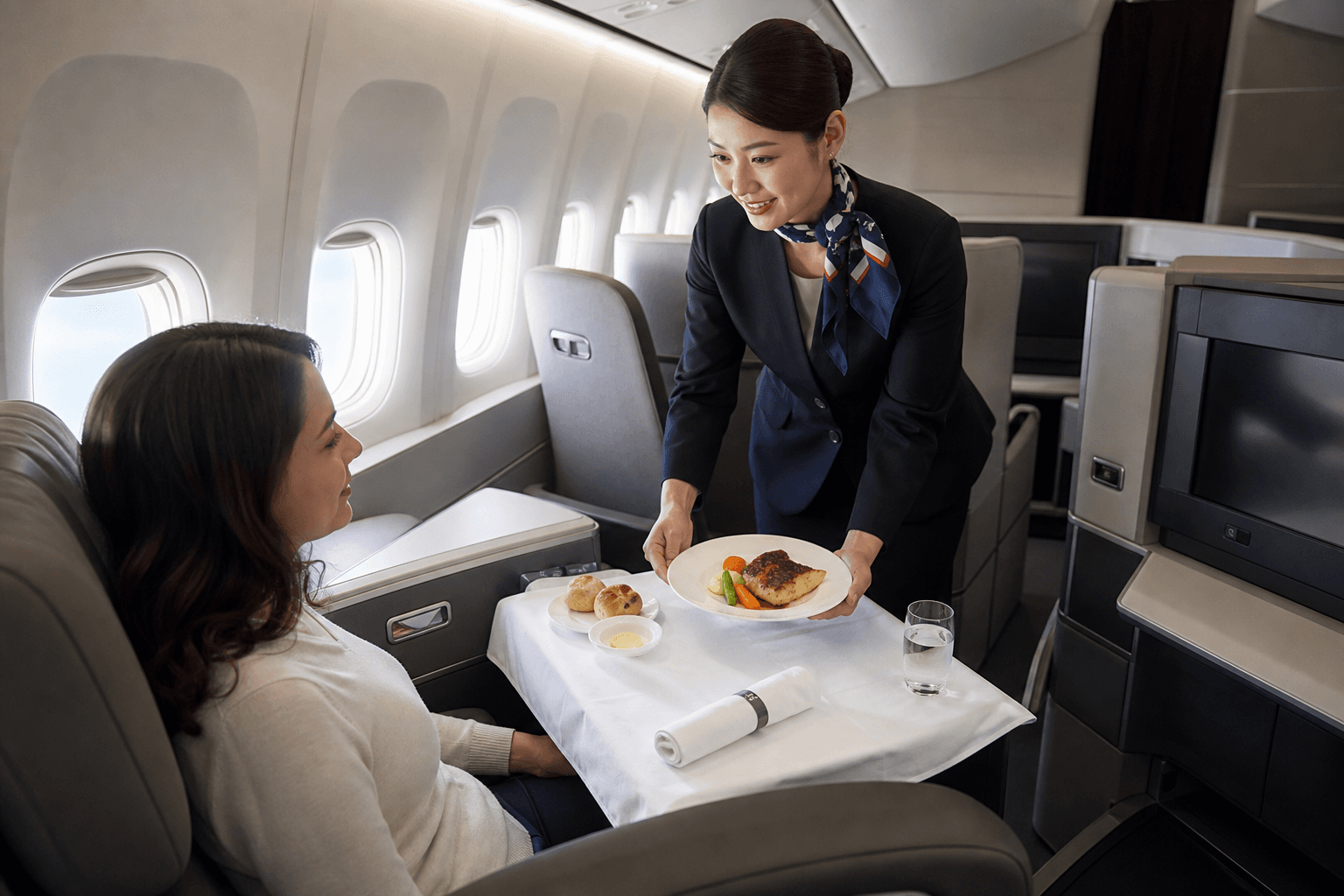
Domestic first class meals have been cut so far that airlines may be missing a revenue opportunity: sell premium pre-order meals passengers would actually want, instead of pretending today's bundled food is still a premium experience.
Most Loyalty Program Members Disengage Quickly Despite Brand Satisfaction Claims
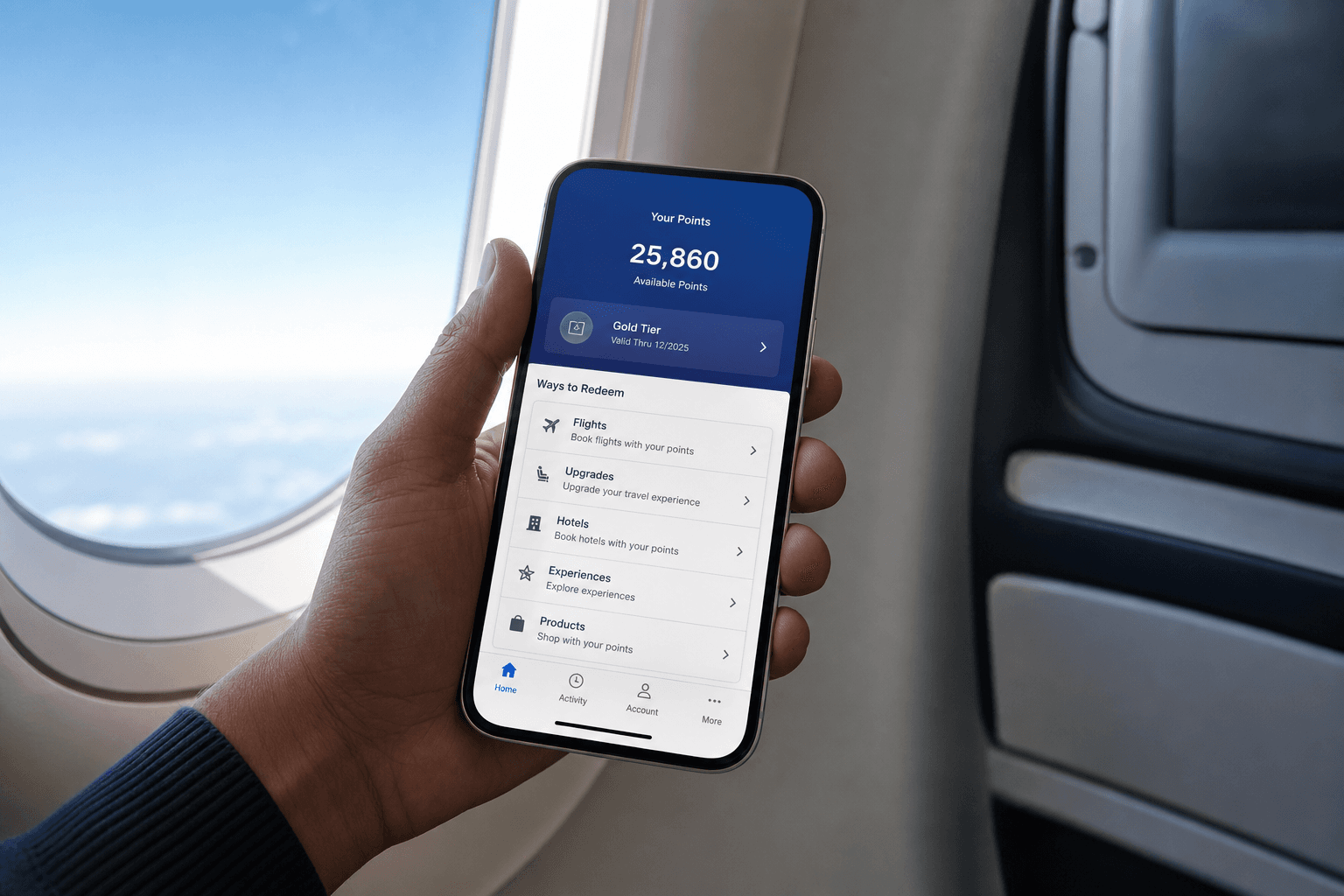
While 83% of loyalty program owners believe members feel valued, only 56% agree—and 74% quiet quit within two months. Starbucks' worst-value reward becoming its most popular shows how brands mistake defensive cash-outs for loyalty, engagement and success.
The Daily Touch & Go
The day's best aviation news in your inbox. Free, no spam.