
AirAsia Group Cuts Q3 Flight Capacity by 20-25% Amid Rising Fuel Costs
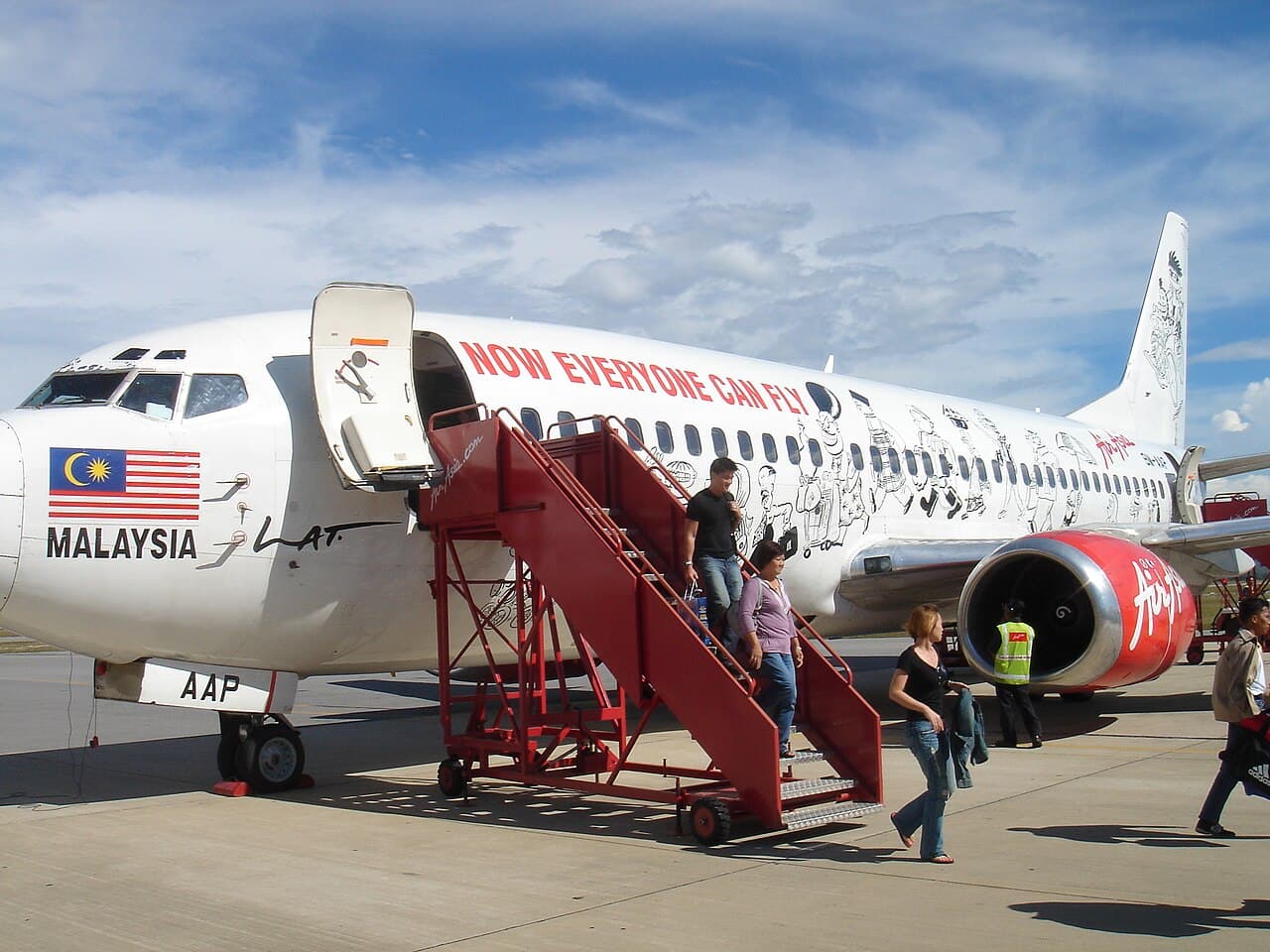
AirAsia Group is scaling back its third-quarter 2026 flight capacity. The low-cost carrier plans a 20% to 25% year-on-year reduction. This move follows a sharp rise in jet fuel expenses during the second quarter. ezstandalone.cmd.push(function () { ezstandalone.showAds(119); }); High Fuel Prices Drive Losses In the quarter ended 30 June 2026, average jet fuel prices hit US$183 per barrel. Fuel costs jumped 58% compared with the same period a year earlier. Geopolitical tensions in the Middle East pushed energy markets higher and created volatility. These higher costs contributed to a significant net loss for the group. AirAsia Group reported a loss of roughly RM527 million attributable to owners. ezstandalone.cmd.push(function () { ezstandalone.showAds(127); }); Broader group figures, including foreign exchange impacts, reached about RM830 million. Revenue stayed near RM5.1 billion. This held steady even though the airline cut capacity by about 11% in the second quarter. Management used dynamic pricing and fuel surcharges to recover around 70% of the extra fuel burden. Average fares rose more than 20% in May and June. Non-fuel unit costs also fell 7%. Still, the quarter marked a clear low point. ezstandalone.cmd.push(function () { ezstandalone.showAds(128); }); Group CEO Bo Lingam called it the “floor quarter.” Photo Credit: Gatwick Airport Why Capacity Is Being Reduced Now The third quarter is traditionally the softest period for regional travel in Southeast Asia. AirAsia Group is taking a cautious approach. It will trim capacity by 20% to 25% year-on-year. The goal is to protect margins and ensure every flight meets strict profitability targets. ezstandalone.cmd.push(function () { ezstandalone.showAds(129); }); The airline expects to restore capacity toward pre-war levels in the fourth quarter. Year-end holiday demand should support higher yields across its ASEAN network. Forward bookings already track in line with the previous year. Supporting Measures and Outlook AirAsia is also returning 25 older, less fuel-efficient aircraft this year. This reduces lease costs and improves overall fleet efficiency. Newer aircraft, including future A220 and A321XLR deliveries, will support longer-term growth from 2028 onward. The group is advancing talks for up to US$1 billion in funding and additional local facilities. These steps aim to strengthen liquidity after the difficult second quarter. ezstandalone.cmd.push(function () { ezstandalone.showAds(130); }); Bo Lingam noted that jet fuel prices are unlikely to stay at the extreme US$183 average seen in the second quarter. As fuel costs ease and higher fare levels remain in place, unit economics should improve. Short-haul operations in Malaysia and Cambodia stayed profitable. Thailand is expected to narrow losses in the third quarter and return to profit in the fourth. Photo Credit: Kentaro Iemoto from Tokyo, Japan, CC BY-SA 2.0, via Wikimedia Commons Implications for Travellers and the Industry Passengers may see fewer flights on some routes during the third quarter. Fares could stay elevated in the near term as the airline continues to manage costs. However, the planned capacity recovery in the fourth quarter should expand options again for peak season travel. ezstandalone.cmd.push(function () { ezstandalone.showAds(131); }); The situation highlights the vulnerability of unhedged airlines to sudden fuel spikes. AirAsia’s response prioritises yield over volume. It focuses on network discipline, cost control and selective capacity management. Analysts generally view the second quarter as the trough. Many expect a clearer recovery path in the second half of 2026 if fuel prices continue to moderate. The group’s ability to pass through a large share of cost increases while maintaining solid load factors of around 80% shows underlying demand remains resilient across its core markets. ezstandalone.cmd.push(function () { ezstandalone.showAds(132); }); AirAsia Group’s latest actions reflect a pragmatic response to elevated fuel costs. By cutting capacity temporarily and optimising its fleet, the airline aims to stabilise performance and position itself for stronger results later in the year.