

Image: Oleg Yunakov · CC BY-SA 4.0 · via Wikimedia Commons
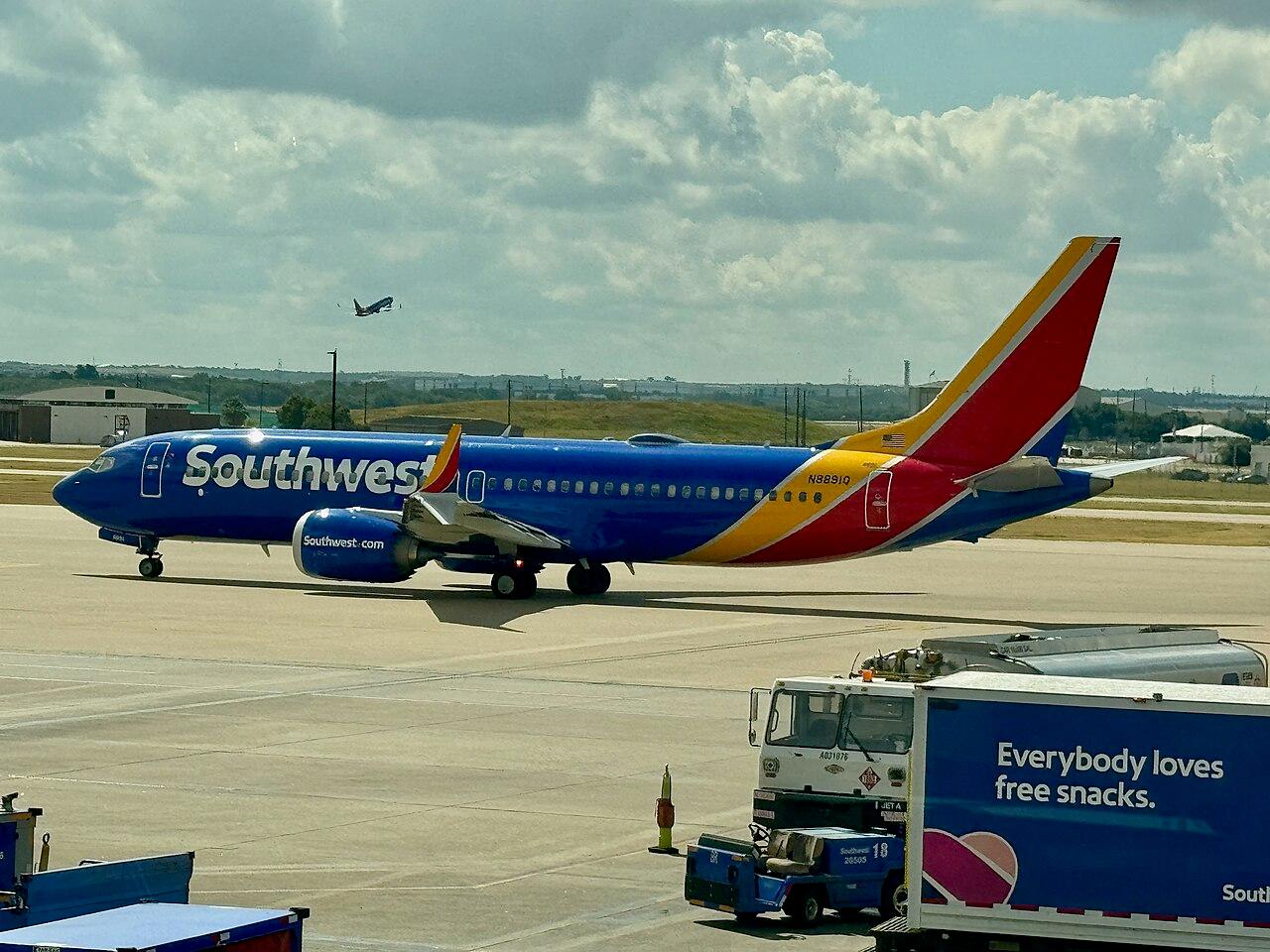
NTSB Finds Storm-Damaged Southwest 737 MAX Flew 44 Times Before Dutch Roll Accident
Investigators said a missed post-storm inspection and a flawed maintenance test allowed a Southwest Boeing 737 MAX with tail damage to keep flying until a Dutch roll accident.
The gist
A Southwest 737 MAX flew 44 times with undetected storm damage to its tail before a Dutch roll accident, the NTSB found.
Continuing coverage
All Ntsb →A Southwest Airlines Boeing 737 MAX flew 44 times with storm damage to its tail that nobody had found, according to findings from the National Transportation Safety Board. The damage stayed hidden until the aircraft was involved in a Dutch roll accident.
The NTSB traced the problem to two separate points in the maintenance process. First, the jet missed a post-storm inspection that should have followed its exposure to the weather. Later, the aircraft passed a maintenance test that investigators described as flawed, so the damage again went undetected.
Each of those checks was a chance to find the damage before the aircraft went back into service. Neither caught it, and the 737 MAX continued to carry passengers on 44 flights before the accident.
Dutch roll is a coupled oscillation in which an aircraft yaws and rolls from side to side at the same time. The tail, which holds the vertical stabilizer and rudder, is the part of the airframe that damps that motion, which places the storm damage in the same area of the aircraft that governs it.
The board's findings focus on inspection and testing procedures rather than on the aircraft design itself. The 44 flights logged between the missed inspection and the accident show how long the damaged jet remained in regular service with Southwest.
Originally reported by Simple Flying
Read more
All Aviation Safety →
UK Tells Travellers to Dubai and Gulf to Keep Departure Plans Under Review After Iranian Drone Strikes
The Foreign Office reissued its Middle East warning after Iranian drones targeted U.S. bases in Kuwait and Bahrain, telling Britons, including transit passengers at Dubai, to expect cancellations and airspace closures.

Cessna 500 Bound for Toluca Crashes Near Durango Airport Runway; Pilot's Death Confirmed
A private Cessna 500 came down about 500 metres from the end of runway 03 at Durango's Guadalupe Victoria International Airport on November 17, and conflicting early figures leave the full toll unsettled.
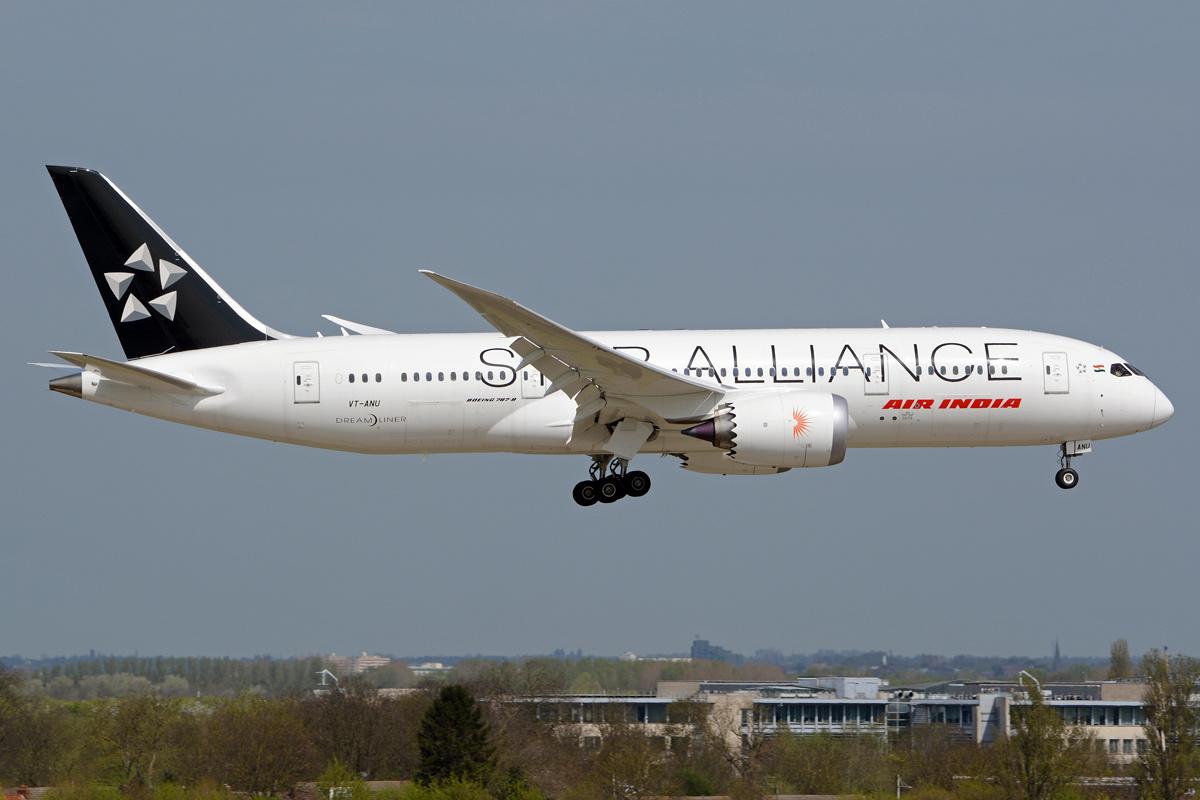
India Tells Supreme Court Draft Final Report on Air India AI-171 Crash Is Two to Three Weeks Away
Solicitor General Tushar Mehta said the AAIB is in the closing stage of its draft final report on the June 2025 Ahmedabad Boeing 787-8 crash, after petitioners flagged a missed October deadline.

American Airlines 737 Carrying Senator Ashley Moody Shuts Down Engine, Diverts to Orlando
The crew of Flight AA496 from Tampa to Washington National declared a Mayday after left engine indications and chose Orlando's longer runways and in-house maintenance over a return to Tampa.
The Daily Touch & Go
The day's best aviation news in your inbox. Free, no spam.