

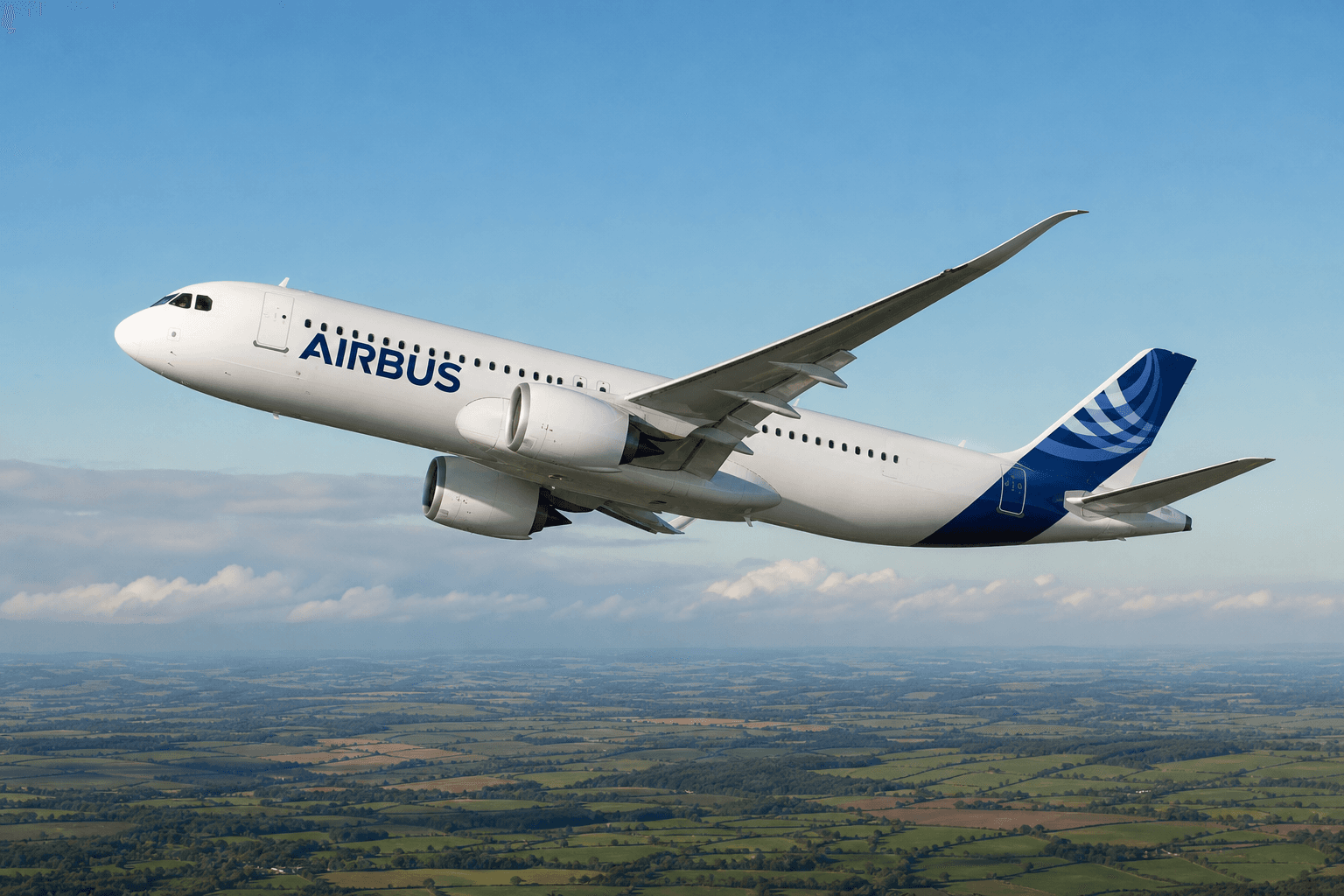
AI-generated illustration
Airbus Starts Building Wing-Tip Extensions for Wing of Tomorrow Flight Tests Due in 2027
Airbus has begun manufacturing the first wing extensions that will replace Sharklets on a test aircraft, part of its work toward high-aspect-ratio wings for the A320neo successor.
The gist
Airbus is building multiple wing-tip extensions for flight tests in 2027 to shape the long, folding-tip wing of its next single-aisle jet.
Continuing coverage
All Airbus →Airbus has started manufacturing the first wing extensions it intends to fly under its Wing of Tomorrow programme, a step toward the long, high-aspect-ratio wing the airframer wants for the Next Generation Single-Aisle (NGSA), the eventual successor to the A320neo family. The extensions are built to simulate folding wing-tips in their fully extended, locked position. They will be fitted to a test aircraft in place of its current Sharklet wing-tip devices. Installation is planned for 2027, with a first flight to follow later that year.
Sue Partridge, who heads Wing of Tomorrow, said the project, which Airbus announced in July, is going really well. Speaking at the UK Aerospace Technology Institute conference in South Wales on 17 November, she said design of the extensions is well advanced and manufacture of the first units has begun. Airbus has also carried out extensive preparation work on the test aircraft ahead of the installation.
The flight-test campaign will not rely on a single design. Partridge said Airbus will fly several iterations of the extensions, covering different core shapes along with configurations and sub-configurations within each. She noted that funding limits the number of variants. Airbus has not capped the number of flights per iteration and will keep flying until it has gathered all the data it wants from the campaign. Partridge hopes to finish flight testing in 2027 but said there is an option to run into 2028 if needed.
Partridge declined to give the length of each extension, saying only that they are in line with the longer wing planned for the NGSA. That design would add roughly 4-5m to each side of the A320neo's current 34m (112ft) span. Folding tips are the mechanism that would let such a wing fit within existing airport gate limits while delivering the efficiency of a greater span.
On the ground, load testing continues on a full-scale, 17m-long Wing of Tomorrow demonstrator at Airbus's Aerospace Integrated Research and Test Centre in Filton, near Bristol in southwest England. The campaign was due to end later this year with the wing being tested to destruction. Partridge said that destructive finale has been pushed back so Airbus can extract more data from the asset, and that load-case testing will now continue well into next year. She described the results so far as encouraging and said they are validating the company's predictions.
The programme produced two further wing demonstrators. The third, known as the run-at-rate wing, was completed earlier this year and was designed to show whether an all-composite wing can be built fast enough to support the high production rates envisaged for the NGSA, and where automation fits in that process. Partridge said some of the automation technologies trialled performed as hoped while others did not. Where they fell short, Airbus has in some cases decided the task will remain manual, while in other areas it will keep developing the technology because it still believes it can make it work.
Airbus is also leading two projects funded by the UK's Aerospace Technology Institute that will produce more large-scale demonstrators. Called AVIATION 1 and 2, for advanced wings enabling ultra-efficient propulsion, they cover the next phase of demonstration, examining more ambitious wing architectures and how different engine options could be integrated. Partridge said specific engines will not be studied, but the work must ensure any of the powerplant options could be accommodated. Physical demonstrators backed by digital modelling are planned, partly to bring the supply chain into the effort.
Separately, Airbus UpNext, the company's in-house technology accelerator, is developing a biomimicking wing that can change shape in flight. Named the eXtra-performance wing, it is being installed on a modified Cessna business jet at Cazaux in southern France. A remotely piloted first flight is now planned for the first half of 2027, slipping from a previous target of the end of 2026.
Originally reported by FlightGlobal
Read more
All Technology/eVTOL →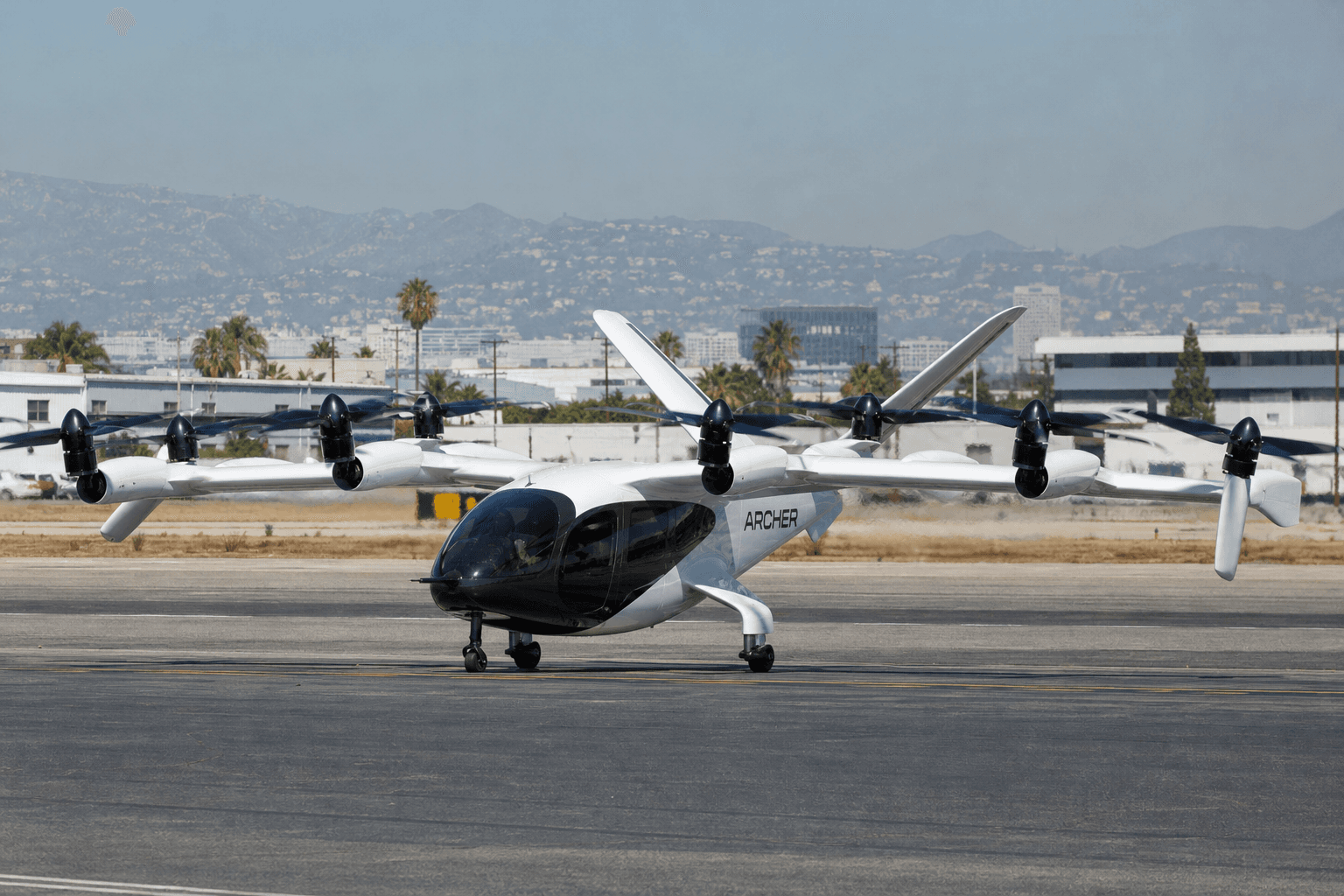
Archer to Start Midnight eVTOL Test Flights Over Los Angeles Ahead of 2028 Olympics
Archer Aviation says its electric Midnight aircraft will begin flying from Hawthorne Airport within weeks, but early sorties will use a runway, carry no passengers and precede FAA certification.

Vulcan Rocket Failure Destroys 40 Amazon Leo Satellites, Clouding Delta's Wi-Fi Timeline
United Launch Alliance lost a Vulcan rocket and its 40-satellite Amazon Leo payload on November 15, a setback for the network Delta Air Lines picked over Starlink for its next-generation in-flight Wi-Fi.
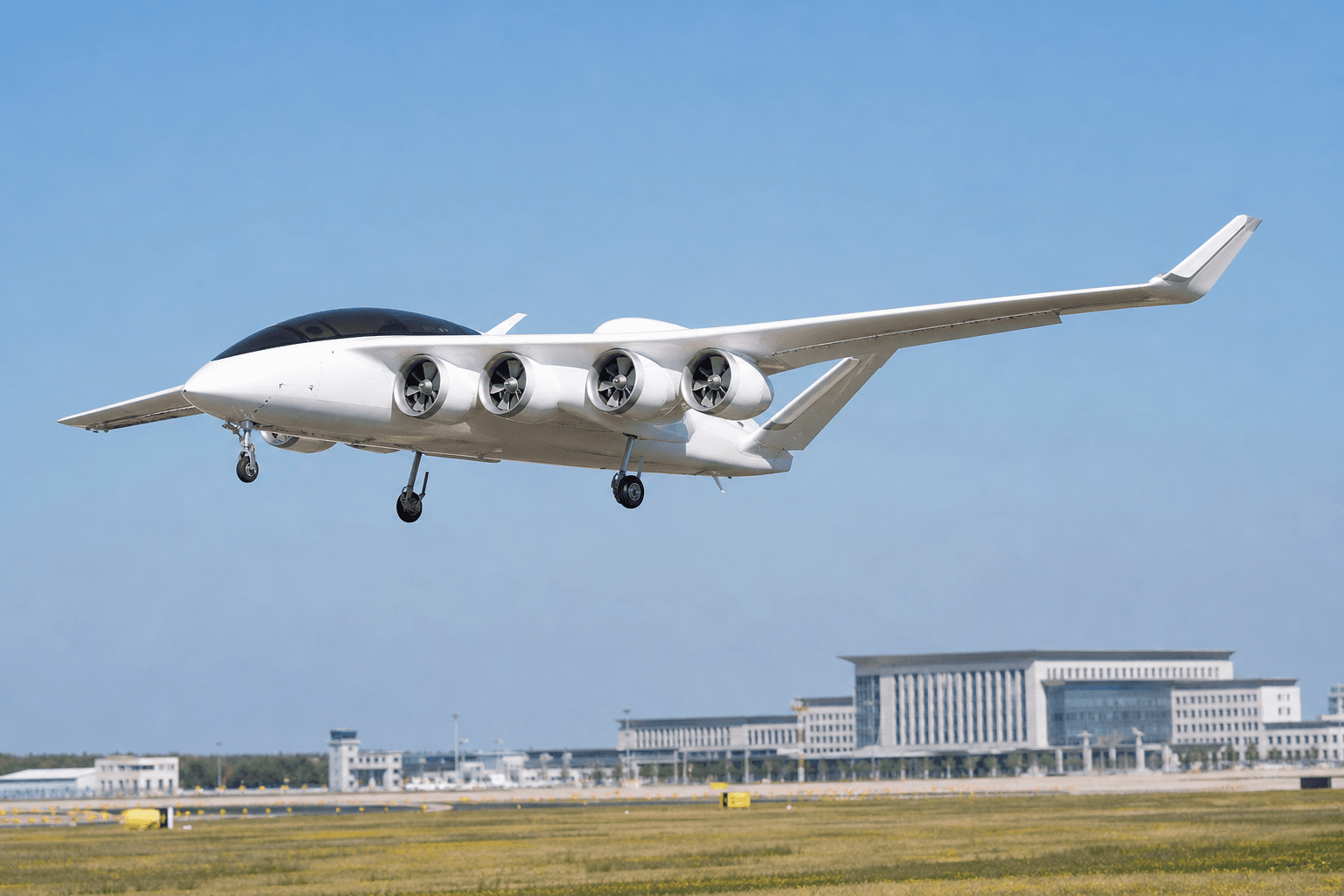
COMAC Flies CE-25A Electric 19-Seater with Pilots Aboard for the First Time
China's state-owned planemaker flew its 10-fan, battery-powered CE-25A for 16 minutes over Binzhou with a crew of three, after 19 uncrewed flights since February.
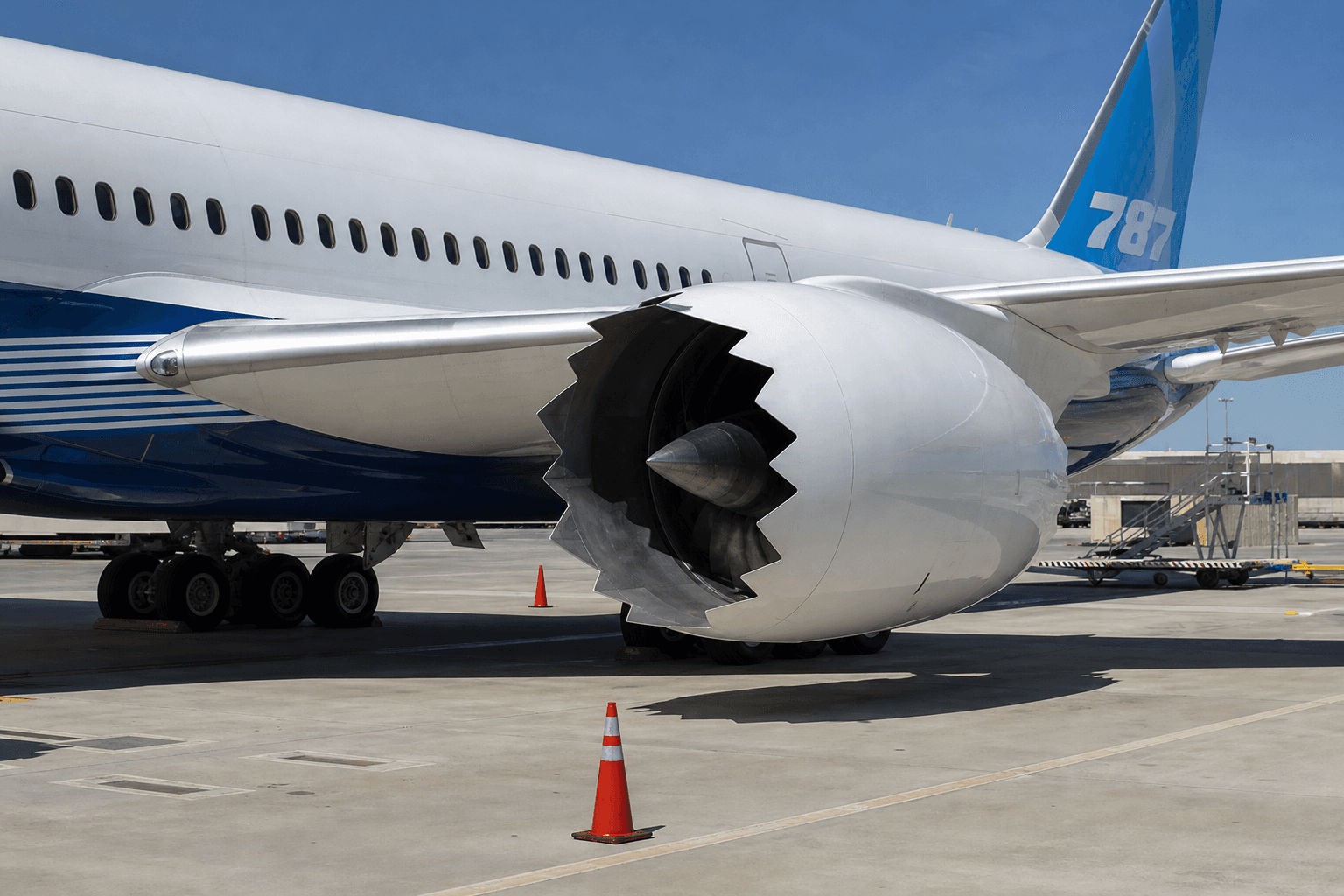
Why Boeing's Sawtooth Engine Chevrons Cost the 737 MAX, 747-8 and 787 Fuel in Every Phase of Flight
The serrated exhaust nozzles Boeing developed with GE and NASA cut takeoff noise, but they also impose a thrust and drag penalty that Airbus decided was not worth accepting.
The Daily Touch & Go
The day's best aviation news in your inbox. Free, no spam.