

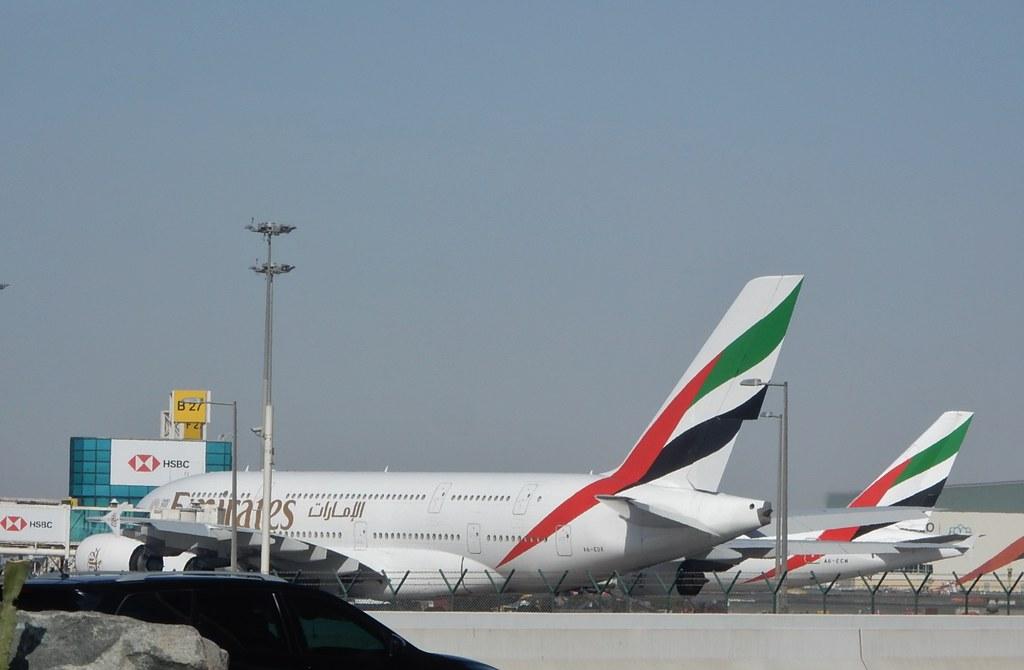
Image: mikecogh · CC BY-SA 2.0 · via Wikimedia Commons
UK Tells Travellers to Dubai and Gulf to Keep Departure Plans Under Review After Iranian Drone Strikes
The Foreign Office reissued its Middle East warning after Iranian drones targeted U.S. bases in Kuwait and Bahrain, telling Britons, including transit passengers at Dubai, to expect cancellations and airspace closures.
The gist
Britain's FCDO warns Dubai-bound and transiting travellers to prepare for flight cancellations and airspace closures after new Iranian drone attacks.
Continuing coverage
All Emirates →- Etihad Extends Riyadh and Dammam Cancellations to November 19 as Gulf Security Incidents Mount
- Emirates Puts Airbus A350 on Nairobi-Dubai Route as Fuel Costs Squeeze Airlines
- Israeli Transport Minister Leads Delegation to Dubai on Restarting Tel Aviv Flights After flydubai Hijack Plot
- Why Emirates Bet Its Future on the Boeing 777-9 Instead of More Airbus A350s
The UK Foreign, Commonwealth & Development Office has issued a fresh travel warning for Britons heading to Dubai and other Middle East destinations, telling them to keep their departure plans under review and make sure their travel documents are current. The update, posted on November 18, followed Iran's first drone attack on Kuwait in more than two months. That strike, launched on Tuesday night, was believed to be aimed at Ali Al Salem Air Base, which hosts U.S. forces.
A second attack targeted a U.S. base in Bahrain. Local officials said the drones in both attacks were intercepted and that neither base was damaged. The FCDO advice warns that the situation across the region remains deeply unpredictable, that the risk of sudden escalation is high, and that further attacks could come at short notice.
The guidance tells British nationals in, or travelling through, the Middle East to be ready for flight cancellations, airspace closures and wider disruption. It applies not only to holidaymakers and business travellers bound for Dubai, but also to passengers using Dubai as a connecting point who never plan to leave the airport. The FCDO also repeated that Iran has said it intends to target locations linked to the U.S. and Israel, including businesses, facilities and institutions, and that strikes and retaliatory attacks have hit both civilian and military infrastructure across the region.
Transit passengers have reason to pay attention. When Iran launched retaliatory attacks on its neighbours on the morning of February 28, airspace across the region closed suddenly and thousands of travellers on short layovers at Dubai International Airport (DXB) were stranded. Hours later, a kamikaze drone struck the roof of the airport's flagship Terminal 3, causing heavy damage and injuring several people. Most passengers had already been evacuated by the time of the explosion.
DXB came under repeated Iranian attack at the peak of the hostilities. A second kamikaze drone exploded on the edge of the airport near Terminal 3, reportedly damaging a parked Emirates Airbus A380 and a Saudia Airbus A321. In a separate incident, a drone hit one of the large jet fuel tanks inside the airport perimeter, starting a fire that sent thick smoke across the Dubai skyline. Emirates restarted flights within hours of that attack and has since been working to draw hesitant visitors back to the city.
The UAE intercepted most of the ballistic missiles, cruise missiles and kamikaze drones fired toward it during the first wave of fighting. With Washington and Tehran deadlocked over a settlement and the ceasefire looking increasingly fragile, UAE authorities are said to be hoping for the best while preparing for the worst.
The FCDO's previous warning came in late October, ahead of the U.S. midterm elections, a point seen as a possible trigger for President Trump to order stepped-up attacks on Iran. No full military offensive has followed so far. Instead, the U.S. has carried out sporadic strikes on specific targets on Iran's Qeshm Island in the Strait of Hormuz, and Iran has answered with tit-for-tat attacks on U.S. military assets in the Gulf.
The latest advice tells travellers to stay away from areas around security or military facilities. If an emergency alert sounds on mobile phones, Britons are told to take shelter indoors or in the nearest safe building or designated shelter, ideally an interior stairwell or a room with few external walls or windows. The FCDO said the greatest danger comes from falling debris from interceptions, and that people are safest inside a secure structure.
Originally reported by Paddle Your Own Kanoo
Read more
All Aviation Safety →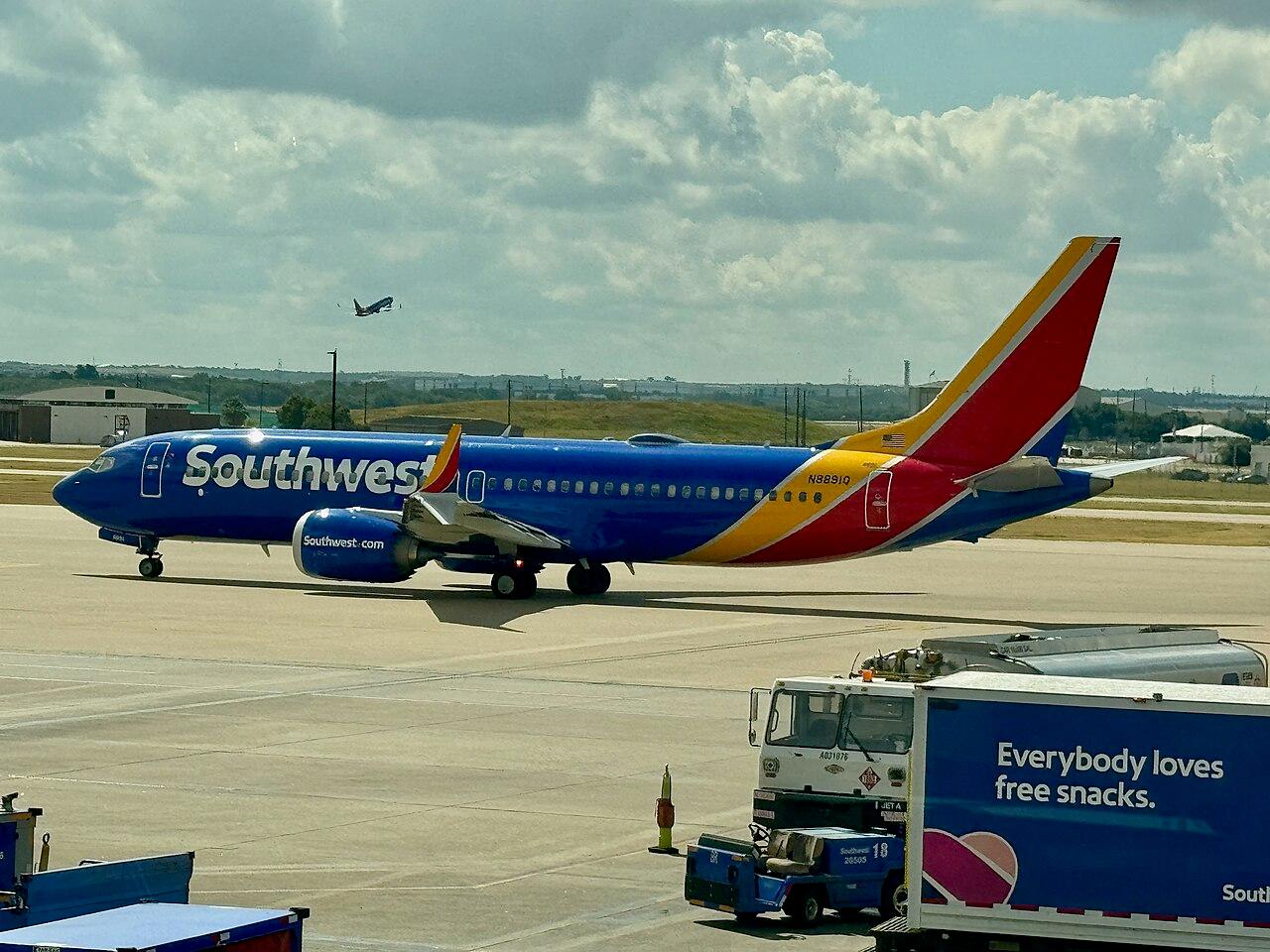
NTSB Finds Storm-Damaged Southwest 737 MAX Flew 44 Times Before Dutch Roll Accident
Investigators said a missed post-storm inspection and a flawed maintenance test allowed a Southwest Boeing 737 MAX with tail damage to keep flying until a Dutch roll accident.

Cessna 500 Bound for Toluca Crashes Near Durango Airport Runway; Pilot's Death Confirmed
A private Cessna 500 came down about 500 metres from the end of runway 03 at Durango's Guadalupe Victoria International Airport on November 17, and conflicting early figures leave the full toll unsettled.
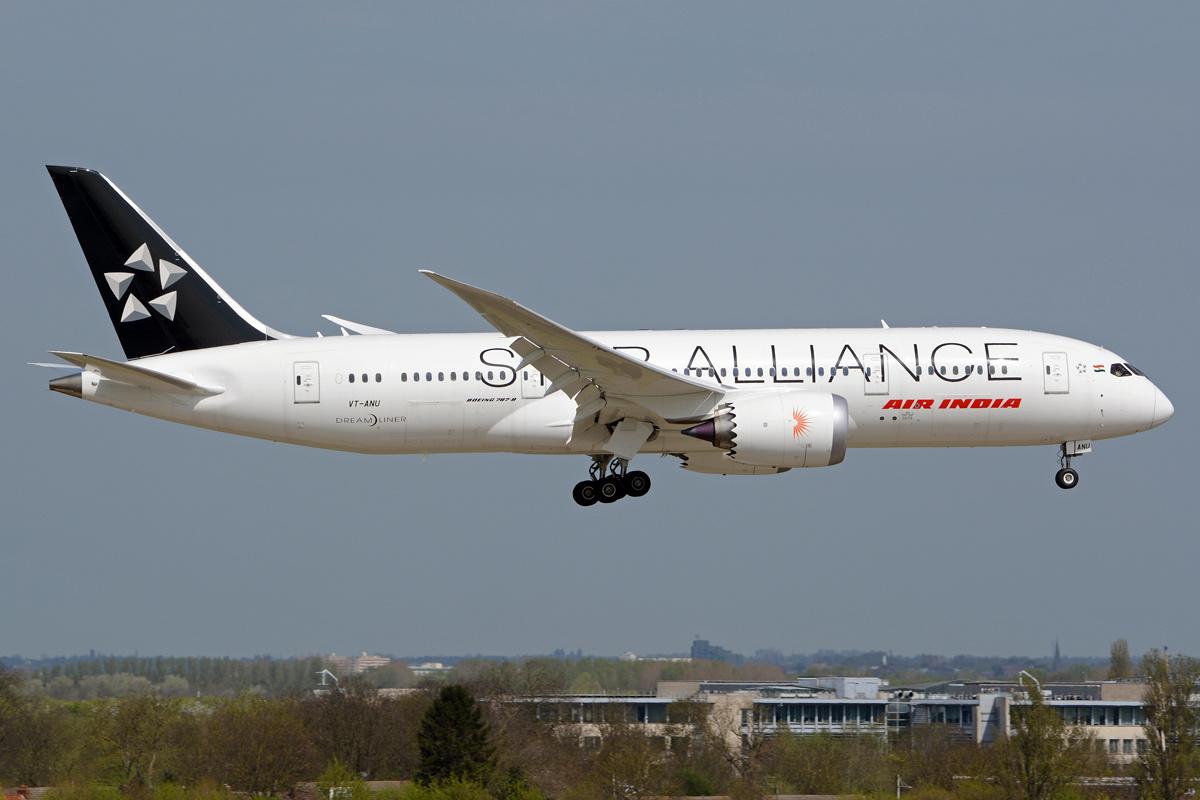
India Tells Supreme Court Draft Final Report on Air India AI-171 Crash Is Two to Three Weeks Away
Solicitor General Tushar Mehta said the AAIB is in the closing stage of its draft final report on the June 2025 Ahmedabad Boeing 787-8 crash, after petitioners flagged a missed October deadline.

American Airlines 737 Carrying Senator Ashley Moody Shuts Down Engine, Diverts to Orlando
The crew of Flight AA496 from Tampa to Washington National declared a Mayday after left engine indications and chose Orlando's longer runways and in-house maintenance over a return to Tampa.
The Daily Touch & Go
The day's best aviation news in your inbox. Free, no spam.