

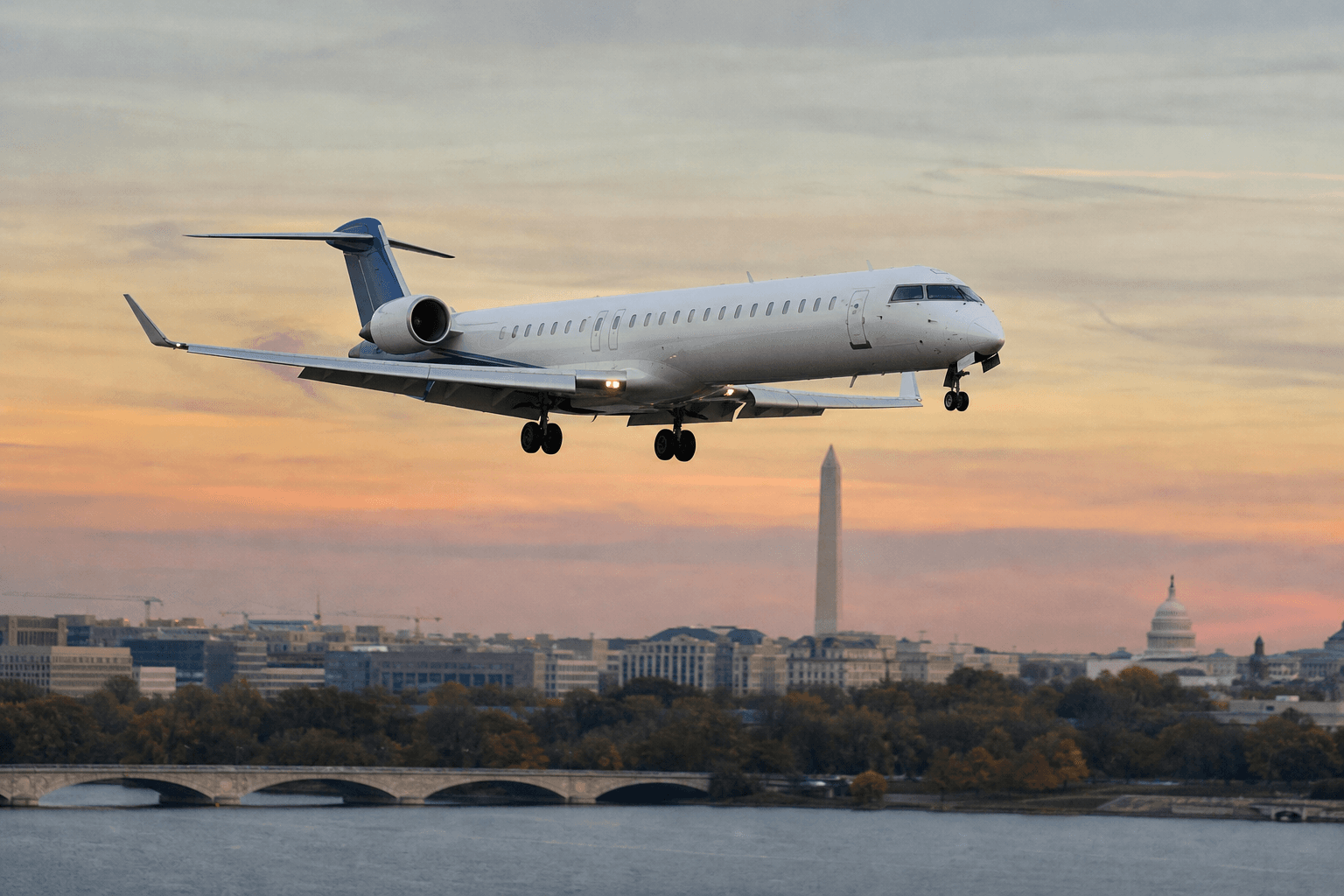
AI-generated illustration
Regulatory
Lawmakers Strike Deal to Require ADS-B in on Civil Aircraft After Potomac Midair Collision
Senators announced an agreement in principle to mandate traffic-receiving equipment on civilian aircraft already required to carry ADS-B Out, though rules for military aircraft remain unsettled.
The gist
Congress has a tentative deal to require ADS-B In on civil aircraft flying where ADS-B Out is mandatory, prompted by the deadly DCA collision.
Continuing coverage
All Faa →- American Airlines 737 Carrying Senator Ashley Moody Shuts Down Engine, Diverts to Orlando
- UPS 767 and Copa 737 Collide on Intersecting Taxiways at Miami International
- United's Kirby Calls ATC Meltdown a Call to Action as JetBlue and American Absorb the Most Cancellations
- FAA Orders Inspections of 60 US Boeing 787s Over Fuel Tank Sealant Defects Linked to Lightning Risk
- FAA Issues Second Ever Nationwide Ground Stop After ARTCC Communication Failure
US lawmakers on November 17, 2026, reached an agreement in principle to require civilian aircraft that already must carry ADS-B Out to also install equipment that shows pilots nearby traffic. The measure is part of aviation safety legislation written in response to the January 2025 midair collision between an American Airlines regional jet and a US Army Black Hawk helicopter near Washington, DC. How the requirement would apply to military aircraft has not been resolved.
Senators announced the deal at a Capitol event organized by families of those killed in the crash. Republican Sen. Ted Cruz of Texas said he hoped Congress would pass the legislation before the end of the year. The agreement is not yet law. The House and Senate each passed their own safety bills, and negotiators must still produce a single version that both chambers approve.
The proposal turns on Automatic Dependent Surveillance-Broadcast In, known as ADS-B In, which lets an aircraft receive position data broadcast by surrounding traffic. The Federal Aviation Administration already requires ADS-B Out, which transmits an aircraft's own position, across much of US controlled airspace. The agency has never mandated the receiving side of the system. Under the deal, airliners, business aircraft and general aviation aircraft operating where ADS-B Out is required would have to add ADS-B In.
The approach stops short of a blanket mandate. Aircraft that operate legally without ADS-B Out, such as a vintage light airplane or a hot-air balloon, would not automatically have to install ADS-B In. The Senate-passed ROTOR Act sets an equipage deadline of December 31, 2031. It also allows lower-cost options, including portable receivers, for aircraft under Part 91, the rules covering most private flying, with a maximum certificated takeoff weight below 12,500 pounds. The FAA would decide which equipment qualifies.
The collision that prompted the legislation occurred on January 29, 2025, over the Potomac River near Ronald Reagan Washington National Airport. American Airlines Flight 5342, a CRJ700 operated by PSA Airlines, struck the Army Black Hawk, killing all 64 people aboard the jet and the three soldiers aboard the helicopter.
The National Transportation Safety Board found that failures in airspace design, oversight and risk management by both the FAA and the Army contributed to the crash. Helicopter routes in the area allowed rotorcraft to pass beneath an active airline approach corridor without adequate separation. Investigators said repeated close encounters in that airspace had not led to sufficient corrective action.
The board also looked at whether better cockpit traffic information could have helped the two crews see each other. An NTSB simulation found that an ADS-B-based alerting system could have warned the airliner's pilots about the helicopter 59 seconds before impact, with a second warning 35 seconds before the collision. The jet's traffic alert and collision avoidance system worked as designed, but altitude restrictions built into it prevented it from issuing resolution advisories, the commands that tell pilots how to maneuver away from a threat.
The NTSB has urged the FAA to require ADS-B In so pilots can detect conflicts they might otherwise miss. That was one of 50 recommendations the board issued after its investigation, spanning helicopter routes, air traffic control procedures, safety oversight and collision avoidance equipment.
Originally reported by AeroTime
Read more
All Regulatory →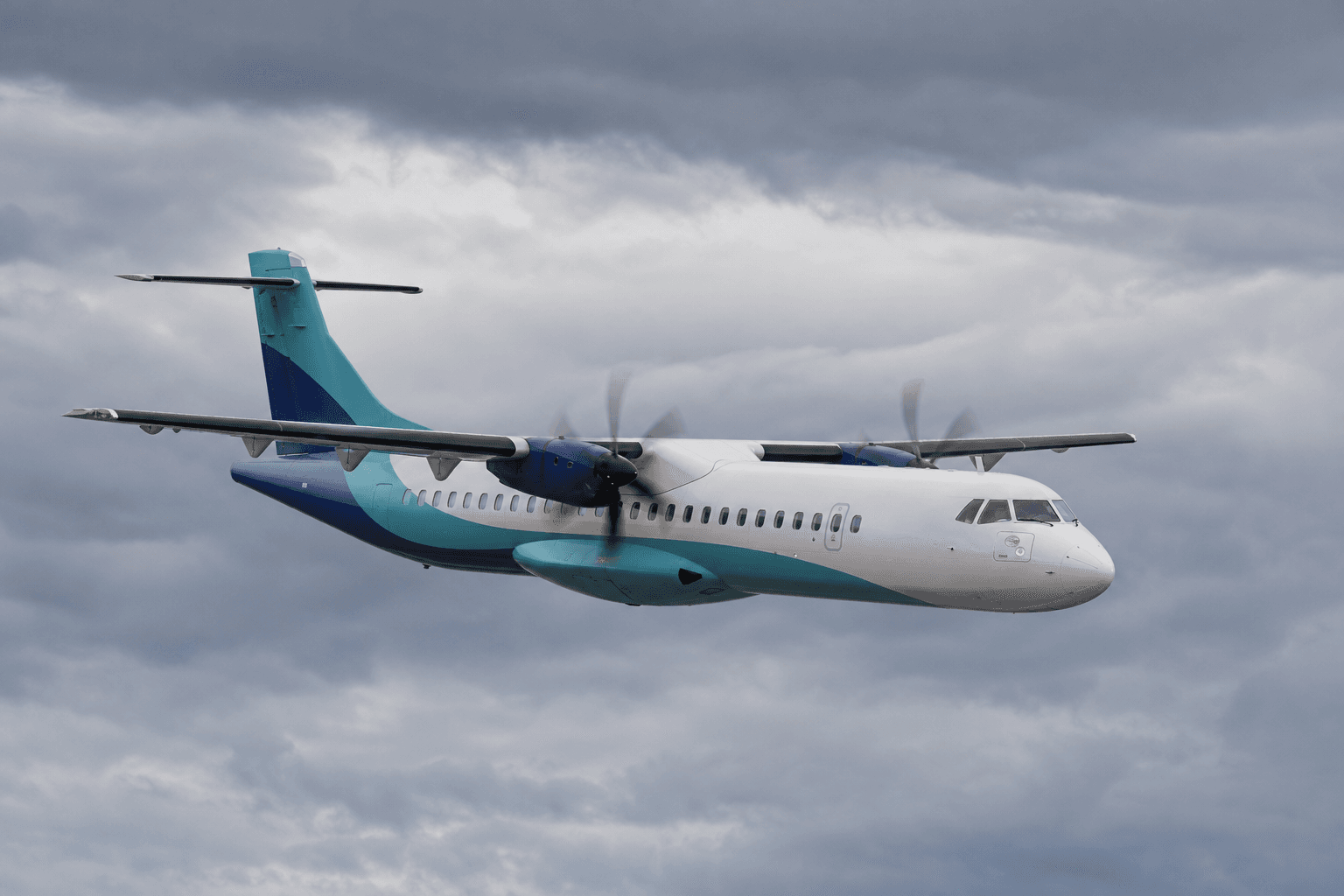
EASA Orders More Frequent ATR 42 and ATR 72 De-Icing Valve Tests to Guard Against Loss of Control
A new airworthiness directive shortens functional test intervals for hot-air valves in the de-icing system on all ATR 42 and ATR 72 turboprops, effective November 30.
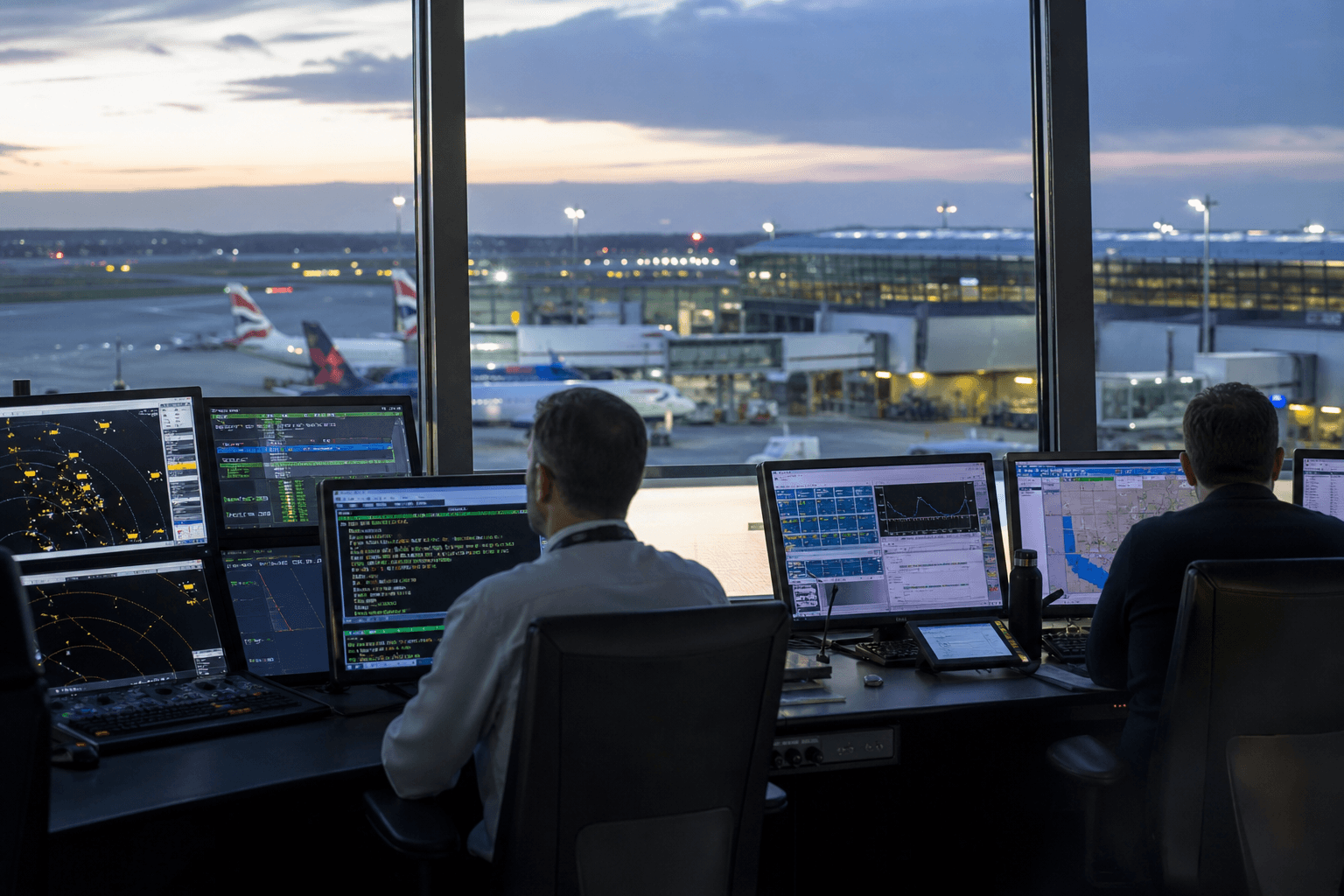
UK CAA Chief Says Cyberattacks, Drones and Bomb Hoaxes Form a Known Playbook Against Aviation
Rob Bishton told an industry audience in London that hybrid tactics targeting airlines are expected, and contrasted the UK's proportionate response to recent bomb hoaxes with more cautious European approaches.
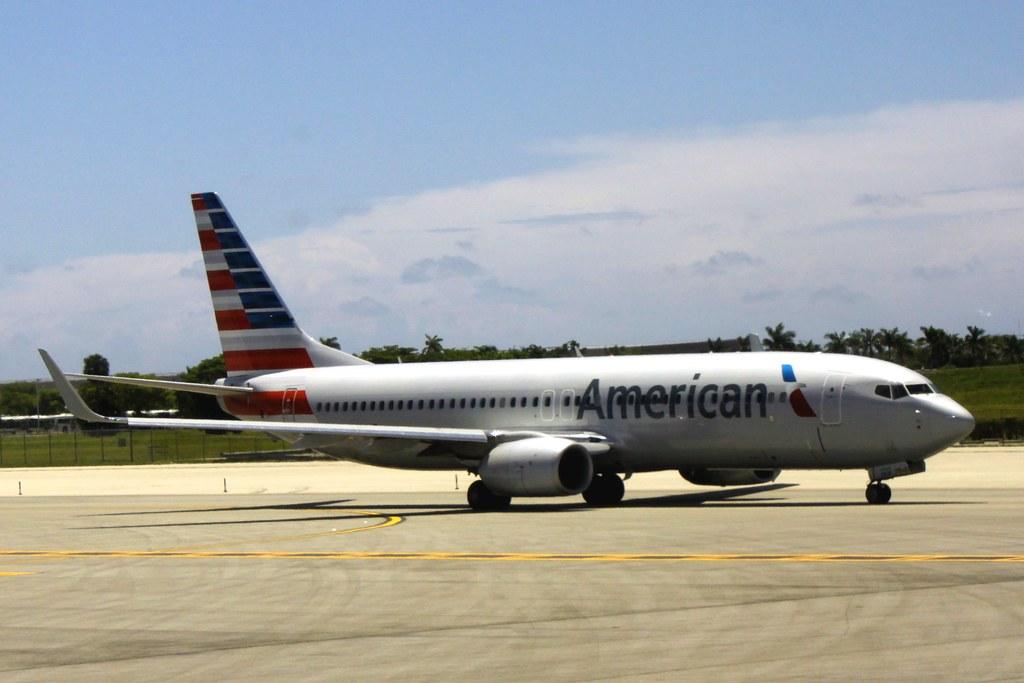
American Airlines 737 Carrying Senator Ashley Moody Shuts Down Engine, Diverts to Orlando
The crew of Flight AA496 from Tampa to Washington National declared a Mayday after left engine indications and chose Orlando's longer runways and in-house maintenance over a return to Tampa.
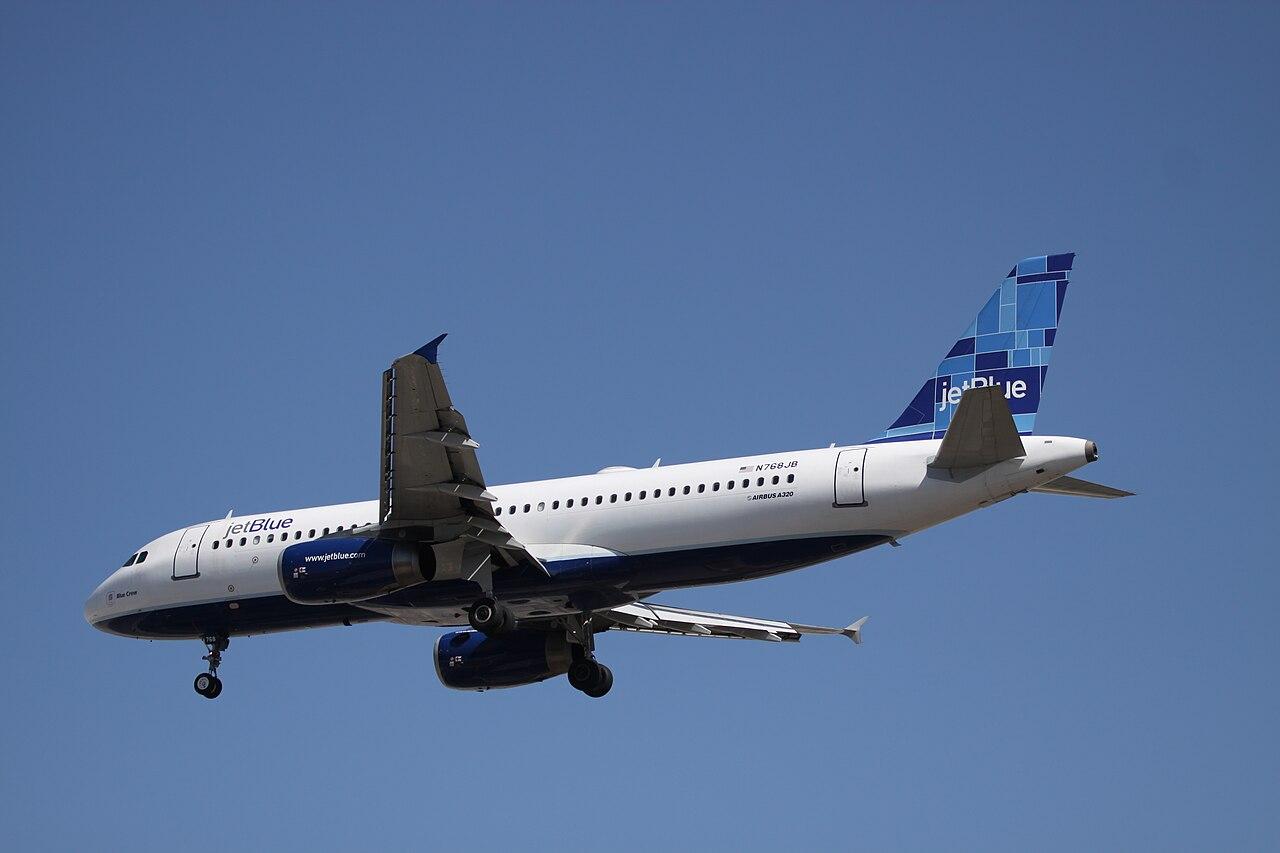
Five Hurt as JetBlue A320 From Ponce Hits Severe Turbulence Before Fort Lauderdale Landing
JetBlue Flight 1717 landed safely at Fort Lauderdale-Hollywood International after a turbulence encounter that left five passengers and crew needing medical evaluation, none of whom went to a hospital.
The Daily Touch & Go
The day's best aviation news in your inbox. Free, no spam.