

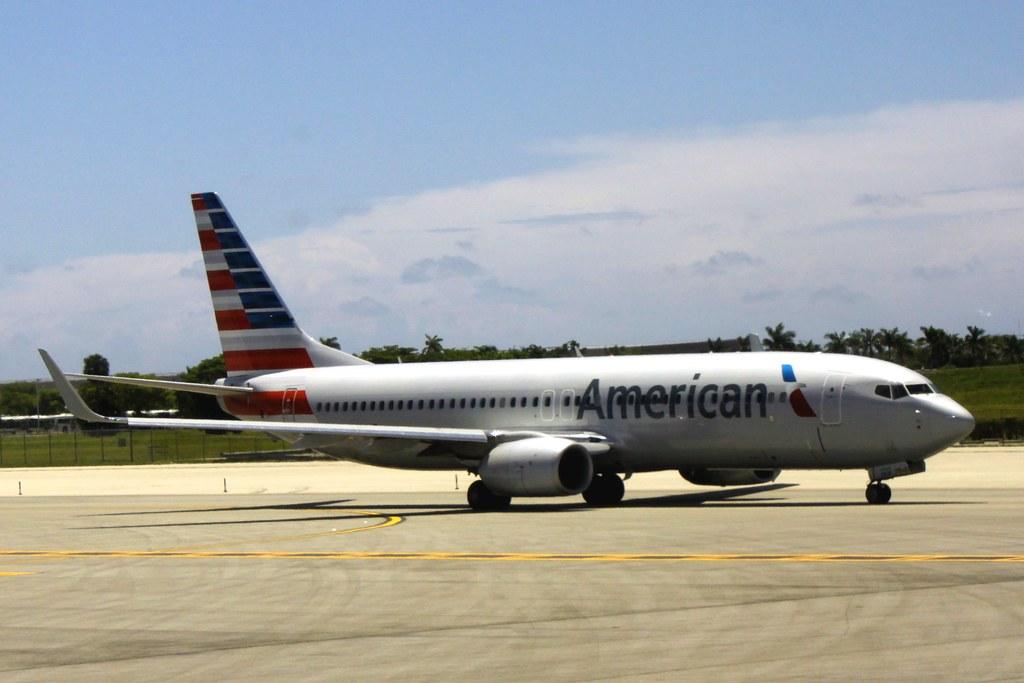
Image: Prayitno / Thank you for (12 millions +) view · CC BY 2.0 · via Wikimedia Commons
Aviation Safety
American Airlines 737 Carrying Senator Ashley Moody Shuts Down Engine, Diverts to Orlando
The crew of Flight AA496 from Tampa to Washington National declared a Mayday after left engine indications and chose Orlando's longer runways and in-house maintenance over a return to Tampa.
The gist
An American 737-800 with Senator Ashley Moody aboard shut down an engine after leaving Tampa and landed safely in Orlando; the FAA is investigating.
Continuing coverage
All Faa →- Lawmakers Strike Deal to Require ADS-B in on Civil Aircraft After Potomac Midair Collision
- UPS 767 and Copa 737 Collide on Intersecting Taxiways at Miami International
- United's Kirby Calls ATC Meltdown a Call to Action as JetBlue and American Absorb the Most Cancellations
- FAA Orders Inspections of 60 US Boeing 787s Over Fuel Tank Sealant Defects Linked to Lightning Risk
- FAA Issues Second Ever Nationwide Ground Stop After ARTCC Communication Failure
An American Airlines Boeing 737-800 carrying US Senator Ashley Moody landed safely at Orlando International Airport on Monday, November 16, after its pilots declared a Mayday and shut down the left engine shortly after departing Tampa. Flight AA496 was bound for Ronald Reagan Washington National Airport with 178 people aboard. The Federal Aviation Administration confirmed it has opened an investigation. The cause of the engine problem has not been determined.
The aircraft, a 2013-built 737-800 registered N924NN, left Tampa International Airport at about 1:57 PM Eastern Time for the roughly 815-mile (1,312 km) trip to Washington. While climbing through 9,300 feet, the crew reported abnormal indications from the left CFM56 engine and asked to level off at 10,000 feet. The pilots worked through their checklists and concluded the engine needed to be shut down. About three minutes after the first report, they declared an emergency and told air traffic control they were securing the left engine.
According to air traffic control recordings, the crew asked for vectors toward Orlando and one of its longer runways. The controller offered a return to Tampa, but the pilots kept their request for Orlando. The jet held at 9,700 feet for about 17 minutes while the crew completed its procedures. It touched down on Orlando's Runway 36L at approximately 2:44 PM, after 47 minutes in the air.
Orlando sits about 81 miles (130 km) east of Tampa, so the diversion took the 737 farther from its departure airport rather than back to it. The pilots cited two reasons in their exchange with controllers: runway length and access to American's own maintenance. Orlando has four runways, two of them longer than 12,000 feet, including the 12,004-foot Runway 36L that AA496 used. Tampa's longest runway, 1L/19R, measures 11,002 feet, giving the crew roughly 1,000 extra feet at Orlando. Longer runways provide more stopping margin in an abnormal landing, though a single-engine shutdown does not by itself raise the required landing distance.
Maintenance support was the other factor. Orlando's June 2026 airline services directory shows American performs its own line maintenance at the airport, while at Tampa the carrier relies on third-party providers. Having company technicians on hand to inspect and repair the aircraft generally shortens the time before it can fly again. American sent a second 737-800, N917NN, to carry passengers onward, and that aircraft reached Washington at about 7:20 PM.
Continuing to Washington on one engine was never on the table. Under 14 CFR 121.565, when an engine fails or is shut down to prevent possible damage, the pilot in command must land at the nearest suitable airport in terms of time. The rule gives extra latitude to aircraft with three or more engines, but not to twins such as the 737-800. Suitability is not judged by distance alone; crews weigh runway availability, aircraft performance, weather, terrain and the ability to land safely. The regulation also requires pilots to report an in-flight shutdown and keep controllers informed until landing.
Moody flew to Washington on the replacement aircraft but arrived after the Senate had finished voting Monday evening. She is not the first federal official to face an in-flight emergency this year. In May, Representative Tracey Mann was aboard an American Eagle regional jet that made an emergency landing in Kansas City after smoke was reported in the cabin. In September, a Coast Guard aircraft carrying Homeland Security Secretary Markwayne Mullin suffered an engine failure and landed safely at Washington Reagan National Airport.
Originally reported by Simple Flying
Read more
All Aviation Safety →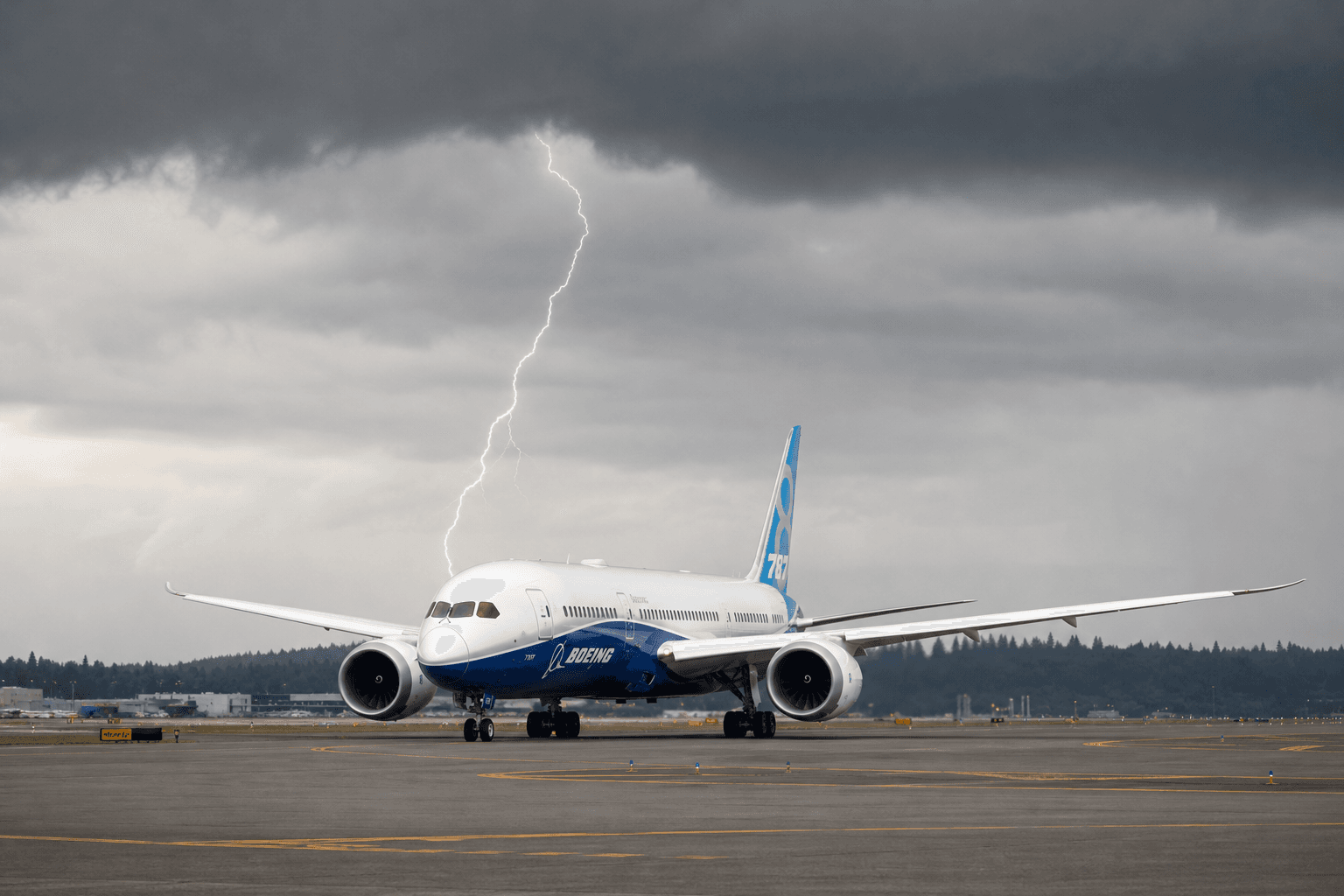
FAA Orders Inspections of 60 US Boeing 787s Over Fuel Tank Sealant Defects Linked to Lightning Risk
A new airworthiness directive targets specific 787-8, 787-9 and 787-10 Dreamliners whose fuel tank sealant flaws could let a lightning strike produce an ignition spark.

FAA Issues Second Ever Nationwide Ground Stop After ARTCC Communication Failure
FAA halts departures at all U.S. airports due to communication issues affecting Air Route Traffic Control Centers, with technicians investigating the cause.
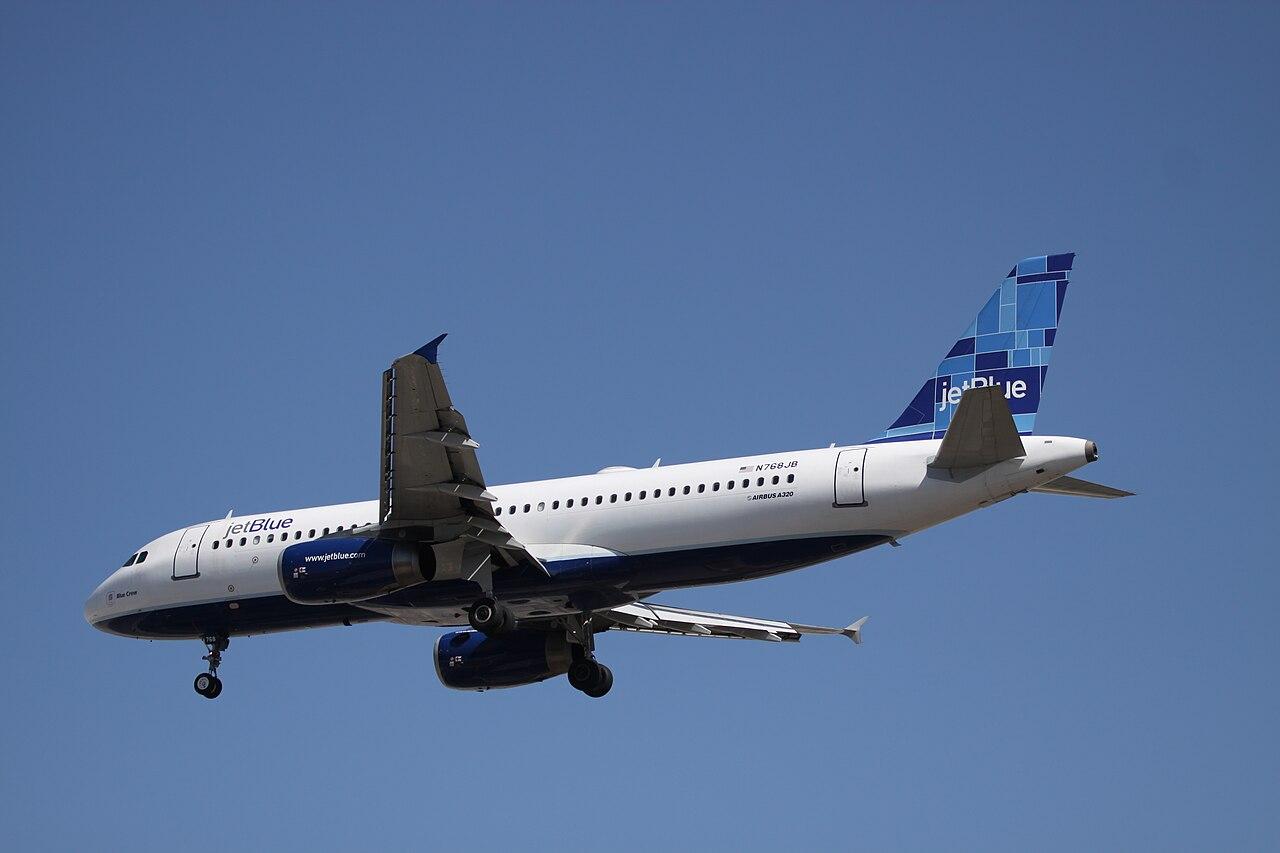
Five Hurt as JetBlue A320 From Ponce Hits Severe Turbulence Before Fort Lauderdale Landing
JetBlue Flight 1717 landed safely at Fort Lauderdale-Hollywood International after a turbulence encounter that left five passengers and crew needing medical evaluation, none of whom went to a hospital.
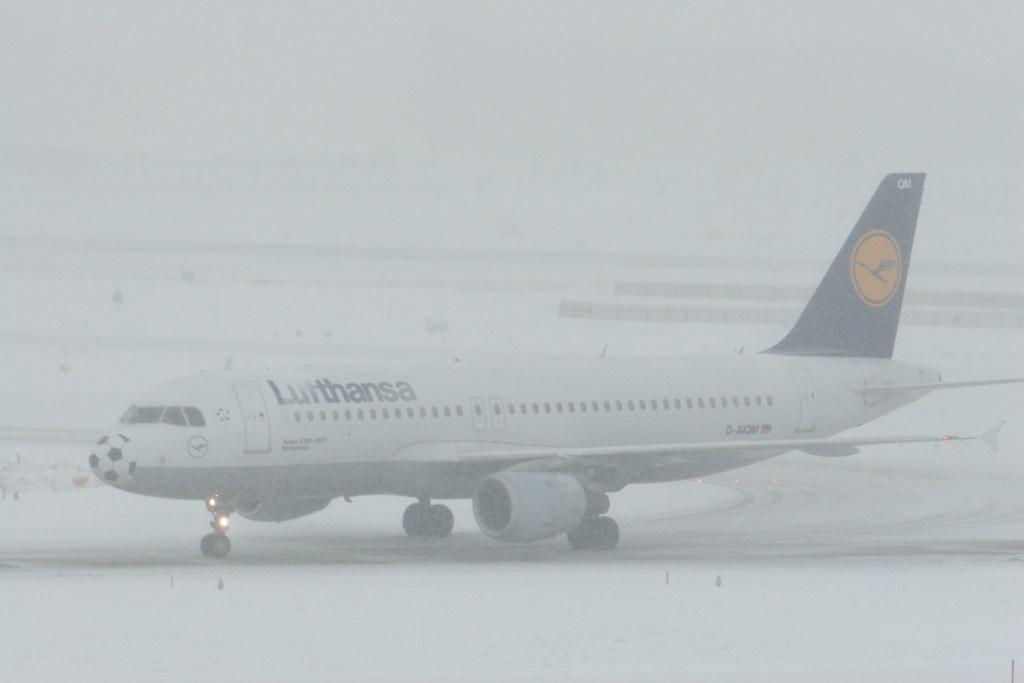
Lufthansa Tel Aviv-Frankfurt Flight Diverts to Belgrade After Flight Attendant Goes Into Anaphylactic Shock
A passenger who works as an intensive care doctor gave epinephrine from the on-board medical kit after an EpiPen misfired, and Lufthansa flight LH-687 landed in Belgrade.
The Daily Touch & Go
The day's best aviation news in your inbox. Free, no spam.