

Illustration: The Touch & Go
Qantas Freight Starts Operational Trials at Western Sydney International Airport
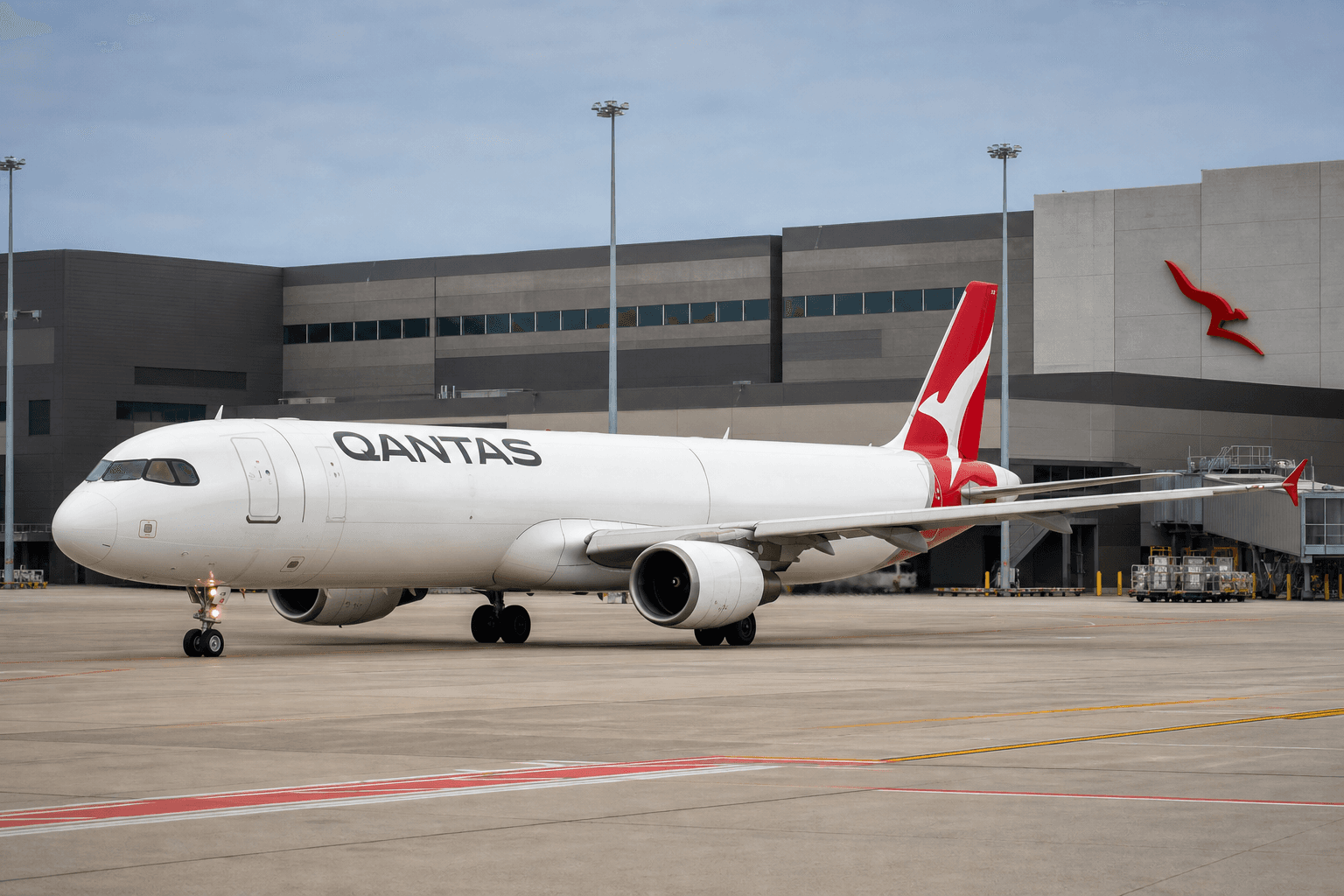
Qantas Freight's Airbus A321 cargo plane has completed the first trial landing at Western Sydney International Airport's new Cargo Precinct ahead of regular operations starting July 27.
The gist
Qantas Freight successfully completed the first cargo flight trial at Western Sydney International Airport, advancing its new freight hub's readiness.
Western Sydney International Airport (WSI), officially named Nancy-Bird Walton Airport, reached a key milestone with Qantas Freight operating the inaugural cargo flight trial. An Airbus A321 freighter touched down smoothly at 2:00 pm, carrying out flight QF7301 to validate the new airport’s cargo handling capabilities. This readiness flight was designed to critically test aircraft handling, ground operations, systems integration, airside coordination, and cargo transfer processes within the recently completed Cargo Precinct.
The trial aircraft’s arrival marked an important operational checkpoint. Ground teams used the landing to run through procedures vital for safe and efficient freight handling at the airport. All aspects of the cargo precinct functioned as intended, paving the way for full-scale freight operations to commence on 27 July. This progress signals the airport’s transition from construction and testing phases into active service.
Qantas Freight, Australia’s leading air cargo carrier, will operate from a 24,000 square metre terminal housing advanced freight technology. This state-of-the-art Cargo Precinct is designed to boost efficiency through automation and integrated systems, supporting 24-hour operations. It aims to handle over 850 tonnes of freight weekly, accommodating surging demand driven by growth in e-commerce and time-sensitive shipments such as pharmaceuticals and perishables.
According to Igor Kwiatkowski, Qantas Freight’s Executive Manager, the trial flight was a pivotal step in ensuring the airport’s readiness to serve as a major freight hub. He highlighted WSI’s strategic role in expanding Sydney’s air cargo capacity and enhancing the flexibility of the national freight network. The facility’s around-the-clock operation will improve delivery speed and reliability for time-critical supplies across Australia and overseas.
Western Sydney International Airport’s CEO, Simon Hickey, praised the collaborative efforts involved in launching the trial. He emphasized that leveraging cutting-edge technology and extensive stakeholder coordination—including with Air Services Australia and cargo partners—was essential to delivering a sustainable, future-proof freight precinct. The successful test operations confirm WSI’s preparedness to support complex air freight logistics safely and efficiently.
This freight milestone complements the airport’s broader operational rollout, with passenger flights scheduled to launch shortly after cargo services. Jetstar is set to inaugurate passenger operations on 25 October 2026, followed by Qantas passenger flights starting 28 March 2027. These phased openings reflect a carefully coordinated strategy to integrate passenger and cargo services at WSI, enhancing western Sydney’s connectivity domestically and internationally.
WSI’s new freight hub addresses critical capacity constraints facing Sydney’s existing airports. By providing a dedicated, modern cargo precinct, it eases pressure on current infrastructure and expedites domestic and international supply chains. This benefits a wide range of industries reliant on air freight for vital or perishable goods, supporting economic growth and supply chain resilience within the region.
The airport’s rigorous testing of operational processes during the trial flight also reinforces its commitment to safety and reliability. Ensuring seamless cargo operations mitigates risks and builds confidence among airlines and logistics partners ahead of commercial service commencement. This comprehensive readiness initiative lays a solid foundation for the airport’s freight activities.
As Qantas Freight prepares for regular operations from WSI, the trial flight symbolizes the start of a new era in Australia’s air cargo landscape. The combination of advanced infrastructure, robust partnerships, and strategic planning positions Western Sydney International Airport as a cornerstone in the national freight network with benefits expected to accelerate economic opportunities locally and nationally.
Frequently asked questions
- When did Qantas Freight conduct the first cargo flight trial at Western Sydney International Airport?
- The first cargo flight trial by Qantas Freight took place on 13 July 2026 with flight QF7301 landing at 2:00 pm.
- What is the capacity of the new cargo terminal at Western Sydney International Airport?
- The new 24,000 square metre Cargo Precinct is expected to handle over 850 tonnes of freight each week starting from regular operations on 27 July 2026.
- When will regular freighter operations begin at Western Sydney International Airport?
- Regular domestic freighter operations at Western Sydney International Airport will begin on 27 July 2026 following the successful operational trials.
Read more
All Aviation Safety →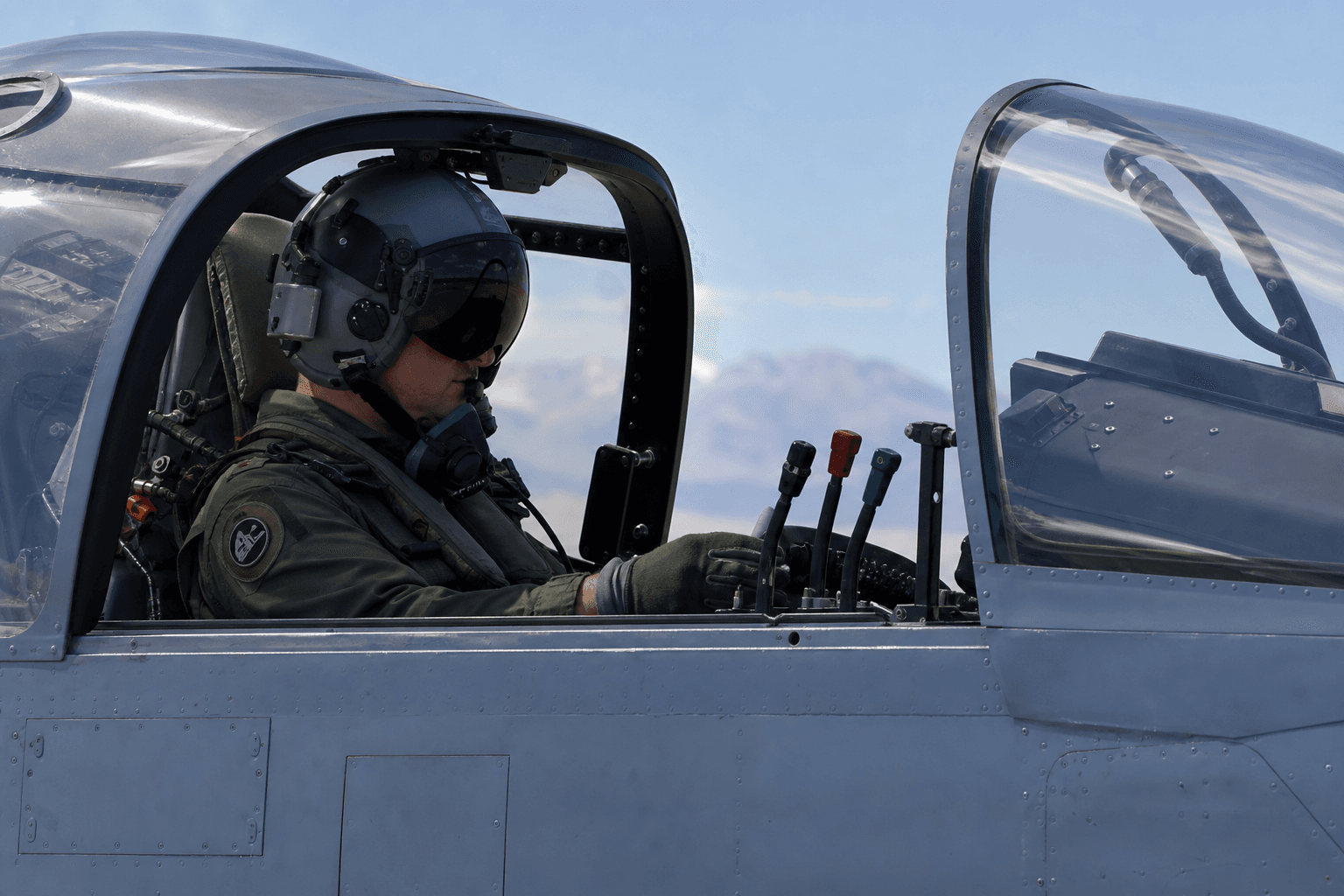
Fuel Valve Design Confusion Leads to $17.9M Loss of Air Force OA-1K Skyraider II
The official US Air Force Accident Investigation Board has released its report of the first mishap involving the Air Force Special Operations Command's new 'attack tractor.' The crash was caused by erroneous control input of a student pilot during their first time at the controls of the L3Harris OA-1K Skyraider II. It all came down to the difference between a silver handle located a few inches away from a red handle inside the cockpit.
Royal Canadian Air Force expands CC-295 Kingfisher search and rescue fleet with new base in Winnipeg
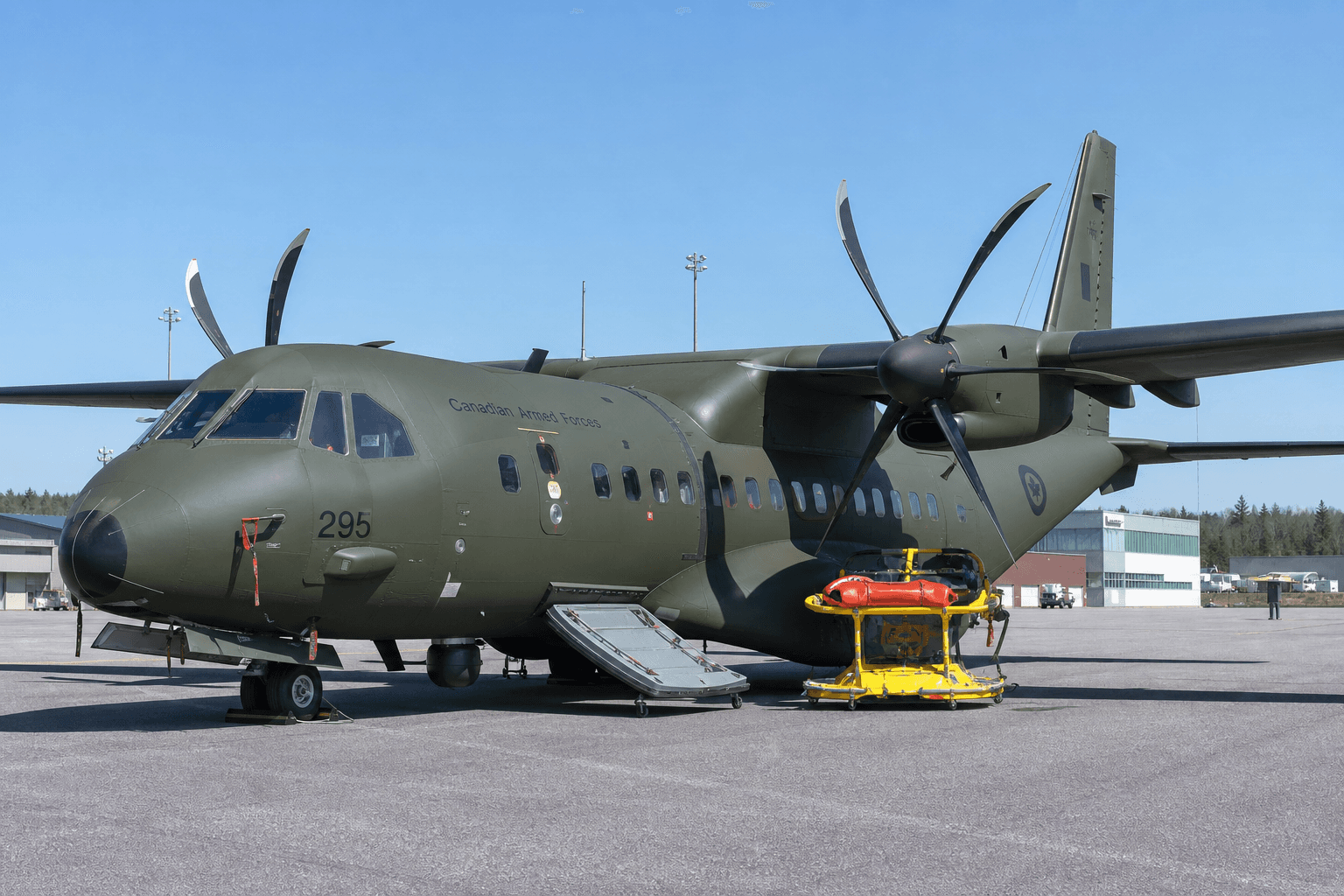
The Royal Canadian Air Force is replacing its legacy search and rescue transports with new Airbus twin-turboprops. The Royal Canadian Air Force (RCAF) is continuing to expand its use of the Airbus Defence & Space C295 transport for search and rescue (SAR) missions. Locally designated the CC-295 Kingfisher, Ottawa signed a contract for 16 C295s in 2016 under a project to replace the legacy model Lockheed Martin C-130H and De Havilland Canada DHC-5, respectively designated as the CC-130H Hercules and CC-115 Buffalo by the RCAF. The CC-115 was retired from service in 2022, while five C-130Hs have also been withdrawn, leaving another five still operated by the RCAF. Canada’s first CC-295 was delivered to 19 Wing in Comox, British Columbia, in 2020, but evaluation flights and delays in certifying flightcrews, maintainers and instructor pilots pushed back the start of frontline service until May 2025. Comox was the first operating base, with 14 Wing Greenwood in Nova Scotia becoming the second in January 2026. Now the roster of Kingfisher hubs is expanding again. On 10 July, the service said the first CC-295 has arrived at 17 Wing in Winnipeg, Manitoba, one of the four bases from which the RCAF’s fixed-wing search and rescue aircraft operate. The turboprop was ferried to CFB Winnepeg in June. “This marks the latest step in the RCAF's implementation of the CC-295 capability across Canada,” the service says. The Manitoba-based 435 Transport and Rescue Squadron is currently flying C-130H in both military airlift and rescue roles. Ottawa says the squadron will now begin the process of transitioning to the CC-295 for the SAR mission, a milestone expected later this year. Additional C295s will be stationed at CFB Trenton in southern Ontario – rounding out the RCAF search and rescue modernisation. The Kingfisher fleet is set to achieve full operational capability by 2030. Although offering lower range and endurance than the C-130s they replace, the SAR-configured C295s provide significant improvement in the form of modern sensors. These include the Collins Aerospace Enhanced Vision System sensor, which is located just above the nose to improve pilot situational awareness in low-visibility conditions. A rotating L3Harris Wescam MX-15 electro-optical/infrared camera is also mounted below the nose, allowing for airborne systems operators to search for targets while in flight. Each aircraft also features an Elta Systems ELM-2022A active electronically scanned array maritime patrol radar and datalink for sharing sensor data with other aircraft like the Leonardo Helicopters CH-149 Cormorant. Data from the various sensors is displayed on an Airbus Fully Integrated Tactical System housed behind the cockpit. The RCAF also requested a number of Canada-specific airframe modifications for its C295 fleet, including an emergency egress hatch above the cockpit for water landings, a head-up display and fuselage sponsons located over the landing gear that allow for increased fuel capacity and improved range.
Frontier Airlines Faces Data Breach Investigation Amid Cybersecurity Concerns
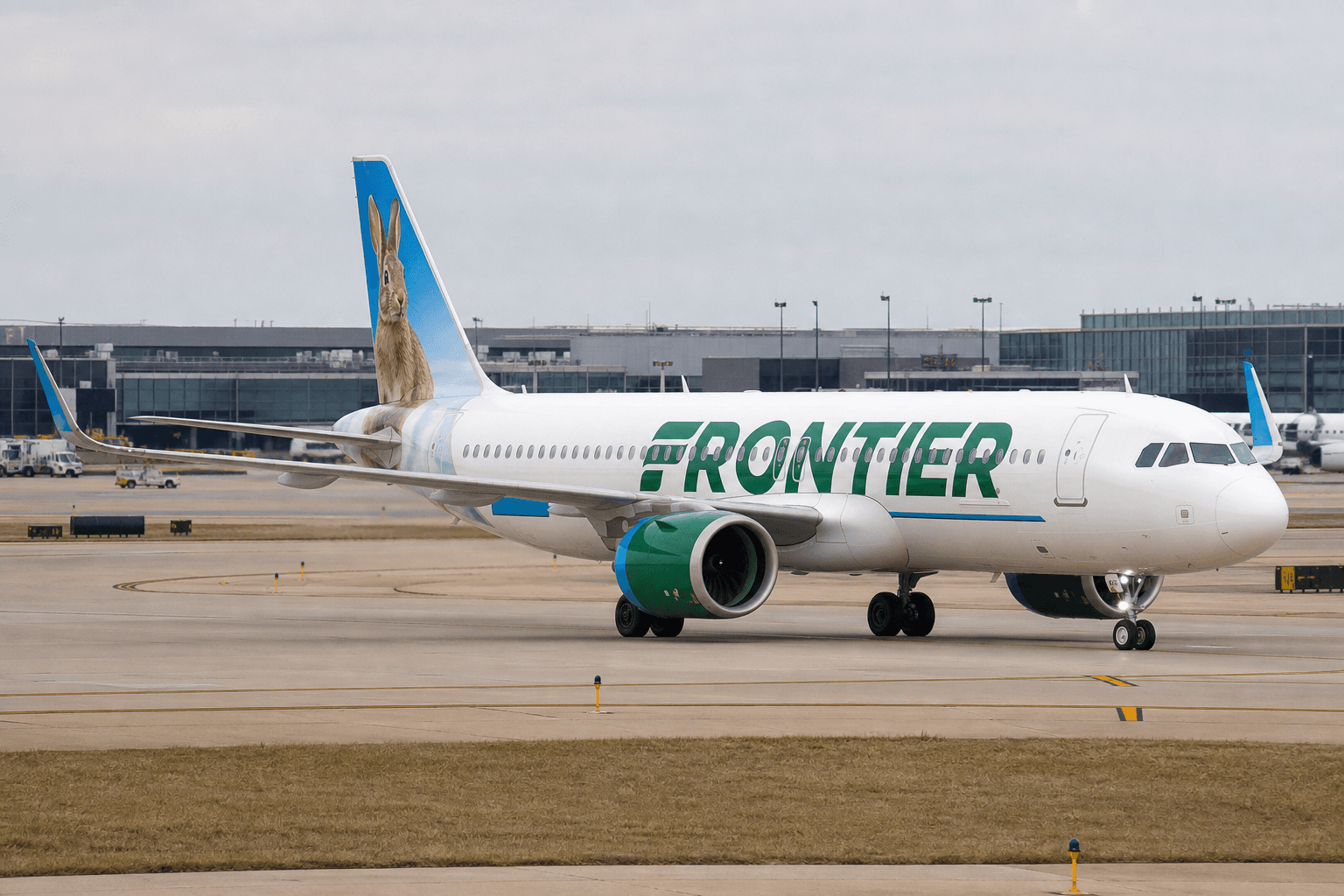
Lawyers are already searching for potential victims in a data breach at Frontier Airlines after the Denver-based ultra-low-cost carrier disclosed a potential cybersecurity incident to the Vermont Attorney General late last week. So far, Frontier Airlines has not provided any specific details about the nature of the data breach, including how many customers may have been affected, and what data has been compromised. That lack of information, however, has not stopped national class action law firm Edelson Lechtzin LLP from opening its own investigation into the data breach with a view to potentially suing Frontier for failing to keep its customers’ data secure. A slew of international airlines have been hit by cybersecurity incidents in the last couple of years, the majority of which were linked to a third-party customer service IT platform that was used by numerous high-profile companies. Two of the airlines affected by this widespread breach were Air France and KLM Royal Dutch Airlines, which informed customers last August that anyone who had recently been in touch with their customer service departments could have had their personal data compromised, including their full name, contact details, and frequent flyer status, and the subject line of service request emails. Australian flag carrier had earlier announced that it was also caught up in the same data breach of the software supplied by the US-based company Salesforce. In all of these recent cases, the hackers are not believed to have accessed data such as credit card information or passport numbers, but privacy experts have warned that the stolen data could still be used in a sophisticated identity theft scam. The hack attacks occurred at a time that the entire airline industry was put on alert to the threat posed by international hacking groups, including the infamous Scattered Spider group. Rather than using computer code to hack computer systems, Scattered Spider often uses 'social engineering' to gain access to restricted databases, convincing IT helpdesks to grant them access to sensitive computer systems by pretending they are a real employee who has been locked out of their account. Other airline victims of recent data breaches include Hawaiian Airlines and WestJet. While all of these attacks didn’t have any operational impact, last September, a major cyber attack took down check-in systems at several European Airports, including London Heathrow, Berlin Brandenburg, and Brussels Airport. The check-in system was the Collins Rockwell Muse system, which is owned by Collins Aerospace, a US-based aerospace company. It took days for Collins Aerospace engineers to fix the system, leading to hundreds of flight cancellations and delays. In 2024, Seattle-Tacoma International Airport fell victim to a major ransomware attack that took down check-in and baggage handling systems, as well as information display screens across its terminals for days on end. The Port of Seattle later said that a cyber hacker group known as Rhysida was behind the attack and had threatened to release stolen data from the airport onto the dark web unless a ransom was paid. Officials refused to pay the ransom and promised to beef up its IT security to prevent a similar outage in the future. Frontier Airlines did not immediately respond to a request for comment.
Deaf Man Sentenced to 18 Months for Targeting Delta Pilot with Laser Pointer Near Buffalo Airport
A deaf man from Cheektowaga, New York, has been sentenced to 18 months in a federal prison after he pleaded guilty to aiming a laser pointer at the pilot of a Delta Air Lines plane, which was on its final approach to land at Buffalo Niagara International Airport. 31-year-old Joseph L. Crapsi had been fighting the prosecution brought by the Assistant U.S. Attorneys Charles M. Kruly and Craig R. Gestring following an investigation by the Niagara Frontier Transportation Authority Police Department and the FBI. Crapsi’s attorneys had asked the court to suppress evidence that the laser pointer was found in his bedroom and objected to a finding that police had probable cause to arrest him. In the end, however, the court found that the police were within their rights to arrest him, and the laser pointer was used in evidence. The case stemmed from an incident on the night of March 2, 2024, when Delta flight DL-2334 was coming into land. The final approach path saw the jet fly close to Crapsi’s house in Cheektowaga, just a few miles from Buffalo Niagara Airport. Following the incident, the pilot reported the ‘laser strike’ to police, who started making enquiries in the area that the crew said the laser was coming from. One of Crapsi’s neighbors told officers that they saw a laser shining through his window on ‘multiple occasions.’ Given that the laser was seen shining into the sky, the court ruled that this was sufficient to meet the low standard of probable cause. Officers knocked at Crapsi’s address and were invited inside. They went with him to his bedroom, where they noticed a laser pointer ‘in plain sight.’ The laser pointer was seized as evidence, and Crapsi was arrested. Crapsi eventually pleaded guilty to aiming a laser pointer at an aircraft contrary to 18 U.S. Code § 39A, which carries a maximum sentence of five years imprisonment. Late last week, U.S. District Judge Lawrence J. Vilardo sentenced Crapsi to 18 months’ imprisonment. In 2023, there were a record 13,304 laser pointer incidents reported across the United States – an increase of nearly 80% compared to 2016. The number of incidents have, however, slightly decreased in recent years. In 2024, there were 12,840 reported laser incidents, and 10,993 were reported in 2025. So far this year, there have been 3,325 incidents up to the end of June. It was made illegal to aim a laser pointer at aircraft in 2012, following a dramatic rise in the number of incidents being reported by pilots. The Federal Aviation Administration (FAA) reports that the vast majority of laser strikes occur on Fridays and Saturdays, with a noticeable increase in reports during the months of October and November. Laser incidents can temporarily blind and injure pilots. In one incident involving a Virgin Atlantic flight from London to Tel Aviv, Israel, the pilots had to return to London because the pilot’s vision got progressively worse and he was only able to see out of one eye.
The Daily Touch & Go
The day's best aviation news in your inbox. Free, no spam.