

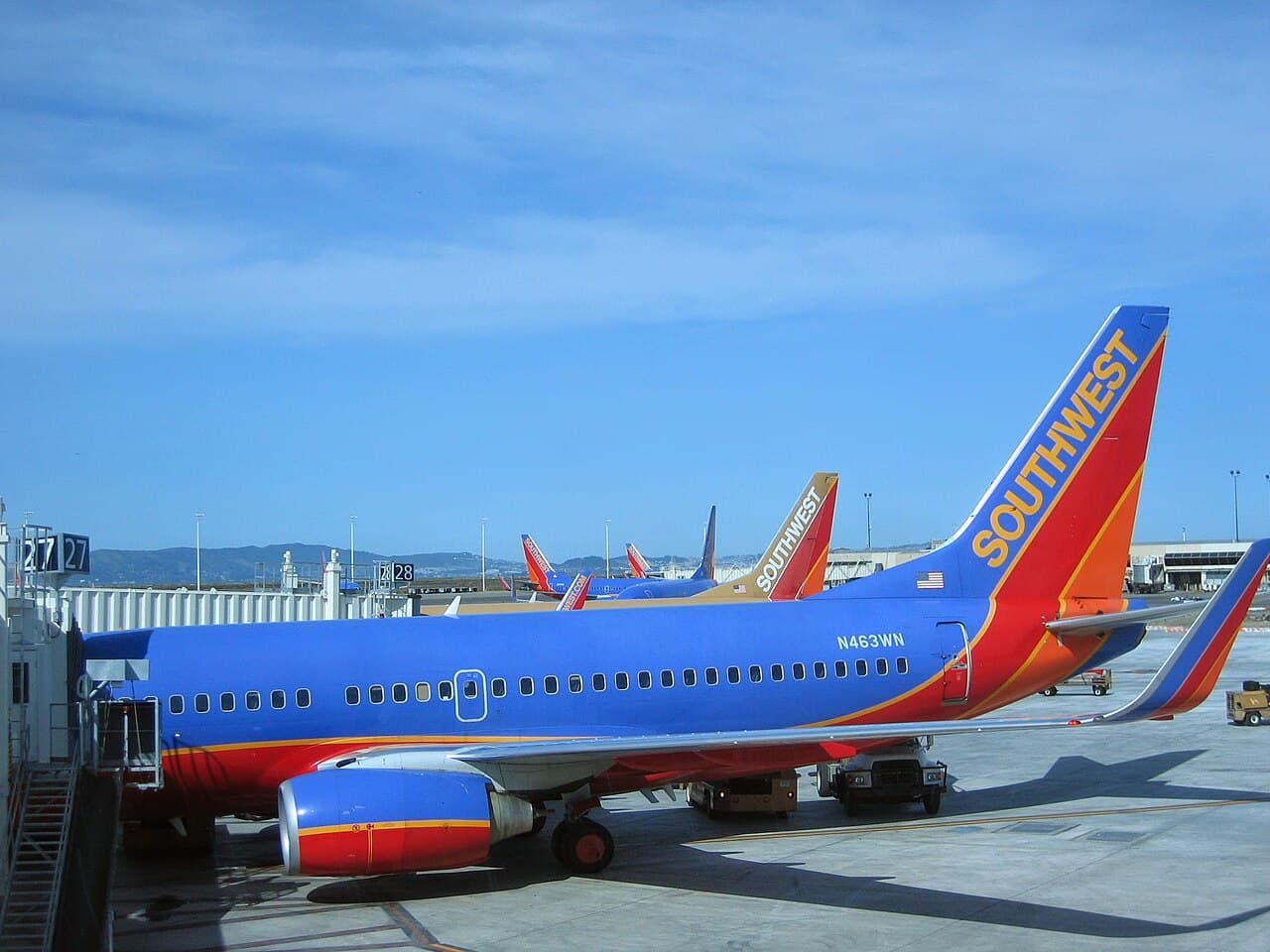
Image: Runner1928 · CC BY-SA 4.0 · via Wikimedia Commons
Southwest Launches Early Morning Reverse Redeye Flight From Las Vegas to Honolulu
Southwest Airlines introduces a 2:45 AM westbound flight from Las Vegas to Honolulu, marking its first reverse redeye schedule to improve aircraft use despite passenger discomfort.
The gist
Southwest’s new 2:45 AM Las Vegas to Honolulu reverse redeye flight boosts aircraft utilization but poses a tough schedule for travelers.
Southwest Airlines is set to debut a notably early morning departure from Las Vegas to Honolulu, leaving at 2:45 AM local time. This marks the carrier's inaugural reverse redeye flight, a westbound overnight service typically uncommon in U.S. domestic operations. Scheduled to land in Honolulu at 6:10 AM Hawaiian time after a 6 hour 25 minute block time, this route represents a significant shift in Southwest's operational strategy, as the airline previously avoided redeye flights altogether until recent years.
The move follows a broader expansion by Southwest in spring 2027, introducing a variety of routes, but the reverse redeye stands out due to its unusual timing and direction. Southwest's choice mirrors an existing Hawaiian Airlines service that departs Las Vegas around 1:55 AM and arrives in Honolulu at 5:25 AM. However, Hawaiian Airlines operates this route with wide-body A330 aircraft featuring first-class flat beds, offering more comfort on similar overnight schedules, while Southwest will use its single-cabin 737 fleet, presenting a different passenger experience.
Such an early departure and extended overnight flight pose challenges for both passengers and crew, potentially impacting comfort and rest. Unlike typical redeyes heading east later in the evening, boarding and pushing back at 2:45 AM means many travelers must be at the airport in the wee hours, a time when most are asleep. Coupled with the early Honolulu arrival, many vacationers may find themselves waiting several hours for hotel check-in, reducing the ease of their trip start and limiting immediate rest upon arrival.
Beyond passenger convenience, this service highlights Southwest's emphasis on maximizing aircraft utilization. Traditionally, aircraft operating between Hawaii and the mainland require overnight parking either in Hawaii or on the mainland, which creates both financial and scheduling inefficiencies. By flying westbound in the early morning and then turning the aircraft promptly for an eastbound morning return flight, Southwest avoids keeping the plane grounded for extended periods, increasing operational productivity without additional planes.
This reverse redeye strategy aligns with Southwest's recent adoption of redeye flights after years of avoiding them. The carrier's evolving schedule aims to compete more effectively with incumbents like Hawaiian Airlines, providing travelers with more flight options while improving fleet efficiency. By enabling early arrivals in Hawaii, Southwest supports passengers who prioritize maximizing their time destination-side despite the unusual flight schedule.
While the flight will serve tourists and leisure travelers primarily, the unconventional timing means it likely appeals to a niche segment willing to sacrifice sleep for maximizing vacation time. Travelers usually prefer morning departures closer to 7 AM, which land by mid-morning and offer a gentler transition to their destination. Southwest’s presentation of this route is pragmatic, focusing on aircraft productivity rather than passenger comfort as the guiding principle.
Southwest’s introduction of this reverse redeye flight underscores a shift in airline operational models where using aircraft more intensively has become critical. The airline has balanced passenger convenience with business realities, meeting increased demand for flights to Hawaii while innovating in scheduling. The 2:45 AM departure from Las Vegas symbolizes how Southwest is expanding its approach to fleet utilization in competitive leisure markets.
This schedule will also affect Southwest's cabin crew operations, requiring adjustments in duty periods and rest time to accommodate the overnight westbound flight. While challenging, these operational changes are part of broader airline efforts to maintain productivity and meet evolving passenger demands. Southwest joins other carriers exploring redeye models to optimize routes that have historically required lengthy aircraft downtime.
Overall, Southwest's new reverse redeye showcases the airline's strategic evolution, pursuing operational efficiency with willingness to experiment on less conventional flight times. Passengers considering this flight must weigh the pros of arriving early in Hawaii against the challenges of an overnight departure. The success and reception of this flight may influence future route planning and redeye offerings from Southwest and other carriers.
Frequently asked questions
- What is Southwest’s new reverse redeye flight?
- Southwest’s new reverse redeye is a 2:45 AM flight from Las Vegas to Honolulu departing early morning, landing at 6:10 AM after about 6 hours and 25 minutes.
- Why is the flight schedule considered unusual or uncomfortable?
- The flight’s 2:45 AM departure is very early, which can disrupt sleep schedules and is tougher on passengers and crew compared to traditional redeyes departing later in the evening.
- How does this route improve Southwest’s operations?
- It enhances aircraft utilization by avoiding overnight parking and allowing quick turnaround flights between Las Vegas and Honolulu without needing extra planes overnighted.
Read more
All Airports →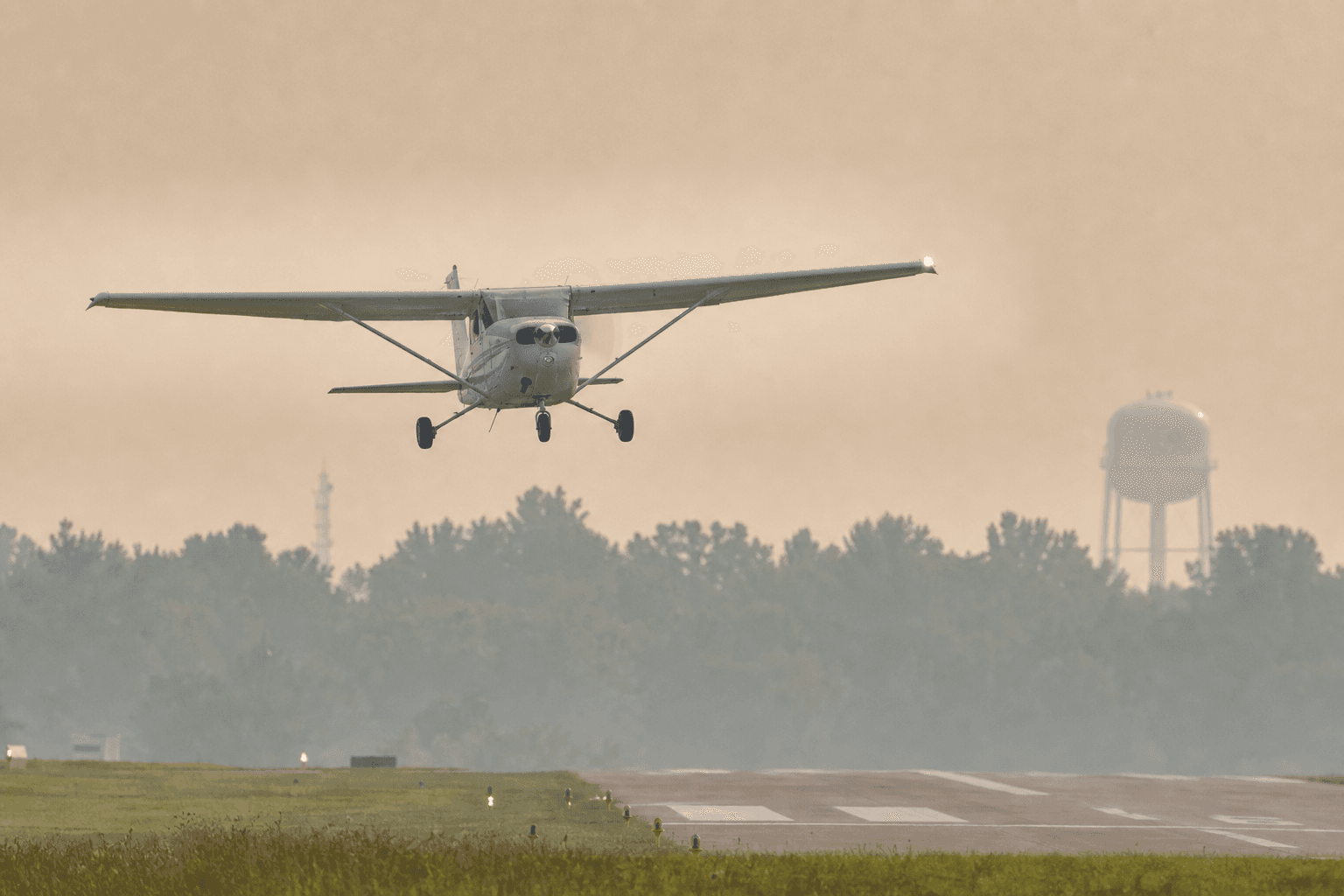
Wildfire Smoke Forces Instrument-Only Arrivals at Oshkosh Ahead of AirVenture
Wildfire smoke reduced visibility at Wittman Regional Airport on Thursday, limiting the airport to instrument operations and prompting some pilots to delay their arrivals ahead of EAA AirVenture Oshkosh . "Pilots will do their flight planning on to what their minimums are, what they feel comfortable with, and then plan accordingly before making their flight here to AirVenture," EAA communications director Dick Knapinski told WBAY. EAA said it was monitoring whether the smoke would affect attendance and advised visitors to make their own health decisions if the haze continues. AirVenture is scheduled for July 20-26.
United Airlines Restarts Four Former Routes From Newark Hub Starting September
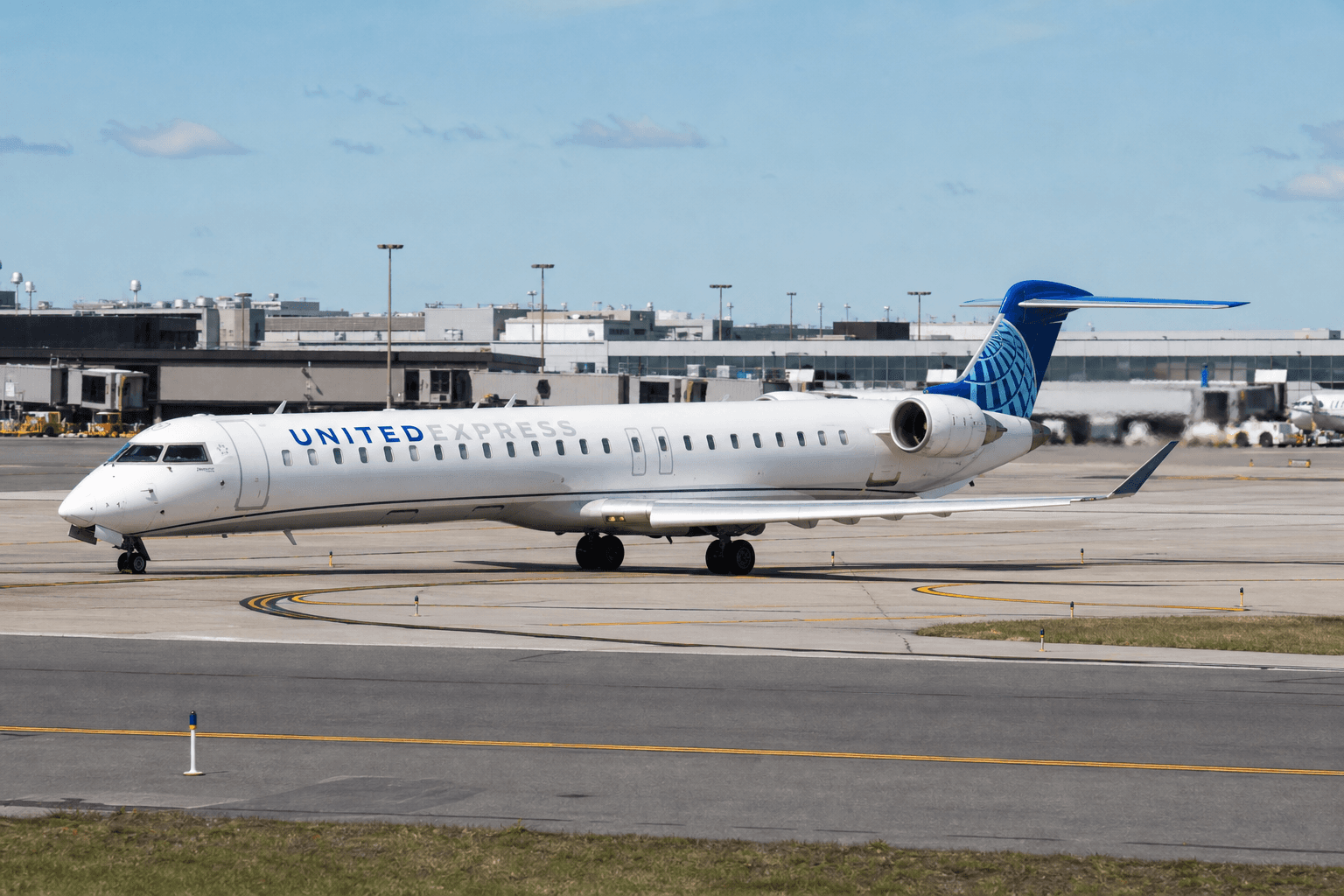
United Airlines has added four additional routes from its Newark Liberty International Airport (EWR) hub. Cirium Diio data shows that this is the Star Alliance member's fourth-busiest hub for flights, with 785 daily movements (takeoffs and landings) this month. The announcement came as Southwest Airlines adds 15 new and returning routes .
Air Niugini to Restart Direct Flights Linking Port Moresby and Auckland After 30 Years
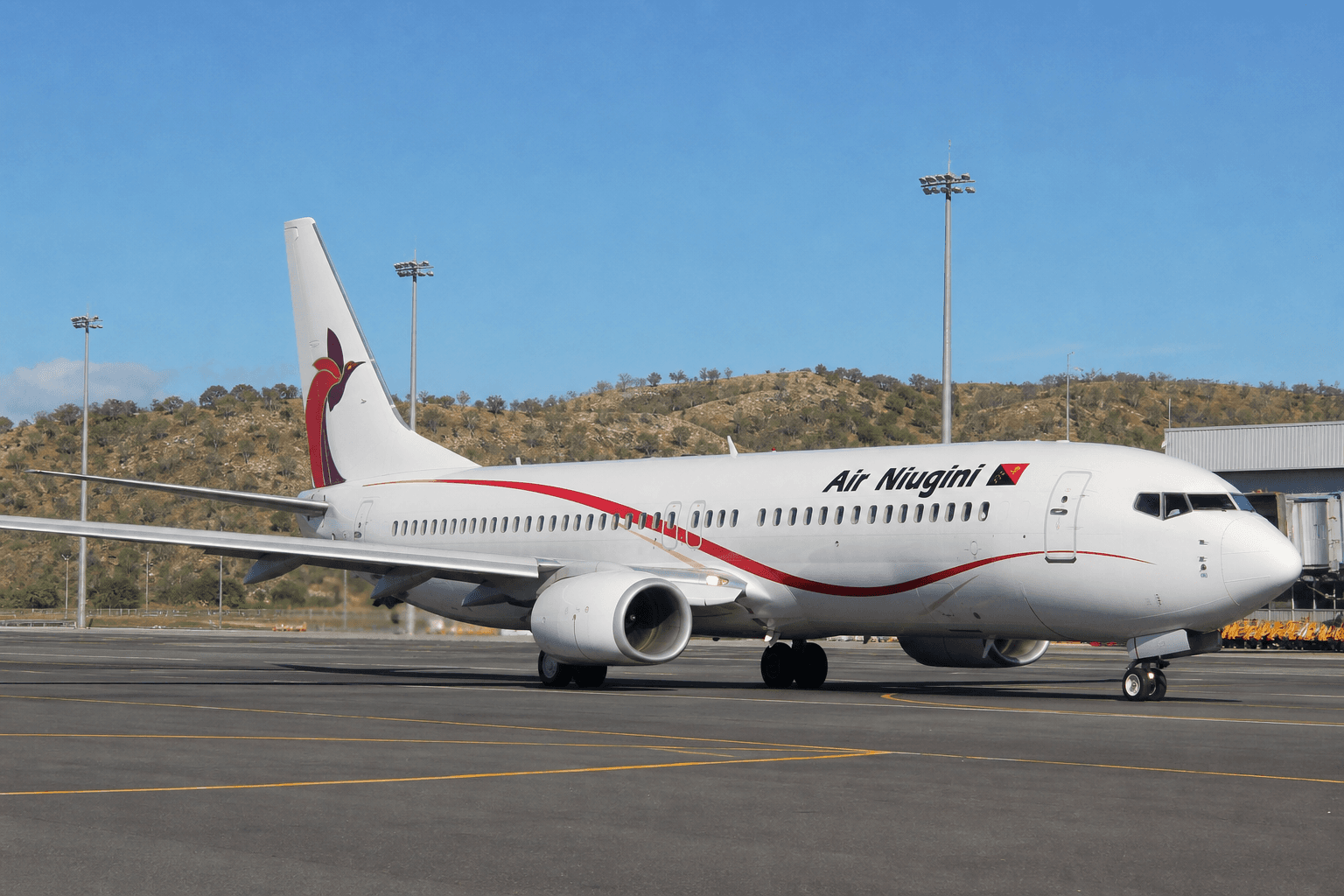
The flag carrier of Papua New Guinea , Air Niugini , has reconfirmed its plans to resume flights from Port Moresby to Auckland , connecting the two cities after almost three decades. The services will be offered three times a week, on board the airline's Boeing 737-800. The route is expected to be popular with seasonal workers, who make up almost a third of all travel between the two countries.
National STOL Sodbusters Competition Launches at Hartford Airport Before Oshkosh
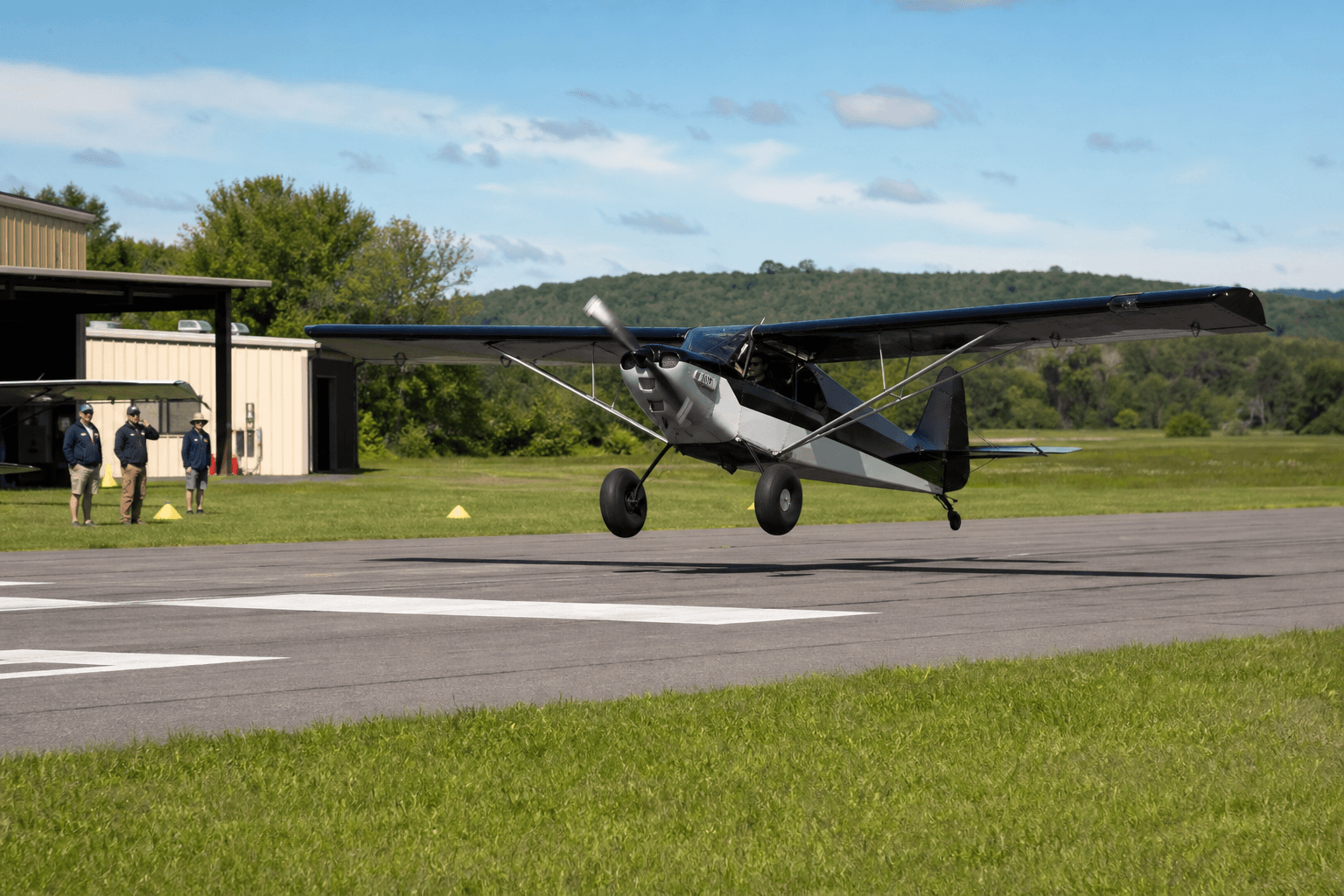
National STOL opened its Sodbusters competition Friday at Hartford Municipal Airport in Wisconsin, about 54 miles south of Oshkosh. Friday is reserved largely for pilot briefings and practice. Scored competition begins Saturday morning, two days before EAA AirVenture opens at Wittman Regional Airport. Practice Before Competition Friday's schedule called for a new-competitor briefing at 11 a.m., followed by a mandatory briefing for pilots planning to practice. The practice session runs from 12:30 to 5 p.m. National STOL requires first-time competitors and pilots who have not entered one of its events in more than two years to attend the briefing and practice session. Spectator gates open Saturday at 9:30 a.m. The competition is scheduled to begin at 10:30 a.m. and continue until approximately 3 or 4 p.m. An awards dinner for competitors and invited guests is planned for 6 p.m. Transient aircraft parking and underwing camping are available at Hartford, though organizers say camping space is limited. Combined-Distance Scoring Competitors are ranked by the combined distance required to take off and land. The lowest combined score wins each class. The 2026 rules prohibit high-angle-of-attack takeoffs and abrupt maneuvers. Rookie pilots compete without season points, while other entrants accumulate points toward the annual National STOL championship. Sodbusters is a recurring stop on the National STOL calendar and has become part of the pre-Oshkosh schedule for some competitors. AirVenture runs July 20-26. The Hartford event concludes Sunday when camping closes at 11 a.m., leaving pilots time to continue north before the convention opens Monday.
The Daily Touch & Go
The day's best aviation news in your inbox. Free, no spam.