

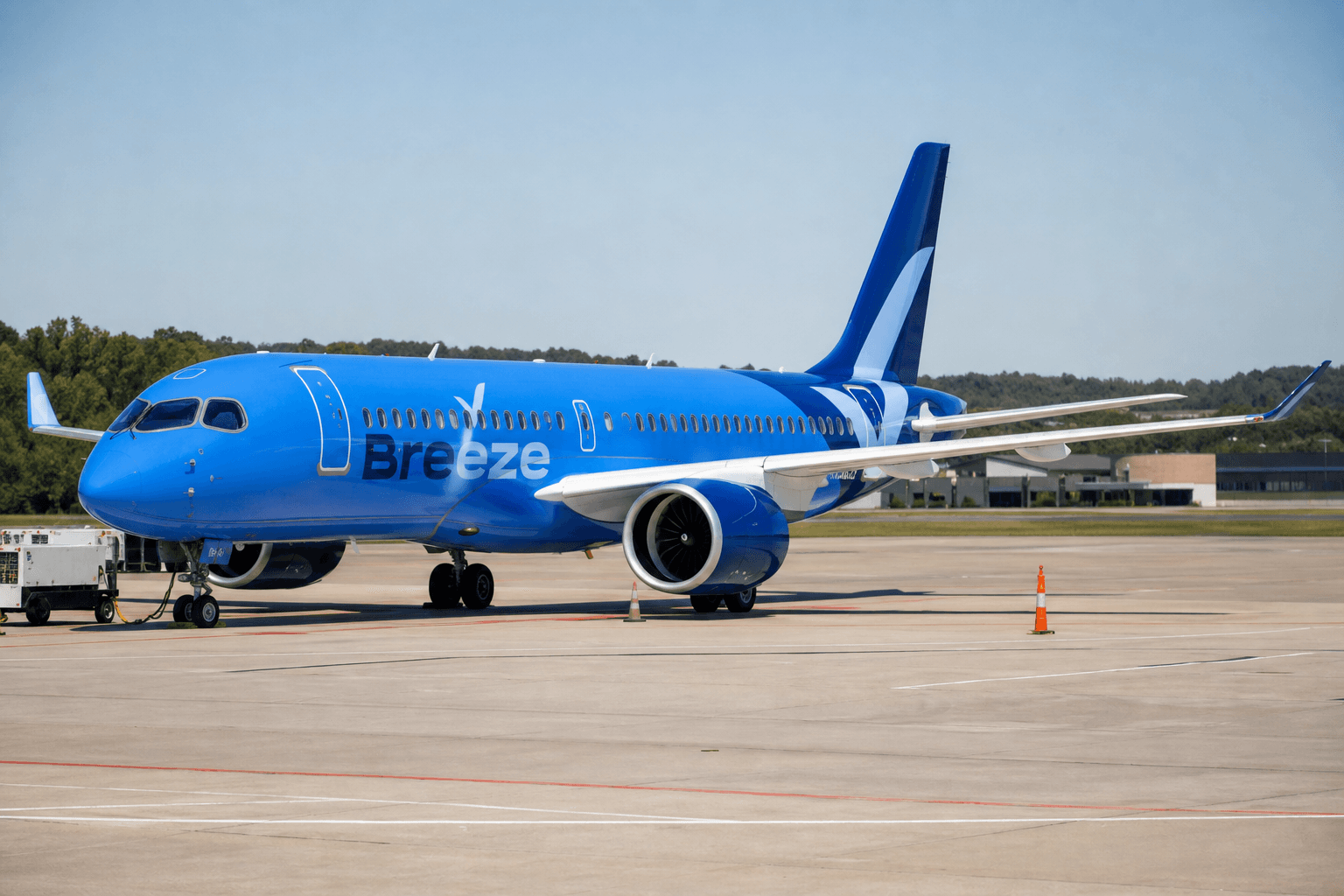
Illustration: The Touch & Go
Breeze Airways Expands Aggressively Using A220s to Profit on Low-Demand US Routes
Breeze Airways launched 19 new routes in 72 hours, targeting underserved US city pairs with as few as 10 daily passengers, leveraging the Airbus A220's economics to sustain profits.
The gist
Breeze Airways proves it can profitably serve US routes with just 10 daily passengers each way using efficient A220 aircraft and niche markets.
Continuing coverage
All Regional Routes →Breeze Airways recently unveiled one of its largest network expansions since its 2021 launch, adding 19 new and returning routes within a three-day period. This move nearly raised its July schedule to 266 daily departures, marking a 44% increase compared to the same month last year. The airline’s CEO David Neeleman champions a model that seeks profitability on markets with minimum demand—sometimes as low as 10 passengers per day each direction—by focusing on underserved city pairs in the US.
Unlike legacy carriers, which prioritize routes between major hubs with high passenger volumes, Breeze targets smaller, secondary airports often overlooked due to their lower traffic. The recent expansion illustrates this well, featuring new nonstop services like Akron-Canton to Portland International Jetport and Fort Lauderdale to Salisbury–Ocean City. Around 68% of these routes operate without direct competition, enabling Breeze to avoid fare wars and provide direct connectivity previously unavailable or lost after other airlines, such as Spirit, exited certain markets.
Neeleman's figure of serving markets with about 10 passengers per day each way is often misunderstood. It represents the average total market size between two cities daily, not the number of passengers per flight. When these passengers are concentrated over a few weekly round trips instead of spread across many flights, individual aircraft enjoy healthier loads. For example, with three weekly round trips serving such a market, the average passengers per flight are substantially higher than the raw 10 per day suggests.
The success of this business model relies heavily on the Airbus A220-300 aircraft. Configured with 137 seats, it offers a blend of fuel efficiency, range (about 3,450 nautical miles), and operating economics well suited to these low-frequency routes. The Pratt & Whitney PW1500G engines contribute to significantly lower fuel burn and maintenance costs compared to older regional jets or larger aircraft, allowing Breeze to operate routes profitably that airlines using less efficient planes might avoid.
In addition to fare revenues, Breeze supplements income with ancillary products like a premium Ascent cabin, bundled fares, seat selections, checked baggage options, and other upsells. This focus on enhanced service offerings helps offset challenges in markets with limited passenger volumes but where travelers value convenience and nonstop connections. It differentiates Breeze from pure ultra-low-cost models by appealing to both value-driven and service-oriented customers.
The broader US aviation landscape has shifted in ways that open opportunities for Breeze’s approach. Over the past decade, major airlines have concentrated services around principal hubs, reducing frequencies or dropping service to smaller regional airports. Furthermore, the phase-out of smaller 50-seat regional jets like the CRJ200 and ERJ-145 has created capacity gaps. Many routes can no longer support larger regional or mainline jets economically, prompting airlines to abandon them—a void Breeze looks to fill.
The May 2026 collapse of Spirit Airlines accelerated these market dynamics by cutting nonstop options from many city pairs. Breeze capitalized by stepping into these underserved markets with direct flights, bypassing competitive fare battles. Operating from secondary airports also confers operational advantages such as lower fees, reduced congestion, shorter taxi times, and quicker turnaround, all boosting aircraft utilization and on-time performance.
By balancing a niche market strategy with an efficient and modern fleet, Breeze Airways is carving out a viable role in the US aviation ecosystem. Its ability to profitably connect smaller cities on limited schedules diversifies the landscape beyond traditional hub-and-spoke routes. This demonstrates that with the right aircraft and network design, serving lower-demand markets can be both sustainable and beneficial for regional connectivity.
Frequently asked questions
- How does Breeze Airways profitably serve markets with as few as 10 passengers per day each way?
- Breeze concentrates weekly passenger demand into limited nonstop round trips rather than daily flights, using efficient Airbus A220s with low operating costs, allowing profitable service even on small markets.
- What role does the Airbus A220 aircraft play in Breeze Airways' network strategy?
- The A220's fuel efficiency, range, and lower maintenance costs allow Breeze to operate longer nonstop routes with fewer passengers profitably, connecting secondary airports that other airlines avoid.
- How is Breeze Airways’ focus different from legacy carriers regarding route selection?
- Breeze targets underserved secondary airports with limited but stable passenger demand, offering nonstop flights without direct competition, unlike legacy carriers that focus on high-volume hub-to-hub markets requiring multiple daily frequencies.
Read more
All Airlines →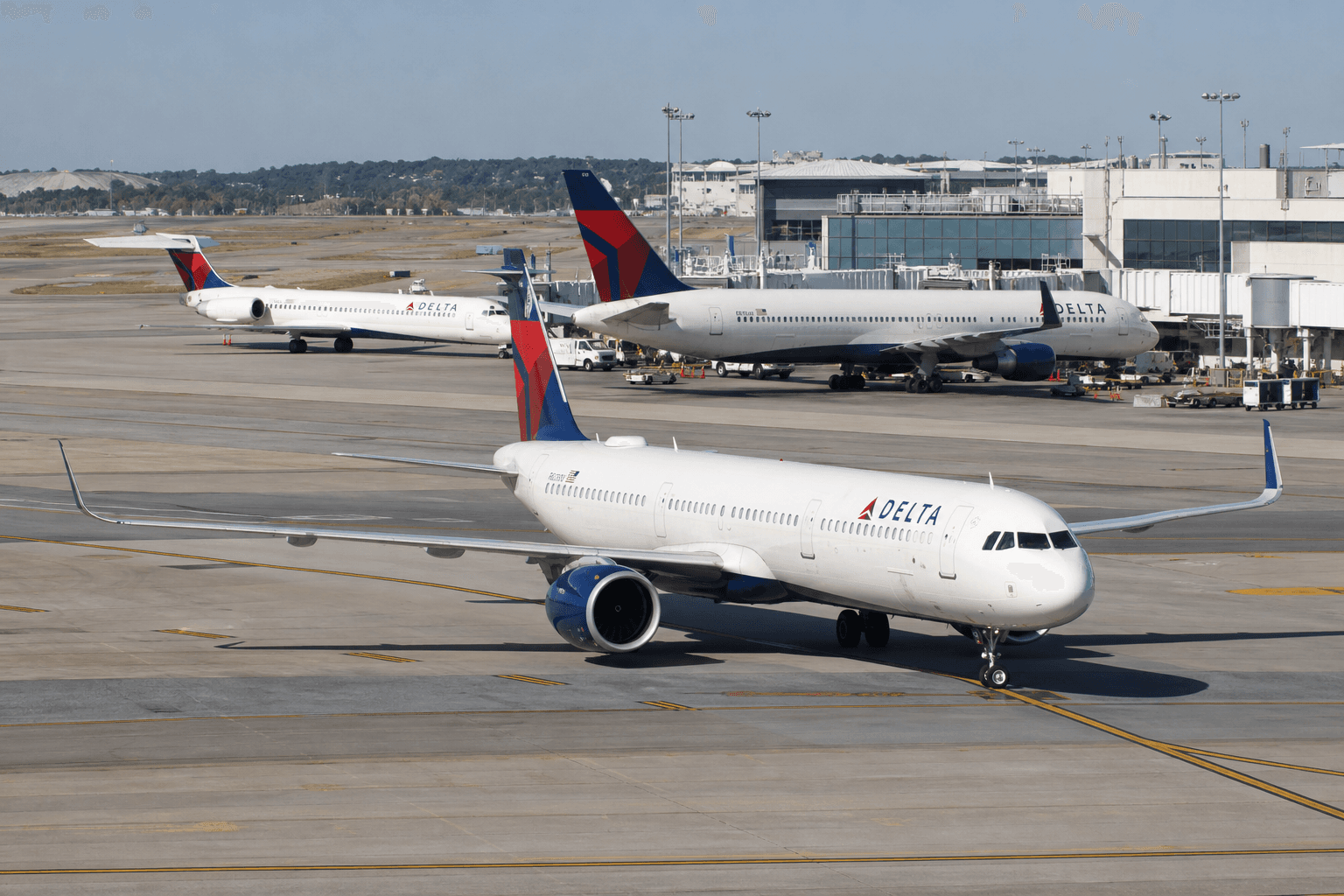
Delta Air Lines Relies on Older Boeing Jets Amid Airbus Engine Groundings
Delta Air Lines has been forced to turn to older aircraft while plagued by groundings of some of its newest Airbus jets. The Big Three US carrier has heavily gone in for models from the French manufacturer to bolster its narrowbody fleet in recent years. However, the rollout of these has not been without its issues.
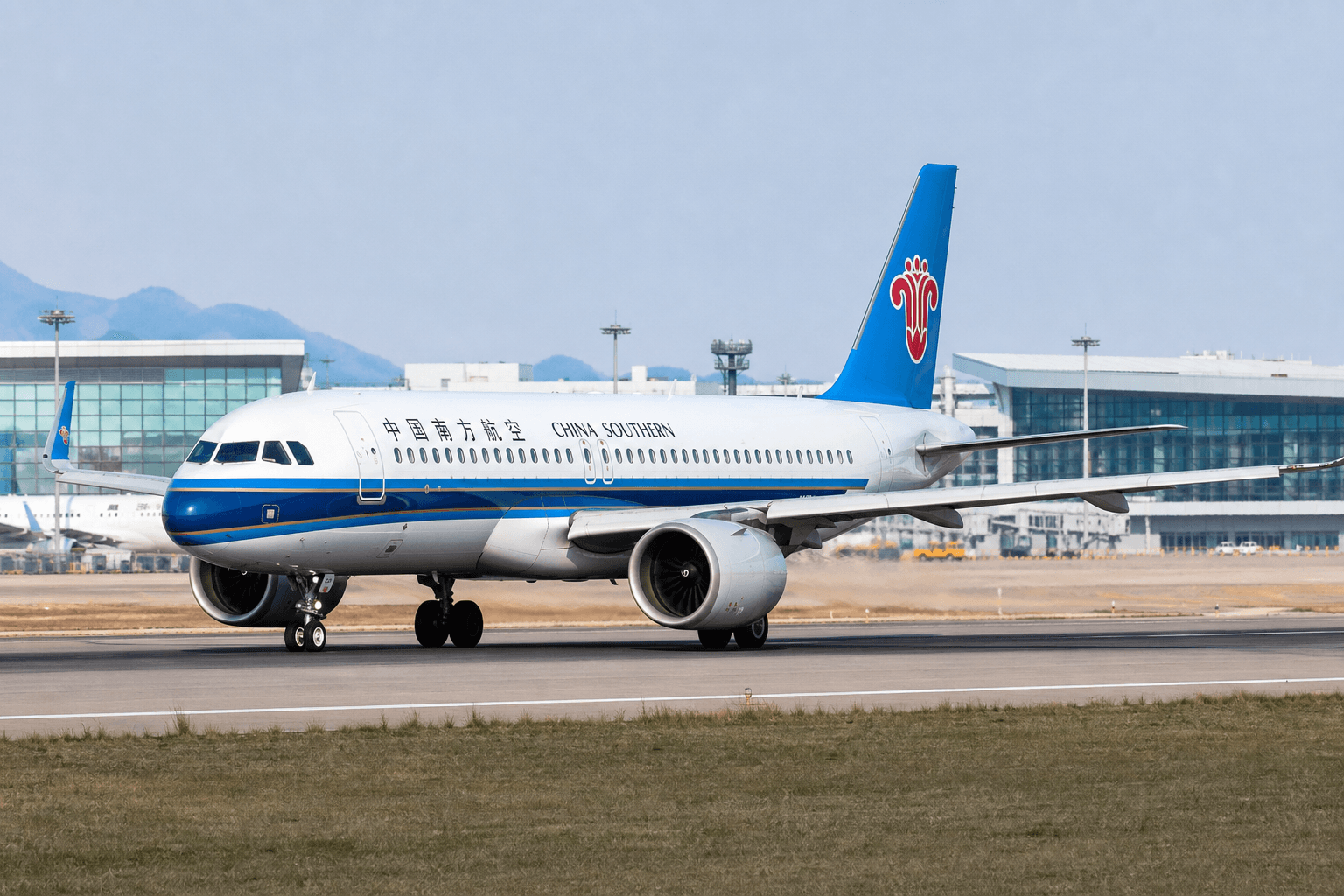
Hainan Airlines Plans to Acquire 40 Airbus A320neos from 2028 to 2032
Carrier’s agreement follows several other Airbus fleet deals from the country’s operators. China's Hainan Airlines has revealed that it is intending to order 40 Airbus A320neo-family jets, the latest operator from the country to disclose large agreements with the European airframer. Hainan Airlines, based in Haikou, states that it will take delivery of the twinjets from 2028 to 2032. No engine selection has been given for the aircraft. Hainan says the catalogue price for the jets is $5.36 billion but that the "actual price will be lower". In an 18 July disclosure it says its board has backed the deal. But it adds that the transaction is subject to shareholder approval and that of relevant national authorities. Hainan says the Airbus agreement aligns with development plans to optimise the airline's fleet structure and enhance capacity. Several Chinese operators have recently unveiled similar large Airbus acquisitions, among them Air China , China Southern Airlines , China Eastern Airlines , Spring Airlines and Juneyao Air .
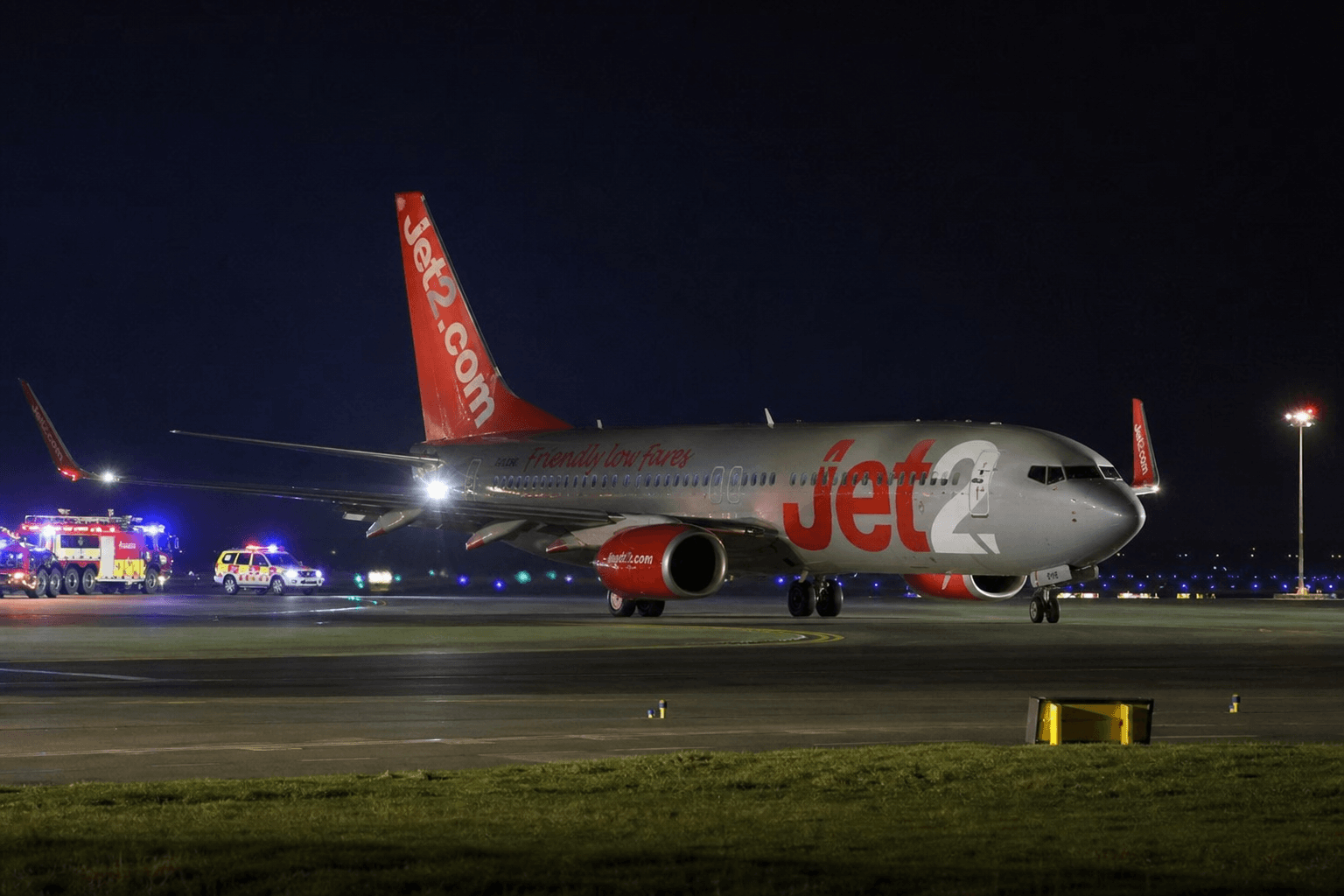
Passenger dies after alcohol-fueled altercation and restraint on Jet2 flight from Cyprus to UK
A Jet2 passenger died after travelers and cabin crew restrained him following an alleged alcohol-fueled outburst on a flight from Cyprus to Manchester. Police are investigating what happened—and what killed him remains undetermined.
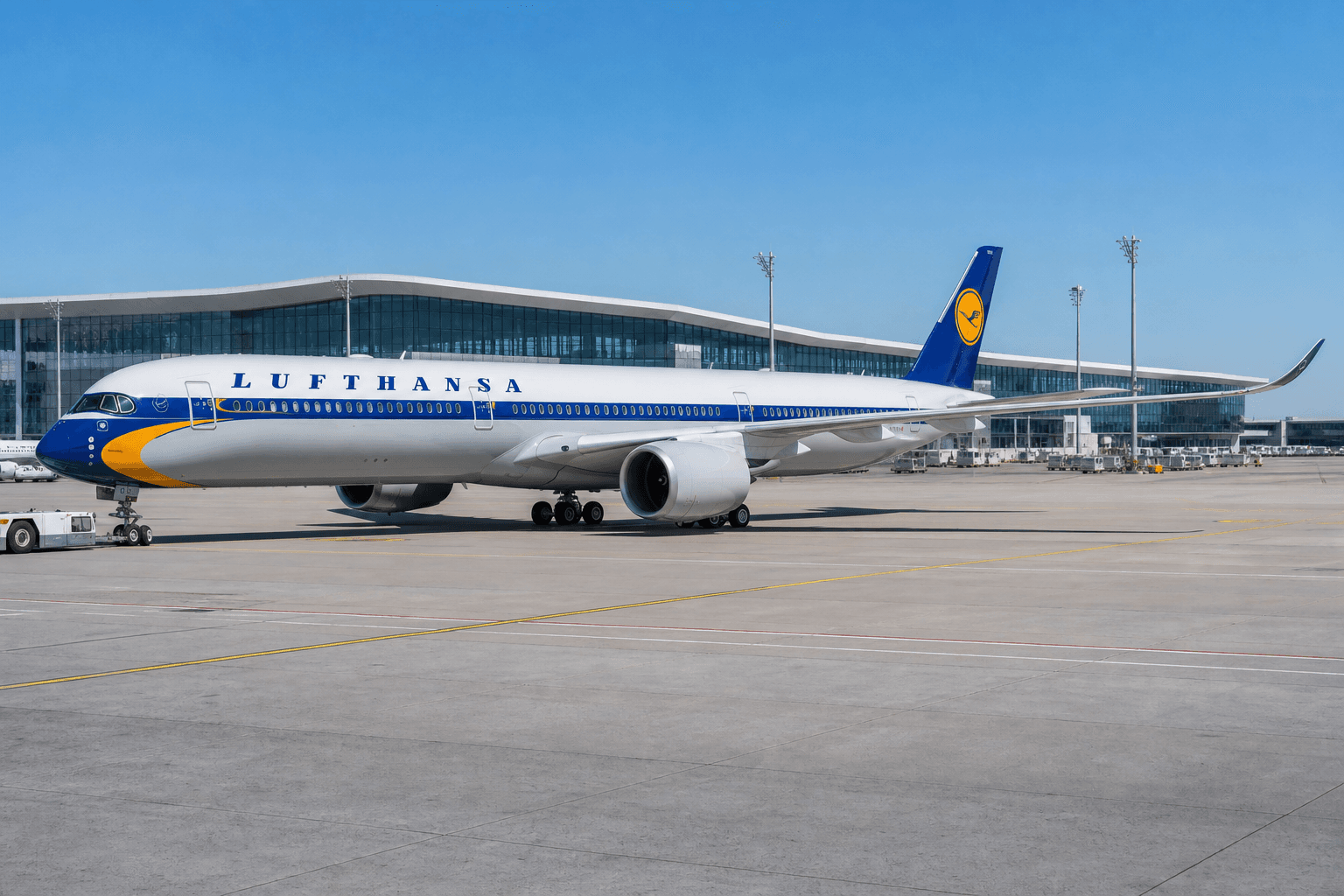
Lufthansa Unveils Centennial Livery on First Airbus A350-1000 Set for Munich Hub
The special centennial design features an oversized white crane against dark blue.
The Daily Touch & Go
The day's best aviation news in your inbox. Free, no spam.