

Illustration: The Touch & Go
Frankfurt Airport Opens New Terminal 3 With Mixed Passenger Reviews
Frankfurt Airport has launched Terminal 3, replacing the outdated Terminal 2, offering modern facilities yet drawing criticism for location and design choices.
The gist
Frankfurt’s new Terminal 3 improves facilities over predecessor but challenges with access and bland design affect traveler experience.
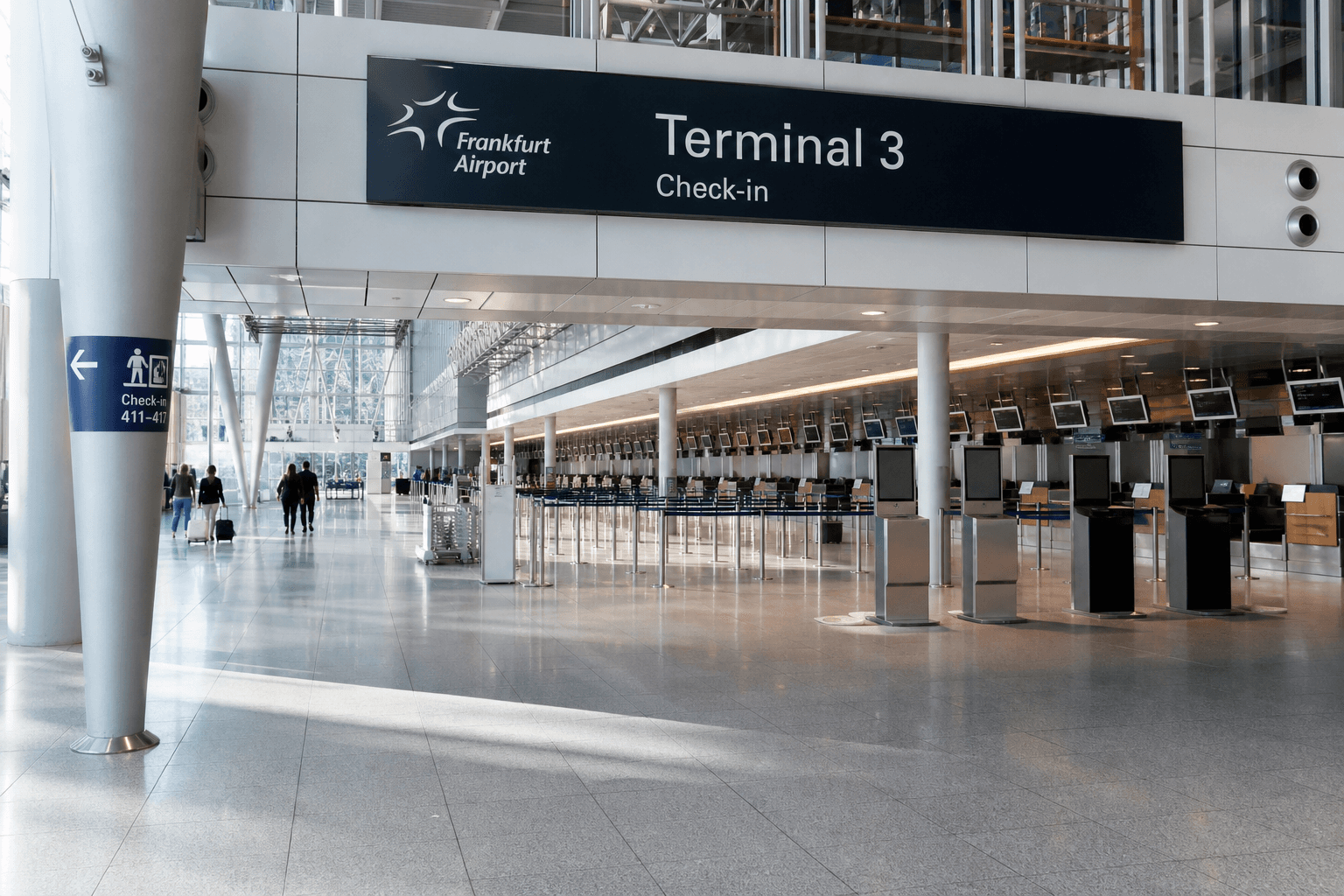
Frankfurt Airport has recently inaugurated its first new passenger terminal in decades: Terminal 3, replacing the long-criticized Terminal 2. This development aims to enhance capacity and passenger facilities at Germany’s second busiest airport. The opening comes at a time when Frankfurt remains a critical European hub, predominantly serving Lufthansa and its Star Alliance partners, though Lufthansa itself does not operate from this new terminal. The transition to Terminal 3 marks a significant upgrade on paper, yet passenger feedback highlights some practical shortcomings.
One of the chief drawbacks passengers note is Terminal 3’s inconvenient location on the opposite side of the airport from Terminal 1, where most arrivals via train converge. Travelers must utilize the airport’s SkyLine train system for an additional 10 minutes to reach the terminal. Comments focus on the SkyLine’s quick start and bumpy ride, posing challenges for standing passengers managing luggage. This added transit step contrasts with the relatively straightforward access to Terminal 1 and complicates connectivity.
Inside Terminal 3, the design adopts a modern, minimalist aesthetic. The building features high ceilings and spacious rectangular check-in halls, creating an impression of openness. However, the extensive exposure of wiring and overhead infrastructure creates a somewhat utilitarian atmosphere that is less inviting than some newer terminals globally. Past security, the airside areas continue this minimalist theme with long, straight piers and corridors. Gate seating areas do provide large floor-to-ceiling windows, offering views, but much of the central walkway lacks natural light.
Passenger circulation also presents challenges within Terminal 3. The layout involves a central corridor flanked by retail and services, but moving sidewalks are intermittent with notable gaps, making transit to distant gates laborious, especially for those with mobility concerns. Unlike Terminal 1, where connecting passengers benefit from a more centralized flow, Terminal 3 primarily caters to originating passengers with relatively little connecting traffic, influencing flow and the passenger experience.
A bright spot of the new terminal is the substantial improvement in lounge facilities. The Priority Lounge offers ample space, a secluded rear area unknown to many, and expansive views. This stands in marked contrast to the previous lounges in Terminal 2 which were considered cramped and outdated. Additionally, Emirates has launched a new lounge concept in Terminal 3, and Qatar Airways plans to open two lounges soon, enhancing service options for premium and oneworld alliance passengers respectively.
The opening of Terminal 3 represents a practical upgrade over its predecessor in terms of physical capacity and some amenities, yet it lacks the ambitious architectural flair seen in recent terminal projects globally. Compared against terminals like Portland (PDX) or even Berlin Brandenburg (BER), Terminal 3’s restrained design and location introduce both aesthetic and logistical limitations. Nevertheless, it does move Frankfurt’s infrastructure forward, replacing a nearly obsolete facility and increasing overall airport throughput.
With Lufthansa absent from Terminal 3 operations, traffic here mostly consists of non-Star Alliance airlines and new long-haul carriers, redistributing passenger flows within the airport. This shift will likely require adaptation for travelers used to Terminal 1’s more integrated connections. The terminal opening also underlines Frankfurt’s ongoing evolution to handle expanding passenger numbers while balancing operational complexity across multiple terminals.
Overall, Terminal 3 delivers in scale and updated facilities but imposes additional commuting burdens inside the airport and presents an environment some consider uninspired. It remains to be seen how airlines and passengers will adapt to this new layout and whether forthcoming enhancements, such as improved transit links or further lounge expansions, might elevate the terminal’s appeal subsequently. For now, the terminal stands as a functional but modest addition to Frankfurt Airport’s infrastructure.
Frequently asked questions
- How does the location of Frankfurt Airport’s Terminal 3 affect passenger access?
- Terminal 3 is located on the opposite side of the airport from Terminal 1, requiring passengers arriving by train to take an additional 10-minute SkyLine ride, which some find uncomfortable and inconvenient.
- What improvements does Terminal 3 offer compared to the old Terminal 2?
- Terminal 3 features modern facilities, more spacious check-in areas, improved lounge options including a large Priority Lounge, and increased capacity, making it a clear upgrade over Terminal 2.
- Does Lufthansa operate from the new Terminal 3 at Frankfurt Airport?
- No, Lufthansa does not use Terminal 3; instead, the terminal mainly serves non-Star Alliance airlines which affects passenger flow and connections compared to Terminal 1.
Read more
All Airports →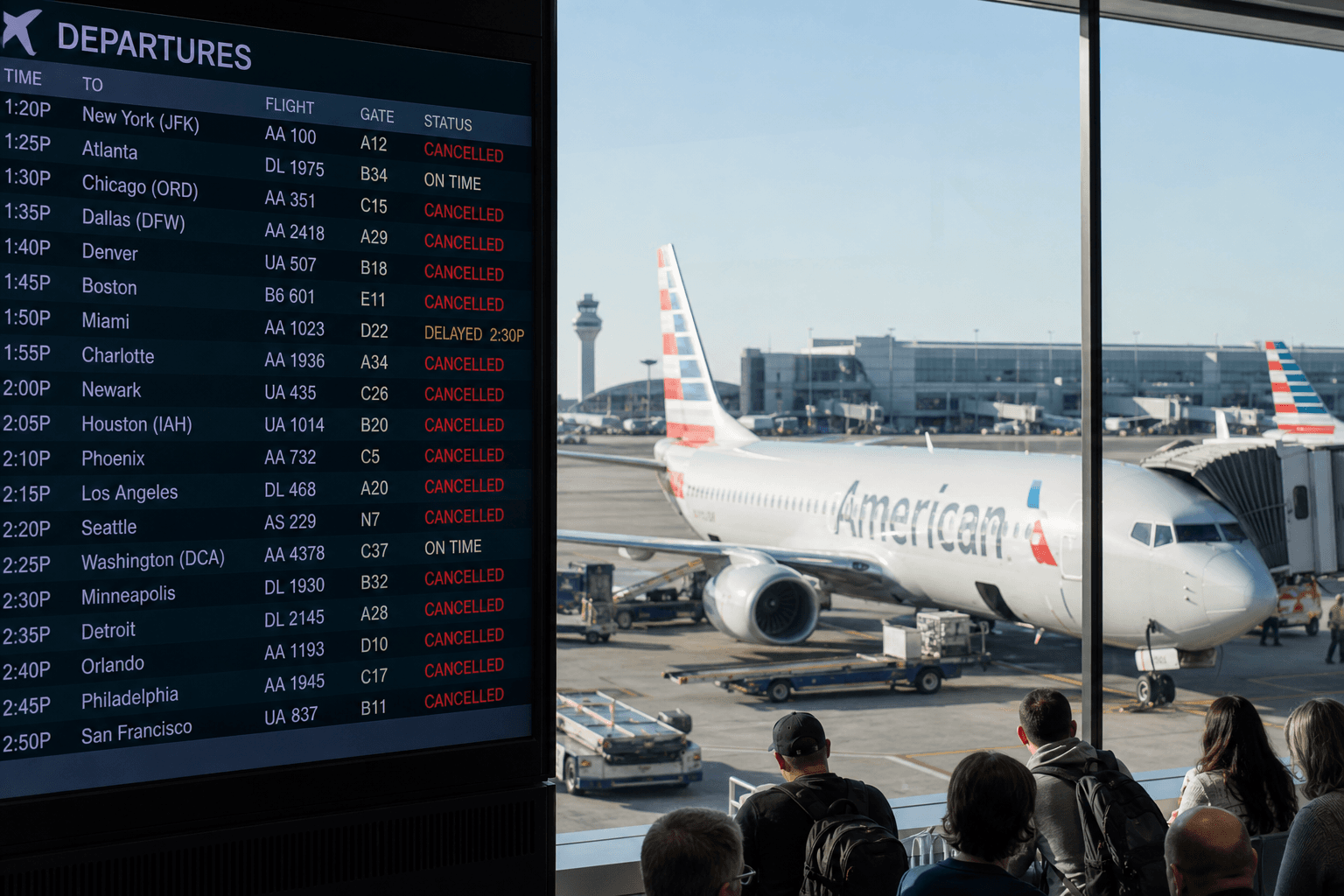
Kalshi Shelves Airport Flight Cancellation Betting Amid Insider Trading Concerns
Kalshi backed away from airport-specific flight-cancellation markets after concerns that airline employees could possess inside information or influence the outcome. But Coinbase already offers these bets, raising questions about manipulation, data integrity and what happens when insiders can wager on operational decisions they help make.
British Airways Ends 36 Long-Haul Routes From London Over Past Two Decades
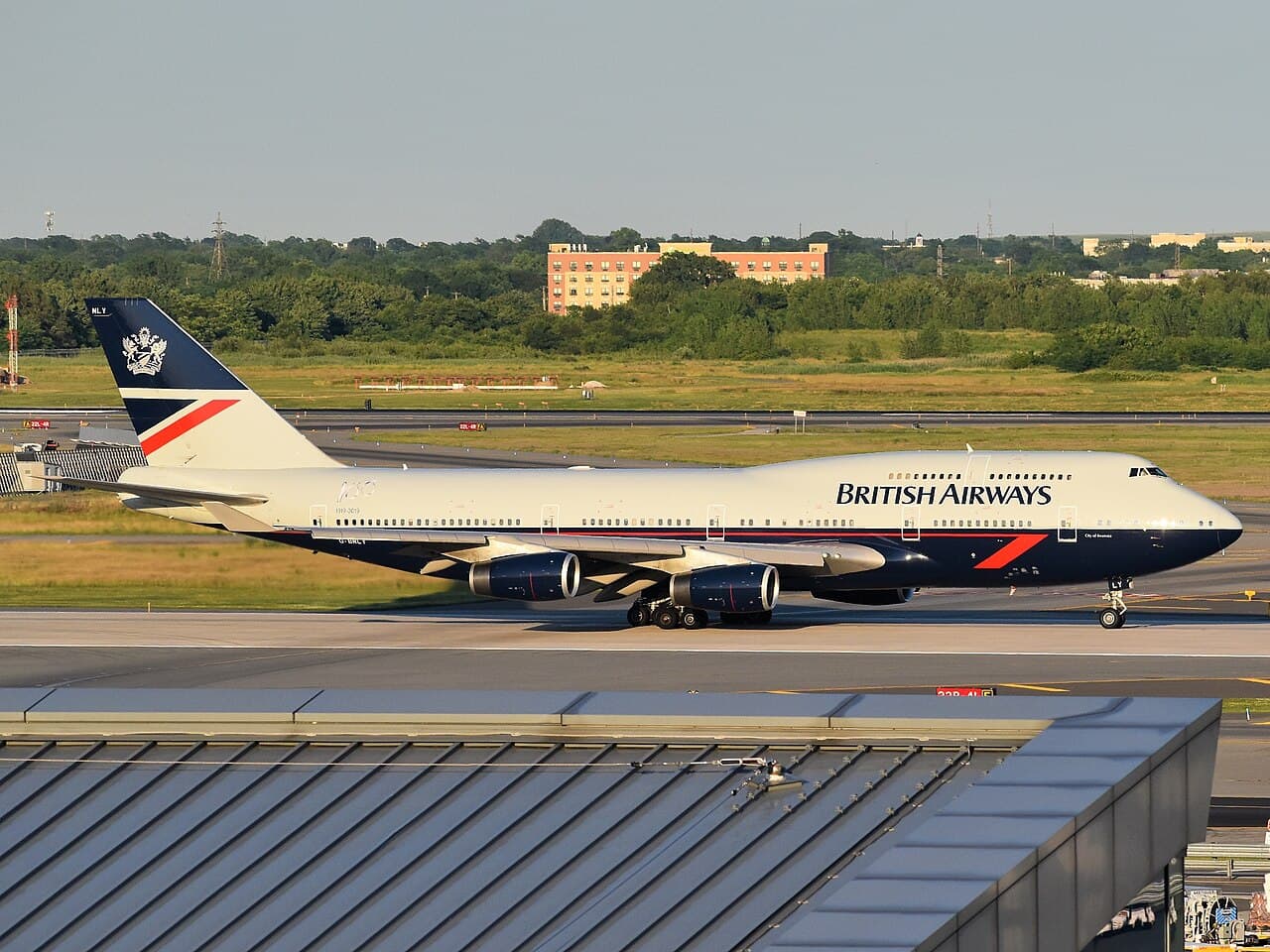
No airline's route map is static, and British Airways is no exception. In the past 20 years , the oneworld member (and its various units) have ceased flying to 102 destinations from London . Obviously, the number would be higher if the more distant past were examined instead.
Delta Air Lines Launches First US Nonstop Flights Between Los Angeles and Manila in 2027
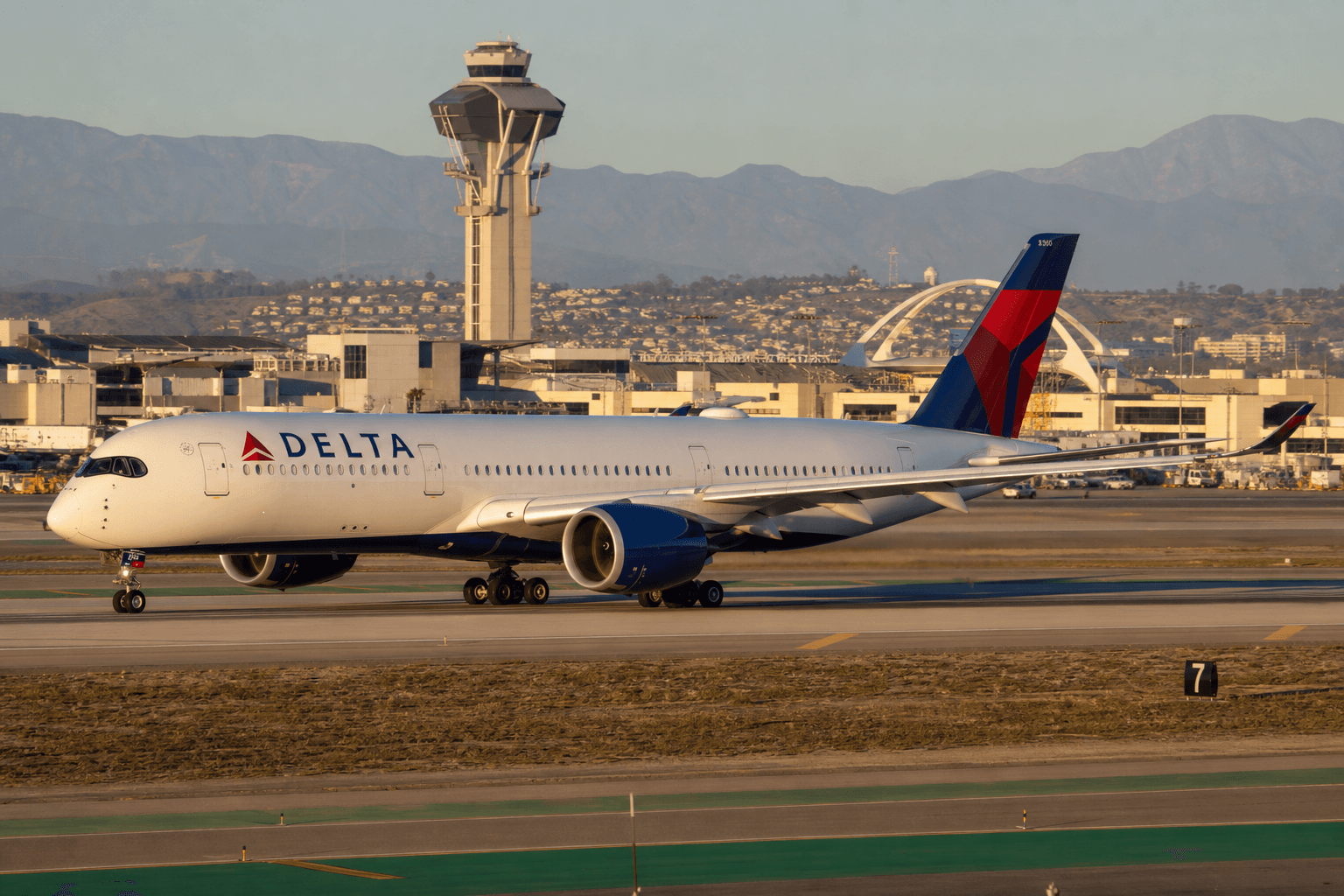
Atlanta-based Delta Air Lines is doubling down on its Los Angeles stronghold even further with a new long-haul route. The legacy airline announced on Friday that it will launch new nonstop flights to the Philippines next year – a journey that has never before been operated by a US-based carrier.
![Massive Expansion: American Airlines Launches 9 New Routes From Dallas This Summer [Map]](/_next/image?url=https%3A%2F%2Favoibnodqwjxlpbhunuu.supabase.co%2Fstorage%2Fv1%2Fobject%2Fpublic%2Fstory-images%2Fai%2Fmassive-expansion-american-airlines-launches-9-new-routes-from-dallas-this-summe-b0487761.png&w=3840&q=75)
American Airlines Adds Nine New Summer Routes From Dallas/Fort Worth Hub
Dallas/Fort Worth International Airport (DFW) in the US state of Texas has long been a key hub for American Airlines. People like to say that everything is bigger in Texas, and this is certainly true when it comes to American's route network out of DFW, as this summer has seen the carrier add nine new routes to its roster. Three are domestic, while the new six international corridors showcase a lot of variety.
The Daily Touch & Go
The day's best aviation news in your inbox. Free, no spam.