

Image: Alex Beltyukov - RuSpotters Team · CC BY-SA 3.0 · via Wikimedia Commons
Korean Air to Merge Asiana's A380s into Largest Pacific Superjumbo Fleet with Distinct Seating Styles
Korean Air will integrate Asiana Airlines' six Airbus A380s into its fleet, creating a leading Pacific carrier with differing A380 configurations and uncertain future for some aircraft.
The gist
Korean Air merges Asiana's six A380s into its fleet, forming one of the largest Pacific superjumbo fleets with contrasting cabin layouts.
At the close of 2026, Korean Air will absorb Asiana Airlines' six Airbus A380 superjumbos, merging them with its own five-aircraft A380 fleet. This combination will create one of the largest operators of the A380 over the Pacific region. However, operational status varies within Asiana's superjumbo inventory, with one aircraft currently stored and its return to service not confirmed. Consequently, if that aircraft remains grounded, Korean Air's effective active A380 fleet will match Qantas' 10-plane operation, slightly reduced from that airline’s prior total of 12.
Singapore Airlines continues to lead the Indo-Pacific region with its fleet of 12 A380s, down from 24 pre-pandemic, representing the majority of superjumbo capacity there. In contrast, All Nippon Airways operates a small fleet of three A380s, and China Southern Airlines phased out its A380s years ago. With Asiana's A380s transferring to Korean Air, the latter will become a dominant Pacific operator.
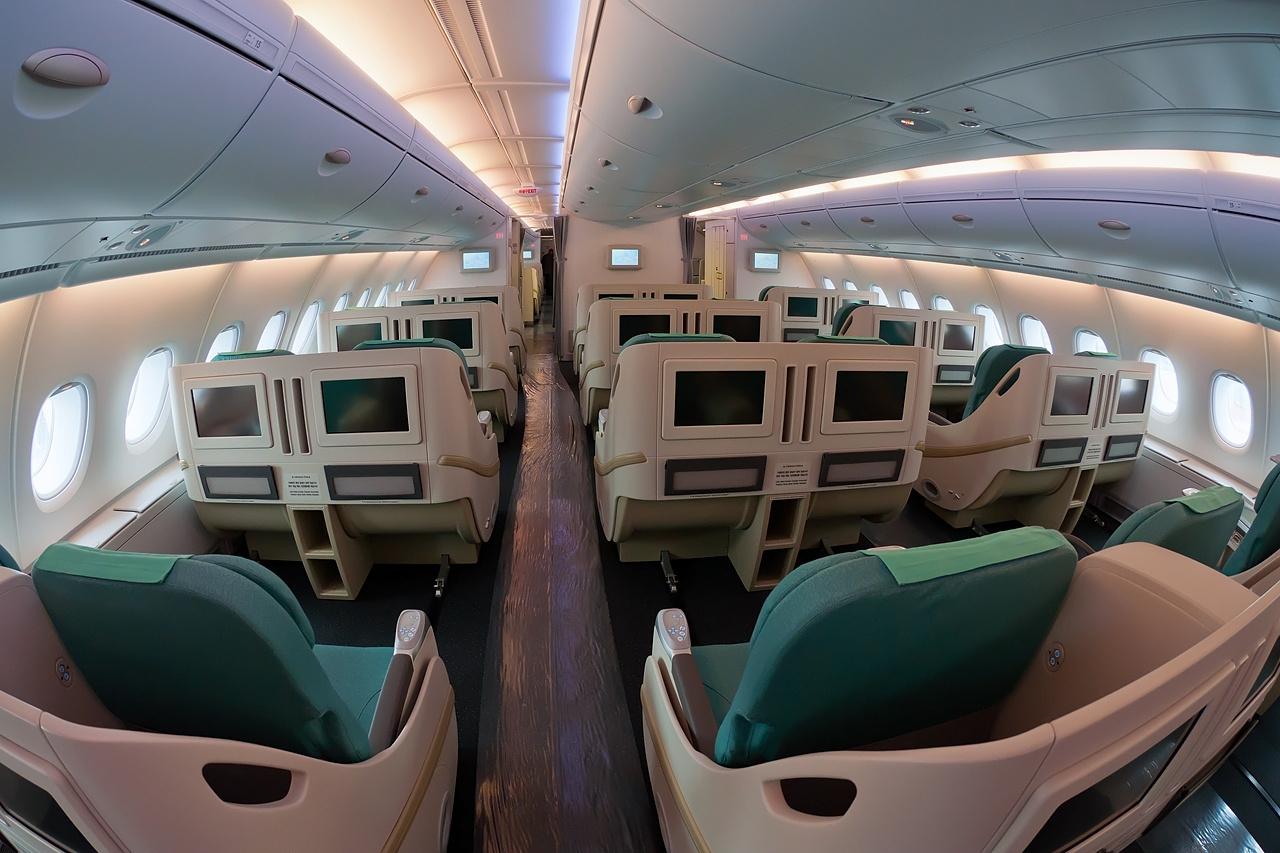
Though Asiana and Korean Air both operate Airbus A380s, their aircraft are laid out quite differently. Asiana's A380s feature a relatively dense seating plan accommodating 495 passengers, contrasting with Korean Air’s more spacious 407-seat layout emphasizing premium cabins. Asiana configures its superjumbos with 12 Business Suite seats on the main deck arranged 1-2-1, 66 Business Smartium seats upstairs also 1-2-1, and 417 economy seats throughout both decks.
Asiana’s Business Suites were originally marketed as First Class but have since been rebranded as premium Business Class, available to eligible passengers for an added charge. Economy class seats are arranged 3-4-3 on the lower deck and 2-4-2 on the upper deck, tallying 311 and 106 economy seats respectively. With Asiana’s brand retirement slated for mid-December 2026, its A380s will adopt Korean Air’s livery and branding following full integration.
Korean Air’s A380 seating places 12 First Class Kosmo Suites and 301 economy seats on the main deck, while the upper deck carries 94 business class Prestige seats arranged 2-2-2, alongside a dedicated bar/lounge area. The airline formerly operated a duty-free shop on the main deck, now converted into a self-service snack zone. At introduction, Korean Air was unique in boarding its entire upper deck with business class seats, representing 26.0% premium seating compared to Asiana’s 15.8%.
The 2000s-era cabin configurations on Korean’s A380s show their age; first class seats do not have doors and business class window seats lack direct aisle access due to the 2-2-2 layout. In contrast, Asiana’s staggered 1-2-1 business class seats allow all passengers direct aisle access. Neither carrier offers premium economy seating on their A380s, a feature increasingly common among operators like British Airways and Emirates, the latter having reconfigured their superjumbos to add sizable premium economy cabins.
Korean Air had planned to retire its A380 fleet by 2026 but postponed this due to delays in receiving newer replacement aircraft including the Airbus A350, Boeing 787 Dreamliner, and Boeing 777-9. It has retired and scrapped several A380s since the pandemic, with only five remaining active. Asiana's six A380s continue operation, though one has been stored since May 2026 and another is undergoing maintenance.
Korean Air’s combined widebody fleet, integrating both brands, totals 128 passenger aircraft including 11 A380s. The group maintains substantial orders for new-generation aircraft, with 18 A350-900s, 20 A350-1000s, 40 Boeing 777-9s, and multiple Boeing 787s in the pipeline. The introduction of these aircraft will enable eventual phase-out of the aging A380s and 747-8s that currently remain in service.
Korean Air’s leadership has acknowledged that once delivery of these newer models accelerates, retirement of the A380 and 747 fleets will proceed swiftly. Until then, Korean Air operates the largest superjumbo fleet over the Pacific, comprising both historically premium-heavy and high-density layouts, with ongoing rebranding and fleet rationalization in progress.
Originally reported by Simple Flying
Read more
All Airlines →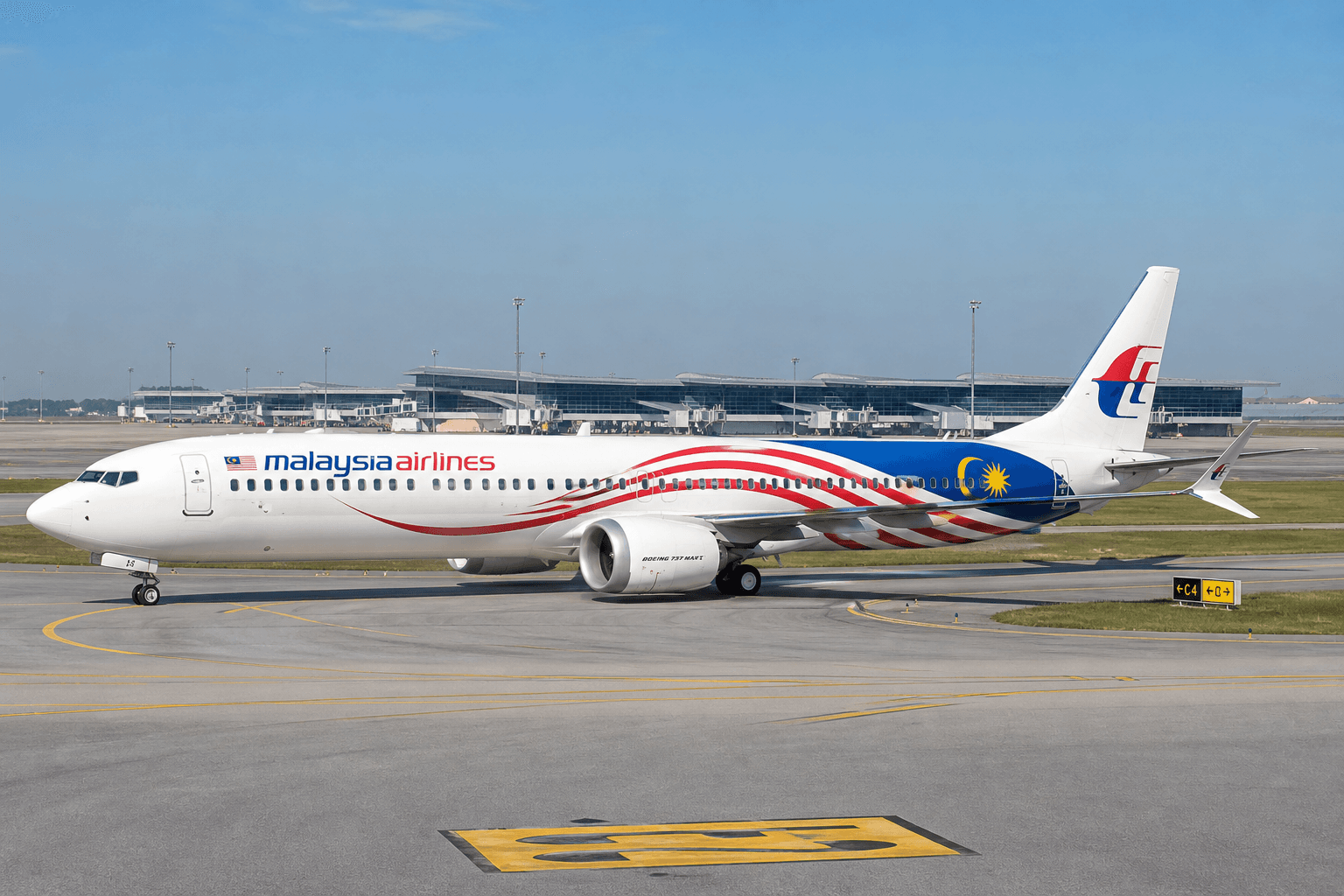
Malaysia Airlines Launches Lie-Flat Business Class on Boeing 737 MAX 10 Narrowbodies
Malaysia Airlines to equip 12 Boeing 737 MAX 10s with lie-flat business class seats, targeting regional and secondary Asia-Pacific markets from Kuala Lumpur.
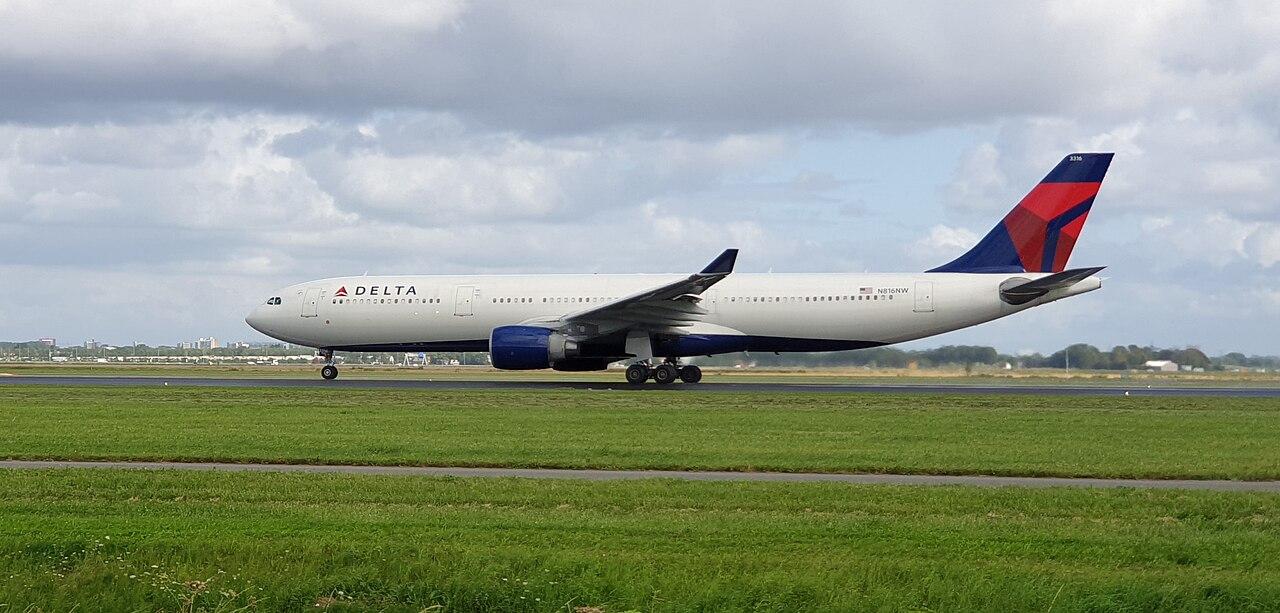
Delta Air Lines launches seasonal nonstop flights from Minneapolis to Maui
Delta began seasonal service connecting Minneapolis-St. Paul and Kahului, Maui, offering five weekly flights with Airbus A330-300 through mid-April.
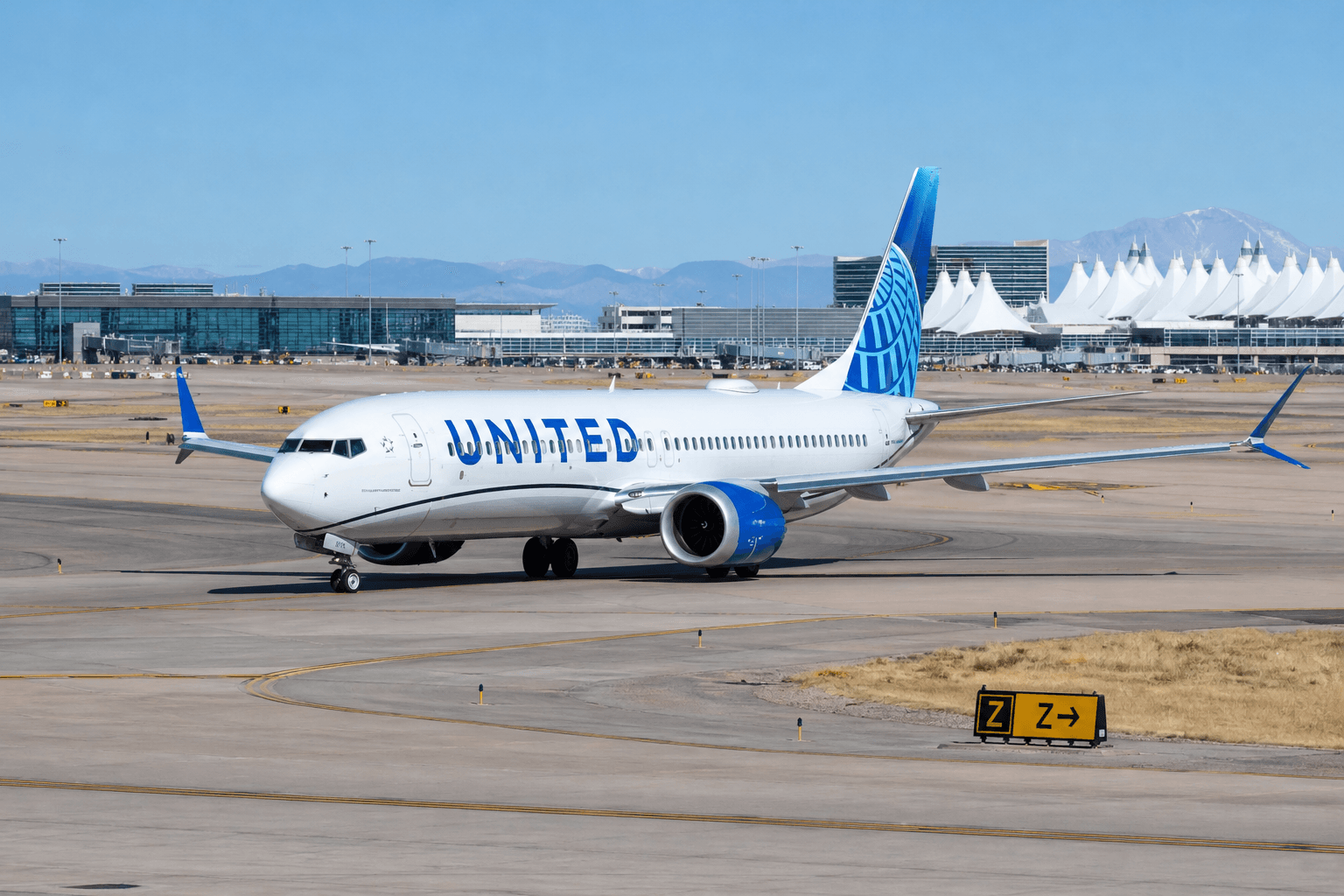
United Airlines Doubles Flights on Seven Denver Routes for Summer 2027
United Airlines will increase frequencies on seven domestic routes from Denver International Airport, doubling daily flights to several mid-sized cities for summer 2027.
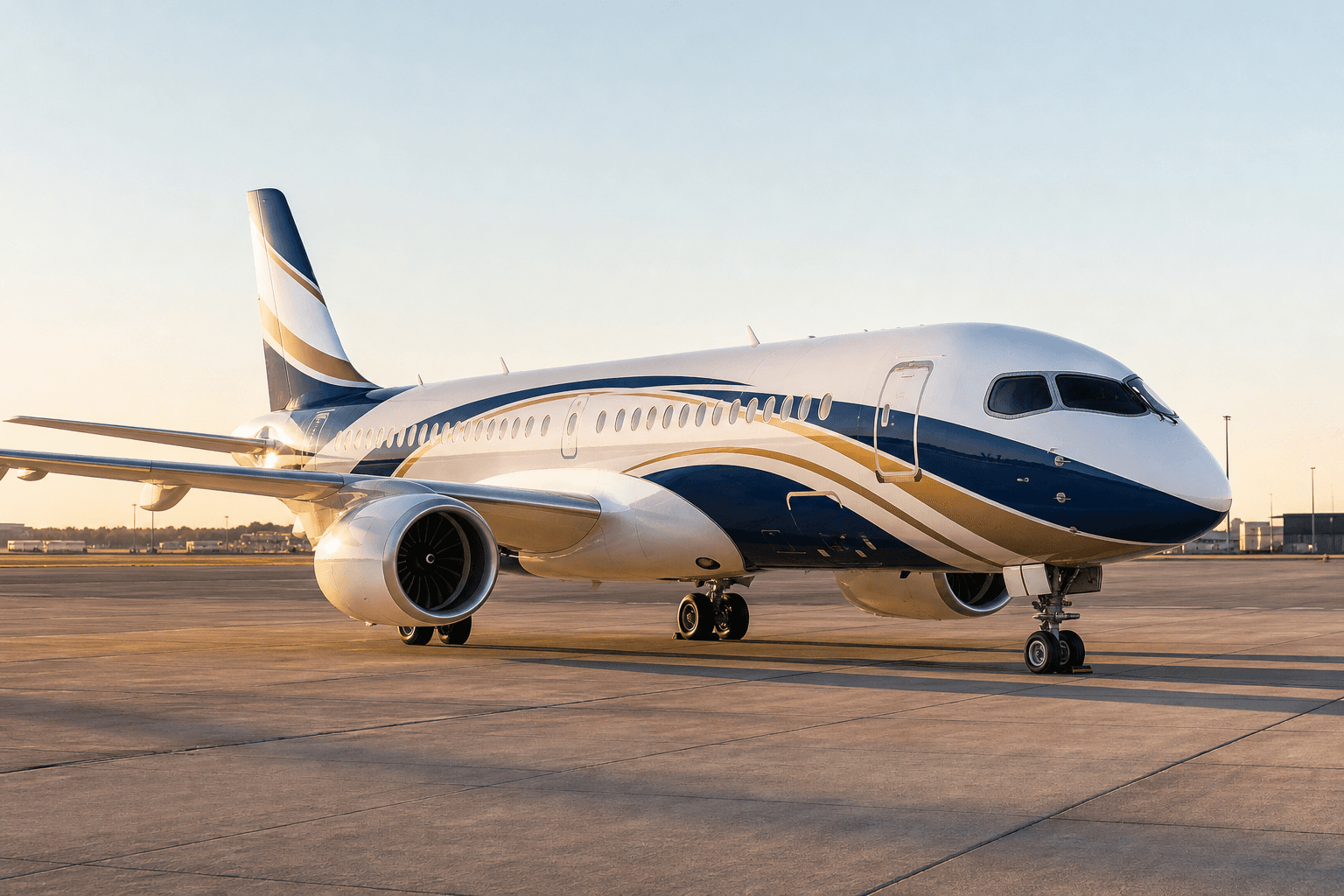
Magnifica Air Orders 10 Airbus ACJ220-300s Featuring Private Suite and 54 Seats
Florida-based Magnifica Air confirms purchase of ten ACJ220-300 corporate jets, expanding its fleet and offering a private suite in a 54-seat luxury layout.
The Daily Touch & Go
The day's best aviation news in your inbox. Free, no spam.