

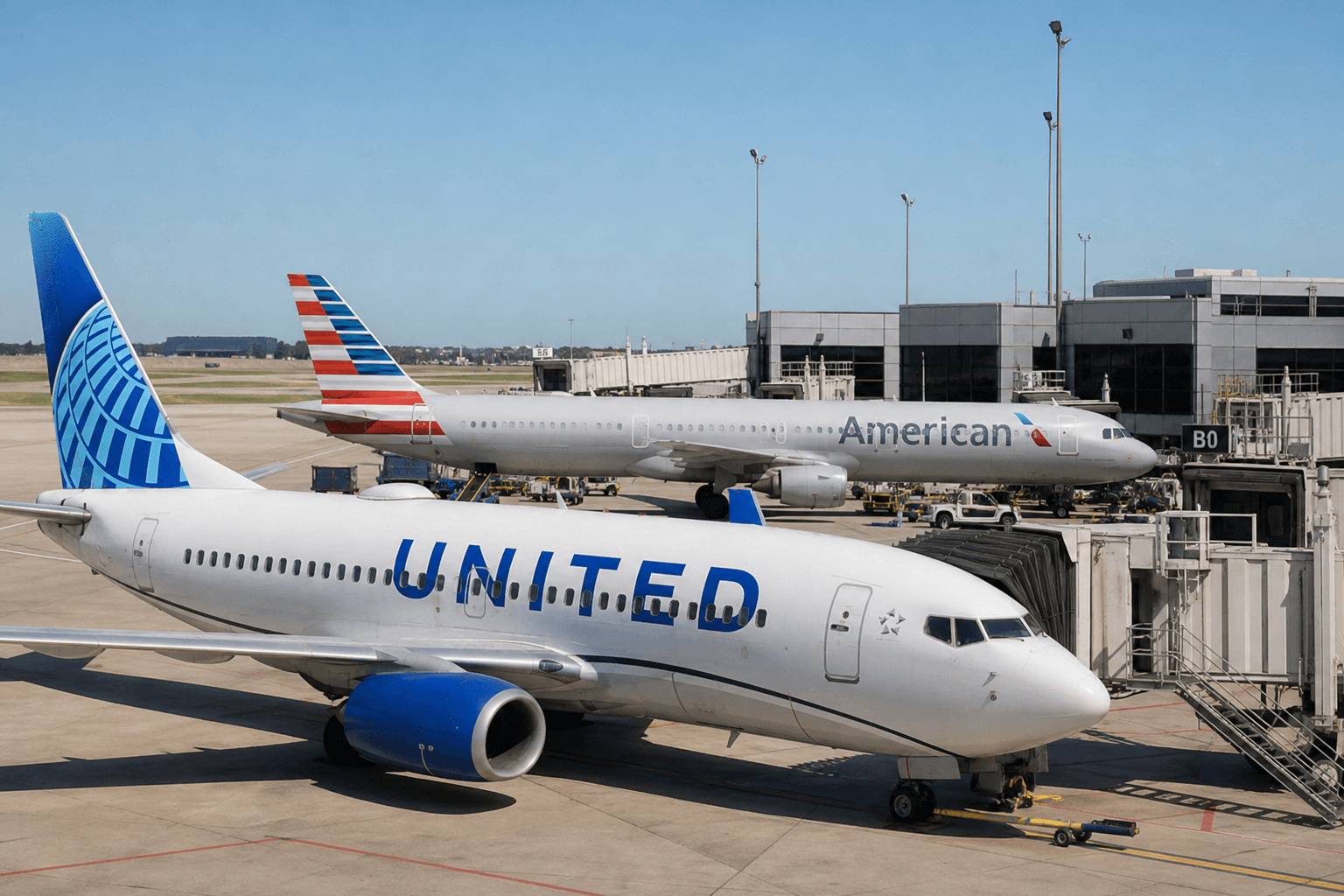
AI-generated illustration
United CEO Scott Kirby Confident Merger With American Airlines Could Get Regulatory Approval
United Airlines CEO Scott Kirby claims a merger with American Airlines is feasible with required divestitures, though hurdles remain from multiple regulatory and partnership angles.
The gist
United CEO Scott Kirby says a merger with American Airlines could be approved with divestitures, but major challenges persist beyond DOJ.
Continuing coverage
All United Airlines →United Airlines CEO Scott Kirby expressed strong confidence in the possibility of a merger with American Airlines receiving regulatory approval. Speaking at the Yahoo Finance Invest event, Kirby stated he is even more assured than earlier in the year that the combination could pass muster, though he acknowledged it would not be easy and would require divestitures. He emphasized that getting American Airlines to agree to the transaction remains the biggest obstacle.
Kirby’s rationale centers on improving passenger experience by integrating United’s service, technology, and operational performance with American’s network. He contest critics who treat airline seats as interchangeable, highlighting United's approach to service quality and innovation as aligning with U.S. Department of Justice (DOJ) guidelines that factor in choice and quality in antitrust evaluations. However, observers note United’s service and operations have traditionally been only modestly better than American’s, tempering Kirby’s claims of a major service uplift.
The proposed merger would provide strategic benefits for United, particularly by expanding their presence in key markets. American Airlines’ strong foothold in New York, Los Angeles, the southeastern U.S., and Latin America would complement United’s hubs. Kirby indicated aspirations to develop a Miami hub with 40-50 gates and expand operations at New York JFK, beyond what United currently plans. Despite early merger discussions, American Airlines formally rejected merger talks, citing concerns that such a combination would harm consumers and reduce competition.
Beyond initial DOJ approval, multiple legal and regulatory challenges loom. State attorneys general can independently pursue antitrust cases, and private plaintiffs retain rights under the Clayton Act to seek injunctions against anticompetitive mergers. Moreover, approval by the DOJ does not preclude further scrutiny, as merger notification statutes allow for later legal challenges. This multifaceted review process adds complexity and risk for any potential deal.
International regulatory hurdles are formidable due to competing global partnerships maintained independently by United and American Airlines. United’s partners include Lufthansa Group and Air Canada on the transatlantic route, and All Nippon Airways in Japan, while American aligns with British Airways, Iberia, Aer Lingus, Finnair, Japan Airlines, Qantas, and others. A merged carrier would face intense scrutiny from the European Union, UK competition authorities, and agencies in Japan, Australia, New Zealand, and Canada, each needing to evaluate complex alliance and slot access issues.
Domestically, overlapping hubs present significant divestiture challenges. Both airlines operate major hubs at Chicago O’Hare, New York (Newark for United; JFK and LaGuardia for American), Los Angeles, Washington Dulles (United), and Washington National (American). Untangling these overlapping operations to meet antitrust requirements would require substantial concessions. Additionally, American’s heavy debt load—reportedly $29.6 billion in debt and financial leases—could complicate integration and financial viability post-merger.
Kirby’s assertion of a '100% approval' appears to be based largely on political assurances and optimism at the federal level. Many experts caution that DOJ approval is a necessary but insufficient condition. Full clearance means navigating state-level antitrust lawsuits, foreign government approvals, and reconciling complex international codeshare and joint venture agreements. As such, the road to merger approval remains complicated with no guarantees beyond an initial green light from the DOJ.
Originally reported by View From The Wing
Read more
All Airlines →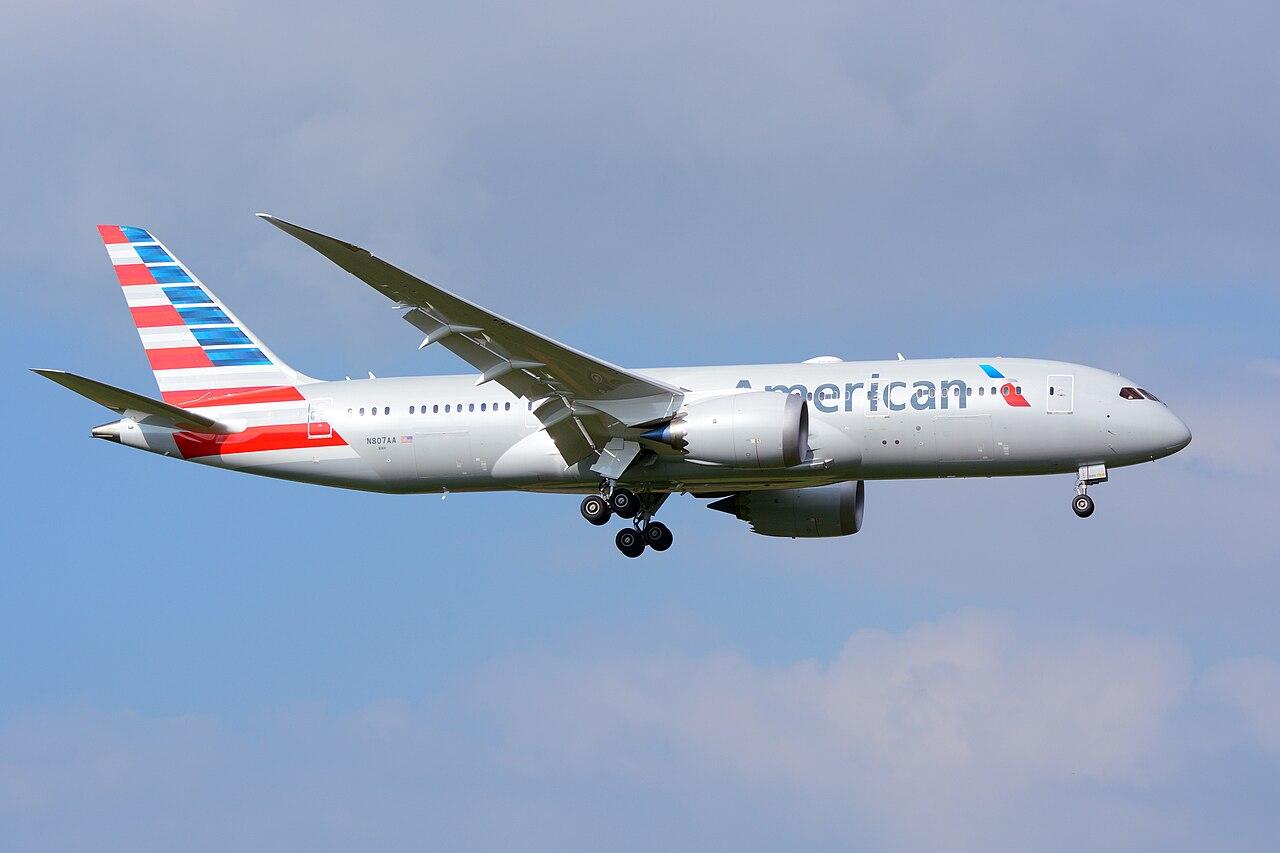
American Airlines Adds Seven New International Routes in Winter Schedule
American Airlines launched seven new international routes during the 2026-27 winter season, expanding its presence across North America, South America, Europe, and Asia with strategic use of narrowbody and widebody aircraft.
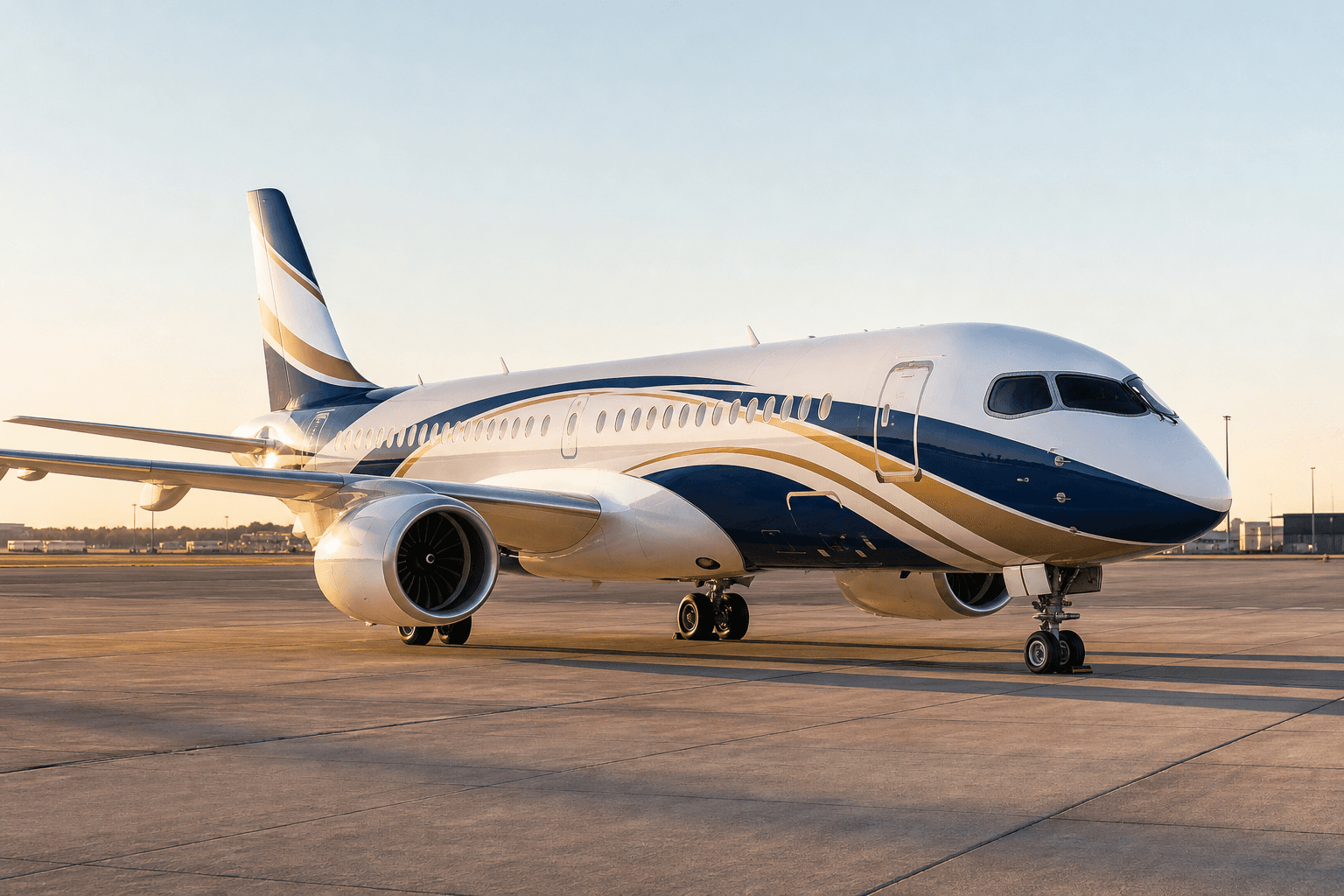
Magnifica Air Orders 10 Airbus ACJ220-300s Featuring Private Suite and 54 Seats
Florida-based Magnifica Air confirms purchase of ten ACJ220-300 corporate jets, expanding its fleet and offering a private suite in a 54-seat luxury layout.
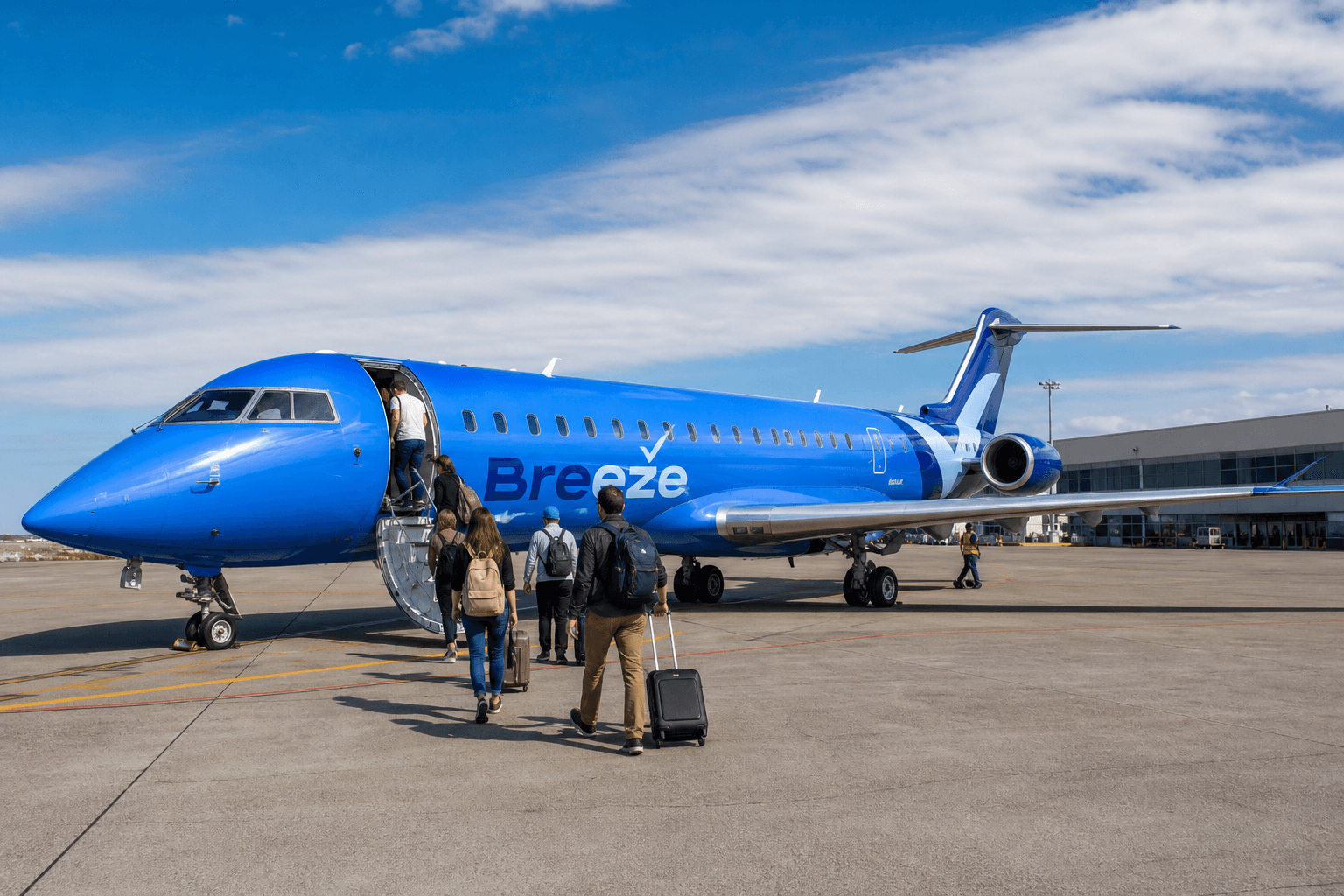
Breeze Airways Expands Selectively Into Spirit Airlines' Former Leisure Routes
After Spirit Airlines ceased operations in May 2026, Breeze Airways has strategically moved into smaller regional airports and leisure destinations, avoiding major trunk routes and congested hubs.
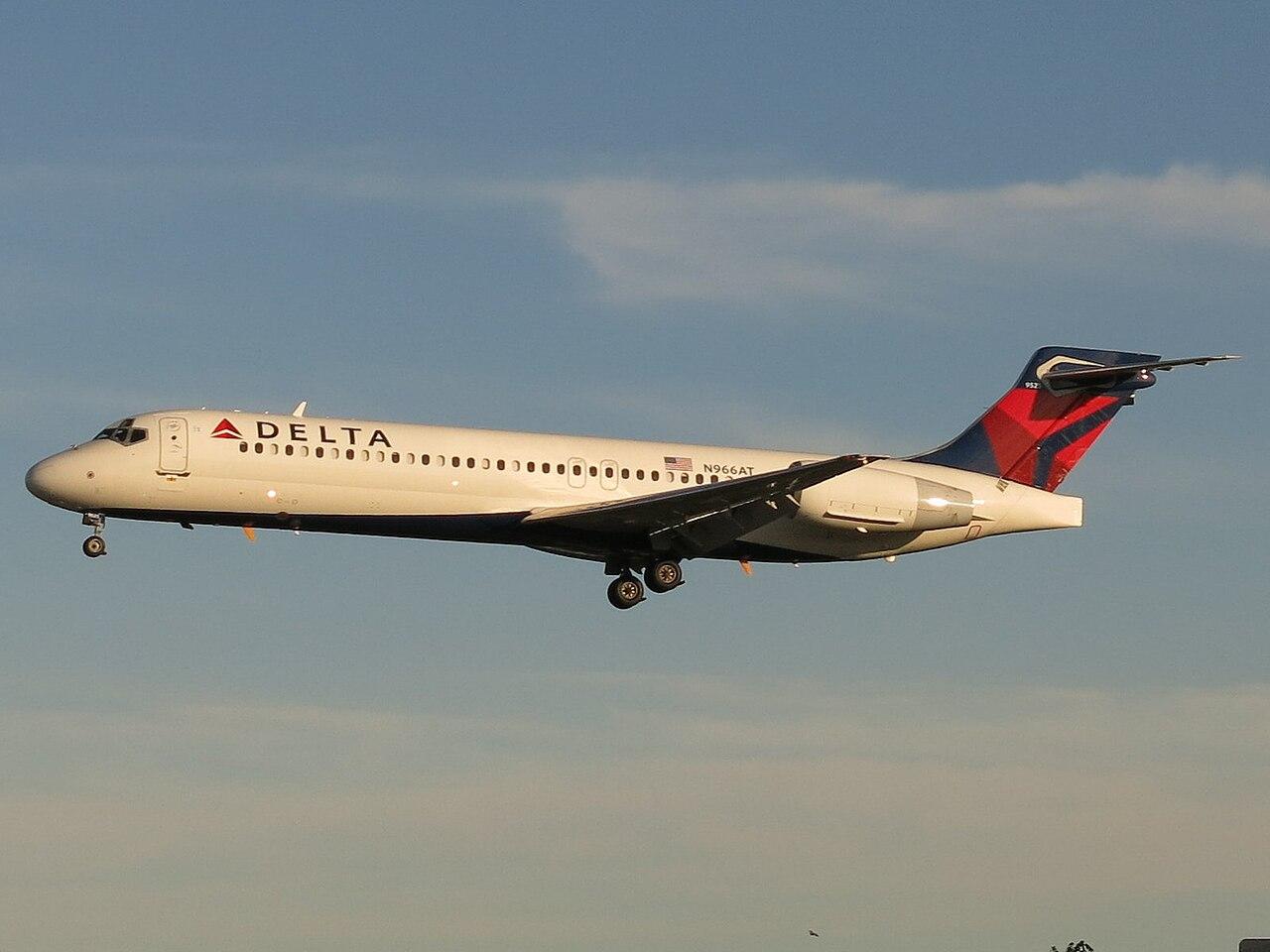
Delta Air Lines Uniquely Operates Mainline Jets with Under 110 Seats in U.S.
Delta's mainline fleet includes the 109-seat Airbus A220-100 and 110-seat Boeing 717, making it the only major U.S. airline with mainline jets under 110 seats, influenced by pilot agreements and operational strategy.
The Daily Touch & Go
The day's best aviation news in your inbox. Free, no spam.