

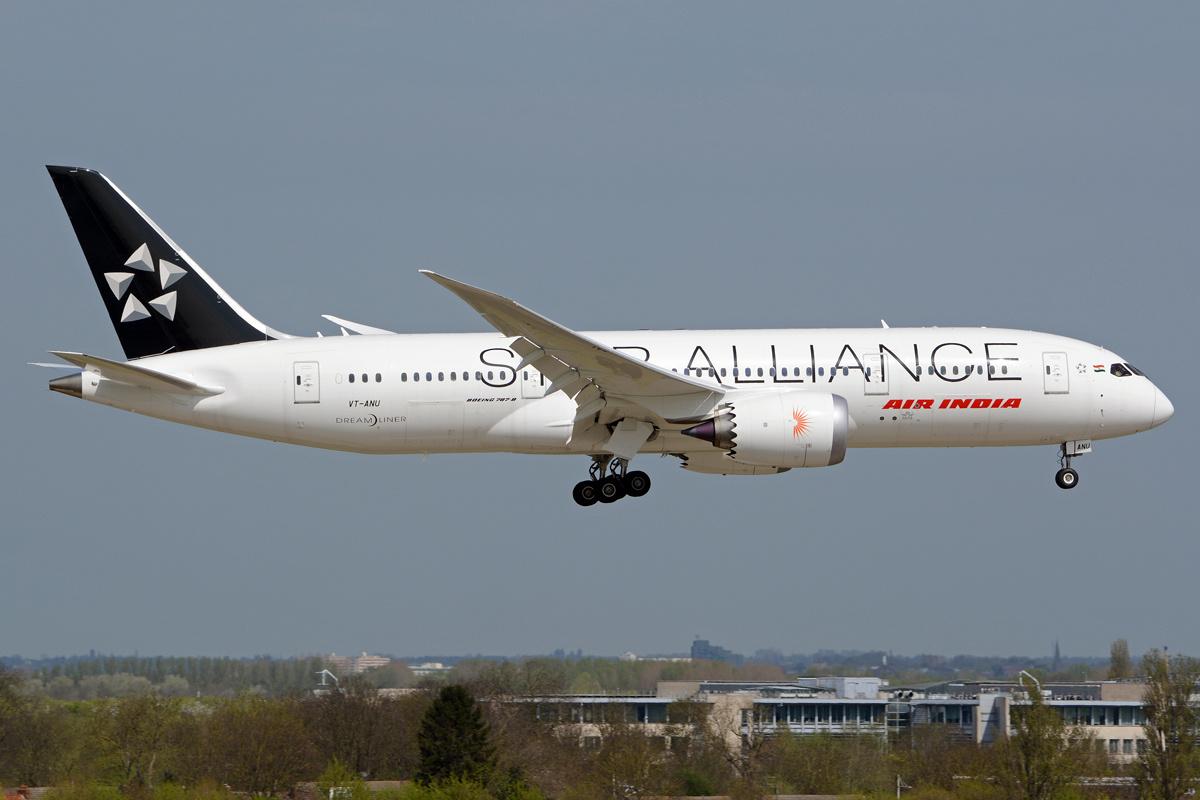
Image: Richard Vandervord · CC BY-SA 4.0 · via Wikimedia Commons
IATA Reports Nearly Half of Air Accident Investigations Lack Published Final Reports
Almost 50% of international air accident investigations fail to produce public final reports, hindering hazard identification and safety improvements, warns IATA.
The gist
Nearly half of air accident investigations worldwide remain incomplete without final reports, limiting vital safety progress, says IATA.
The International Air Transport Association (IATA) revealed that approximately half of all international air accident investigations do not result in published final reports. This absence of completed investigations hampers the broader aviation community's ability to learn from incidents and implement safety measures. IATA safety director Mark Searle described the persistent 50% publication shortfall as unacceptable during the International Aviation Safety Summit held in Montreal on November 12.
Two highly publicized crashes illustrate the challenge. The June 2025 crash of an Air India Boeing 787, which claimed 260 lives shortly after departure from Ahmedabad, and the March 2022 crash of China Eastern Airlines Flight MU5735, with 132 fatalities, both lack finalized public reports. While preliminary results and interim updates provide some information, neither replaces the comprehensive conclusions and safety recommendations found in concluded investigations.
International aviation rules, guided by the International Civil Aviation Organization (ICAO) through Annex 13 of the Convention on International Civil Aviation, set out the framework for accident investigation reporting. This includes a preliminary report within 30 days and a final report as soon as feasible, ideally within 12 months. If investigations extend beyond a year, the responsible state must issue interim updates annually to inform on progress and emerging safety findings.
The goal of investigating accidents is prevention, not fault-finding or legal judgment. Complete inquiries examine flight data, cockpit recordings, wreckage, maintenance, meteorological conditions, and air traffic control communications. The knowledge gained helps form recommendations for airlines, manufacturers, and regulators to enhance safety protocols across the industry.
A joint position paper by IATA and six aviation organizations found that only 140 of 268 accidents recorded globally between 2018 and 2023 had completed final reports as of mid-2024, leaving 48% unresolved. A subsequent IATA report in March 2026 cited a somewhat higher completion rate of 63% for accidents between 2019 and 2023. Differences in reporting periods mean the numbers are not directly comparable but both confirm substantial delays.
Delays in completing investigations often arise from shortages of personnel with specialized technical expertise and the complexity of inquiries, which require coordination across multiple countries and detailed technical analysis. Political sensitivities and criminal investigations can further complicate and prolong the process. For example, the China Eastern crash investigation has been hindered by ongoing speculation and a concurrent criminal inquiry.
Final reports serve a wide function beyond the immediate crash. Their recommendations can lead to industry-wide changes in aircraft design, pilot training, maintenance, and regulatory oversight. The absence of these reports leaves operators without clarity on potential safety risks, and leaves victims' families without definitive explanations. The Air India Boeing 787 crash investigation remains open over a year after the accident, with only interim updates published.
Despite investigation challenges, aviation maintains safety improvements. IATA's 2025 Annual Safety Report recorded 51 accidents over 38.7 million commercial flights, a rate of 1.32 accidents per million sectors, down from 1.42 in the previous year. The sustained safety performance does not lessen the need for timely accident analysis and the dissemination of lessons learned.
To increase final report publication rates, adequate funding, specialist investigators, and institutional support are required. IATA has advocated for international cooperation to support states with limited investigative capacities. Until these improvements occur, critical accident evidence will remain underutilized, delaying advancements in aviation safety.
Originally reported by Simple Flying
Read more
All Aviation Safety →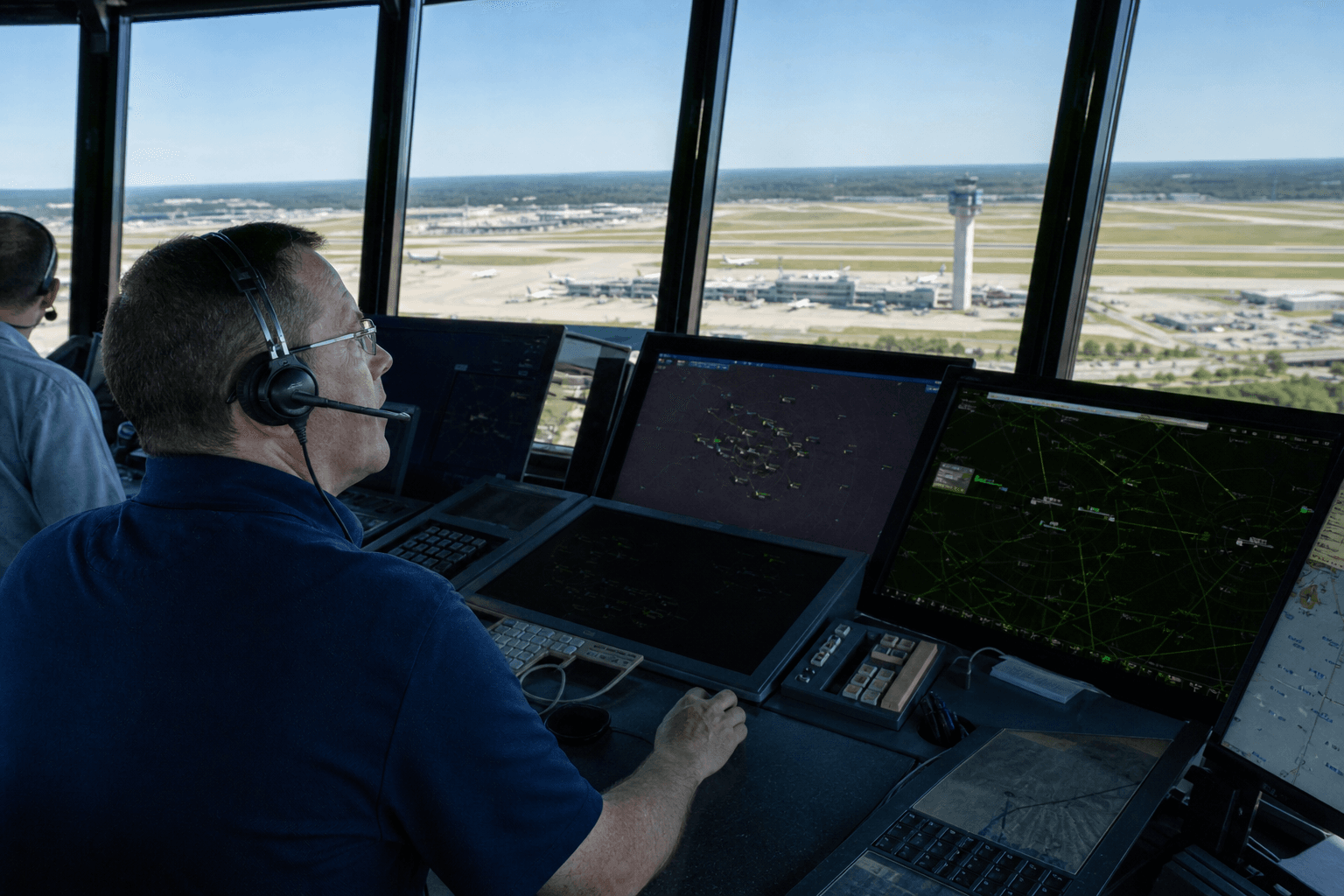
FAA orders nationwide ground stop after communication failures at all ARTCCs
The FAA has grounded all departing flights across US airports due to communication problems disrupting Air Route Traffic Control Centers, affecting en route flight management nationwide.
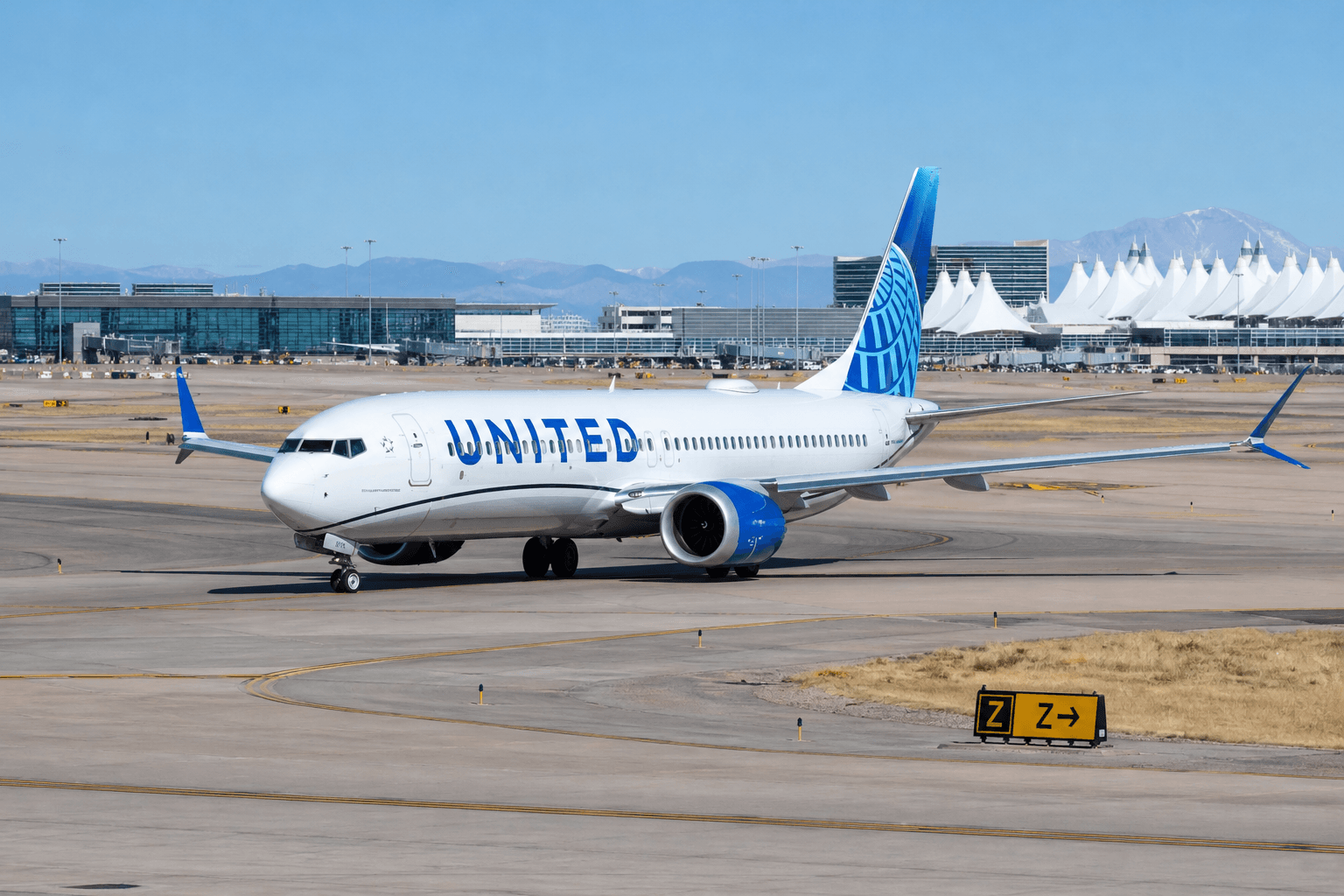
United Airlines Doubles Flights on Seven Denver Routes for Summer 2027
United Airlines will increase frequencies on seven domestic routes from Denver International Airport, doubling daily flights to several mid-sized cities for summer 2027.
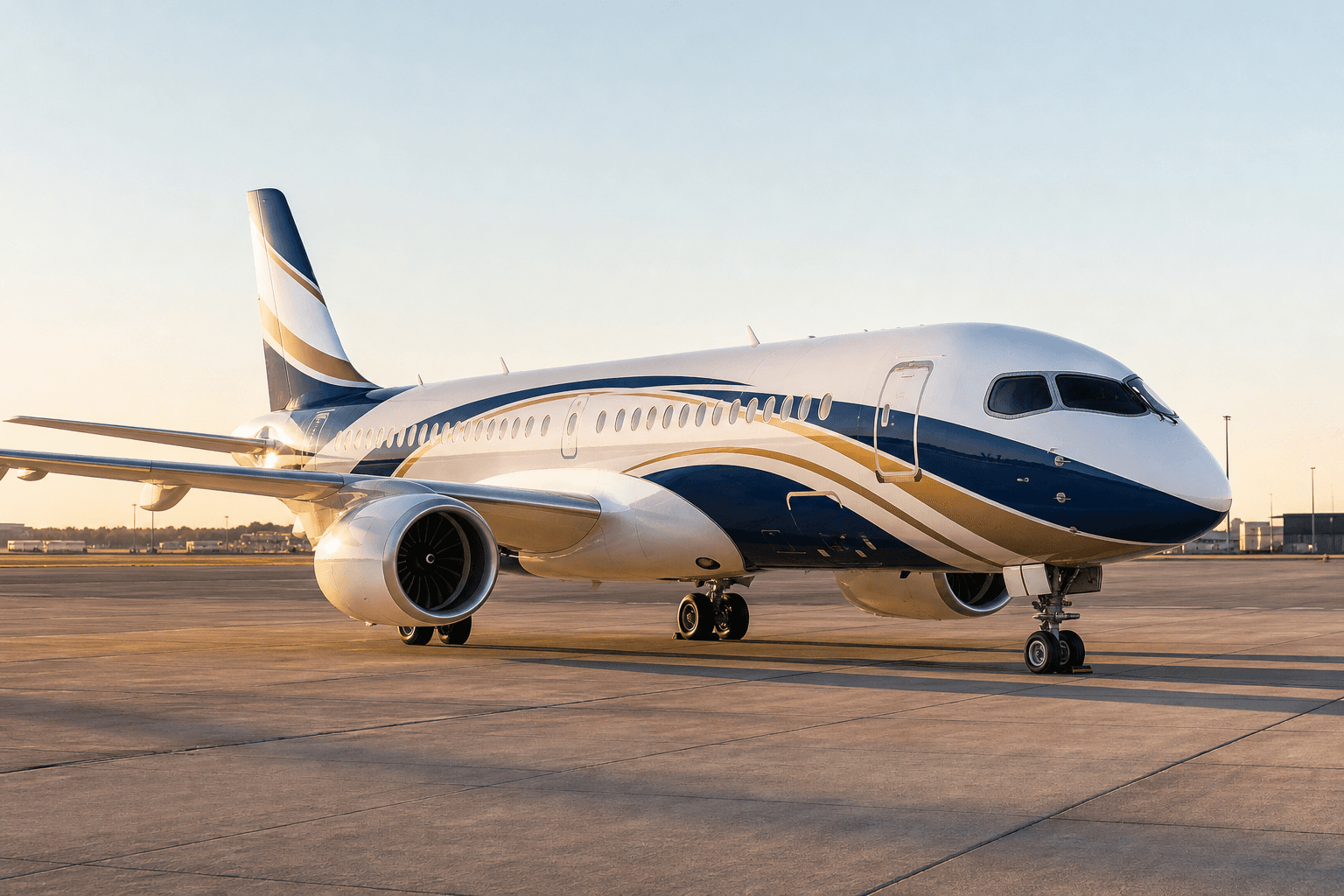
Magnifica Air Orders 10 Airbus ACJ220-300s Featuring Private Suite and 54 Seats
Florida-based Magnifica Air confirms purchase of ten ACJ220-300 corporate jets, expanding its fleet and offering a private suite in a 54-seat luxury layout.
Pilots on Ultra-Long-Haul A350 Flights Must Rest Two Hours Before Landing
Federal rules require the pilot flying the Airbus A350 during landing to have two consecutive hours of in-flight rest in the second half of the flight duty period.
The Daily Touch & Go
The day's best aviation news in your inbox. Free, no spam.