

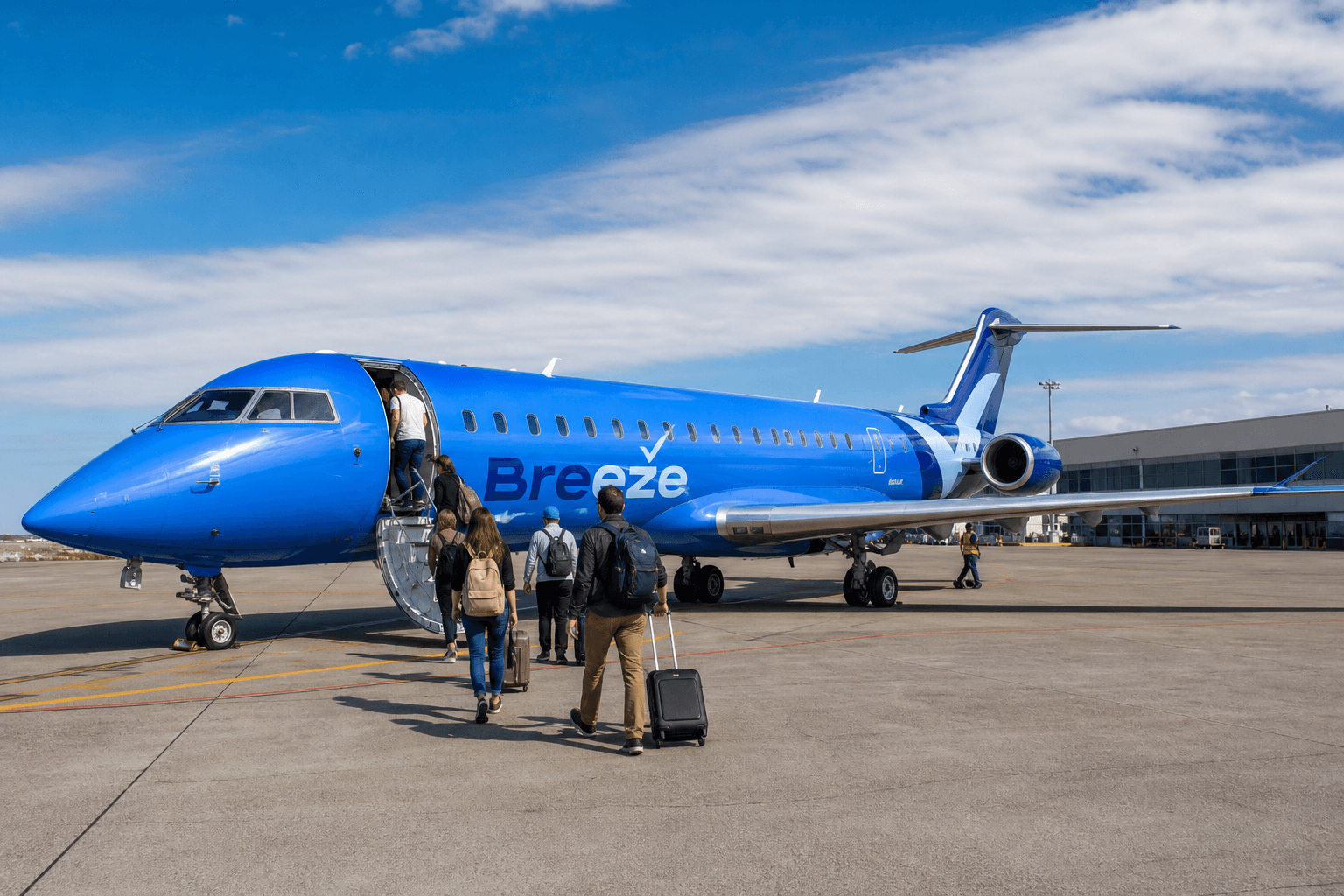
AI-generated illustration
Breeze Airways Expands Selectively Into Spirit Airlines' Former Leisure Routes
After Spirit Airlines ceased operations in May 2026, Breeze Airways has strategically moved into smaller regional airports and leisure destinations, avoiding major trunk routes and congested hubs.
The gist
Breeze Airways targets Spirit’s leisure routes at smaller airports, avoiding big trunk markets to suit its operating model.
The closure of Spirit Airlines in May 2026 left numerous US markets without commercial service, especially at smaller regional airports that relied heavily on Spirit’s low-cost network. Breeze Airways has seized this gap by quickly launching new routes to leisure destinations previously served by Spirit. However, Breeze’s approach is selective, prioritizing routes that fit its regional and point-to-point model rather than replicating Spirit’s full network.
Spirit’s bankruptcy and ultimate liquidation followed multiple failed restructuring efforts amid soaring fuel prices that surpassed $4 per gallon due to geopolitical energy disruptions. This financial strain pushed Spirit out of the market, particularly affecting smaller airports where Spirit was often the sole ultra-low-cost carrier. The sudden loss of inexpensive nonstop connections posed challenges for communities dependent on affordable leisure travel.
Breeze Airways identified these underserved markets as opportunities, choosing routes where existing competition is limited and demand for direct leisure flights remains strong. The airline is emphasizing smaller airports over large metropolitan hubs, focusing on seasonal and holiday travel rather than high-traffic business corridors. This strategy aligns with Breeze’s operating costs, aircraft configurations, and market positioning.
Arnold Palmer Regional Airport in Latrobe, Pennsylvania, exemplifies this approach. After Spirit’s exit, Latrobe lost all scheduled commercial service, impacting local travel accessibility and economic activity. Breeze Airways plans to restore flights with twice-weekly service to Myrtle Beach starting February 2027, and Orlando starting in May 2027. Both destinations are popular family vacation spots and avoid added travel through larger airports like Pittsburgh.
Fare offers on these routes are competitive, with introductory one-way prices from $49 to Myrtle Beach and $59 to Orlando. While additional fees may apply, these prices aim to attract price-sensitive leisure travelers familiar with Spirit’s low-cost model. Latrobe’s recent $28 million terminal expansion adds infrastructure capacity, making it feasible for Breeze to operate without the cost pressures of more congested airports.
Leisure-focused routes allow Breeze to tailor flight frequency to demand spikes during holidays and vacation seasons, often operating limited weekly services rather than daily flights. This flexibility suits an airline testing new markets with concentrated passenger interest. Breeze’s service expansion at Tampa International Airport similarly targets popular Caribbean and Mexican destinations such as St. Thomas, Cancún, and Montego Bay, starting mid-December 2026.
At Tampa, Breeze is connecting travelers to high-demand leisure spots without entering direct competition on the airport’s busiest business routes to Atlanta, Denver, Chicago, Charlotte, and Dallas/Fort Worth. This focus on convenient, affordable nonstop service appeals particularly to leisure passengers prioritizing simplicity over extensive connecting networks, supporting Breeze’s niche in a changing US market landscape.
By avoiding Spirit’s largest and most competitive trunk routes, Breeze Airways minimizes costly fare battles and infrastructure challenges while building its brand in previously underserved leisure markets. This measured expansion reflects a strategic adaptation to post-Spirit market dynamics, where ultra-low-cost options remain in demand but must align with operational sustainability and local economic realities.
Originally reported by Simple Flying
Read more
All Airlines →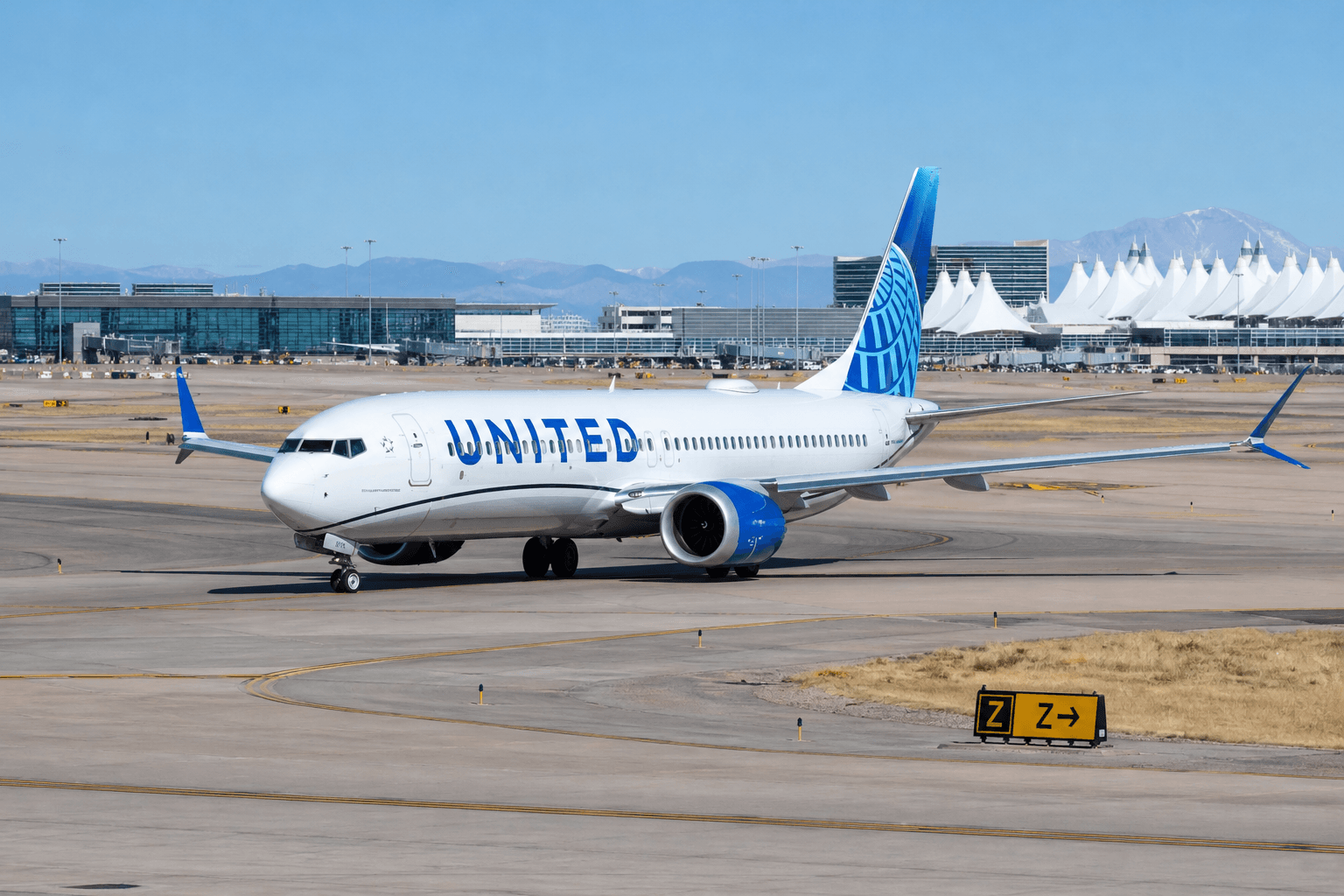
United Airlines Doubles Flights on Seven Denver Routes for Summer 2027
United Airlines will increase frequencies on seven domestic routes from Denver International Airport, doubling daily flights to several mid-sized cities for summer 2027.
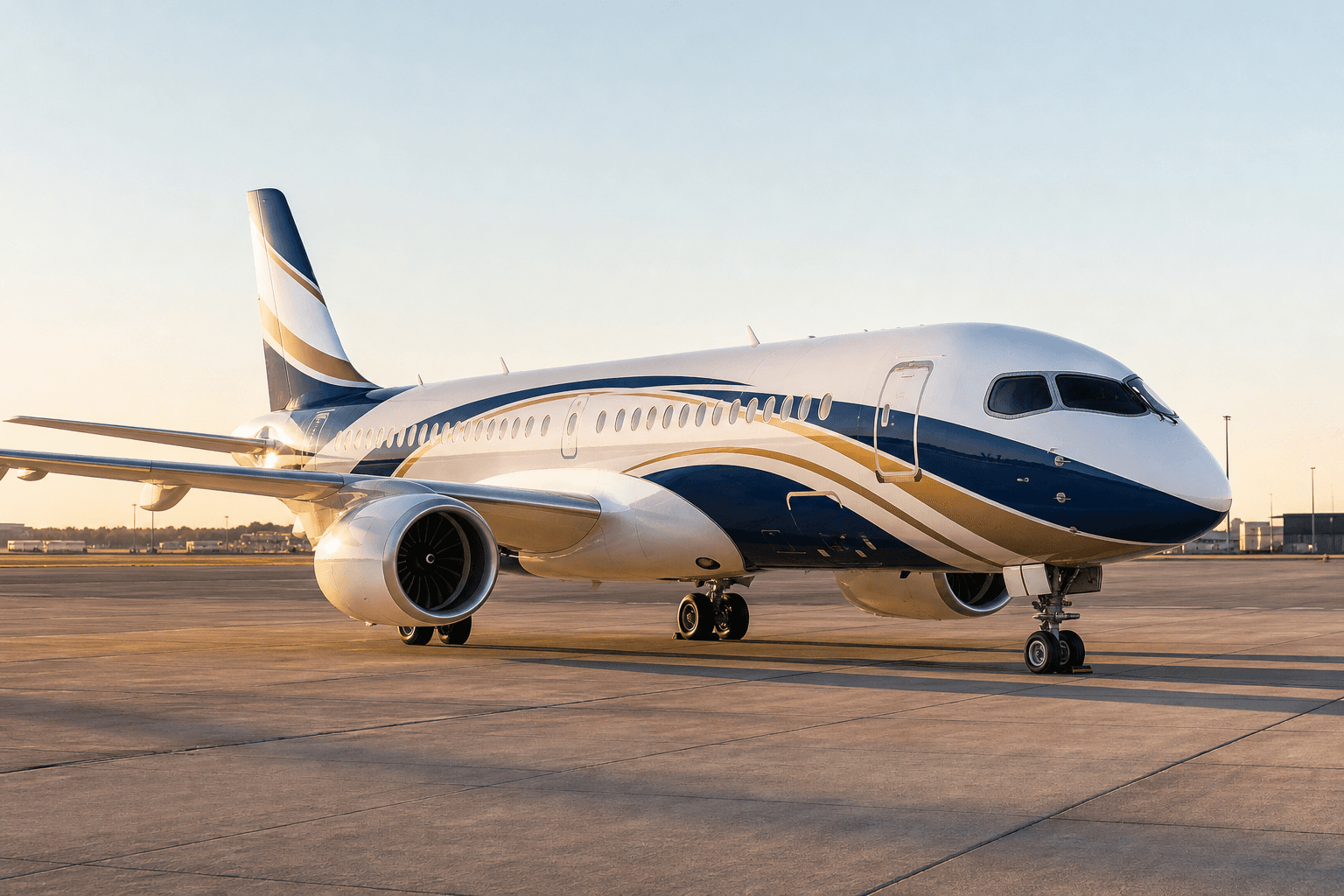
Magnifica Air Orders 10 Airbus ACJ220-300s Featuring Private Suite and 54 Seats
Florida-based Magnifica Air confirms purchase of ten ACJ220-300 corporate jets, expanding its fleet and offering a private suite in a 54-seat luxury layout.
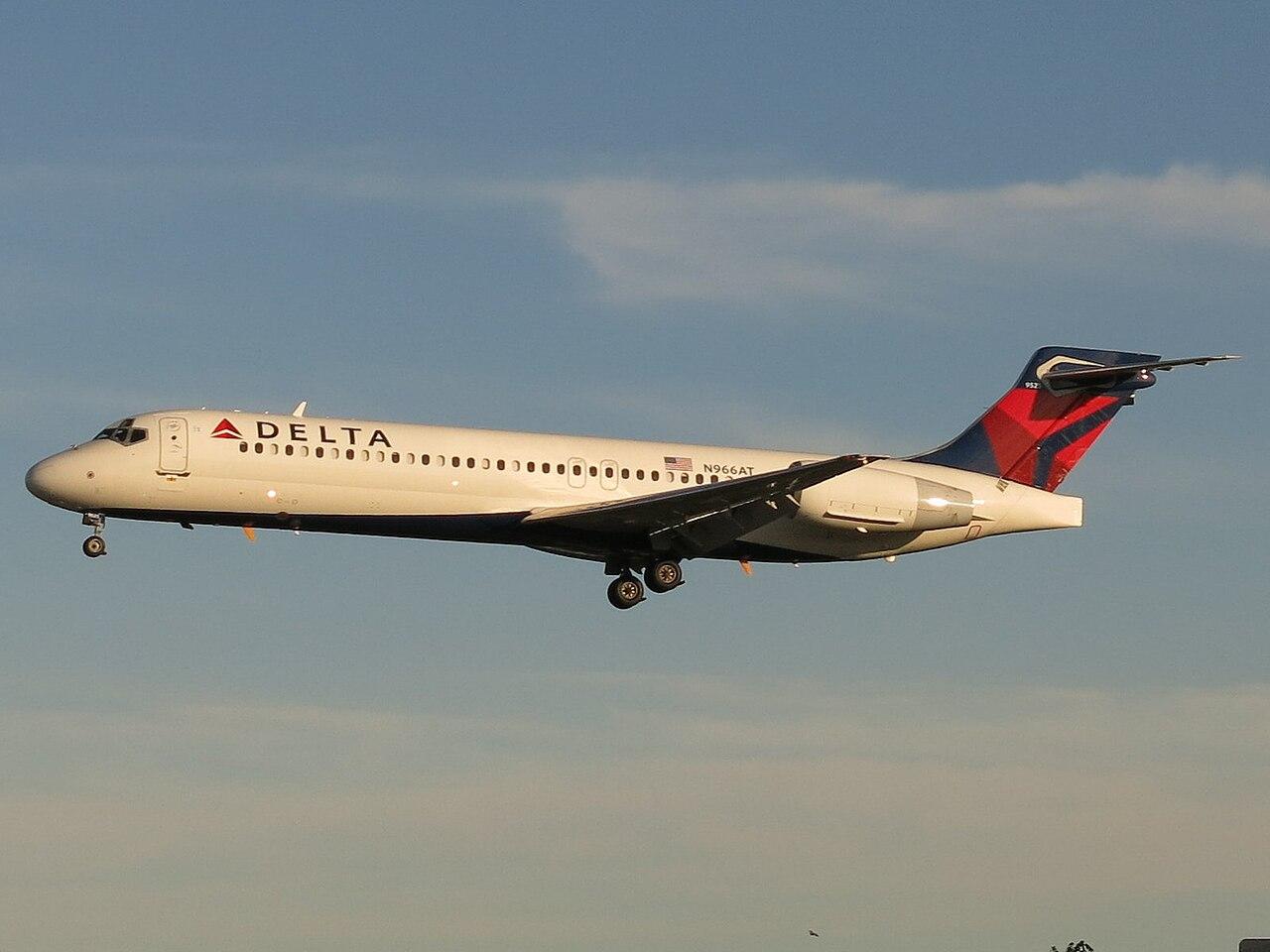
Delta Air Lines Uniquely Operates Mainline Jets with Under 110 Seats in U.S.
Delta's mainline fleet includes the 109-seat Airbus A220-100 and 110-seat Boeing 717, making it the only major U.S. airline with mainline jets under 110 seats, influenced by pilot agreements and operational strategy.
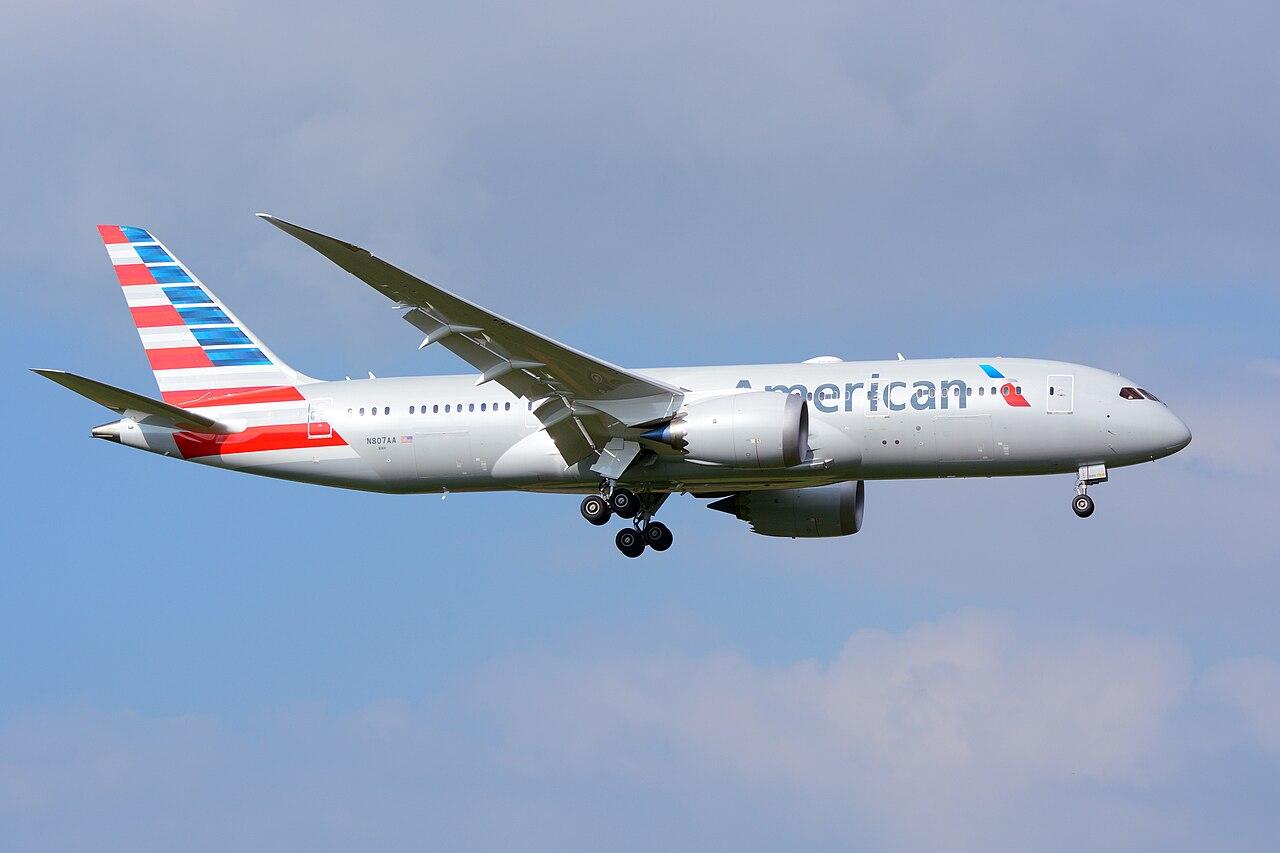
American Airlines Adds Seven New International Routes in Winter Schedule
American Airlines launched seven new international routes during the 2026-27 winter season, expanding its presence across North America, South America, Europe, and Asia with strategic use of narrowbody and widebody aircraft.
The Daily Touch & Go
The day's best aviation news in your inbox. Free, no spam.