

Illustration: The Touch & Go
Thermal Management Poses Key Challenge for 6th-Generation Fighter Development
Managing heat effectively is a critical hurdle for engineers designing 6th-generation fighters, impacting radar cross-section reduction and operational range.
The gist
Controlling heat is crucial and challenging for next-gen fighter jets, affecting stealth and performance.
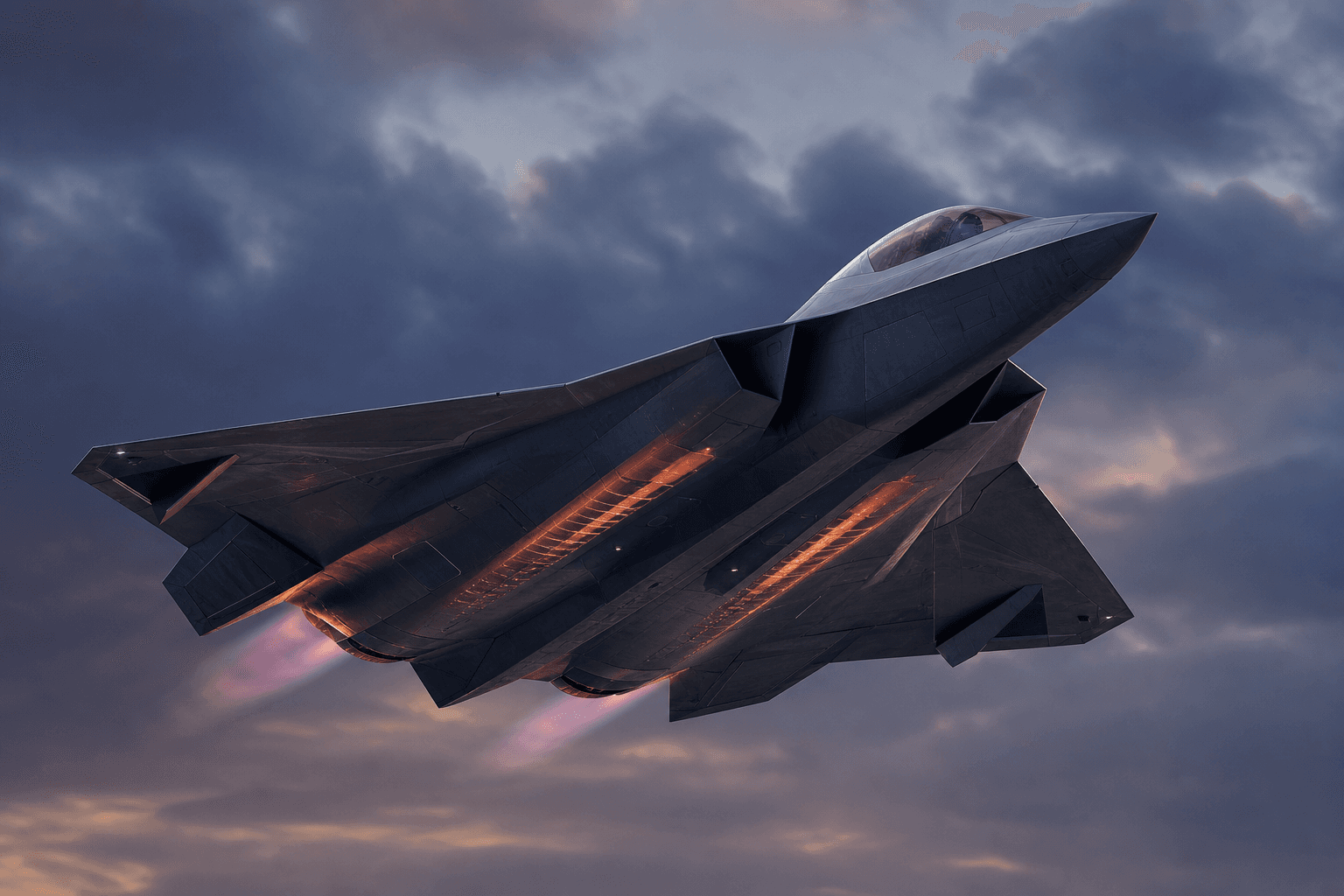
As militaries push forward with the design of 6th-generation fighter aircraft, one of the most formidable technical obstacles is thermal management. Engineers must find ways to effectively dissipate the intense heat generated by advanced onboard systems and propulsion without compromising aircraft performance or stealth capabilities. This challenge is integral because excessive heat signatures can increase radar cross-section (RCS), undermining stealth advantages.
The integration of more powerful engines and sophisticated avionics in these fighters results in substantial thermal loads. These heat sources must be controlled to avoid detection by enemy sensors, necessitating innovative cooling solutions that also preserve range and endurance. Balancing thermal control and weight is crucial, as adding bulky cooling systems could reduce fuel efficiency and overall mission effectiveness.
Controlling thermal emissions directly influences the aircraft's radar visibility. Stealth technologies rely not only on shaping and materials but also on minimizing infrared signatures associated with heat dissipation. Engineers are exploring advanced materials and cooling techniques to maintain low observability while supporting the high power output of next-generation systems.
The challenge of thermal management has become more pronounced as 6th-generation fighters are expected to carry more powerful sensors, weapons, and electronic warfare suites than previous generations. These capabilities demand increased electrical power, which in turn generates more heat. Effective thermal solutions will be key to realizing the performance benefits of these advanced systems without compromising stealth or range.
Addressing these issues now will shape the success of upcoming fighter programs worldwide. Innovations in heat reduction and dissipation technologies will likely have implications beyond military aircraft, potentially influencing broader aerospace and defense sectors. The ability to manage thermal signatures effectively could redefine air combat by enabling longer, stealthier missions with more capable platforms.
Read more
All Military/Defense →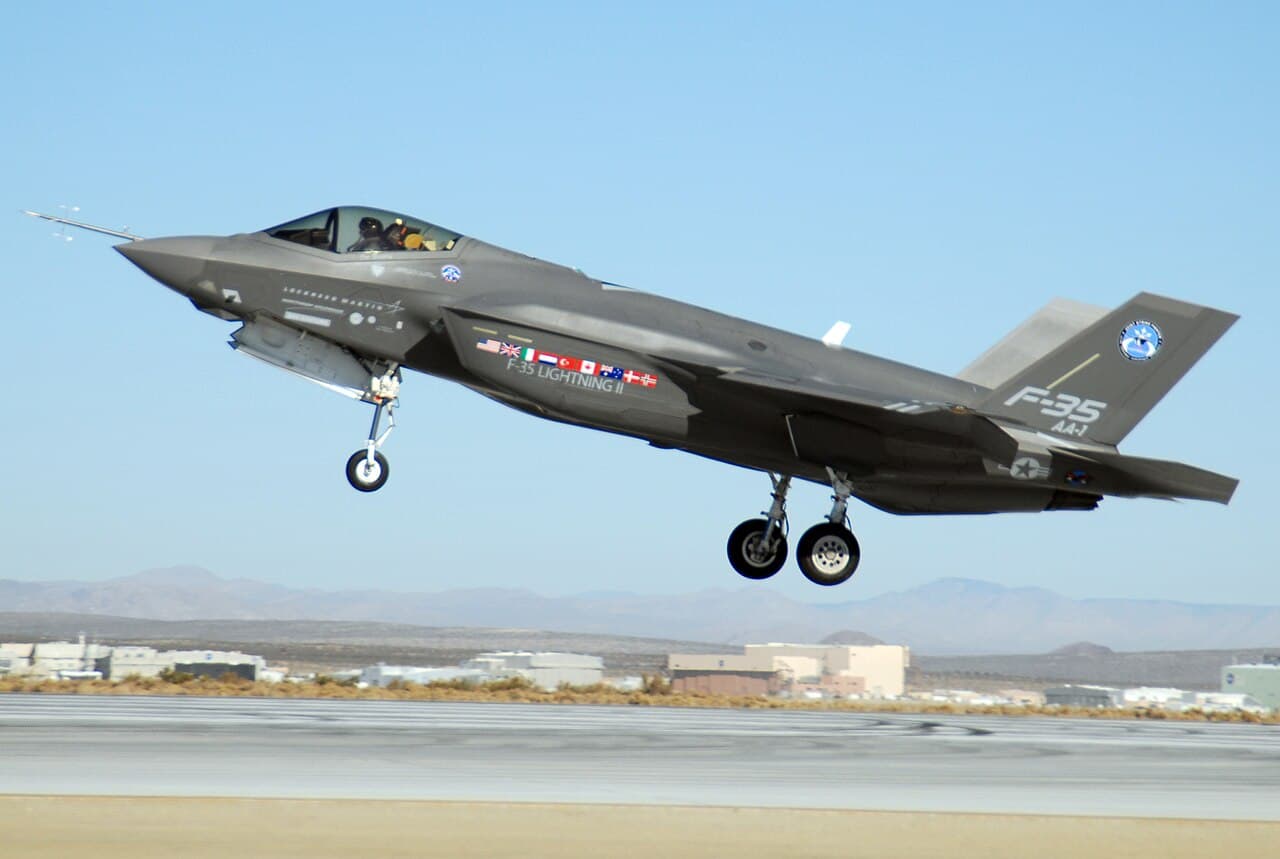
Top Aces Flies Private Skyhawks and Alpha Jets Against Danish F-35As in Training Trial
The training took place in April and May as part of a trial demonstration of commercially provided aggressor services for the Royal Danish Air Force. Privately owned fighter jets from commercial operator Top Aces have flown against Lockheed Martin F-35As from the Royal Danish Air Force (RDAF) in air combat exercises. The drills took place…
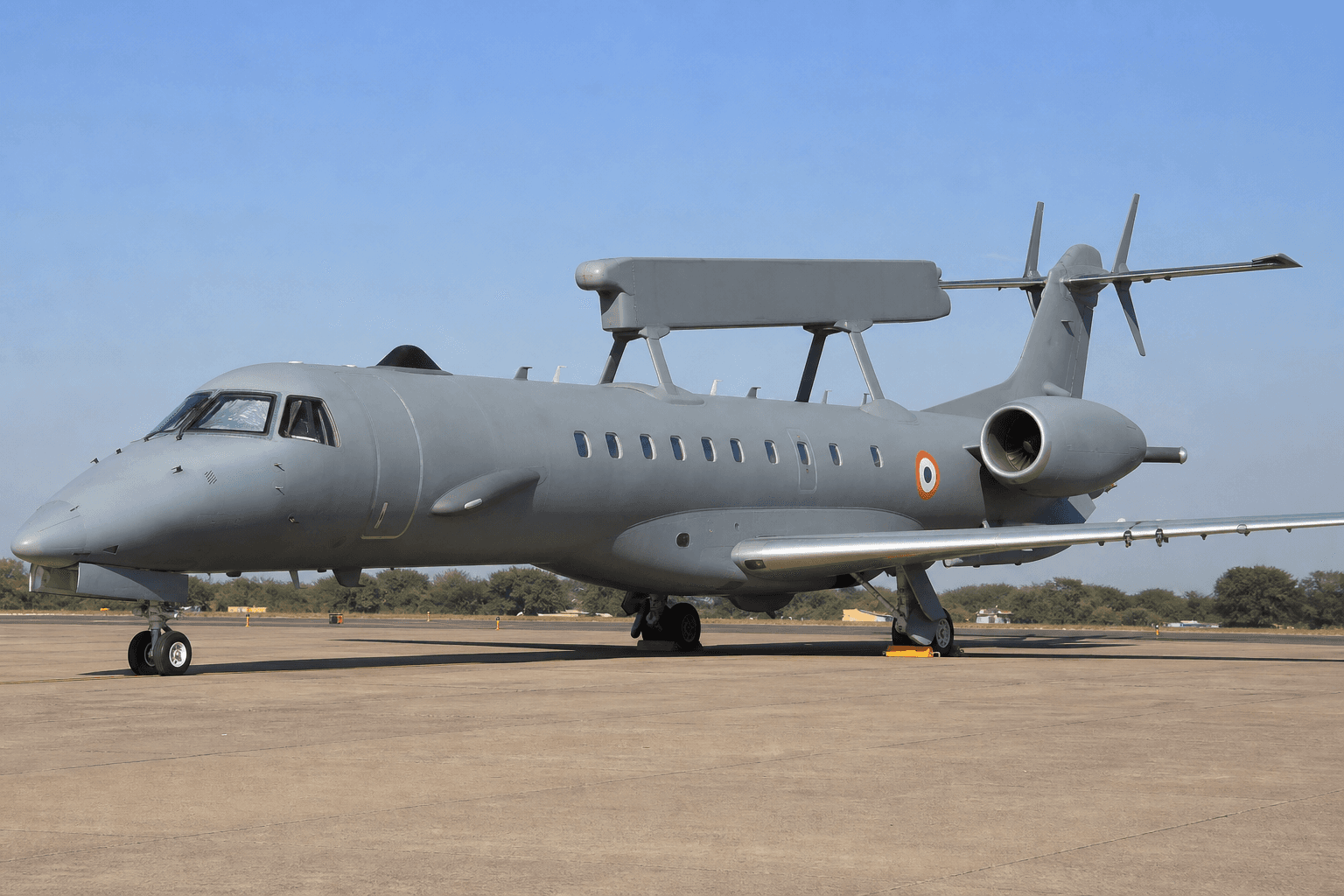
India formally declares Netra Mk 1 AEW fleet fully operational with final clearance
The early warning and control aircraft are modified Embraer ERJ-145 regional jets. India's Defence Research and Development Organisation (DRDO) has declared the country's airborne early warning fleet fully operational. The milestone came on 25 June in Bengaluru, where the Indian air force's fleet of Netra Mk 1 jets received final operational clearance (FOC) from the…

Airbus and Kawasaki collaborate on Japanese Eurodrone adapted for anti-submarine warfare
Airbus has signed a memorandum of understanding (MoU) with Kawasaki Heavy Industries to study a Japanese anti-submarine warfare (ASW) version…
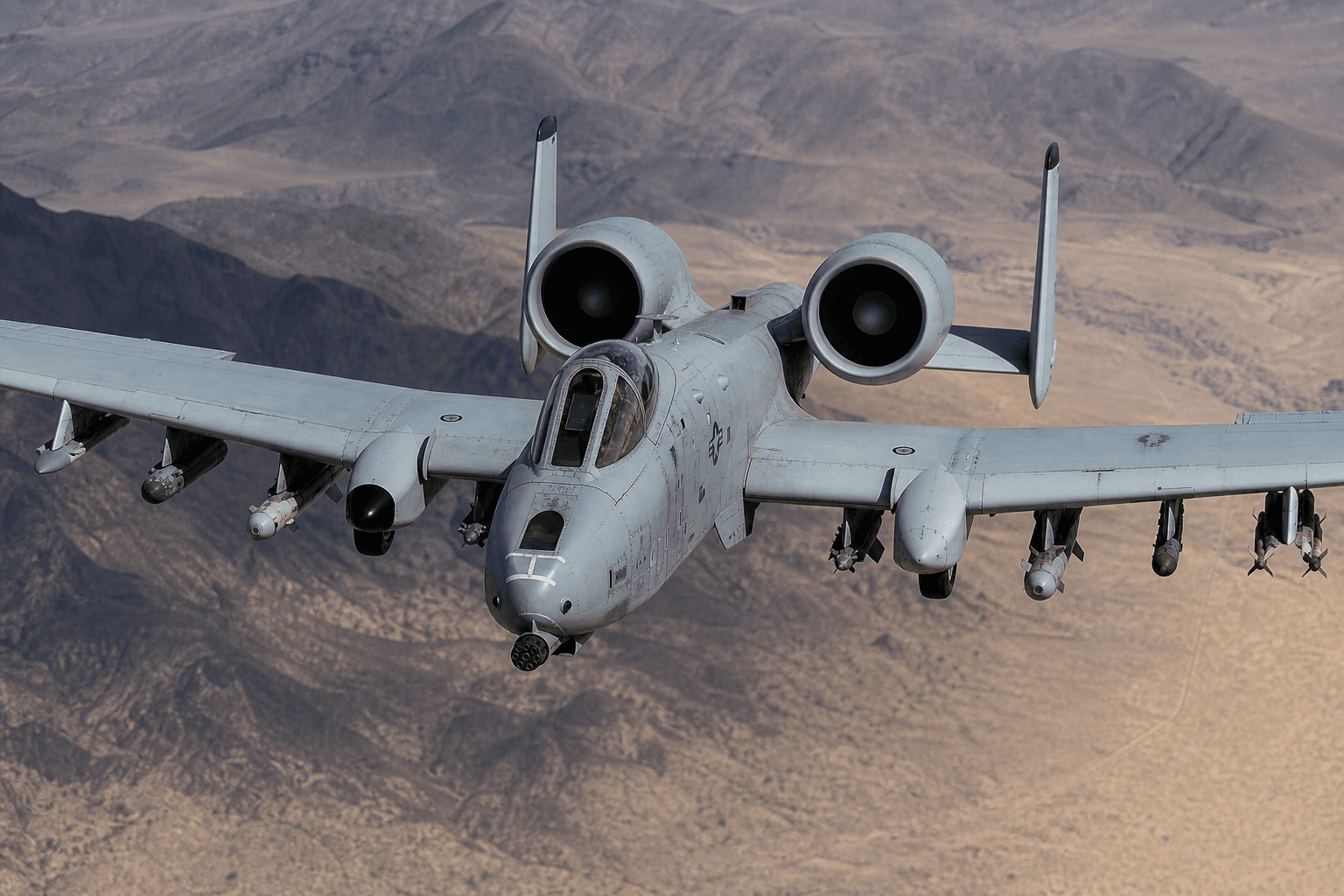
USAF Extends Service of 54 A-10 Warthogs Beyond Operation Epic Fury Completion
Even though the USAF has indicated it will keep three squadrons of Warthogs in service for a couple extra years, it doesn't change the calculous.
The Daily Touch & Go
The day's best aviation news in your inbox. Free, no spam.