

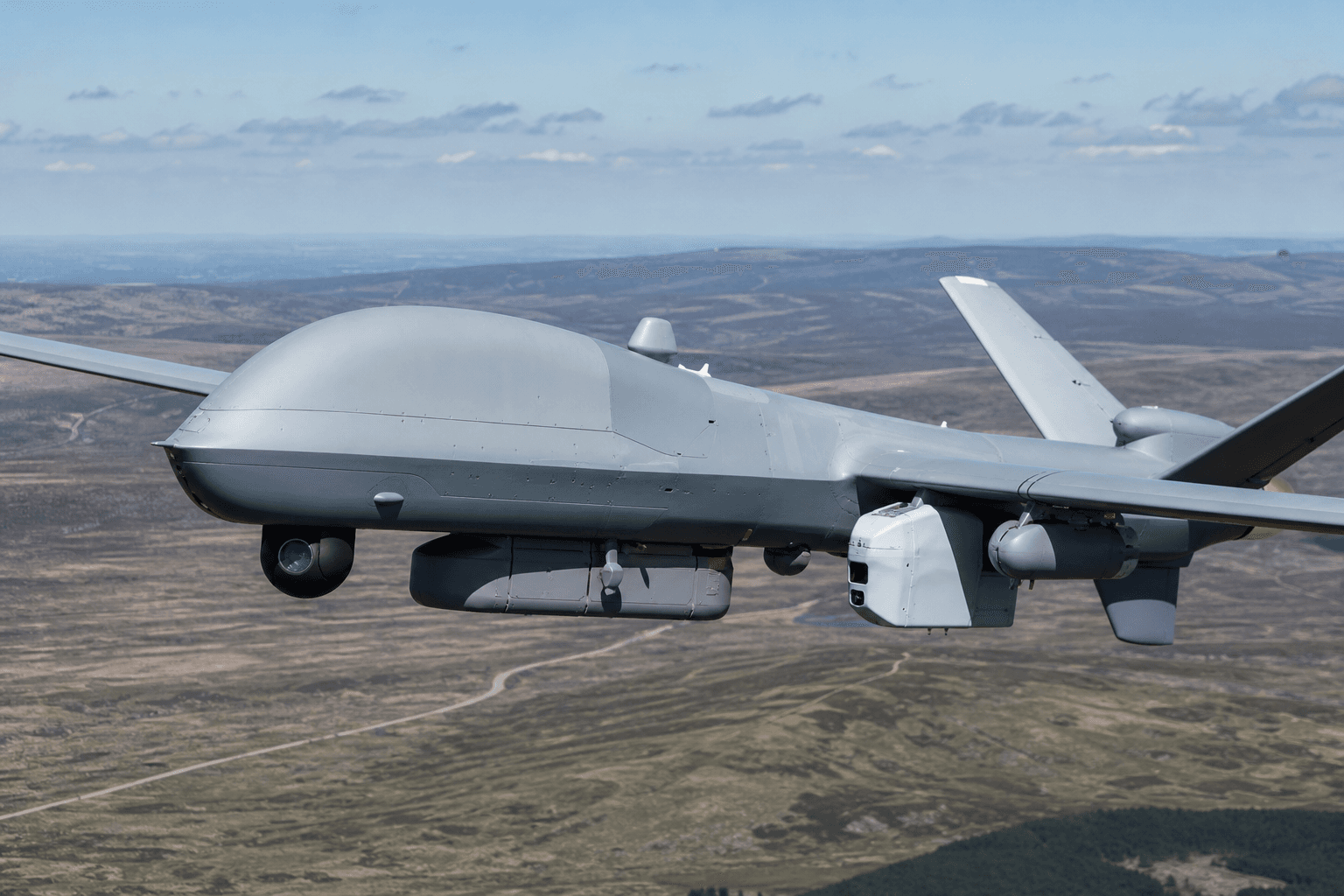
Illustration: The Touch & Go
UK Ministry of Defence Funds PYRAMID Open Avionics for Drones, Swarms, and Sixth-Gen Fighters
UK Defence Innovation awards £2 million to advance PYRAMID open avionics architecture in uncrewed systems and future combat platforms, enhancing modularity, interoperability, and software reuse.
The gist
UK MOD invests £2 million to develop PYRAMID open avionics architecture across drones, swarms, and cutting-edge combat aircraft platforms.
The United Kingdom's Ministry of Defence (MOD) is accelerating its commitment to open avionics architecture with a recent £2 million funding boost aimed at incorporating PYRAMID standards into various uncrewed aerial and mission systems. This initiative, led by UK Defence Innovation (UKDI), is designed to foster modular avionics solutions that support enhanced capability upgrades over time and encourage a broader supplier base. The announcement, made on June 25, 2026, follows an earlier phase credited with expanding the ecosystem of PYRAMID-compliant components and software.
PYRAMID stands for a modular, open reference architecture referred to as the PYRAMID Reference Architecture (PRA), targeting both legacy and new platform avionics. This architecture allows software components to be reused across multiple platforms, which reduces development time and cost while ensuring easier maintenance and upgrading during an aircraft’s operational life. Additionally, the open framework seeks to reduce the UK's reliance on single suppliers by enabling interoperability among subsystems sourced from different vendors.
Key players in this latest funding round include four companies chosen to implement PRA standards across diverse use cases that span from individual drones to advanced combat aircraft. Barnard Microsystems is developing the PRA architecture into its all-electric AWAE-24 unmanned aerial vehicle, enabling operations of both individual drones and drone groups, and is also preparing to apply lessons learned to future designs that will require longer range and higher speeds.
Meanwhile, FLYBY Technology, led by former fighter pilot and weapons instructor Jon Parker, is targeting the integration of the PYRAMID Reference Architecture into flying combat platforms. This marks a significant step toward leveraging open avionics in manned and potentially unmanned combat aircraft, highlighting a transition from experimental applications to core operational assets.
Auterion, in collaboration with Frazer-Nash Consultancy, is focused on enhancing the Nemyx swarm autonomy platform with PYRAMID compliance. Their work aims to demonstrate how open architecture supports highly coordinated swarming uncrewed systems, which are increasingly important for modern battlefield scenarios.
A notable aspect of this phase is the emphasis on interoperability between UK and US avionics standards. Applied Intuition UK is working on an airborne targeting system compatible with both PYRAMID and the United States’ Future Airborne Capability Environment (FACE) standard. This dual compliance is crucial for the upcoming Global Combat Air Programme (GCAP), a UK-Italy-Japan venture to develop a sixth-generation fighter aircraft by 2035.
The GCAP’s multinational nature requires seamless avionics integration among partners, and efforts to align PYRAMID and FACE architectures position UK suppliers advantageously. Applied Intuition UK’s initiative indicates a strategic approach to ensuring that UK-built avionics components will be compatible with allied platforms, easing coalition operational coordination.
Mike Lane, the PYRAMID lead at the RAF Rapid Capabilities Office, emphasized the value of the initial phase in attracting UK and international partners and broadening the supplier base for compliant hardware and software. He described UKDI’s financial contributions as significant to accelerating open architecture adoption across the defence sector.
UK Defence Innovation has committed to continuing the promotion of PYRAMID and related funding opportunities beyond this current phase, reflecting the strategic importance of open avionics for future defence capabilities. This sustained investment highlights the UK MOD’s vision to modernize its aerial combat and mission systems by fostering open standards, modularity, and multinational interoperability.
Read more
All Military/Defense →
Six U.S. Combat Aircraft Lost and Crew Rescues Highlight Operation Epic Fury's Tough Toll
Since Operation Epic Fury was launched on February 28, 2026, 42 American aircraft have been lost in combat. Of those, 24 were MQ-9 Reaper drones and one an exceptionally rare MQ-4C Triton drone. The remaining were crewed aircraft, with four shot down and two destroyed on the ground by enemy fire.

US Military Pilots Weigh Retirement Benefits Versus Airline Pay After Service
The aviators of the US Armed Forces face a crossroads when they come to the end of their minimum active-duty service commitments. All the branches of the Department of Defense have their own core of professional aircrew. In the US Air Force and Army, the contracts to be a professional flyer come with a ten-year commitment. Meanwhile, the US Navy and the Marines have a slightly shorter minimum duty at eight years.
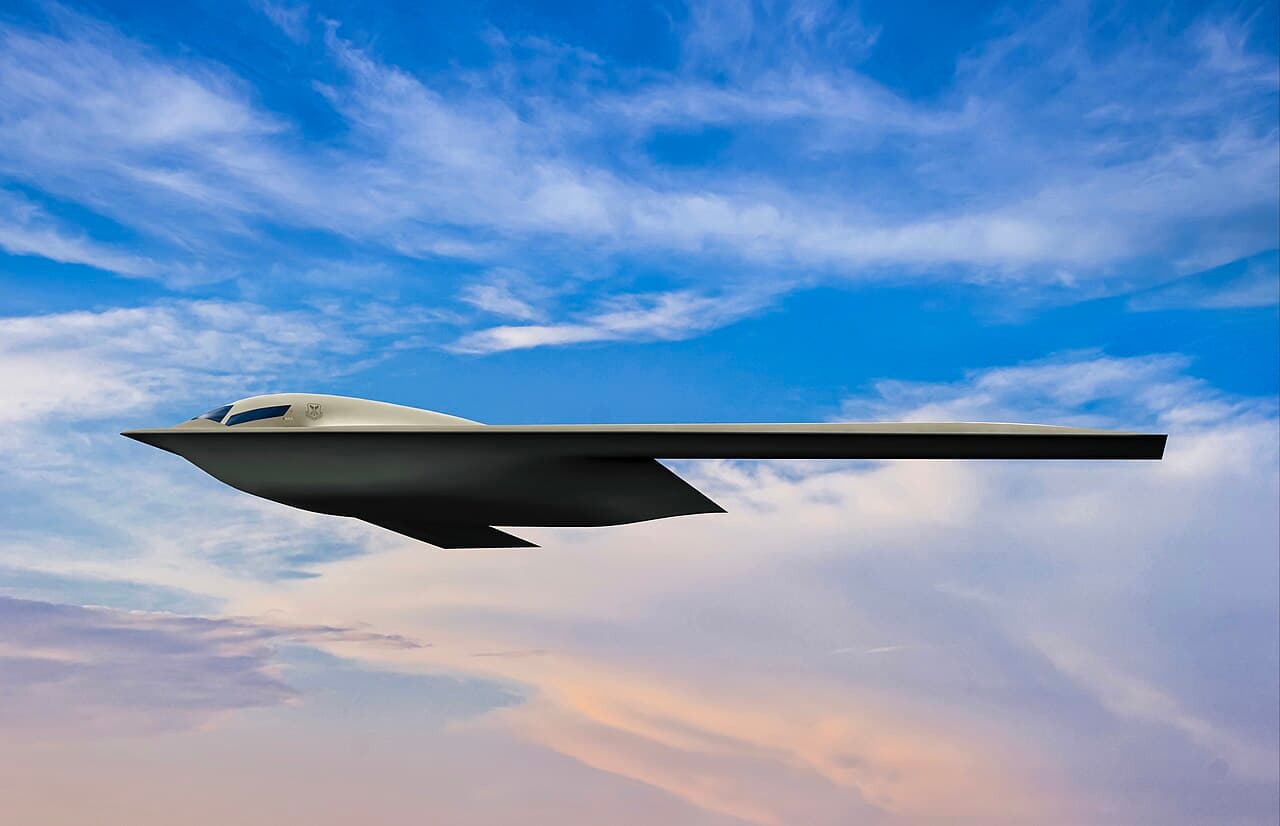
US Air Force invests over $19 billion to modernize five key bases, led by Guam and Ellsworth
The United States Air Force is pouring more concrete, steel, and taxpayer money into its bases right now than at any point since the Cold War, and the bill across just five installations already tops $19 billion. This list ranks those five reconstruction efforts by the size of the investment attached to each one, running from a $409 million jungle-clearing job in the Mariana Islands up to an $8 billion air defense shield on Guam .
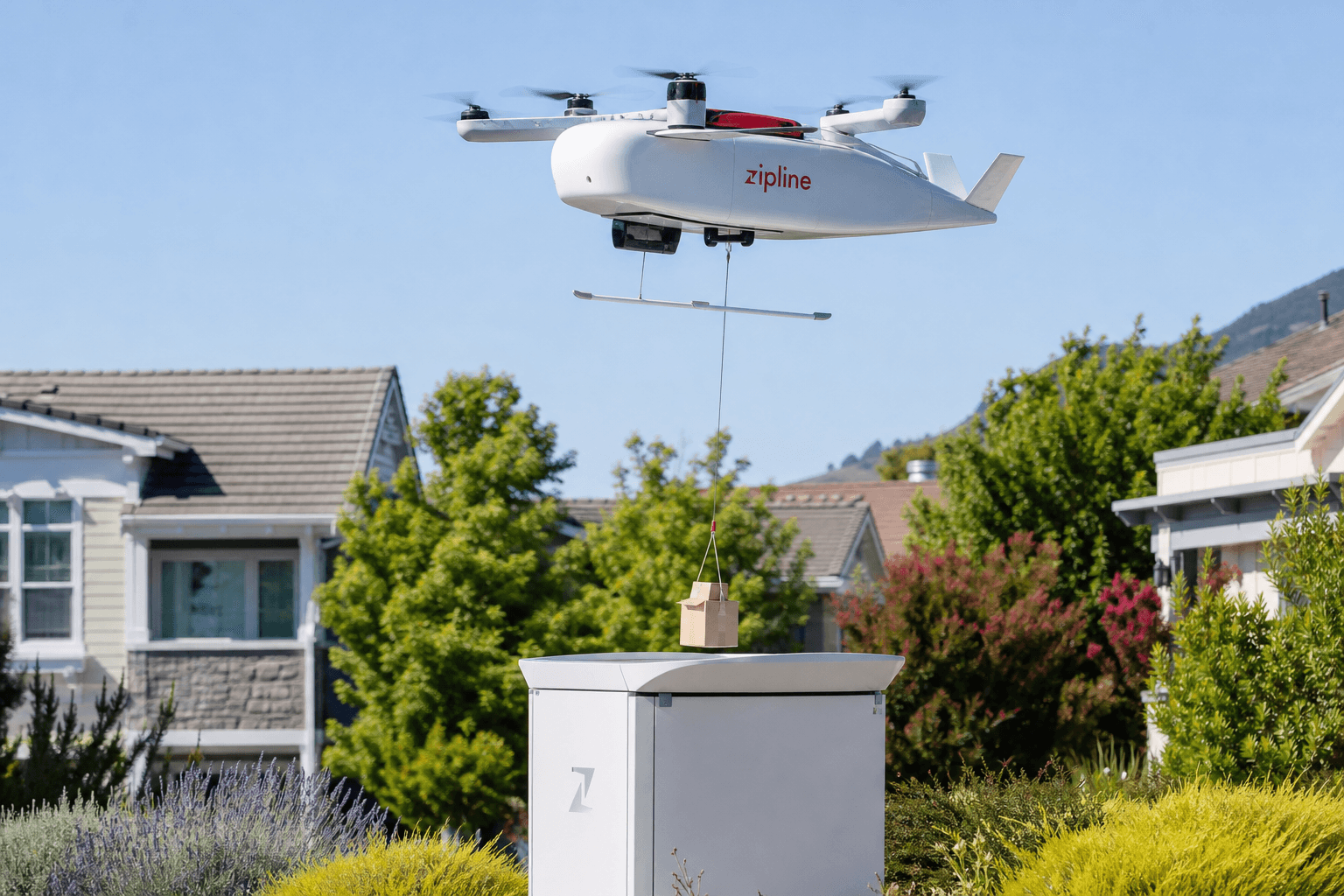
Uber, Zipline Aim for 1 Million Daily Drone Deliveries by 2029
App- and web-based delivery platforms from Walmart, Amazon, DoorDash, and now Uber are embracing small drones to slash trip times in a trend that could reshape low-altitude U.S. airspace. Uber on Monday announced it is partnering with drone manufacturer and operator Zipline, which is also a partner of Walmart and competitor Wonder , the parent company of Grubhub. By the end of 2029, Uber and Zipline hope to achieve a cadence of 1 million daily drone deliveries, with "goals to expand far beyond that." The partners said the first deployments will begin this year in Dallas, Houston, and other cities where Zipline already operates, expanding as the company scales to dozens of other areas. Zipline in a news release called the move "one of the biggest steps toward expanding Zipline's service to every home in the U.S." "Our goal is for millions of people to be able to order lunch, dinner, snacks, and more through the Uber Eats app and have them delivered by Zipline" in five to 10 minutes, the company said. In a show of confidence, Uber is also making a strategic investment of an undisclosed amount in Zipline. "We look forward to bringing this technology to more communities and making autonomous delivery part of everyday life," said Dara Khosrowshahi, CEO of Uber, in a statement. Zipline's Platform 2 (P2) drones, or Zips, cruise at about 70 mph with up to 8 pounds of cargo, capable of 24-mile, one-way trips or flying within a 10-mile service radius. At the delivery location, the drones unfurl a tether to lower orders—stored within a smaller "droid"—to the ground from as high as 300 feet. Zips are designed for hub-and-spoke or dock-to-dock operations, delivering to the customer's front yard or public locations such as a park. Store employees load orders into a container called a Dropbox , entering a code on a keypad to unlock a secure drawer. The Zip then lowers the smaller droid into the Dropbox and secures the order autonomously. Zipline began conducting medical drone delivery operations in Rwanda in 2016 and now serves more than 5,000 hospitals. It operates commercial on-demand and medical delivery services in Ohio, Arkansas, and Texas. The company said U.S. deliveries now make up about 70 percent of its volume. Beyond Zipline, Uber seeks to add an aerial element to its services in partnership with Joby Aviation, with which it is exploring commercial air taxi services beginning in the Middle East. Drone Delivery Set to Explode For years, ambitions of drone delivery were kept afloat by venture capital flowing to small startups or side projects of companies such as Amazon and Alphabet. The industry has since evolved from pilot programs to routine commercial services. The backing of platforms such as Uber could take it to new heights—with significant implications for low-altitude airspace. Uber's collaboration with Zipline pits it directly against rival DoorDash in the drone delivery business. In July, the latter revealed it is building its own delivery drone to complement the models it operates from Alphabet's Wing, Israel's Flytrex, and Ireland's Manna. DoorDash has explored U.S. drone delivery since 2024 but is now looking to bring more of those operations in-house, akin to Amazon's Prime Air unit that builds and operates its own drones. The company is putting the full weight of its DoorDash Labs automation division into developing an end-to-end network, including a software that determines which deliveries best lend themselves to drones. Wonder aims to add Zipline's drone delivery service to the majority of its Texas locations by the end of next year, and it recently trialled a service in New Jersey with partner Dexa. Walmart offers drone delivery from Zipline, Wing, and Flytrex through its app and website. Uber also works with Flytrex and is exploring the U.S. market in partnership with Manna. According to Uber, Zipline drones make a delivery every 20 seconds on average. The company says it has delivered over 20 million items across more than 2.5 million deliveries and 140 million miles flown. Achieving one million daily deliveries by 2029, though, will require even greater scale. Drone delivery operators represented by the Commercial Drone Alliance (CDA) and other lobbying groups are clamoring for the FAA's finalization of Part 108 , which would unlock routine operations beyond the visual line of sight (BVLOS) of humans. Instead, drones would rely on detect and avoid systems and uncrewed aircraft system (UAS) traffic management (UTM) platforms to keep operations safe. Part 108 would enable the scale the drone industry desires. But pilots have pushed back on some of the proposal's more permissive elements, such as the granting of right-of-way to drones over crewed aircraft in certain scenarios. The Air Line Pilots Association (ALPA) and others have expressed skepticism about the maturity of detect and avoid systems and their ability to prevent collisions. Proposed Part 108 reportedly moved to the federal Office of Information and Regulatory Affairs (OIRA) for review last month. That means the rule could be months or even weeks away from being finalized, and companies such as Uber and Zipline could soon face fewer restrictions on fully autonomous drone delivery.
The Daily Touch & Go
The day's best aviation news in your inbox. Free, no spam.