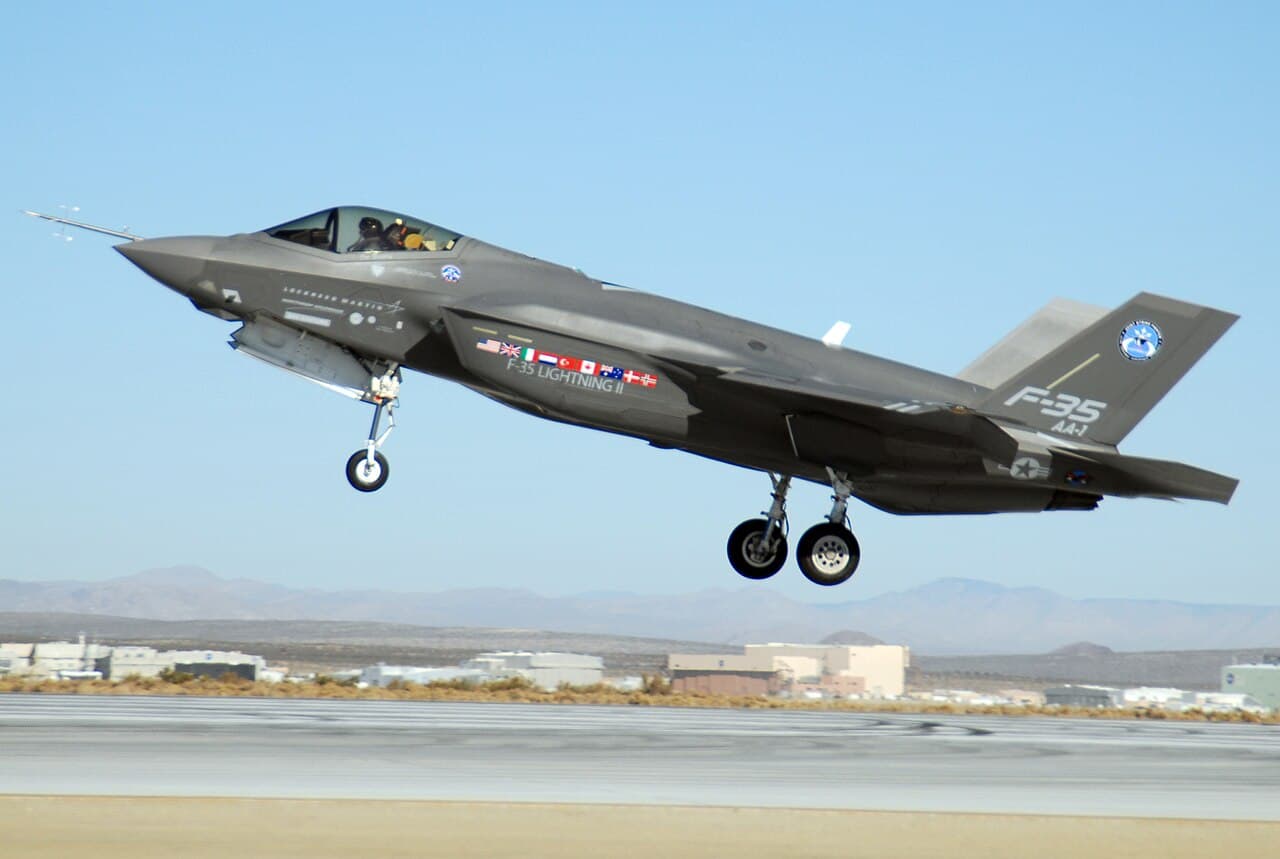
Image: U.S. Air Force photo/Senior Airman Julius Delos Reyes · Public domain · via Wikimedia Commons
Top Aces flies Skyhawks and Alpha Jets against Danish F-35As in adversary air trial
Privately owned Top Aces jets challenged Royal Danish Air Force F-35As during April-May exercises demonstrating commercial aggressor services.
The gist
Top Aces employed Skyhawks and Alpha Jets to provide adversary air support in Danish F-35 training trials, showcasing commercial threat replication capabilities.
Privately owned combat jets from Top Aces engaged in air combat exercises with Royal Danish Air Force (RDAF) Lockheed Martin F-35As during a trial demonstration held in April and May. These drills, recently confirmed by the RDAF, featured adversary air operations supporting Denmark’s fifth-generation fighter pilot training. The use of civilian-operated tactical jets marks an evolving approach to replicating threat environments against advanced military platforms.
Top Aces deployed its fleet of Douglas A-4N Skyhawks and Dornier Alpha Jets alongside and against the Danish F-35As from Fighter Wing Skrydstrup, Denmark’s tactical aviation hub. According to the company, the exercises focused on delivering high-end threat replication, creating complex combat scenarios designed to enhance pilot decision-making and readiness. This approach helps simulate realistic adversary tactics without relying solely on expensive frontline fighters.
The RDAF described a highlighted engagement involving four Danish F-35s pitted against four Top Aces jets, augmented by two additional Danish F-35s supporting the adversaries to simulate tactical challenges. This scenario unfolded off the west coast of Jutland and emphasized aggressive, dynamic combat environments to prepare RDAF pilots for practical battlespace conditions. Official commentary acknowledged that each flight provided valuable learning and contributed to maintaining high pilot proficiency.
One significant milestone during these operations was a Danish F-35 pilot reaching 500 flight hours in the stealth fighter, a notable achievement reflecting the platform’s maturation within Denmark’s fleet. Currently, Denmark operates 21 F-35As with plans to expand to 43 aircraft. Incorporating private contractor adversary air allows the RDAF to efficiently use their fleet while maintaining rigorous training standards.
Top Aces, headquartered in Montreal, operates a large fleet of privately owned tactical jets as dedicated aggressor aircraft, including the only privately owned Lockheed F-16s globally. Their Advanced Aggressor Mission System enables older aircraft like the F-16s and A-4Ns to emulate fifth-generation fighter threats. This capability effectively reduces wear and tear on frontline platforms such as the F-35 by substituting adversary roles to private contractors.
Beyond dogfighting exercises, Top Aces also replicates cutting-edge threats including mass cruise missile attacks, supplying multifaceted training scenarios that are increasingly critical for modern combat pilots facing diverse combat situations. The company already supports the US military’s fifth-generation squadrons with F-16 adversary air and flies operational training missions for the German and Canadian air forces using its A-4Ns and Alpha Jets.
While Top Aces’ existing adversary mission contracts cover several Western air forces on a long-term basis, the recent RDAF sorties were a single trial intended to demonstrate capability and inform Copenhagen potential contracting decisions. The company noted that this agreement could lead to expanded services or follow-up demonstrations tailored to the RDAF’s evolving requirements.
Employing proprietary tactics and technologies, Top Aces represents a growing trend in military training outsourcing whereby commercial providers augment national air forces. This model provides flexible, cost-effective access to adversary air support, crucial for maintaining combat readiness as air forces operate and train with expensive, complex fighter jets.
The demonstration underscores Denmark’s commitment to advanced pilot training integrating private sector innovation. With the ongoing build-out of its F-35 fleet and increasing operational tempo, the RDAF’s exploration of contracted adversary air services aims to sustain high pilot quality while optimizing operational costs and platform availability.
Read more
All Military/Defense →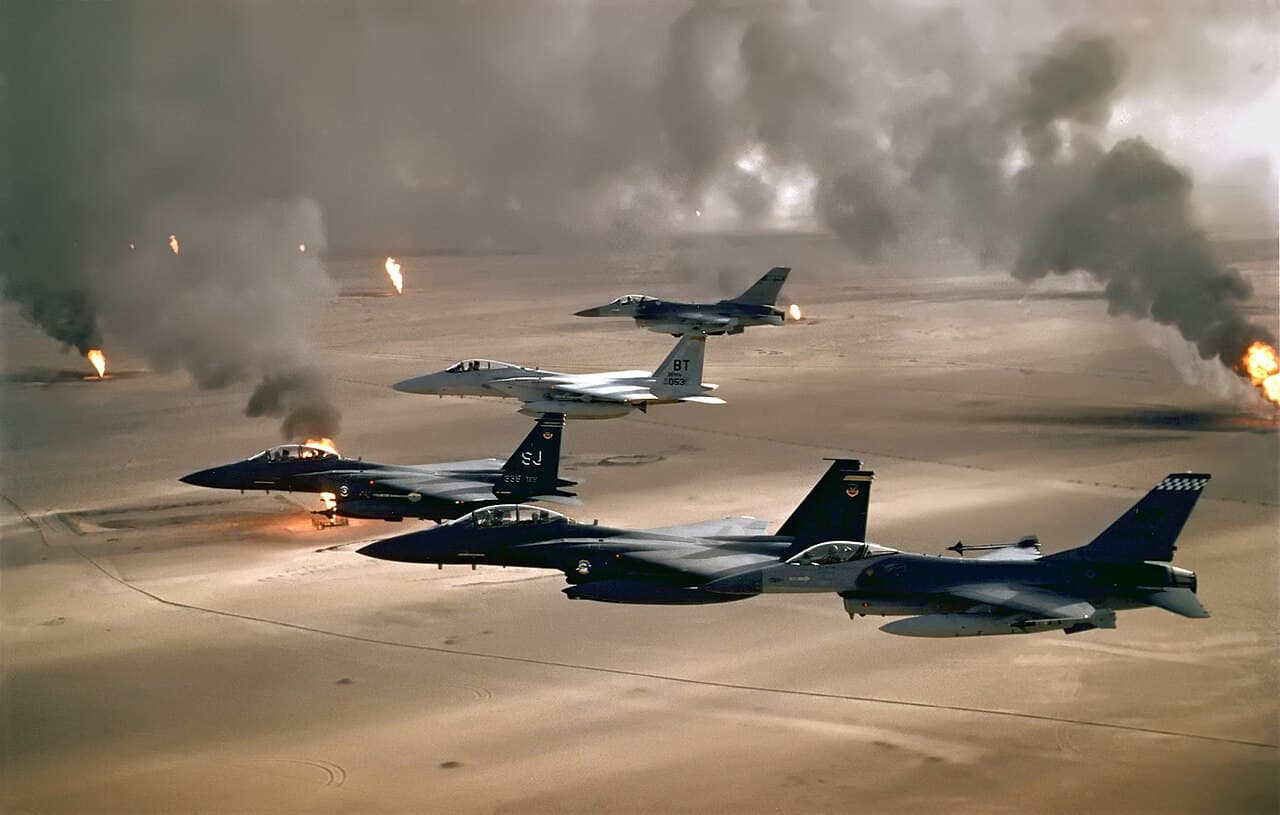
Six U.S. Combat Aircraft Lost and Crew Rescues Highlight Operation Epic Fury's Tough Toll
Since Operation Epic Fury was launched on February 28, 2026, 42 American aircraft have been lost in combat. Of those, 24 were MQ-9 Reaper drones and one an exceptionally rare MQ-4C Triton drone. The remaining were crewed aircraft, with four shot down and two destroyed on the ground by enemy fire.
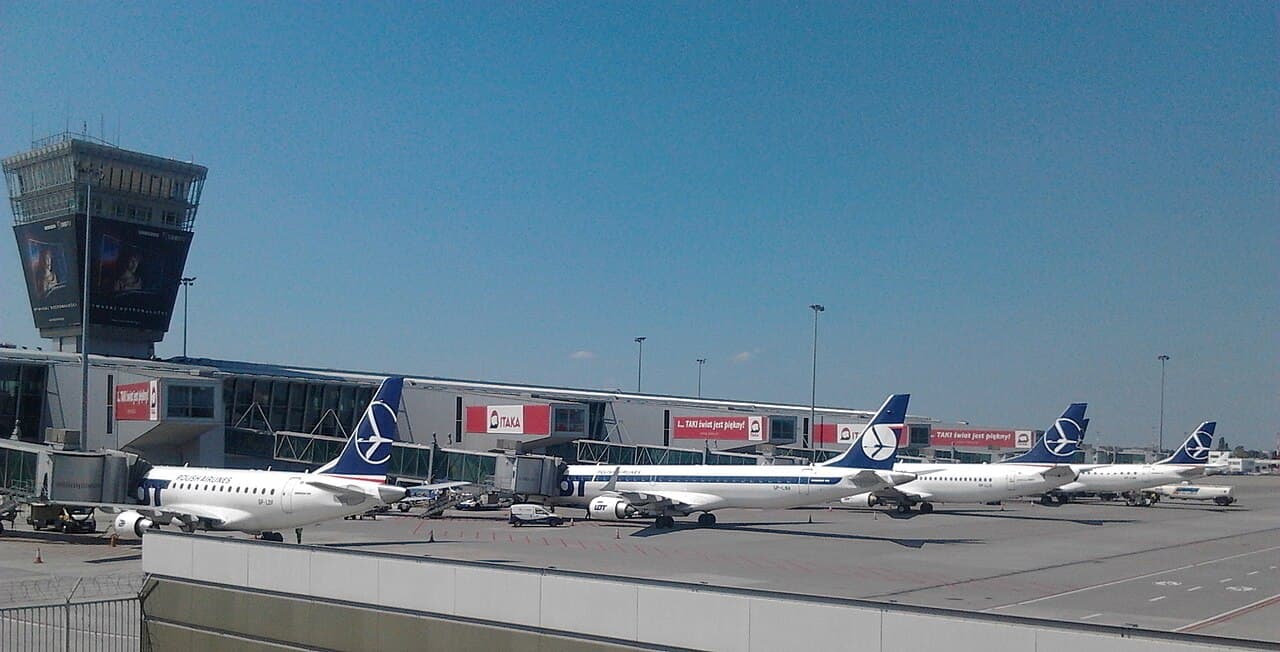
US Military Pilots Weigh Retirement Benefits Versus Airline Pay After Service
The aviators of the US Armed Forces face a crossroads when they come to the end of their minimum active-duty service commitments. All the branches of the Department of Defense have their own core of professional aircrew. In the US Air Force and Army, the contracts to be a professional flyer come with a ten-year commitment. Meanwhile, the US Navy and the Marines have a slightly shorter minimum duty at eight years.
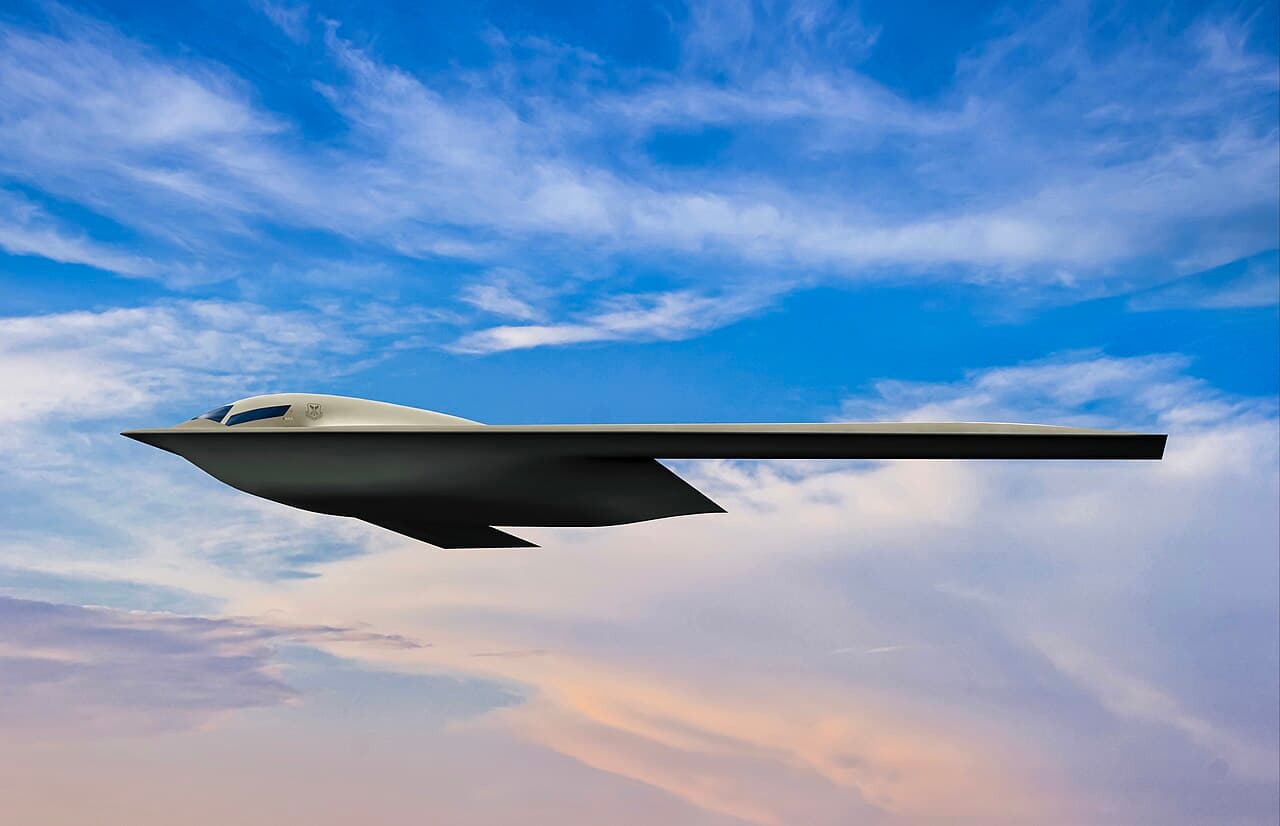
US Air Force invests over $19 billion to modernize five key bases, led by Guam and Ellsworth
The United States Air Force is pouring more concrete, steel, and taxpayer money into its bases right now than at any point since the Cold War, and the bill across just five installations already tops $19 billion. This list ranks those five reconstruction efforts by the size of the investment attached to each one, running from a $409 million jungle-clearing job in the Mariana Islands up to an $8 billion air defense shield on Guam .
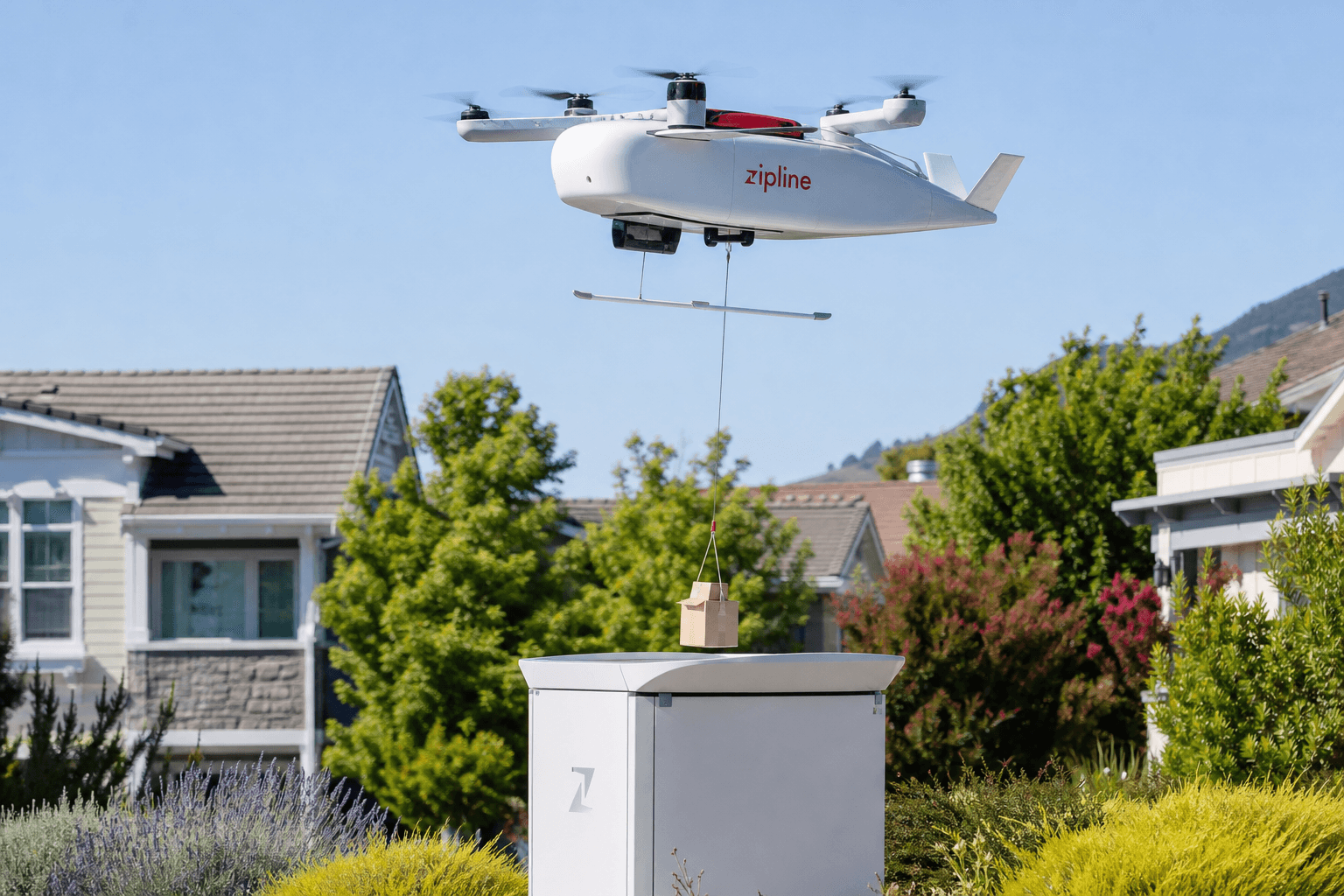
Uber, Zipline Aim for 1 Million Daily Drone Deliveries by 2029
App- and web-based delivery platforms from Walmart, Amazon, DoorDash, and now Uber are embracing small drones to slash trip times in a trend that could reshape low-altitude U.S. airspace. Uber on Monday announced it is partnering with drone manufacturer and operator Zipline, which is also a partner of Walmart and competitor Wonder , the parent company of Grubhub. By the end of 2029, Uber and Zipline hope to achieve a cadence of 1 million daily drone deliveries, with "goals to expand far beyond that." The partners said the first deployments will begin this year in Dallas, Houston, and other cities where Zipline already operates, expanding as the company scales to dozens of other areas. Zipline in a news release called the move "one of the biggest steps toward expanding Zipline's service to every home in the U.S." "Our goal is for millions of people to be able to order lunch, dinner, snacks, and more through the Uber Eats app and have them delivered by Zipline" in five to 10 minutes, the company said. In a show of confidence, Uber is also making a strategic investment of an undisclosed amount in Zipline. "We look forward to bringing this technology to more communities and making autonomous delivery part of everyday life," said Dara Khosrowshahi, CEO of Uber, in a statement. Zipline's Platform 2 (P2) drones, or Zips, cruise at about 70 mph with up to 8 pounds of cargo, capable of 24-mile, one-way trips or flying within a 10-mile service radius. At the delivery location, the drones unfurl a tether to lower orders—stored within a smaller "droid"—to the ground from as high as 300 feet. Zips are designed for hub-and-spoke or dock-to-dock operations, delivering to the customer's front yard or public locations such as a park. Store employees load orders into a container called a Dropbox , entering a code on a keypad to unlock a secure drawer. The Zip then lowers the smaller droid into the Dropbox and secures the order autonomously. Zipline began conducting medical drone delivery operations in Rwanda in 2016 and now serves more than 5,000 hospitals. It operates commercial on-demand and medical delivery services in Ohio, Arkansas, and Texas. The company said U.S. deliveries now make up about 70 percent of its volume. Beyond Zipline, Uber seeks to add an aerial element to its services in partnership with Joby Aviation, with which it is exploring commercial air taxi services beginning in the Middle East. Drone Delivery Set to Explode For years, ambitions of drone delivery were kept afloat by venture capital flowing to small startups or side projects of companies such as Amazon and Alphabet. The industry has since evolved from pilot programs to routine commercial services. The backing of platforms such as Uber could take it to new heights—with significant implications for low-altitude airspace. Uber's collaboration with Zipline pits it directly against rival DoorDash in the drone delivery business. In July, the latter revealed it is building its own delivery drone to complement the models it operates from Alphabet's Wing, Israel's Flytrex, and Ireland's Manna. DoorDash has explored U.S. drone delivery since 2024 but is now looking to bring more of those operations in-house, akin to Amazon's Prime Air unit that builds and operates its own drones. The company is putting the full weight of its DoorDash Labs automation division into developing an end-to-end network, including a software that determines which deliveries best lend themselves to drones. Wonder aims to add Zipline's drone delivery service to the majority of its Texas locations by the end of next year, and it recently trialled a service in New Jersey with partner Dexa. Walmart offers drone delivery from Zipline, Wing, and Flytrex through its app and website. Uber also works with Flytrex and is exploring the U.S. market in partnership with Manna. According to Uber, Zipline drones make a delivery every 20 seconds on average. The company says it has delivered over 20 million items across more than 2.5 million deliveries and 140 million miles flown. Achieving one million daily deliveries by 2029, though, will require even greater scale. Drone delivery operators represented by the Commercial Drone Alliance (CDA) and other lobbying groups are clamoring for the FAA's finalization of Part 108 , which would unlock routine operations beyond the visual line of sight (BVLOS) of humans. Instead, drones would rely on detect and avoid systems and uncrewed aircraft system (UAS) traffic management (UTM) platforms to keep operations safe. Part 108 would enable the scale the drone industry desires. But pilots have pushed back on some of the proposal's more permissive elements, such as the granting of right-of-way to drones over crewed aircraft in certain scenarios. The Air Line Pilots Association (ALPA) and others have expressed skepticism about the maturity of detect and avoid systems and their ability to prevent collisions. Proposed Part 108 reportedly moved to the federal Office of Information and Regulatory Affairs (OIRA) for review last month. That means the rule could be months or even weeks away from being finalized, and companies such as Uber and Zipline could soon face fewer restrictions on fully autonomous drone delivery.
The Daily Touch & Go
The day's best aviation news in your inbox. Free, no spam.