

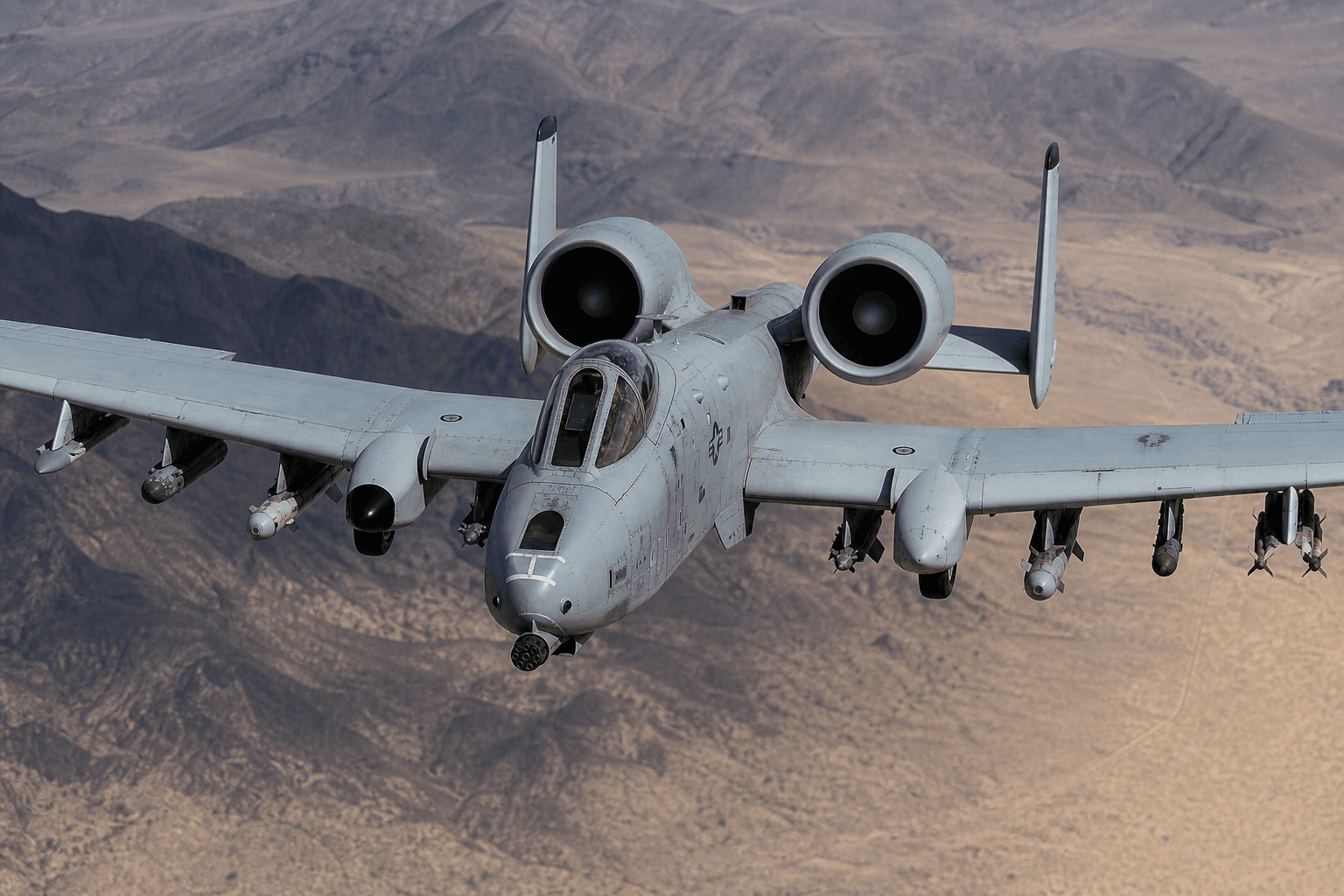
Illustration: The Touch & Go
US Air Force to Maintain 54 A-10 Warthogs Through 2030 After Operation Epic Fury
Following Operation Epic Fury, the US Air Force plans to keep a reduced fleet of 54 A-10 Thunderbolt II aircraft until 2029-2030, focusing on niche roles despite ongoing fleet retirements.
The gist
The US Air Force will retain 54 A-10 Warthogs until 2030, shifting the aircraft to niche missions after Operation Epic Fury.
The Fairchild Republic A-10 Thunderbolt II, famous as the 'Warthog,' will remain operational within the US Air Force in a reduced capacity through at least 2030 following the 2026 Operation Epic Fury. This plan signals a partial extension of service for 54 aircraft as the Air Force incrementally retires the type amid shifting operational priorities. Though the A-10 was initially designed for heavy close air support (CAS) during the Cold War, recent conflicts have seen it adapted to new, more specialized tasks.
Originally built to counter massed Soviet armor in Europe, the A-10 was tailored for tank-busting missions with its iconic 30mm GAU-8 Avenger cannon and built-tough titanium armor to withstand ground fire. The aircraft’s roots are closely connected to interservice debates dating back to the post-World War II era, notably the 1948 Key West Agreement, which defined aviation roles between the US Army and the newly independent Air Force. The Army’s canceled AH-56 Cheyenne attack helicopter and subsequent development of the AH-64 Apache helicopter were deeply entwined with the Air Force’s insistence that close air support was their domain.
The Cold War doctrine envisioned the A-10 mowing down Soviet tanks pouring through the Fulda Gap in Germany, with the Air Force valuing the Warthog’s simplicity against increasingly complex fighter aircraft. The A-10’s rugged construction anticipated high attrition, and despite vulnerabilities, the aircraft proved effective during the 1991 Gulf War by destroying Iraqi armor, though mostly with missiles rather than its cannon. Combat losses and damage during the Gulf War highlighted both the aircraft’s strengths and limitations.
By 2026, the operational fleet had dwindled from the 722 A-10s originally delivered to around 162 aircraft. With budgets allowing further retirements, the Air Force had planned to reduce this number significantly. The A-10’s mission evolved away from frontline tank-busting, as advanced air defenses diminished the aircraft’s viability in high-threat environments. Instead, it took on roles such as drone hunting starting in 2025, and in the 2026 air campaign over Iran, it supported maritime interdiction and personnel recovery operations—roles not envisioned during its inception.
The announcement to maintain a residual fleet of 54 aircraft through 2029-2030 is more a reflection of congressional mandates requiring a phased reduction rather than a reversal in Air Force policy. The plan envisions retiring 49 Warthogs in the fiscal year 2027, leaving three squadrons operational: one active at Moody Air Force Base, Georgia, and two at Whiteman Air Force Base, Missouri—home to the B-2 Spirit bombers. These last units will operate the A-10 until phased out by 2030.
From a strategic perspective, the A-10 is unlikely to play a major role in high-intensity conflicts against near-peer adversaries like China, where long-range precision and stealth are favored. Instead, the aircraft’s survivability and firepower make it effective in lower-threat environments against asymmetric threats such as drones, insurgents, and small maritime craft. The Air Force values the Warthog's public appeal and proven capabilities in such niche roles while prioritizing investments in next-generation platforms like collaborative combat aircraft and upgraded fighters.
As the fleet continues shrinking, pilot retraining and resource reallocation to newer technologies will proceed. The phased retirement strategy allows the Air Force to balance legacy capabilities with modernization efforts. The current plan leaves open some operational flexibility with the remaining squadrons, with a gradual drawdown expected as newer platforms and strategies mature.
The Air Force’s approach thus recognizes the historical and tactical significance of the A-10 while pragmatically shifting focus to emerging threats and technologies. The aircraft’s tenure is nearing its close, but for now, the Warthog endures as a specialized asset in America’s air combat arsenal, sustaining a limited but meaningful presence until its planned retirement by 2030.
Read more
All Military/Defense →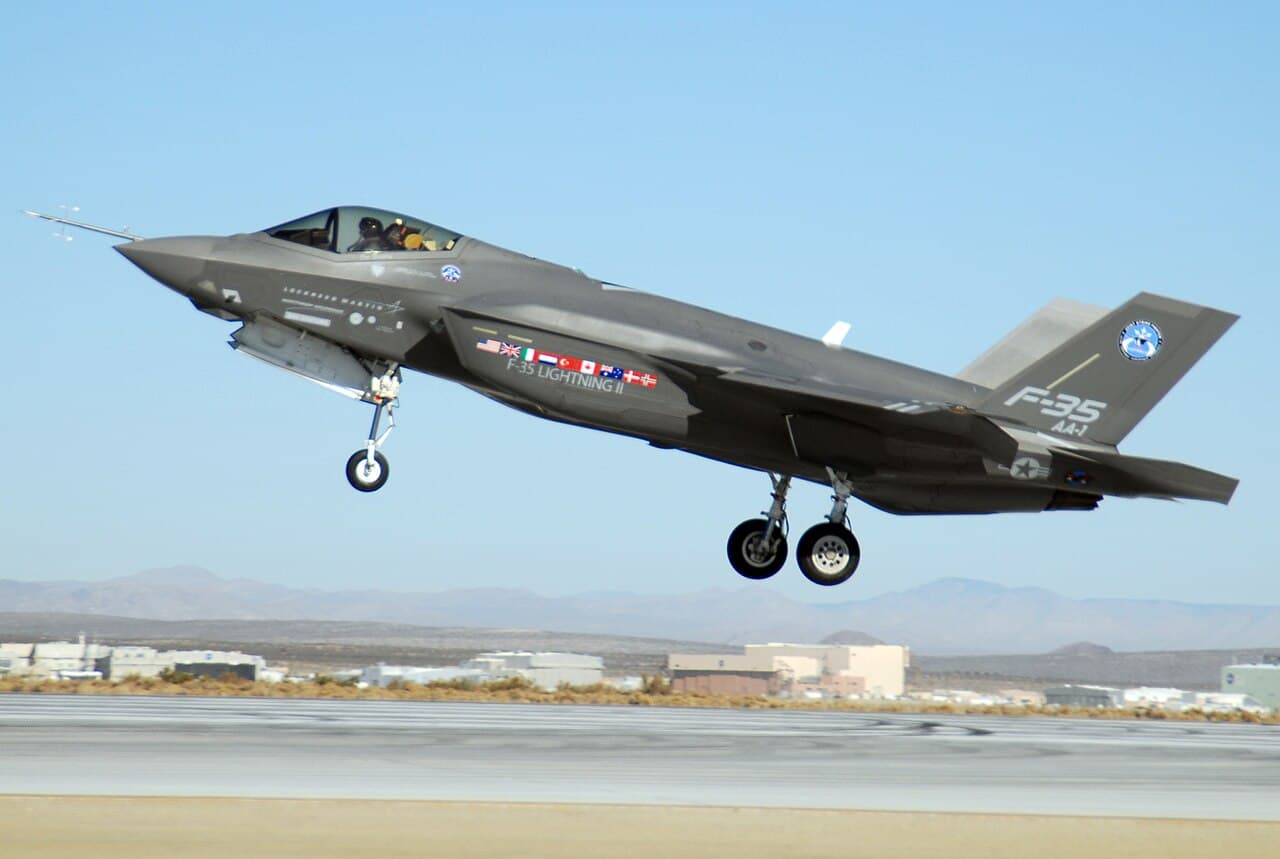
US Controls All F-35 Mission Data Updates, Grounding Allied Squadron Autonomy
The Lockheed Martin F-35 Lightning II is one of the most important weapon systems developed in the 21st century. It represents a major paradigm shift for air power not only in the US Air Force, but the Navy and Marines as well as 19 other US Allied partner nations around the world that are part of the global fleet. In addition to being the most expensive defense industrial project in history, it is also one of the most closely guarded classified projects to ever become a multinational defense program.
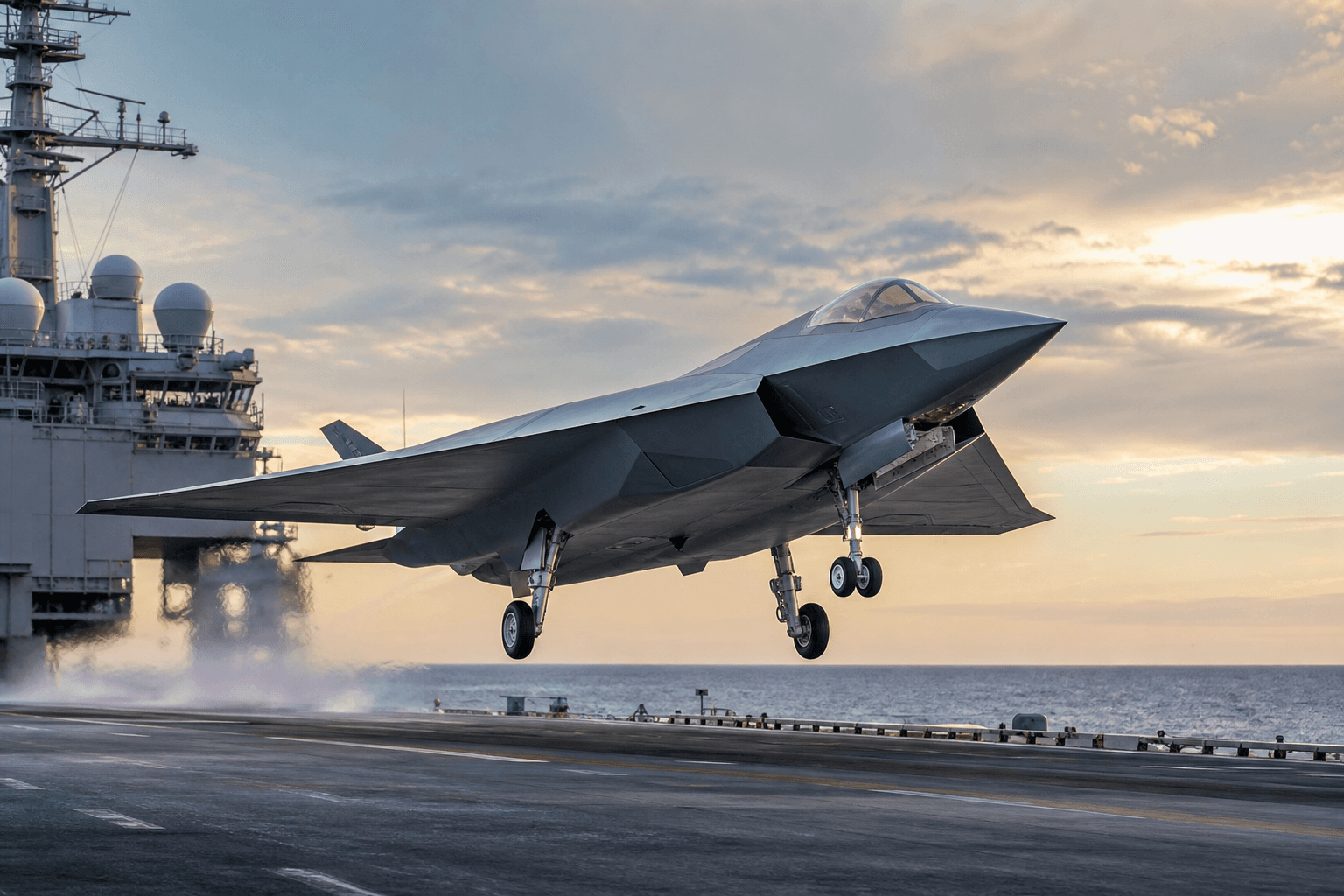
Congress Boosts US Navy Sixth-Gen Fighter Budget From $74M to $971M to Accelerate F/A-XX Development
As the United States races towards its first sixth-generation fighter jet, the Next Generation Air Dominance Program of the US Air Force has taken the spotlight, but it is not the only endeavor underway. The US Navy F/A-XX stealth carrier fighter was expected to be shelved, but lawmakers decided to resuscitate the program with an enormous funding injection.
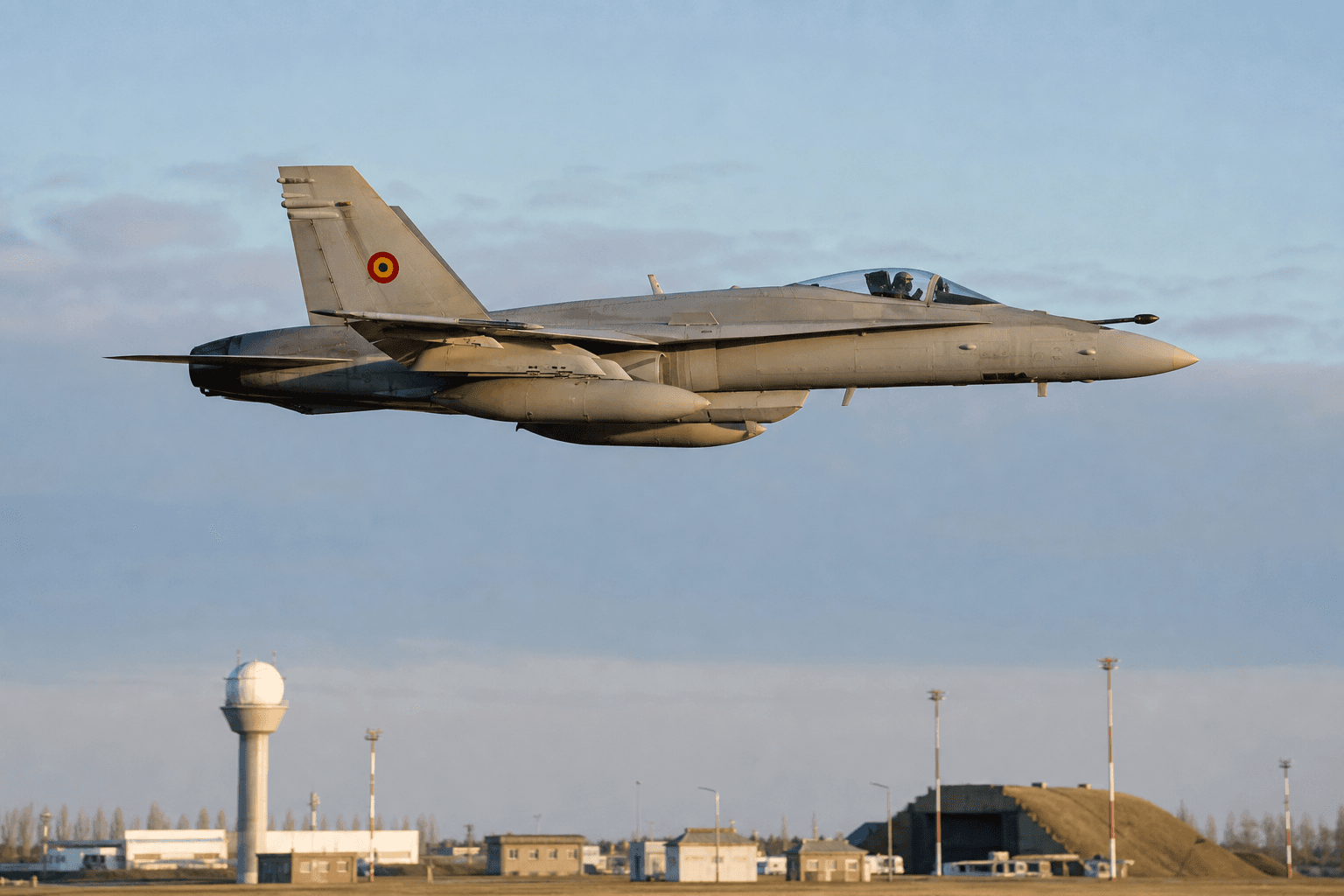
Spanish F-18 downs drone over Romania after Moldovan airspace breach
A Spanish Air and Space Force F/A-18 Hornet shot down a drone over southeastern Romania in the early hours of August 16, 2026, the fourth unmanned aircraft destroyed over Romanian territory this year. The Romanian Ministry of National Defense said its surveillance systems detected an aerial target entering national airspace at 04:44 local time from the direction of the Republic of Moldova, around 24 kilometers (15 miles) north of Galati. An F/A-18 Hornet assigned to air policing duty at the 57th Air Base at Mihail Kogalniceanu was already airborne on a monitoring mission, established radar contact and received approval to engage. The drone was destroyed at 05:01, 17 minutes after detection. A probable debris impact point was identified between the villages of Baleni and Cudalbi in Galati County, in an unpopulated area. The air alert for the county was lifted at 05:20. No injuries or damage were reported. The ministry did not identify the drone's type or operator. Drone entered Romania after crossing Moldova The target did not cross directly from Ukraine, despite Romania's 614-kilometer (382-mile) land border with the country. It arrived over Moldova, which is not a NATO member, fields no fighter aircraft and takes part in no allied air policing arrangement. Moldovan airspace has been penetrated repeatedly in August 2026. A drone exploded near Crocmaz in the Stefan Voda district on August 9, prompting Chisinau to recall its ambassador from Moscow. The following night, Moldova's Air Operations Service tracked an aircraft crossing over Priozerne for about a minute and assessed its characteristics as consistent with a Geran-3, the jet-powered Shahed variant now common in Russian strike packages against Odesa. Spanish Hornets two weeks into Romanian deployment Spain took over the mission from Italian and British detachments at a ceremony at the 86th Air Base in Borcea on July 31, 2026. The contingent operates seven F/A-18M Hornets and around 200 personnel from Mihail Kogalniceanu, supported by an A400M tanker, with three NH-90 helicopters assigned to counter-drone tasks due in the final phase. The rotation runs to the end of November 2026. It is Spain's fourth deployment to Romania, after 2021, 2024 and February 2026, and the detachment flew its first live Alpha scramble on August 12, 2026. Romanian F-16 pilots shot down three drones on three consecutive days between July 24 and July 26, 2026, the first such engagements inside national airspace. Prosecutors identified the July 24 aircraft as a Shahed type, and Bucharest expelled a Russian diplomat and recalled its ambassador from Moscow. A Russian drone had earlier struck a residential building in Galati on May 29, 2026, injuring two people. The interception is the second by allied fighters on NATO's eastern flank in three days, after NATO jets downed a drone over Latvia on August 14, 2026.
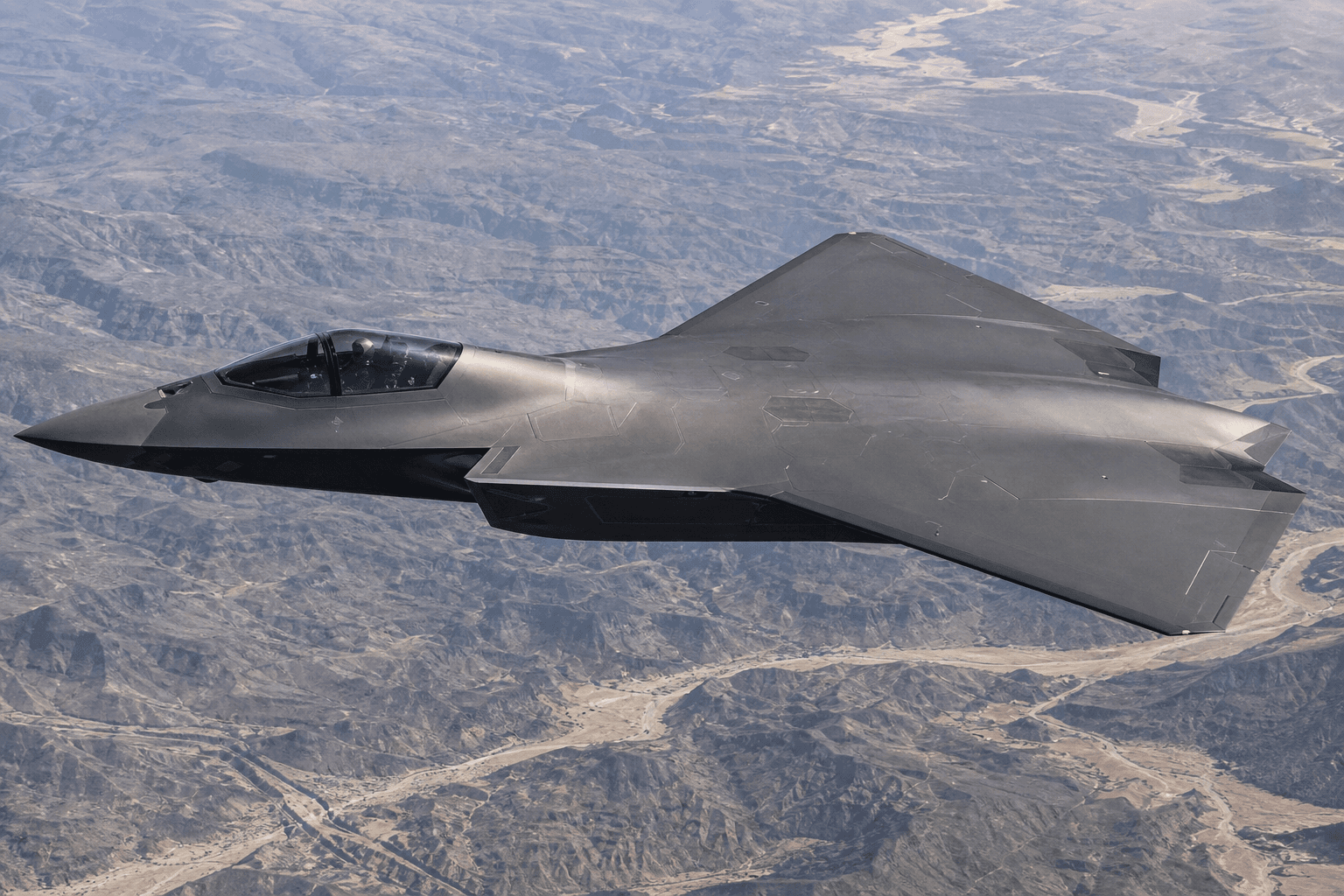
China's J-50 6th-Gen Fighter Ditches Vertical Stabilizers, Relies on Advanced Software
It seems that fifth-generation aircraft are beginning to give way to the next era of air combat, as the competition to develop a sixth-generation fighter has been underway for several years. The difference now is that these aircraft are quickly becoming a reality, with China publicly displaying its J-50 during test flights, the Boeing F-47 expected to conduct its first flight in the coming years, and the Global Combat Air Program (GCAP) continuing its development.
The Daily Touch & Go
The day's best aviation news in your inbox. Free, no spam.