


Strait of Hormuz Tensions Push Airline Stocks Down as Fuel Costs Rise
Renewed US-Iran conflict threatens key oil route, raising crude prices and forcing airlines to face higher fuel expenses and disrupted operations.
The gist
Geopolitical tensions near the Strait of Hormuz spike oil prices, hit airline profits, and rattle stocks amid cost and routing challenges.
Airline stocks have experienced significant volatility as escalating tensions between the United States and Iran center attention back on the Strait of Hormuz, a vital oil transit chokepoint. Last week, US President Donald Trump declared the Iran ceasefire terminated and announced plans to reinstate a naval blockade on Iran in the strategic waterway. These actions have reignited fears of supply disruptions which directly impact crude oil prices, creating headwinds for the aviation sector.
The Strait of Hormuz is critical for global energy markets, channeling about 20% of the world's petroleum. Any threat to safe shipping prompts immediate concern among oil traders who price in possible supply interruptions. This risk premium can push prices sharply higher, even if actual disruptions do not materialize. For airlines, which rely heavily on fuel, rising crude prices translate to significant operational cost increases.
Jet fuel costs typically represent 20% to 30% of an airline's operating budget, second only to labor expenses. When oil prices increase unexpectedly, airlines generally cannot adjust ticket prices swiftly since many seats are sold well in advance at fixed fares. This forces carriers to absorb higher fuel costs temporarily, squeezing profit margins and weighing on stock valuations.
Beyond fuel prices, airlines face logistical challenges in the Middle East airspace. Conflict zones or closed air routes necessitate rerouting flights, adding distance and flight time. These detours mean consuming more fuel, complicating crew scheduling and increasing operational overhead. Combined with higher fuel prices, these factors exert substantial pressure on the carriers' profitability.
Financial markets typically react to heightened geopolitical risks by pulling investment from economically sensitive sectors such as airlines, travel, and hospitality, and favoring defensive industries like utilities and healthcare. This rotation reflects investor risk aversion amid uncertainty rather than fundamental business deterioration. Airline shares have historically declined during similar episodes, including the Gulf War and post-9/11 period, before recovering as tensions eased and oil prices moderated.
Recent market behavior aligns with this pattern: military clashes and hostile rhetoric pushing oil prices up and depressing airline stocks, followed by rebound spurts on diplomatic optimism. However, the volatility undermines investor confidence and complicates market timing. Some observers also note concerns about unusual trading behaviors coinciding with these cycles.
Despite near-term turbulence, the longer-term outlook for US airlines remains comparatively robust. The sector is in better financial shape post-pandemic, and sustained demand for travel supports pricing power. Yet, the scope for passing along fuel cost inflation is limited. Prolonged crude elevations will likely lead analysts to reduce earnings forecasts, especially for carriers with wide international exposure and weaker hedging strategies.
Aircraft manufacturers are also sensitive to the geopolitical climate. Airbus recently revised downward its 20-year global aircraft demand forecast, citing the economic uncertainties arising from the Iran conflict, trade disputes, and a softer-than-anticipated post-pandemic recovery. These factors suggest a ripple effect from Middle Eastern tensions throughout the aviation supply chain.
More broadly, elevated energy prices risk reviving inflation pressures just as central banks consider easing monetary policies. Persistent high oil costs could deter interest rate cuts, dampening liquidity and investor appetite for risk assets including airline equities. Every development concerning Iran and the Strait of Hormuz will remain a focus for market participants, likely prolonging turbulence for airlines and makers of aircraft in the near term.
Frequently asked questions
- Why are airline stocks affected by tensions near the Strait of Hormuz?
- The Strait of Hormuz is a key oil transit route; conflicts there increase risk of supply disruptions that cause oil prices to spike, raising fuel costs which heavily impact airline profitability.
- How do higher oil prices impact airline operations beyond fuel expenses?
- Higher crude prices increase jet fuel costs, and airlines may also face longer, costlier flight routes to avoid conflict zones, causing additional fuel consumption and operational complications.
- What has been the historical impact of Middle East conflicts on airline shares?
- Airline shares generally decline during Middle East conflicts due to rising oil prices and operational challenges, but often recover when tensions ease and fuel costs stabilize.
Read more
All Military/Defense →Australia begins hunt for next-gen lead-in fighter trainer to replace Hawk 127s
The Australian government will explore several financing models to fill trainer requirement. Canberra has reached out to airframers as it explores possibilities to replace the Royal Australian Air Force's (RAAF’s) fleet of BAE Systems Hawk 127 advanced jet trainers. Designated Project Air 6002, the lead-in fighter training system (LIFTS) effort calls for a new aircraft that will train pilots for types such as the Boeing F/A-18F Super Hornet fighter, EA-18G Growler electronic attack jet, and the Lockheed Martin F-35A, according to an Australian government tender document. The requirement also is referred to as FLIF, for future lead-in fighter. The new aircraft will be required to enter service in the 2030s and help pilots develop skills ranging from general and instrument flying to air combat manoeuvres and integrating with other combat assets. "The system must have a sufficiently flexible architecture such that future capabilities can be introduced as future training requirements emerge," says the document. The aircraft could be acquired under several financial models including leasing, Foreign Military Sales, international cooperation, public private partnership, or working with foreign partners. The document does not list the number of aircraft to be obtained, or specifics about when the new type will attain initial and final operational capability. Cirium, an aviation analytics company, indicates that the RAAF operates 33 Hawk Mk-127s with an average age of 25.4 years. In April, the Australian Department of Defence's 2026 Integrated Investment Program document reiterated the need to replace the Hawks among other modernisation efforts. The replacement effort is likely to attract interest from companies such Boeing, Korea Aerospace Industries, and Leonardo.
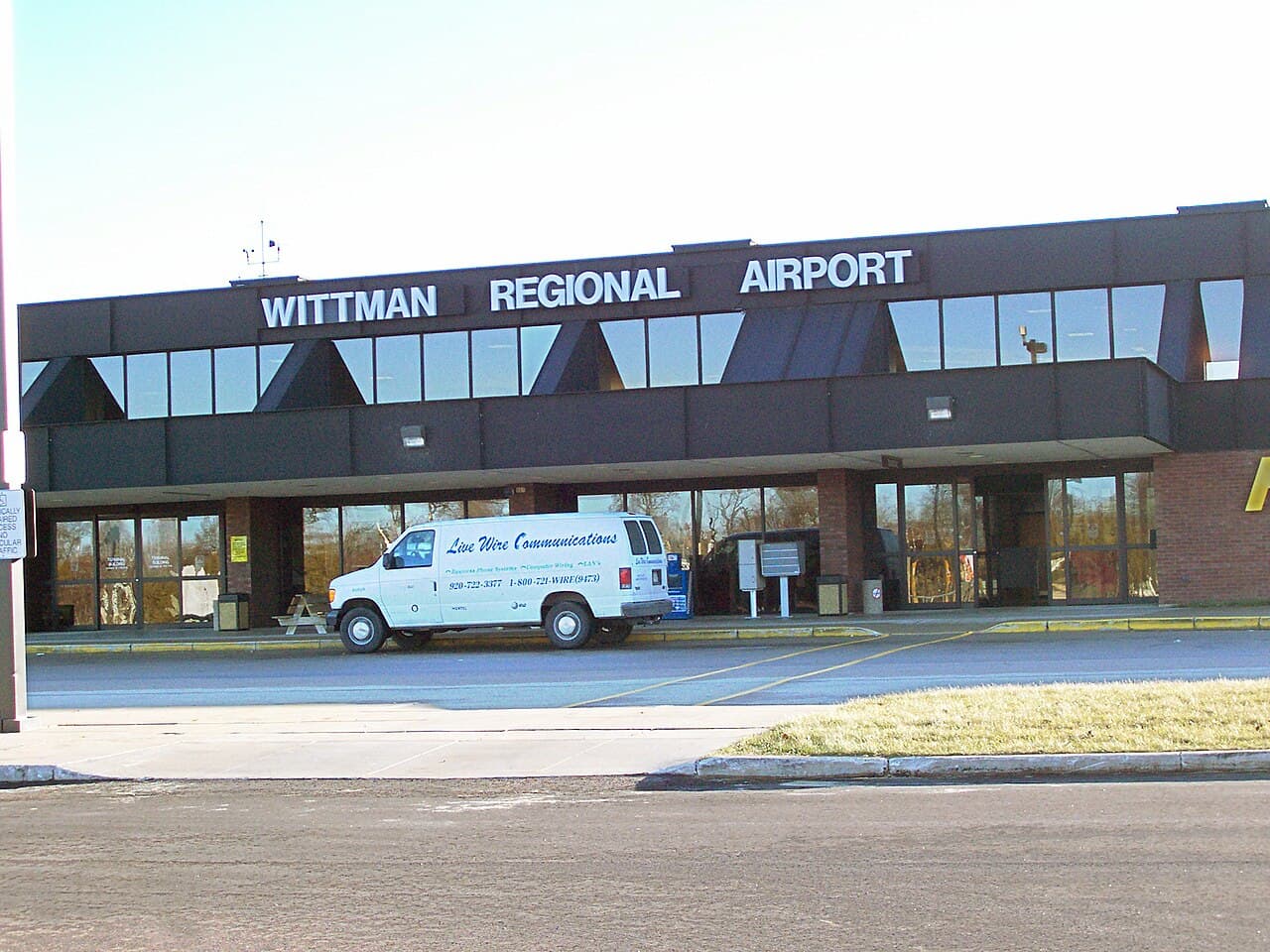
EAA AirVenture Oshkosh 2026 Set to Host Over 10,000 Aircraft in Historic Aviation Gathering
Every July, the aviation world descends on a small city in Wisconsin for what has become the largest and most famous fly-in and air show on the planet. EAA AirVenture Oshkosh is a week-long celebration of everything that flies. From homebuilt aircraft and vintage warbirds to the latest military jets, airliners, helicopters and experimental designs. Nowhere else offers such an incredible variety of aviation in one place. Running from 20-26 July 2026 at Wittman Regional Airport, Oshkosh attracts more than 600,000 visitors and around 10,000 aircraft , transforming the airport into what is routinely the busiest in the world for aircraft movements during the event. Why Every Aviation Enthusiast Should Visit Oshkosh JJN1991, CC BY-SA 4.0 <https://creativecommons.org/licenses/by-sa/4.0>, via Wikimedia Commons Ask anyone who has attended AirVenture and they’ll probably tell you the same thing: there is simply nothing else like it. Whether you’re interested in classic airliners, military aviation, general aviation, homebuilt aircraft or the very latest aerospace technology, Oshkosh has something to offer. Throughout the week visitors can enjoy: Spectacular daily flying displays Hundreds of military and civilian aircraft on static display Rare vintage and warbird aircraft The latest aircraft from Boeing, Airbus, Textron, Cirrus, Daher and many more manufacturers Product launches and world debuts Forums, workshops and presentations by aviation experts One of the world’s biggest aviation trade exhibitions Evening air shows and entertainment For aircraft spotters, the arrival weekend before the show officially opens is almost an event in itself. Thousands of aircraft converge on Oshkosh using the famous FAA arrival procedures, creating one of aviation’s most extraordinary spectacles as everything from Piper Cubs to corporate jets carefully follows the published NOTAM into Wittman Field. Smoke From Canadian Wildfires Causes Concern This year’s event is beginning under rather unusual circumstances. Large wildfires burning across Canada have sent thick smoke south across the Upper Midwest, leading to reduced visibility and poor air quality across Wisconsin just as thousands of pilots prepare to fly into Oshkosh. The National Weather Service has warned that smoke could significantly reduce visibility, while air quality advisories have been issued across much of the state. At times this week, visibility at Oshkosh dropped to around one mile before conditions improved. For pilots flying into one of the world’s busiest temporary airspaces, visibility is every bit as important as cloud cover. Air traffic controllers have urged crews to remain conservative in their decision making and not attempt the famous VFR arrival if conditions are unsuitable. Thankfully, forecasts suggest conditions should continue to evolve over the coming days, and organisers remain confident AirVenture will proceed as planned, although pilots and visitors are being encouraged to monitor the latest weather information closely. AirportSpotting Is Heading To Oshkosh EAA AirVenture Oshkosh We’re delighted to be attending AirVenture this year. Throughout the week we’ll be bringing you regular updates, photographs and videos from the show across our social media channels, so if you can’t make it to Wisconsin you’ll still be able to follow the action as it happens. Follow us on Facebook Follow us on YouTube We’ll also be publishing a full review of AirVenture here on AirportSpotting.com after the event, covering the biggest announcements, highlights, aircraft and surprises from the week. For Airport Spotting Premium members, we’re preparing something even more special. Our forthcoming USA 250th Anniversary Special magazine will feature an extensive review of AirVenture 2026 alongside exclusive features celebrating American aviation, making it an essential read for anyone who loves aircraft and aviation history. Sign up to Premium Here Whether you’re making the pilgrimage to Oshkosh yourself or following from home, the next week promises to be one of the highlights of the aviation calendar.
US Army Warrant Officer Pilots Differ in Pay and Roles from Commissioned Officers
In the armed forces of the United States of America, there are many different jobs and ranks assigned to aviation missions. In fact, all four service branches have their own pilot corps, including the Army and the Coast Guard. While the US Air Force, Navy, and Marines are better known for their fixed-wing tactical aviation, including many fighter jets, the Army has an enormous number of helicopters.
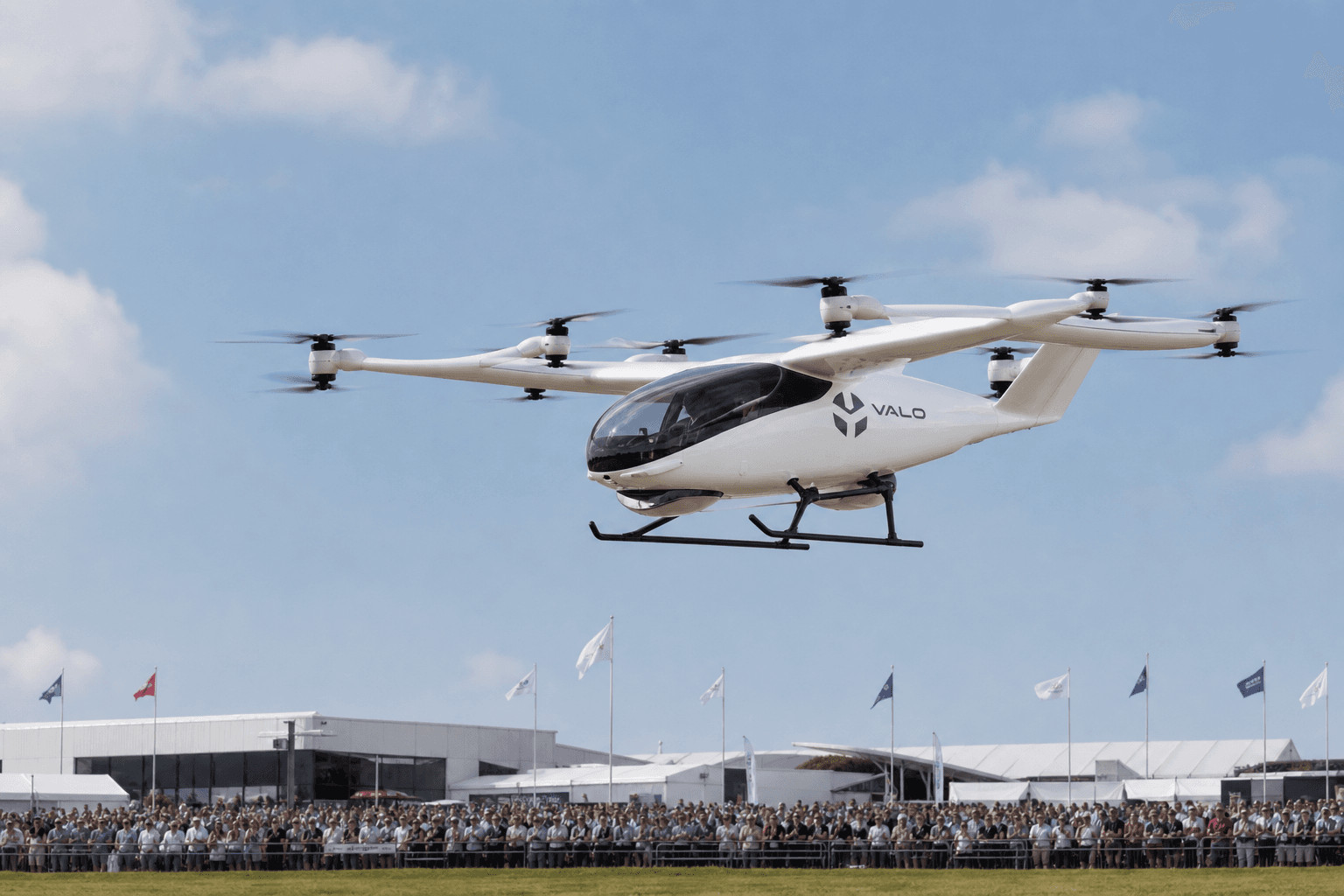
Vertical Aerospace to Perform First Public eVTOL Flights at Farnborough Airshow 2026
Vertical Aerospace (NYSE: EVTL), a pioneering company in UK electric aviation, is set to make history at the Farnborough International Airshow (20-24 July 2026). ezstandalone.cmd.push(function () { ezstandalone.showAds(119); }); The firm plans to conduct the first-ever public electric vertical take-off and landing (eVTOL) demonstration flights at the prestigious event. This milestone highlights Vertical’s rapid progress toward certification and eventual commercial operations. The demonstrations arrive at a pivotal moment for the company. In the past year, Vertical has achieved several major advancements. ezstandalone.cmd.push(function () { ezstandalone.showAds(127); }); It launched its commercial aircraft, named Valo, completed successful piloted transition flights, strengthened its financial position, and expanded its global network of technology partners. The company has also advanced its hybrid-electric defence initiatives while making steady headway in its certification programme. ezstandalone.cmd.push(function () { ezstandalone.showAds(128); }); Having proven the aircraft’s core capabilities, Vertical now shifts focus to the next critical stages: certification, industrialisation, and commercialisation. These efforts position the company to deliver sustainable, efficient air mobility solutions in the near future. Photo Credit: Vertical Aerospace Public Flights and Full-Scale Display At Farnborough, Vertical will showcase its progress in two key ways. Visitors will witness public piloted flights of the full-scale prototype, and they can explore a full-scale commercial model of Valo on the exhibition floor. ezstandalone.cmd.push(function () { ezstandalone.showAds(129); }); Stuart Simpson, CEO of Vertical Aerospace , expressed confidence in the company’s trajectory. “Vertical arrives at Farnborough with the key building blocks now in place,” he said. “Over the past year we’ve transformed the business – from launching Valo and achieving piloted transition to strengthening our financial position and expanding our industrial ecosystem. We’ve proven the technology.” “Our focus now is executing the roadmap to certification, industrialisation and commercial service. Every milestone we deliver reduces risk, strengthens our competitive position and brings us closer to building one of the world’s leading electric aerospace companies.” ezstandalone.cmd.push(function () { ezstandalone.showAds(130); }); Flight Demonstrations Open to the Public Vertical intends to perform public demonstration flights throughout the airshow week, marking the first time an eVTOL aircraft flies publicly at Farnborough. These flights remain subject to weather and regulatory approval. The planned demonstrations follow a recent decision by the UK Civil Aviation Authority (CAA) to expand Vertical’s Permit to Fly. This approval allows the company to operate public flights beyond its base at Cotswold Airport. Since receiving this authorisation, Vertical’s test pilots have successfully flown to multiple locations, including RAF Brize Norton, RAF Benson, Blackbushe Airport, and Farnborough Airport itself. ezstandalone.cmd.push(function () { ezstandalone.showAds(131); }); These operations have broadened the flight test programme and provided valuable experience across different operating environments. Such real-world testing is essential as the company moves closer to full certification and commercial service. Attendees interested in the latest flight schedules can join the Vertical Aerospace Farnborough International Airshow 2026 WhatsApp channel for real-time updates. Photo Credit: Gareth Iwan Jones Exploring the Valo Aircraft In Hall 4, visitors will have the opportunity to examine the full-scale commercial model of Valo up close and meet members of the team developing this advanced electric aircraft. The displayed model builds directly on the success of the flying prototype currently performing at the show. ezstandalone.cmd.push(function () { ezstandalone.showAds(132); }); Vertical brings one of the industry’s most robust technology ecosystems to Farnborough. The company collaborates with leading global partners, including Honeywell Aerospace, Aciturri, Evolito, Hyundai WIA, Syensqo, Sonaca, and Isoclima. It also holds approximately 1,500 conditional pre-orders from customers across four continents, such as American Airlines, Avolon, Bristow, GOL, and Japan Airlines. This week, Vertical announced a strategic partnership with Near Earth Autonomy. The collaboration aims to integrate advanced autonomous flight capabilities into Valo, supporting both future defence and commercial applications. ezstandalone.cmd.push(function () { ezstandalone.showAds(133); }); Leadership Voices on the Future of Air Mobility Throughout the week, Vertical’s executives will participate in high-level discussions about Advanced Air Mobility (AAM) and the path to commercial electric aviation. On Monday, 20 July (11:15–12:00) in Hall 3 – AGN Theatre 1L, Stuart Simpson will join a panel on “UK Leadership in Advanced Air Mobility.” Moderated by Sir Stephen Hillier, Chair of the UK Civil Aviation Authority, the session will explore how the UK can convert its early advantages in aircraft development, regulation, and operations into long-term commercial success. ezstandalone.cmd.push(function () { ezstandalone.showAds(134); }); Other confirmed speakers include representatives from Bristow Group, the CAA, NATS, and the Department for Transport. On Tuesday, 21 July (15:00–16:00), Simpson will take part in the “Inside the eVTOL Market” panel at the show’s inaugural Finance Summit in Hall 4. Hosted by Cantor Fitzgerald, the discussion will feature several prominent CEOs. This will include Kyle Clark of BETA, JoeBen Bevirt of JOBY, and Adam Goldstein of Archer Aviation. ezstandalone.cmd.push(function () { ezstandalone.showAds(135); }); The panel will examine the sector’s current progress and future vision. Image Credit: Vertical Aerospace Milestones on the Horizon As Vertical advances toward certification and entry into service, the company has outlined several important upcoming targets: Critical Design Review (CDR): Expected completion by the end of 2026. This review will establish the certifiable design baseline and pave the way for building and testing certification-conforming aircraft. Industrialisation: Opening the early production aircraft assembly facility in Q3 2026, followed by expansion of the Vertical Energy Centre in Q4 2026. Hybrid-electric Programme: Selection of a long-term turbogenerator supplier during 2026, ahead of hybrid-electric flight testing in the first half of 2027. ezstandalone.cmd.push(function () { ezstandalone.showAds(136); }); These planned achievements demonstrate Vertical’s clear and structured approach to bringing safe, sustainable electric flight to market. With strong partnerships, growing customer interest, and tangible technical progress, the company is well-positioned to play a leading role in the emerging advanced air mobility sector. Farnborough 2026 offers the public and industry stakeholders a unique opportunity to witness the future of aviation taking shape in real time. ezstandalone.cmd.push(function () { ezstandalone.showAds(137); });
The Daily Touch & Go
The day's best aviation news in your inbox. Free, no spam.