

Image: Sergey Kustov · CC BY-SA 3.0 · via Wikimedia Commons
AirAsia accelerates fleet renewal, phasing out oldest A320s and cancelling A330-900 order
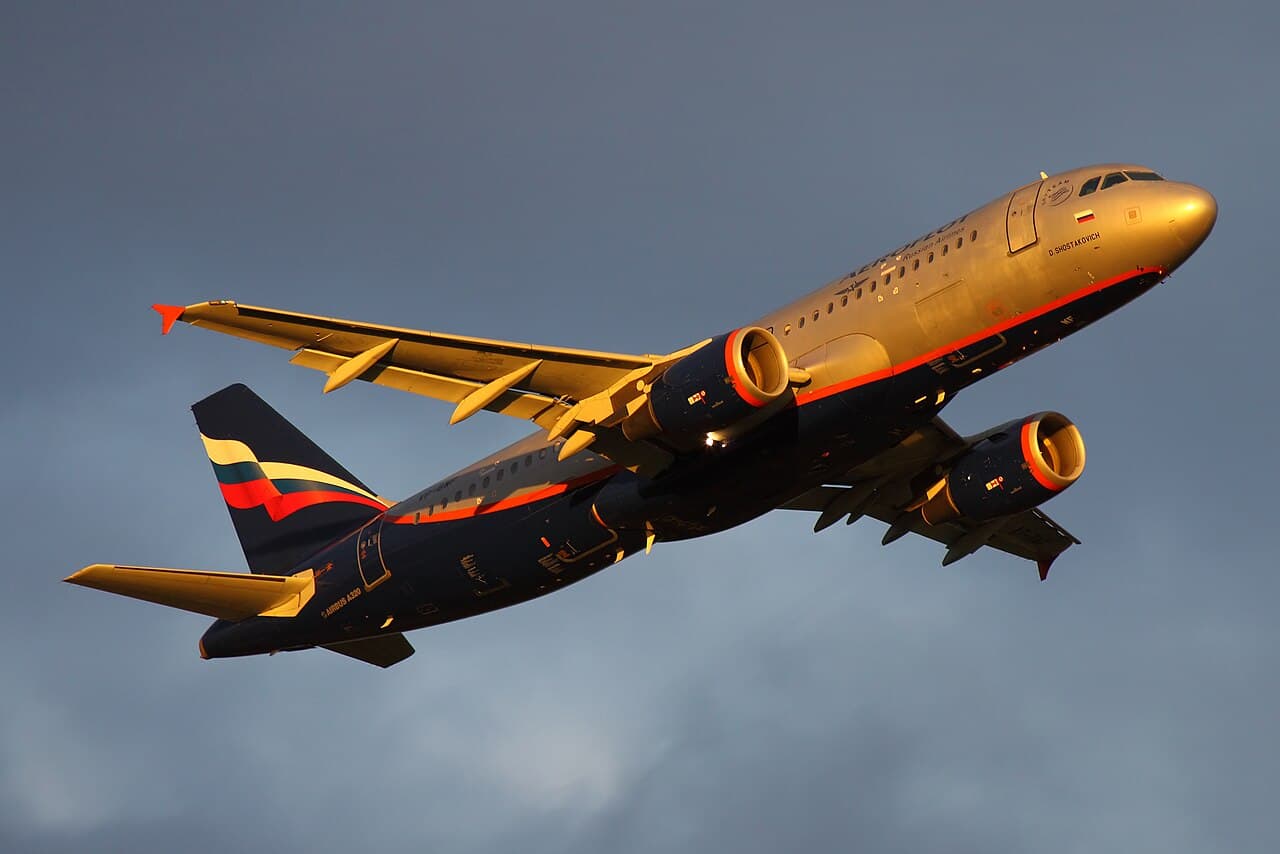
AirAsia Group plans to retire up to 12 of its oldest Airbus A320s in 2026, focusing on the Philippines and Indonesia units, while shifting to A220s and expanding A321LR deployment in coming years.
The gist
AirAsia is removing oldest A320s, cancelling A330-900 order, and boosting A220 and A321LR fleets to modernize its operations by 2028.
Continuing coverage
All Southeast Asia →- AirAsia Group Cuts Q3 Flight Capacity by 20-25% Amid Rising Fuel Costs
- Air Cambodia places landmark order for 20 COMAC C909 jets at Farnborough
- Cebu Pacific wet-leases A320neo to Vietnam Airlines for summer domestic routes
- Singapore Airlines' Boeing 737 MAX Flights Visible at 10 Key Airports Globally
- Boeing appoints Travis Sullivan as head of Southeast Asia operations starting July
AirAsia Group is undertaking a significant acceleration of its fleet renewal strategy by retiring up to 12 of its oldest Airbus A320 aircraft within 2026. The airline’s senior leadership identified the Philippine and Indonesian subsidiaries as priority units for this phase-out, driven by the fact that these units operate some of the oldest A320 models in the group’s overall fleet. These retirements are part of an overarching plan to replace aging aircraft with more efficient types to enhance operational performance and reduce costs.
Bo Lingam, Chief of AirAsia Group, revealed that the carriers in the Philippines and Indonesia will temporarily operate mid-life A320 and A320neo aircraft transferred from other AirAsia units. This interim measure aims to support service continuity until the arrival of brand-new aircraft. The group anticipates deliveries of Airbus A220s to these units starting at the end of 2027, which will replace older aircraft and provide improved range and efficiency capabilities.
The recent record-breaking order for 150 Airbus A220-300 jets, valued at approximately $19 billion, underscores AirAsia’s commitment to modernizing its fleet with contemporary narrowbodies. Lingam emphasized the A220’s operational advantages, particularly its range and fuel efficiency, which make it well suited to replace aging A320s in the regional Southeast Asian markets. The group's plan involves a mixed fleet model featuring both the A321 and A220 types in the Philippines and Indonesia, aiming to align aircraft capabilities with evolving route structures.
Alongside the A220 acquisitions, AirAsia is enhancing its medium-haul capacity with the introduction of Airbus A321LRs. The group is set to receive seven more A321LR aircraft during 2027, complementing the two already delivered. Lingam specified that these longer-range narrowbodies will be deployed on routes such as Kuala Lumpur to Busan and Incheon, facilitating the expansion or optimization of medium-haul operations with a more fuel-efficient aircraft class.
Significantly, AirAsia Group has cancelled its outstanding order for 15 Airbus A330-900neos, opting instead to substitute this commitment with orders for A321XLR jets. Lingam described the A321XLR as more efficient for AirAsia’s business model, reflecting a strategic pivot away from widebody aircraft for longer-haul leisure and charter markets towards advanced narrowbody types with extended range. This shift represents a clear operational reconsideration driven by efficiency and route network optimization.
For its existing widebody fleet, AirAsia X will maintain use of its Airbus A330-300 aircraft to launch planned flights to Bahrain and London starting August 2026. However, Lingam confirmed that the A330 fleet will ultimately be phased out by 2030, with the A321XLRs systematically replacing these jets over the next decade. This transition marks a gradual but decisive shift in the group’s long-haul fleet composition.
The group’s multi-pronged fleet strategy involves harmonizing its varied airlines across Malaysia, Thailand, Cambodia, the Philippines, and Indonesia into a coherent mix of aircraft tailored by operational needs and market demands. Prioritizing aircraft retirement and renewal in markets with older equipment allows AirAsia to optimize asset utilization and reduce maintenance and operational costs. The interim redistribution of mid-life A320s among its subsidiaries also exemplifies a flexible fleet management approach.
AirAsia’s focus on integrating the new A220 and A321LR/XLR types highlights an important trend in Asian low-cost carriers upgrading fleets with next-generation aircraft that combine improved fuel efficiency with extended range. This enhances their capability to serve medium- and long-haul routes more economically. The accelerated fleet renewal program targets completion by early 2028 for narrowbody updates, positioning AirAsia to remain competitive as market conditions evolve.
The cancellation of the A330-900 order and the focus on A321XLRs and A220s demonstrate a strategic realignment reflecting changing economics in aircraft operations. By prioritizing efficient narrowbody types with long-range capabilities over larger widebodies, AirAsia aims to maintain low costs while expanding route flexibility. The near-term deployment of new aircraft and phased retirements represent a substantial investment in updating the group's fleet to capture future growth and operational advantages.
Read more
All Airlines →
American Airlines to Restore Seatback Screens on 800 Narrowbody Jets Starting 2028
What to Know American Airlines has confirmed a multi-million-dollar reversal of its 2017 decision to strip seatback screens from narrowbody jets, though the new screens won’t start arriving until 2028. In This Article Why the rollout won’t begin until 2028, and how long full fleet installation across more than 800 narrowbody aircraft is expected to take. The tech specs American is promising, including 4K displays and USB-C charging at every seat. How the seatback U-turn fits into a wider premium push, with domestic First Class seating set to grow from a quarter to 40% of the narrowbody fleet. Why United made the same reversal back in 2021 after also betting big on BYOD entertainment. Show 4 more points + .pyok-callout { display: flex; border-radius: 0; background: #f7f9fc; margin: 24px 0; font-family: -apple-system, BlinkMacSystemFont, "Helvetica Neue", Arial, sans-serif; } .pyok-callout-inner { padding: 20px 24px; width: 100%; } .pyok-callout-head { margin-bottom: 12px; } .pyok-callout-tag { font-size: 20px; font-weight: 900; letter-spacing: 0.04em; text-transform: uppercase; color: #120E43; } .pyok-callout-list { margin: 0; padding: 0; list-style: none; } .pyok-callout-list li { position: relative; padding-left: 18px; margin-bottom: 12px; font-size: 17px; line-height: 1.55; color: #1a1a1a; } .pyok-callout-list li::before { content: ""; position: absolute; left: 0; top: 9px; width: 6px; height: 6px; border-radius: 50%; background: #120E43; } .pyok-callout-list-more li:last-child { margin-bottom: 0; } .pyok-callout-subhead { text-align: center; font-size: 11px; font-weight: 700; letter-spacing: 0.1em; text-transform: uppercase; color: #8a93a3; margin: 22px 0 14px; padding-top: 14px; border-top: 1px solid #e1e7ef; } .pyok-callout-more { max-height: 0; overflow: hidden; transition: max-height 0.35s ease; } .pyok-callout-toggle { display: inline-flex; align-items: center; gap: 6px; margin-top: 10px; padding: 0; border: none; background: none; color: #120E43; font-size: 14px; font-weight: 700; cursor: pointer; } .pyok-callout-toggle:hover { text-decoration: underline; } .pyok-callout-toggle-icon { display: inline-flex; align-items: center; justify-content: center; width: 16px; height: 16px; border: 1.5px solid #120E43; border-radius: 0; font-size: 12px; line-height: 1; } (function () { document.querySelectorAll('.pyok-callout-toggle').forEach(function (btn) { btn.addEventListener('click', function () { var card = btn.closest('.pyok-callout-inner'); var more = card.querySelector('[data-more]'); var isOpen = btn.getAttribute('aria-expanded') === 'true'; var textEl = btn.querySelector('.pyok-callout-toggle-text'); var iconEl = btn.querySelector('.pyok-callout-toggle-icon'); if (isOpen) { more.style.maxHeight = '0px'; btn.setAttribute('aria-expanded', 'false'); textEl.textContent = btn.dataset.moreText; iconEl.textContent = '+'; } else { more.style.maxHeight = more.scrollHeight + 'px'; btn.setAttribute('aria-expanded', 'true'); textEl.textContent = btn.dataset.lessText; iconEl.textContent = '\u2212'; } }); }); })(); Back in March, it was revealed that American Airlines was “seriously considering” installing seatback screens across its narrowbody airplane fleet after taking the controversial decision to rip them out in 2017. On Tuesday, the Texas-based carrier announced a multi-million-dollar U-turn as it seeks to better compete with Delta and United Airlines. Unfortunately, though, passengers will have to be patient as the return of seatback screens to narrowbody planes isn’t going to happen overnight. In fact, the first narrowbody aircraft with seatback entertainment won’t enter American’s fleet until 2028. American Airlines plans to install seatback TV screens on more than 800 mainline narrowbody aircraft. A costly exercise but one that the airline clearly thinks is necessary if it is to compete with premium rivals, Delta and United Airlines. That’s the point at which every new Airbus A320 series aircraft and Boeing 737 jet that is delivered to American Airlines will have seatback entertainment installed as standard. At the same time, American Airlines will start retrofitting its existing fleet to have seatback TV screens installed. Unsurprisingly, this project could take some time to complete, but the airline is painfully aware that it needs to race to keep up with its premium rivals, so is promising to complete the rollout “as quickly as possible, with full fleet installation of more than 800 mainline narrowbody aircraft expected to be complete by early next decade.” Once installed, however, the carrier is promising ‘industry-leading’ screen sizes, 4K definition, Bluetooth headphone pairing, an expanded range of content, and USB-C fast charging ports at every seat. “ We’re making one of the most significant investments in the onboard experience in our history. From next-generation seatback entertainment at every seat to substantially more premium seating options, these enhancements will give our customers more ways to relax, stay connected and enjoy their journey. Heather Garboden, Chief Customer Officer, American Airlines .pyok-quote { display: flex; background: #f7f9fc; border-radius: 0; margin: 28px 0; font-family: -apple-system, BlinkMacSystemFont, "Helvetica Neue", Arial, sans-serif; } .pyok-quote-inner { padding: 24px 28px 22px; width: 100%; position: relative; } .pyok-quote-mark { display: block; font-family: Georgia, "Times New Roman", serif; font-size: 48px; line-height: 1; font-weight: 700; color: #120E43; opacity: 0.25; margin-bottom: -8px; } .pyok-quote-text { margin: 0; padding: 0; border: none; font-family: Georgia, "Times New Roman", serif; font-size: 19px; line-height: 1.6; font-weight: 400; font-style: italic; color: #120E43; } .pyok-quote-attribution { margin: 14px 0 0; font-size: 13px; font-weight: 700; letter-spacing: 0.02em; text-transform: uppercase; color: #8a93a3; } American Airlines entered its failed era of screenless narrowbody aircraft in 2017 when it took delivery of its first Boeing 737MAX-8 airplane with a new-look interior, which featured smaller lavatories and less legroom in coach. Despite widespread criticism of the new look, the following year, American Airlines rolled out the concept on older planes as part of its so-called 'Project Oasis' retrofit project. At the time, American Airlines believed that it needed to compete against discounters like Frontier Airlines and Spirit Airlines with a vast domestic network and low fares. In the years since, American's profit margins have been eaten away, while Delta and United steal high-spending passengers looking for a premium experience. Even as it became crystal clear that American’s strategy was failing, executives refused to concede that Project Oasis was a costly mistake that had to be reversed. Tuesday’s announcement is part of a wider pivot towards premium passengers, with the airline also announcing a major increase in the number of premium seats across its narrowbody fleet. At present, premium seats account for around a quarter of all seating on American’s narrowbody fleet. In the future, premium seating will grow to around 40% of available seats. This process has already started with retrofits of older Airbus A319 and A320 aircraft . Domestic First Class cabins on reconfigured airplanes will increase in size as follows. The A319 goes from 8 First Class seats to 12 First Class seats. The A320 goes from 12 First Class seats to 16 First Class seats Upcoming deliveries of Boeing 737 MAX 10 aircraft will have 24 First Class seats, while the airline has also promised more First Class seats on yet-to-be-delivered Airbus A321 airplanes. Along with more First Class seats, American will also install more Main Cabin Extra seats. Despite being an incredibly expensive mistake, American’s decision to abandon ‘Project Oasis’ will give it a structural advantage:
Air Canada Picks 16 Airbus A350-1000s Over Delayed Boeing 777X for Long-Haul Fleet Renewal
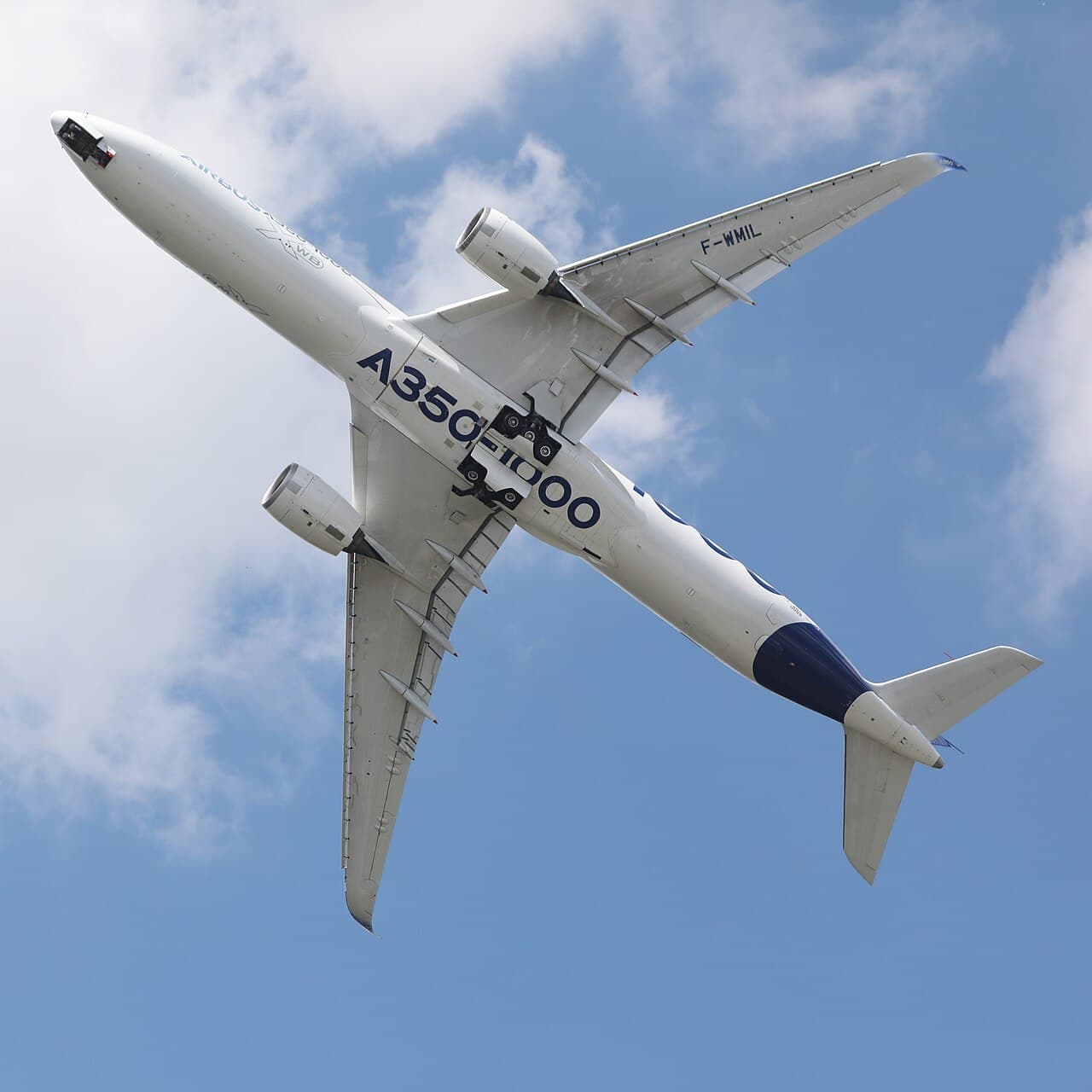
For nearly two decades, the Boeing 777-300ER has been at the very heart of Canada's flagship carrier, dominating long-haul routes from Toronto Pearson International Airport (YYZ) and Vancouver International Airport (YVR) across the Pacific and Atlantic oceans. When it came time to plan its flagship fleet successor for the decade ahead, Air Canada turned away from Seattle and placed its faith in the rival company Airbus . The airline confirmed a firm commitment for eight Airbus A350-1000s , with purchase rights for eight additional aircraft, bypassing Boeing's delayed 777X program to opt for European composite-twin technology for its next era of international expansion.
Southwest Must Correctly Inform Flight Attendants on Religious Discrimination Rights
Southwest Airlines reinstated flight attendant Charlene Carter and helped pay a $946,102.87 judgment after a jury found it liable for religious discrimination case - it fired her at the behest of the union as a result of her speaking out with anti-abortion and anti-union messages. But the airline triggered a contempt fight by refusing to send flight attendants the message about their rights that the judge demanded.
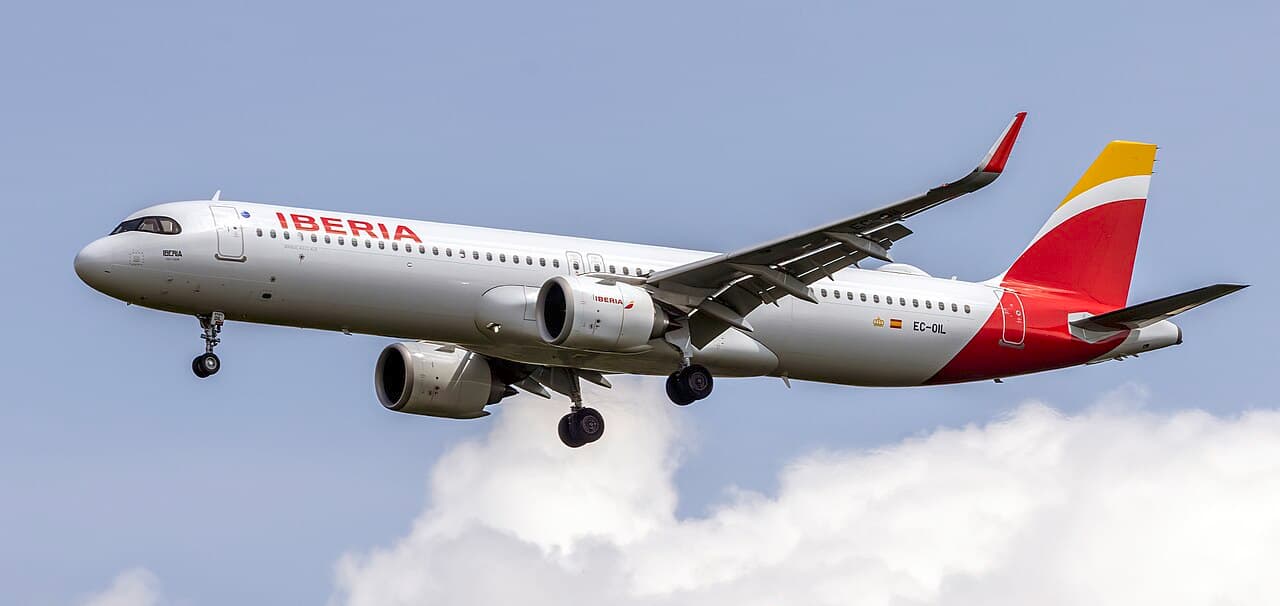
Five Airlines Shift Long-Haul Routes From Widebodies to Airbus A321XLR in 2026
The Airbus A321XLR is one of the most impactful new airliners on sale, as it's a narrowbody airliner designed specifically for long-distance flights. While the Boeing 757-200 was prominently used on some long-haul routes in the past, this was never its original intended role, whereas the A321XLR uses the venerable A321neo platform and adds improvements to give it a range of 4,700 NM (8,700 km).
The Daily Touch & Go
The day's best aviation news in your inbox. Free, no spam.