

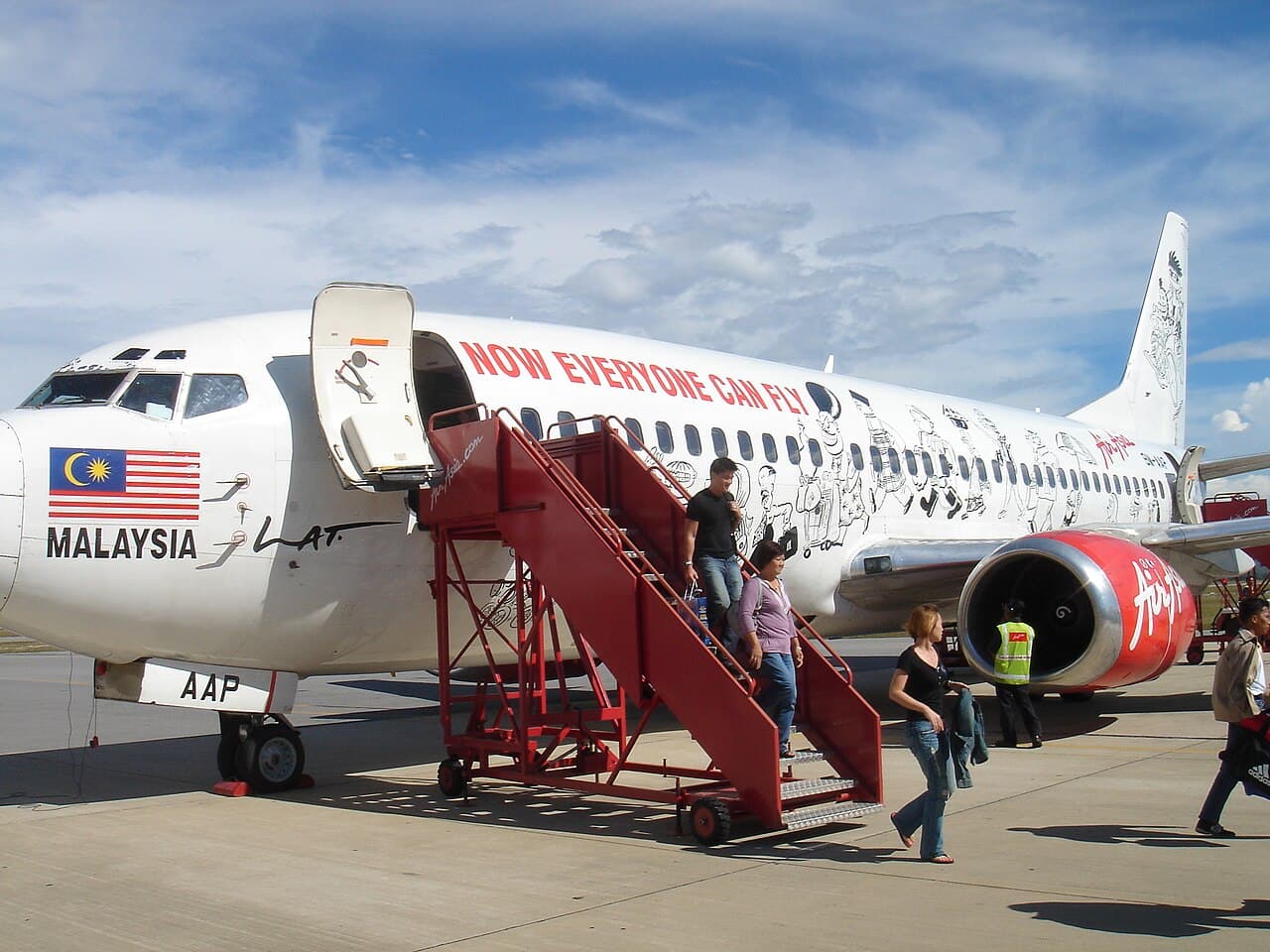
Image: mailer_diablo · CC BY-SA 3.0 · via Wikimedia Commons
AirAsia Group Cuts Q3 Flight Capacity by 20-25% Amid Rising Fuel Costs
Faced with jet fuel prices averaging $183 per barrel in Q2, AirAsia Group plans a significant third-quarter capacity reduction to safeguard margins and profitability.
The gist
AirAsia trims Q3 capacity 20-25% following steep jet fuel cost surge to protect margins and prepare for recovery in Q4.
Continuing coverage
All Fleet Management →- American Airlines' Sun Belt Strategy Reflects Constraints More Than Choice, Experts Say
- AirAsia delays Bahrain hub and London flights amid fuel cost surge and capacity cuts
- Former Ethiopian Airlines CEO Tewolde Gebremariam appointed as Air India CEO
- Norse Atlantic Eyes Sale or Merger After IndiGo Leasing Deal Ends
- Japan Airlines A350-1000 Returns to Flight After Seven-Month Repair Post-JFK Collision
AirAsia Group is scaling back its flight capacity for the third quarter of 2026 by 20% to 25% year-on-year, in response to sharply increased jet fuel prices that impacted its financial performance in the second quarter. This strategic reduction aims to preserve profitability amid volatile energy markets influenced by geopolitical tensions in the Middle East.
During the quarter ending June 30, 2026, average jet fuel prices soared to approximately US$183 per barrel, a 58% rise compared with the same period in 2025. The surge in fuel costs contributed significantly to a net loss of around RM527 million attributable to owners. Expanded impacts, including foreign exchange fluctuations, led to a broader group loss of about RM830 million, although revenue remained steady near RM5.1 billion despite an 11% capacity cut in Q2.
To offset the fuel cost burden, AirAsia applied dynamic pricing and fuel surcharges, allowing recovery of roughly 70% of the additional expense. Average fares increased by over 20% in May and June, while non-fuel unit costs were reduced by 7%. Despite these efforts, the second quarter marked a challenging period, described by Group CEO Bo Lingam as the 'floor quarter'.
The decision to further reduce capacity in Q3 aligns with the seasonal downturn in regional travel demand across Southeast Asia. By trimming flight offerings, AirAsia intends to protect operating margins and ensure that every flight adheres to strict profitability parameters. The airline anticipates a capacity rebound in the fourth quarter, supported by year-end holiday travel demand in its ASEAN network.
In addition to capacity adjustments, AirAsia is retiring 25 older, less fuel-efficient aircraft in 2026, decreasing lease expenses and enhancing fleet efficiency. The introduction of newer aircraft models, including planned A220 and A321XLR deliveries, will underpin expected growth from 2028 onwards. The group is actively pursuing additional funding up to US$1 billion along with local financing facilities to strengthen liquidity after a difficult Q2.
Bo Lingam expressed confidence that jet fuel prices will decline from the extreme highs witnessed in Q2, and with sustained higher fare levels, unit economics are expected to improve. The airline’s short-haul operations in Malaysia and Cambodia remained profitable during the quarter. Losses in Thailand are projected to narrow in Q3 with a return to profitability anticipated in Q4.
For travelers, the Q3 capacity cuts may mean fewer flights on some routes, and fares could remain elevated as AirAsia manages its cost pressures. However, the planned capacity increase in Q4 should restore more flight options during the peak travel season. The company’s response underlines the vulnerability of airlines without fuel hedges when commodity prices spike sharply.
Industry observers note that AirAsia’s strategy focuses on yield management over volume expansion, emphasizing network discipline and cost control while maintaining solid load factors near 80%. Analysts view the steep losses in Q2 as a trough and expect clearer signs of recovery in the latter half of 2026 as fuel costs moderate.
AirAsia’s current measures represent a pragmatic approach to stabilizing performance amid high fuel prices, by temporarily reducing capacity and optimizing its fleet composition. This positions the airline to capitalize on improving market conditions and demand resilience across its key Southeast Asian markets as economic headwinds ease.
Frequently asked questions
- Why is AirAsia reducing its flight capacity in the third quarter of 2026?
- AirAsia is reducing its Q3 2026 flight capacity by 20-25% due to a sharp rise in jet fuel prices, which increased costs and contributed to financial losses, aiming to protect margins and ensure profitability.
- How has AirAsia responded to rising fuel costs besides cutting capacity?
- AirAsia implemented dynamic pricing and fuel surcharges recovering about 70% of extra fuel costs, increased average fares over 20%, cut non-fuel unit costs by 7%, and is retiring older aircraft to improve fleet efficiency.
- What is AirAsia's outlook for capacity and profitability later in 2026?
- AirAsia expects to restore capacity to pre-crisis levels in Q4 2026, supported by holiday demand; fuel prices are expected to moderate, allowing improved unit economics and a return to profitability, particularly in Thailand and short-haul markets.
Read more
All Airlines →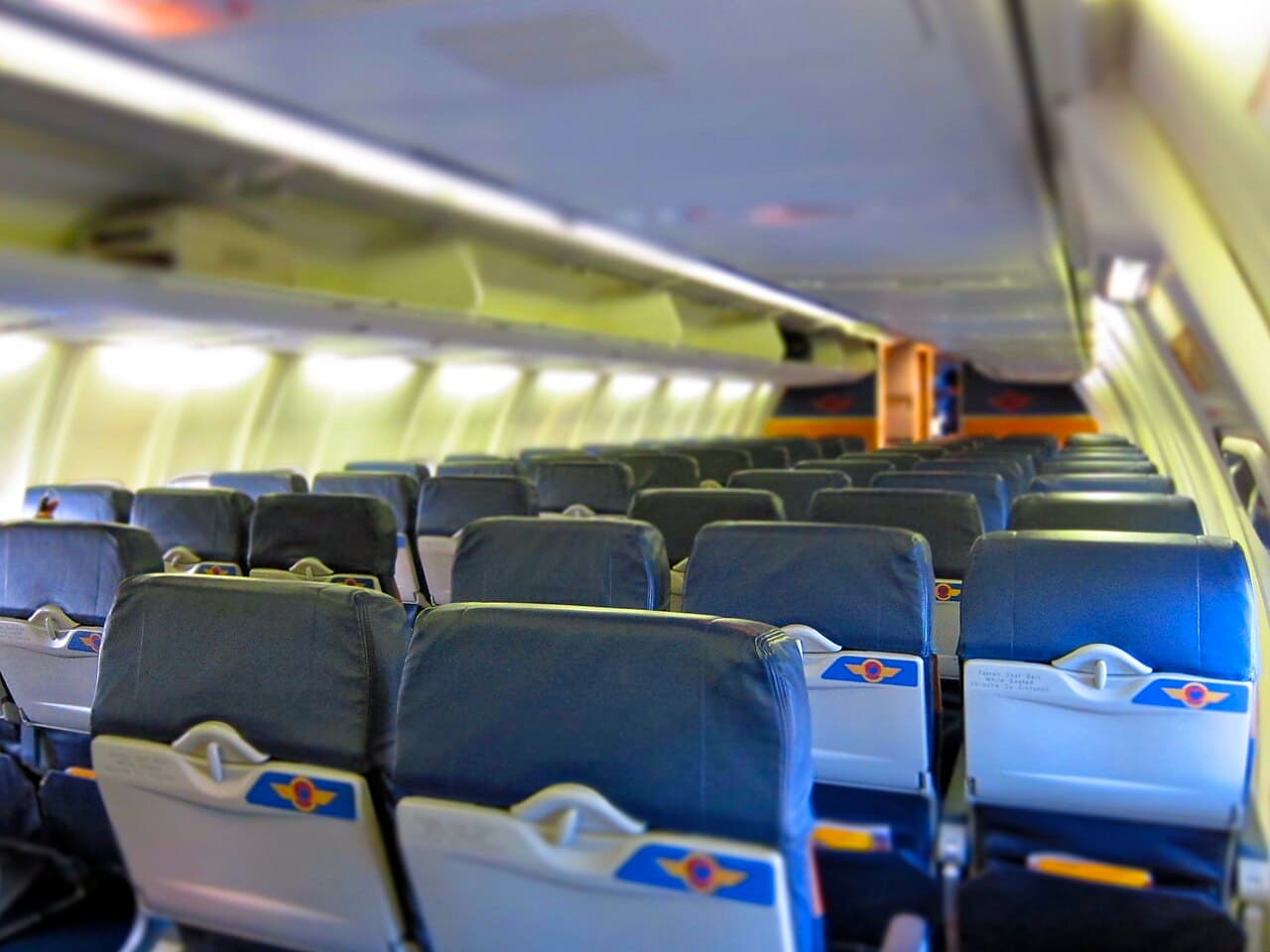
American Airlines' Sun Belt Strategy Reflects Constraints More Than Choice, Experts Say
Insiders argue American Airlines has reversed disastrous sales and distribution mistake while still running the same old strategy that left it weak in major markets. That critique is partly right, but incomplete: American's Sun Belt focus was less a fresh strategic choice than the result of years of retreat from competition, premature aircraft retirements, slot and gate constraints, and a long-running failure to value the markets that drive loyalty and credit card spend.
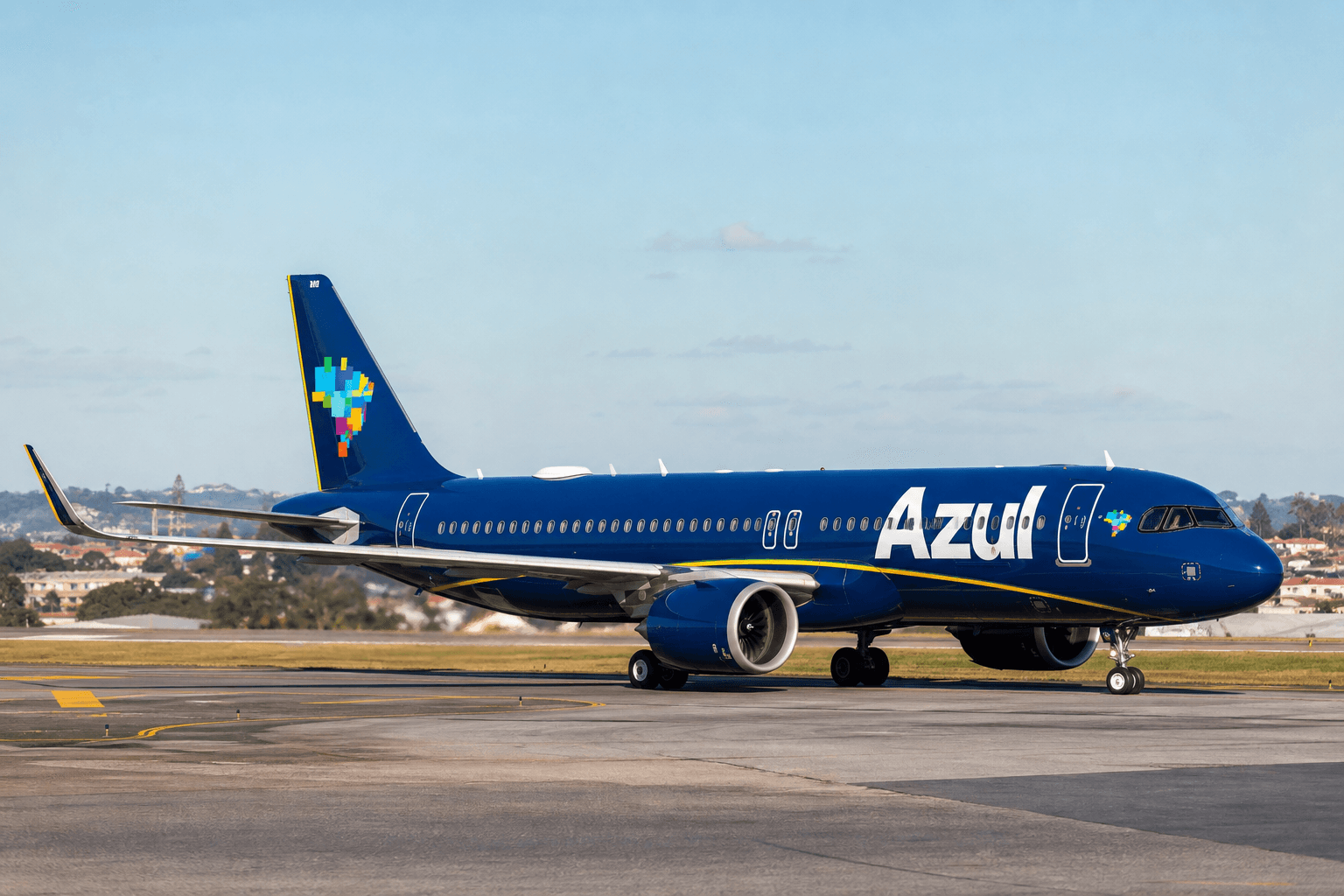
Azul reports record Q2 revenue but doubles losses amid international capacity cuts
Azul drastically cut capacity, especially on international routes, as fuel costs surged. Brazil's Azul reported record operating revenue for the second quarter as losses doubled due to fuel costs. Despite cutting capacity by more than 10% year-over-year, operating revenues hit R$5.0 billion ($980 million) – up about 0.7% from a year ago. Operating profit swung to a R$159 million ($30.3 million) loss from R$380 million ($72 million) in profit a year ago as oil prices surged. International capacity was also sharply reduced by nearly 25% in order to "protect liquidity and maintain focus on long-term value creation." “I think some of our competitors planned capacity assuming the war would end", chief executive John Rodgerson says. "We feel very good about the disciplined approach we made." Rodgerson cited choppiness in fuel prices for the lack of guidance, saying it is about "building credibility and pointing investors to the long-term strategy of Azul." Executives say 2026 is a “transition year," as the carrier emerges from Chapter 11 reorganisation proceedings that wrapped up in February. The airline says capacity growth will resume by the end of the year, but has not provided future financial guidance through the end of the year and beyond. “We just don’t think there’s value in providing guidance as the fuel curve continues to bounce around as much as it has," he continues. In July, American Airlines chief executive shared similar concerns, saying higher-than-expected fuel costs after the second quarter closed caused the airline to erase more than $1 billion in expected profits from their expectations. Demand from both business and consumers is strong in the third quarter so far. President Abhi Shah says corporate fares are "probably the highest ever" in the history of Brazil and that Azul is "probably having our best B2C [business to consumer sales] week this year in the last six months easily." New aircraft should help with expansion and premium growth. Azul has received one Airbus A320neo this year, with another expected but delayed. One replacement A330 is flying, another is "on its way," and more on order, executives say. Their target is to have 12 widebody international aircraft in the fleet by the end of the year. “Over the last four or five years, Azul lost a little bit of its glow because we were fighting for survival,” Rodgerson says. “Azul is now back.”
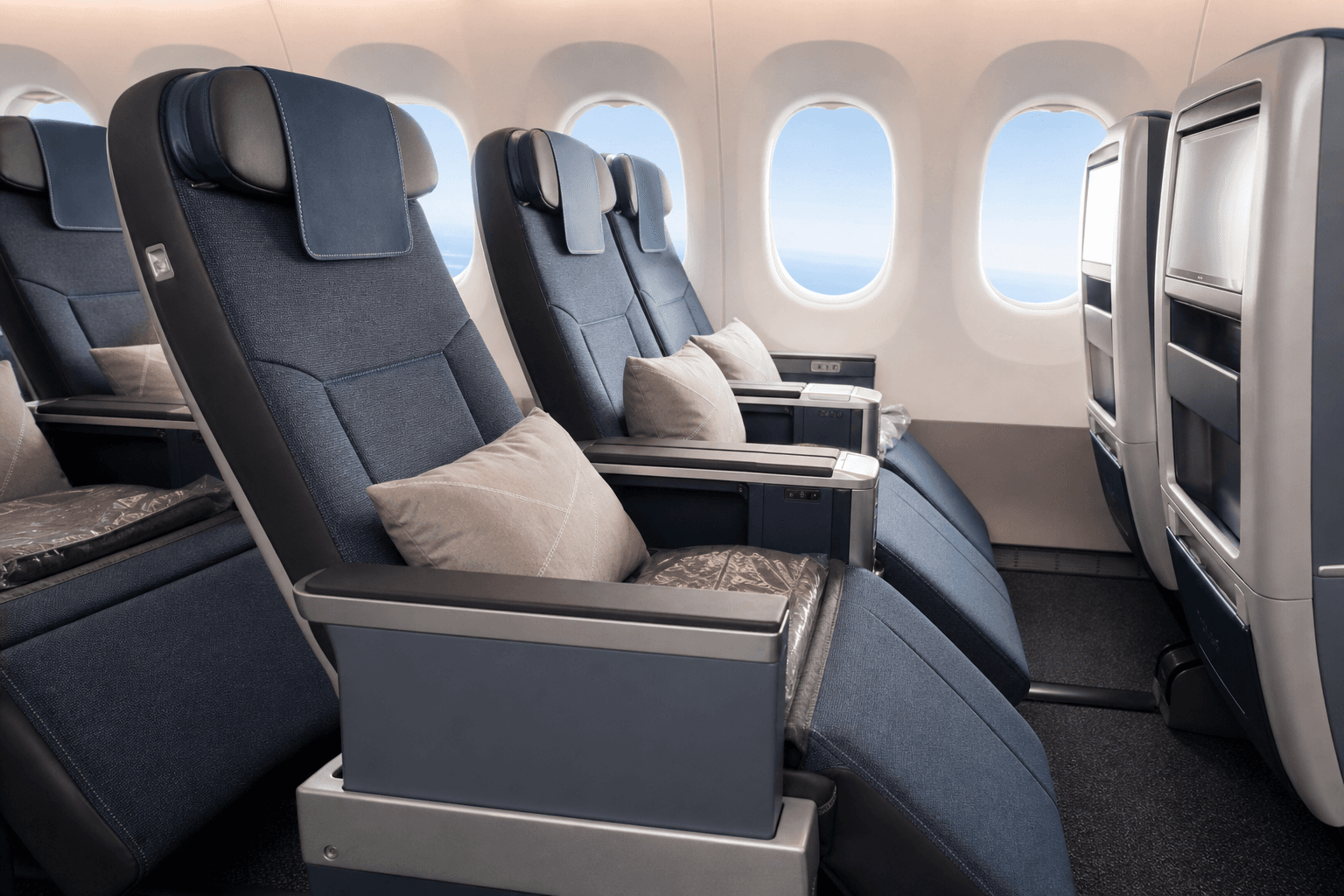
Premium Economy Seats Provide Up to Eight Extra Inches of Legroom Over Economy
For millions of travelers each year, long-haul flying means choosing between comfort and cost. The rise of premium economy has helped bridge the gap, giving passengers a cabin that feels noticeably more relaxed than standard economy but far more affordable than business class. However, just how much more space and comfort do you actually get, and how significant is the difference on a real flight?
Airbus A380 First Class Cabins Set to Evolve With Unique Luxuries by 2026
The Airbus A380 is one of the most iconic and striking aircraft of the 21st century, with its double-deck design and quadjet configuration making it one of the world's most visually distinctive airliners. Meanwhile, passengers love its spacious cabin, low noise levels, and smooth ride, while carriers introduced innovative new premium cabins when they took delivery of these planes. Although few are in service, the A380 is one of the few commercial aircraft types to transcend the aviation industry and become a cultural icon.
The Daily Touch & Go
The day's best aviation news in your inbox. Free, no spam.