

Image: Julian Herzog ( Website ) · CC BY 4.0 · via Wikimedia Commons
Norse Atlantic reports $95 million loss amid pivot to leasing and own network cutbacks
Norse Atlantic's $95 million first-half net loss deepens sharply as second-quarter revenues decline following a strategic shift to leasing and reduced passenger flights.
The gist
Norse Atlantic's new lease-focused strategy causes steep revenue drop and $95 million loss in first half of 2026.
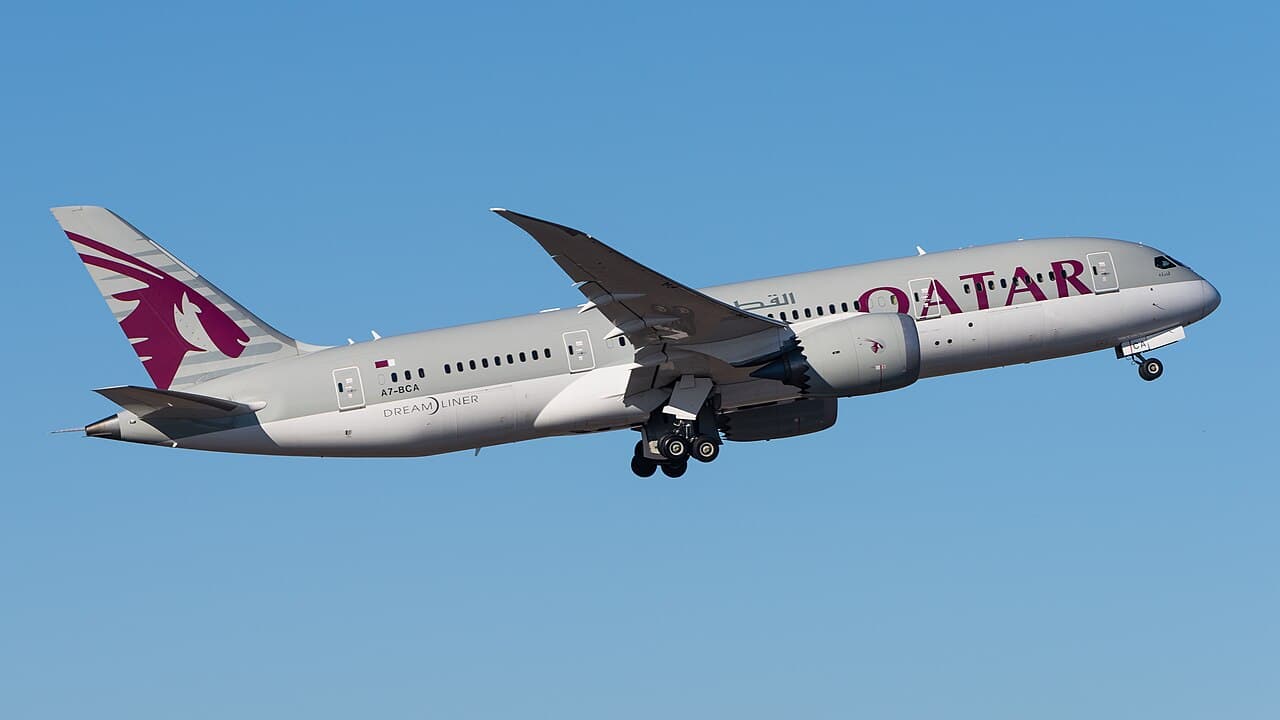
Norse Atlantic Airlines posted a net loss of $95 million in the first half of 2026, more than four times its loss compared to the prior year. This worsening financial result stems from a strategic transformation towards a dual business model combining its own passenger network with an expanded aircraft leasing operation. The airline’s second-quarter revenue took a significant hit due to cutting back its own network services while ramping up leasing activity, primarily with Indian carrier IndiGo. Passenger revenues plunged over $100 million to just $82.4 million, only partially balanced by an increase in lease and charter revenues, which reached $45 million.
The carrier operates a fleet of 12 Boeing 787s, half of which have been assigned to leasing arrangements, notably on behalf of IndiGo for long-haul European routes. However, the leasing business underperformed against expectations; the airline reported fewer block hours than planned and longer average flight durations. IndiGo fell short of the target 420 block hours per aircraft in both May and June, diminishing anticipated income from these agreements. As a result, the revenue uplift from leasing and charters was insufficient to offset the sharp decline in passenger sales during the quarter.
Fuel price increases further eroded profitability despite lower operational costs. Norse Atlantic’s operating expenditure for the quarter decreased to $140 million due to reduced flying activity and the leasing shift, yet the airline suffered a quarterly loss of $71 million, a marked deterioration from a modest $6 million loss previously recorded. Chief Executive Eivind Roald acknowledged the unsatisfactory financial outcome but emphasized that the company has taken critical steps to enhance its commercial operations and financial foundation.
The airline is pursuing an efficiency drive titled 'Project Falcon', targeting $50 million in cost savings aimed at improving margin performance. Managing capacity with greater focus on profitability has led Norse Atlantic to cancel its summer program to Los Angeles and strategically adjust its fleet deployment. Reinforcing its liquidity position has also been a priority; following a recent rights issue, the airline secured $52 million in senior secured financing with maturity set for May 2027 to strengthen its balance sheet during ongoing market challenges.
The leasing arrangement with IndiGo is scheduled to end on 1 November 2026, when IndiGo will return all six leased 787 aircraft to Norse Atlantic. Operational disruptions linked to European airspace closures have affected the economic viability of these leased services. With the partnership concluding, Norse anticipates improved flexibility in deploying its aircraft across its two core business streams: the proprietary network and leasing/charter operations.
Roald outlined a vision of evolving Norse Atlantic into an 'airline on demand', whereby over half the fleet engages in high-grade own network operations with flexible utilization to match market demand. The remaining aircraft will participate in a more selective and profit-focused charter and leasing business. This strategic bifurcation aims at maximizing profit potential by dynamically allocating aircraft to the most lucrative opportunities.
Norse Atlantic continues its strategic review process involving multiple interested parties who have signed non-disclosure agreements, signaling potential for a future sale, merger, or partnership. This ongoing exploration of options reflects the airline's response to tough market conditions intensified by its transformational pivot and financial pressures.
The airline’s ability to adapt through Project Falcon cost savings, refined capacity management, and a clearer strategic business model will be critical to returning to sustainable profitability. The unwinding of the IndiGo leasing agreement marks a turning point with expectations for Norse to focus more heavily on operational efficiency and capturing new market niches with its flexible fleet deployment approach.
Frequently asked questions
- What caused Norse Atlantic's revenue decline in the second quarter?
- Revenue declined primarily because Norse Atlantic cut back its own network flights, leading to a $100 million drop in passenger revenue, only partly offset by increased lease and charter income.
- How did the leasing agreement with IndiGo affect Norse Atlantic's operations?
- Norse leased six Boeing 787s to IndiGo, but IndiGo used fewer flight hours than planned, contributing to lower-than-expected revenue and the eventual ending of the partnership in November 2026.
- What is Norse Atlantic's strategy going forward after ending the IndiGo lease?
- The airline plans to become an 'airline on demand' with a flexible approach, allocating over half its fleet to own passenger services and less than half to selective leasing and charters focusing on profitability.
Read more
All Business Aviation →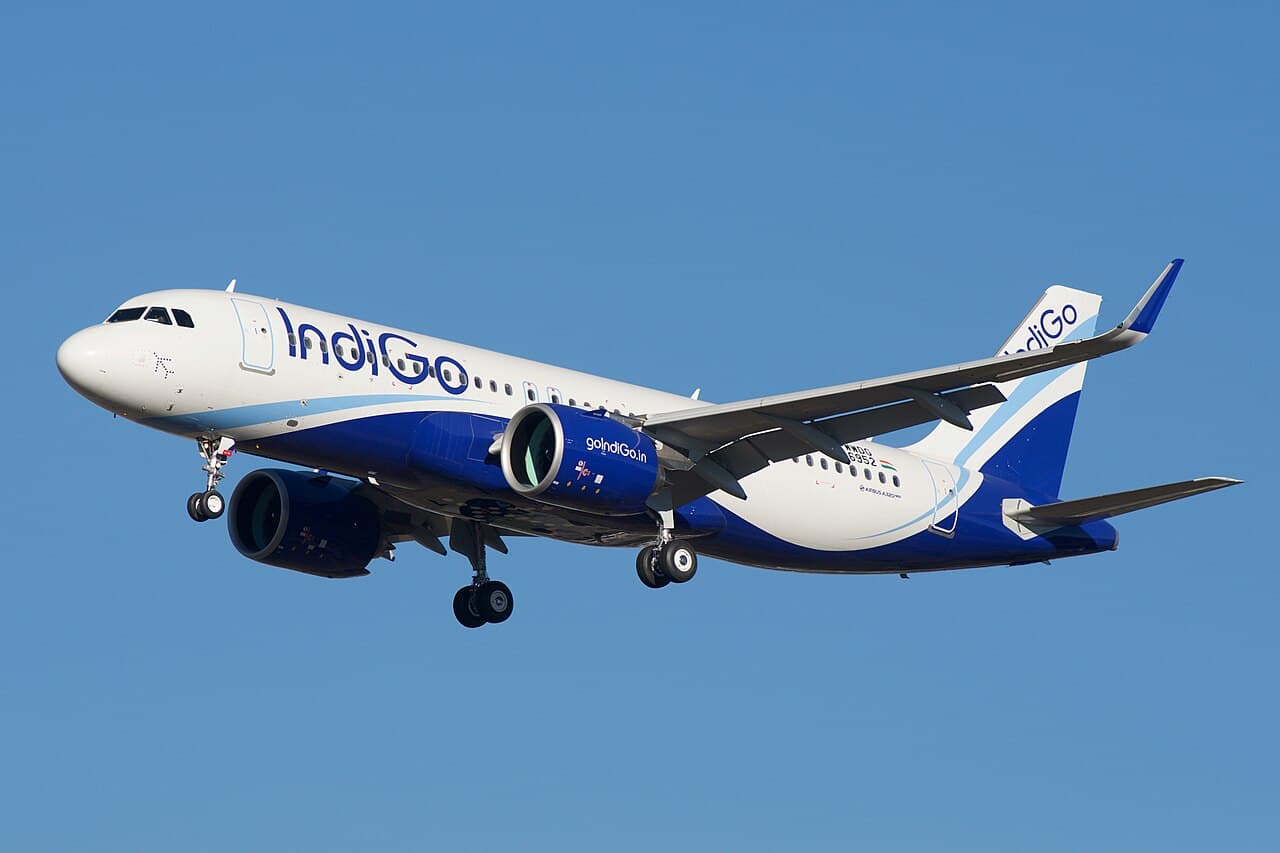
Lufthansa debuts Starlink wi-fi on first A320neo, plans 850 aircraft retrofit by 2029
German airline group is installing the SpaceX in-flight wi-fi service on all of its carriers' aircraft. Lufthansa Group has installed SpaceX's Starlink in-flight wi-fi service on its first aircraft, kicking off a programme that will see 850 jets operated by all of its airlines equipped with the system by 2029. The first aircraft to feature the low-Earth orbit (LEO) satellite-based system, a Lufthansa mainline Airbus A320neo (D-AINM), entered service on 19 August after undergoing installation by Lufthansa Technik in Berlin. The inaugural flight featuring the service was between Frankfurt and Rome. A further 10 Lufthansa and Lufthansa City A320-family aircraft will have the system installed by the end of this year, says the carrier. Installations will also take place at Lufthansa Technik’s facilities in Budapest and Sofia, and are being timed to coincide with scheduled downtime for technical checks. The system is being retrofitted to existing aircraft and will be added as a linefit solution to future aircraft ahead of delivery, says Lufthansa. The German airline group aims to install Starlink on 850 aircraft across all of its carriers – Lufthansa, Swiss, Austrian Airlines, Brussels Airlines, ITA Airways, Edelweiss, Discover Airlines, Air Dolomiti, Lufthansa City Airlines and Eurowings – over the next three years. Installations on the other carriers will begin “soon”, says the group. Starlink uses a network of LEO satellites to provide low-latency global coverage, including across polar regions. Lufthansa claims that passengers will experience "an internet bandwidth above the clouds that, in many cases, is faster than their internet connection at home or in the office". The group will provide the wi-fi service free-of charge for members of its Miles & More frequent flyer programme and for users of its Travel ID service. Lufthansa tells FlightGlobal that wi-fi access will remain free to use in the future, noting that “any customer can register” for Travel ID “for free, in an easy process, even during the flight”. The connectivity service, which will be branded as Lufthansa Group Wi-Fi, is sponsored by Mastercard. The credit card company also sponsored the carrier's previous FlyNet in-flight wi-fi service, which was provided by Deutsche Telekom and Viasat. Lufthansa Group’s Discovery unit had also previously selected Panasonic Avionics’ multi-orbit connectivity service for its Airbus A330s. Satellite wi-fi competition heats up Lufthansa announced at the beginning of this year that it was switching to Starlink as its connectivity provider across its entire fleet, dealing the latest blow to the geostationary satellite market. SpaceX through its Starlink service and Amazon with its own Leo-branded in-flight connectivity offering have been taking market share from incumbent satellite providers , which have begun offering multi-orbit services to airlines in response. Other European airlines to have selected Starlink include IAG – with Spanish unit Vueling set to become "the first low-cost carrier in Europe" to offer the service when it is installed on its incoming Boeing 737 Max jets, according to the airline group – Air Baltic, Wizz Air and Virgin Atlantic. The service is also proving popular in North America, having been selected by Air Canada, Alaska Airlines, American Airlines , Hawaiian Airlines, Southwest Airlines, United Airlines , WestJet and charter carrier JSX. Last month, Frontier Airlines also announced that it would install Starlink on its entire fleet , as part of a programme that will see five Indigo Partners-backed carriers equip more than 1,000 aircraft with the system. Amazon's Leo service, meanwhile, counts Delta Air Lines and JetBlue Airways among its customers.
Textron Aviation Delivers 500th Cessna Citation CJ4 Jet Marking Two Decades of Success
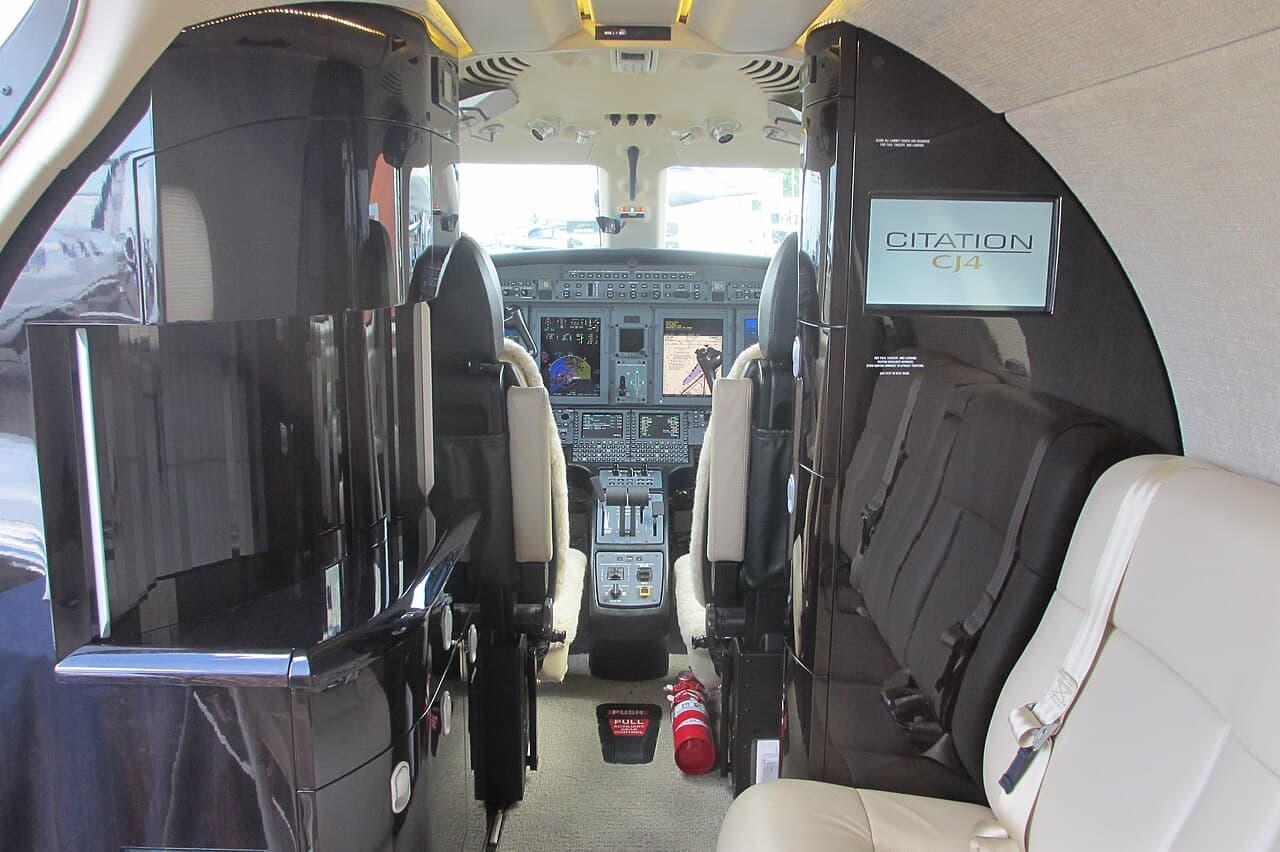
On August 17, 2026, Textron Aviation announced that its Cessna subsidiary has delivered the 500th Cessna Citation CJ4 series aircraft. The milestone was achieved with the delivery of a Citation CJ4 Gen2 aircraft to a customer in the Philippines. The Citation CJ4 series is a family of light executive jets which was launched in 2006, first flew in 2008 and has since become one of the best-selling families of private jets. Textron Aviation is currently delivering around 30 CJ4s per year. It has been slightly more than three years since the 400 th Cessna CJ4 delivery in April 2023, to US industrial conglomerate Koch Holdings. Textron Aviation is already working on the next iteration of this aircraft, the Citation CJ4 Gen3, which will feature Garmin G3000 PRIME avionics and the Garmin Emergency Autoland safety system. "The Citation CJ4 has set the standard in its class for more than a decade, and with the Citation CJ4 Gen2 and the upcoming Citation CJ4 Gen3, we're continuing to invest in the innovation, technology and capabilities our customers value most," Lannie O'Bannion, Textron Senior Vice President for Sales & Marketing, said in a press release announcing the 500 th aircraft delivery. This latest and largest version of the Citation CJ4 series (the previous ones being the CJ4 base model and the Gen2 version), which will also be able to carry up to nine passengers and two pilots, is currently undergoing flight testing and is expected to receive type certificate from the Federal Aviation Administration (FAA) before the end of 2026. RELATED New Cessna Citation launch customer confirmed, first test flight triumph: video
Owning a Bombardier Challenger 300 Beats Chartering Beyond 300 Flight Hours Annually
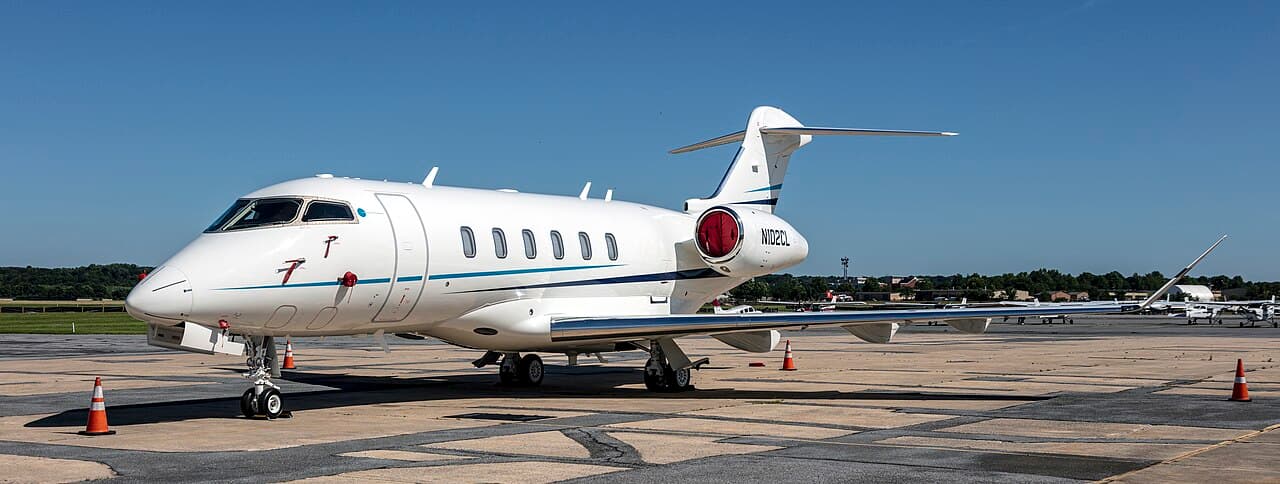
200 hours of flight time is the most commonly cited figure for when it makes more sense to purchase a private jet than charter one. However, the exact number of flight hours depends heavily on the cost of charter and the aircraft in question. To take the Bombardier Challenger 300 as an example, charter rates are usually between $5,950 (low-end quote) and $9,525 (billable average) per hour, according to the Air Charter Journal . The latter is the figure that this article will use.

Cirrus SF50 Vision Jet Offers Ultra-Cheap Ownership Compared to Chartering Business Jets
Most people associate the term ' private jet ' with the largest, most expensive long-range jets produced by Gulfstream and Bombardier, but most business jets are significantly smaller with less range. These planes are less usable and may appear to provide fewer benefits, but they're also much cheaper to purchase. Meanwhile, at the bottom of the market lies the tiny Cirrus SF50 Vision Jet, a single-engine, single-pilot very-light-jet that's more similar in design and capabilities to turboprops than other VLJs.
The Daily Touch & Go
The day's best aviation news in your inbox. Free, no spam.