

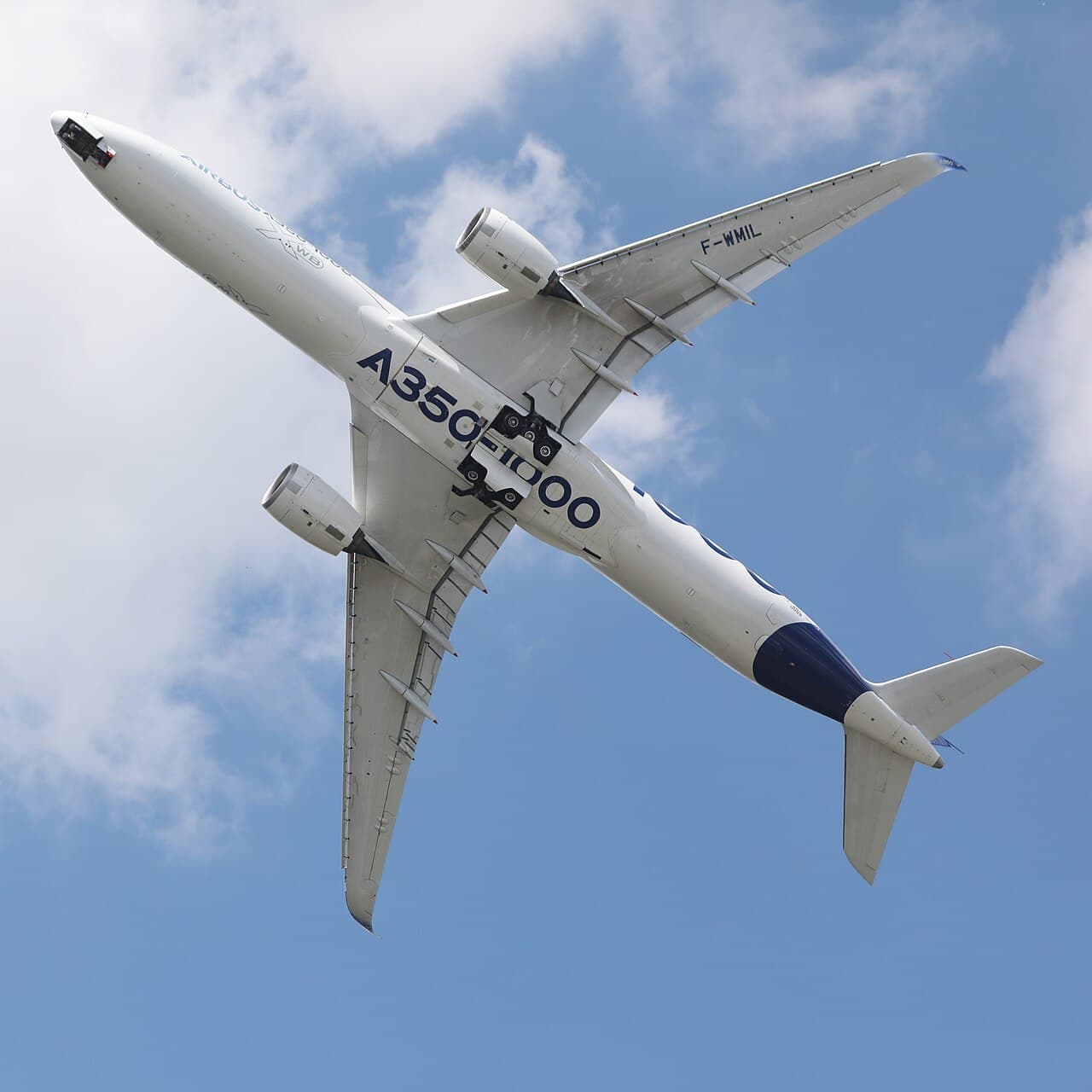
Image: New York-air · CC BY-SA 4.0 · via Wikimedia Commons
Air Canada Picks 16 Airbus A350-1000s Over Delayed Boeing 777X for Long-Haul Fleet Renewal
Air Canada commits firmly to eight Airbus A350-1000s plus options for eight more, rejecting Boeing's delayed 777X to replace 777-300ERs and modernize its long-haul operations.
The gist
Air Canada chooses Airbus A350-1000 over Boeing 777X due to delivery certainty, fuel efficiency, and operational range for its long-haul fleet renewal.
Continuing coverage
All Air Canada →- Air Canada Sets New Q2 Revenue Record Despite Rising Fuel Costs and Operational Hurdles
- Air Canada Faces Backlash Over Losing Passenger's Husband's Ashes and $200 Voucher Offer
- Air Canada posts solid Q2 results as global carriers announce fleet and route shifts
- Air Canada sells 25% of Aeroplan loyalty program to Blackstone and Canadian investors for $2.5B
- Air Canada Nears $2 Billion Deal Selling Minority Aeroplan Stake to Blackstone
For nearly 20 years, Air Canada’s international long-haul network has depended heavily on the Boeing 777-300ER, flying from major Canadian hubs like Toronto Pearson and Vancouver International. Facing an aging fleet averaging over 16 years in service, the airline has decided on a major shift, committing to Airbus A350-1000 aircraft, stepping away from Boeing’s anticipated 777X model.
The carrier placed a firm order for eight A350-1000s, with purchase rights for an additional eight, signaling a strategic pivot toward Airbus’s latest composite twinjet technology. This move comes as Boeing’s 777X program experiences persistent delivery delays and cost overruns, casting doubt on its suitability as a timely replacement for the worn 777-300ERs that underpin Air Canada’s long-haul backbone.
Operationally, the 777-300ER fleet is pressing against structural and maintenance limits, with extensive airframe inspections and engine overhauls looming. The high operating costs, especially on lengthy transpacific routes, are a growing concern amid fluctuating fuel prices and rising competition. Prolonging the life of these aluminum-bodied aircraft would require heavy maintenance investments that would not match the efficiency gains promised by newer widebodies.
Originally, the 777-9 variant of Boeing’s 777X appeared the most logical successor, given pilot commonality and operational familiarity. However, the program’s more than six-year delay beyond its planned 2020 entry has eroded confidence. With no guaranteed certification timeline, Air Canada faced a fleet planning gap incompatible with its 2030 retirement deadlines for older aircraft.
The financial and scheduling setbacks burdening Boeing’s 777X project include $15 billion in overruns and structural test failures. By contrast, Airbus’s A350-1000 offers a proven, immediately available platform. Its composite airframe, composed of over 50% carbon fiber and advanced alloys, delivers a significant 25% fuel burn and emissions reduction per seat relative to the outgoing 777-300ER.
Powered by Rolls-Royce Trent XWB-97 engines and capable of ranges up to 9,000 nautical miles, the A350-1000 enables Air Canada to operate ultra-long-haul and high-yield cargo routes without the weight restrictions that have hampered previous 777-300ER deployments. This capability promises full payload revenue on transpacific and South Asian sectors, reducing past operational compromises due to temperature and headwind challenges.
Air Canada’s fleet strategy revolves around a three-tiered architecture supporting varying long-haul demand. The A321XLRs serve point-to-point secondary transatlantic routes, the Boeing 787-10s handle high-density transcontinental and transatlantic legs, and the A350-1000s anchor the premium trunk and ultra-long-haul segments. This approach leverages differing aircraft strengths to optimize network efficiency and passenger comfort across its hubs.
Enhancing passenger experience is integral, as both the A350-1000 and 787-10 cabins maintain lower cabin altitude pressures and higher humidity levels than legacy aluminum models. These environmental improvements help reduce fatigue on flights that exceed 12 hours, improving comfort on Air Canada’s longest routes.
Air Canada’s firm choice of the Airbus A350-1000s over the Boeing 777X reflects a decisive prioritization of aircraft availability and operating efficiency. This decision positions the airline to meet its strategic goals for international expansion while managing costs on a fleet renewal timeline that Boeing’s delayed offerings could not meet.
Frequently asked questions
- Why did Air Canada choose the Airbus A350-1000 instead of the Boeing 777X?
- Air Canada chose the A350-1000 due to Boeing 777X program delays, delivery uncertainties, and the A350’s superior fuel efficiency and operational range for long-haul routes.
- How many Airbus A350-1000 aircraft did Air Canada order?
- Air Canada placed a firm order for eight Airbus A350-1000s with purchase rights for eight additional aircraft, totaling 16 potential planes.
- What are the operational benefits of the A350-1000 compared to the outgoing 777-300ER?
- The A350-1000 offers up to 25% less fuel burn and emissions per seat, a longer range of 9,000 nautical miles, and the ability to carry full payloads on ultra-long-haul routes without weight restrictions.
Read more
All Airlines →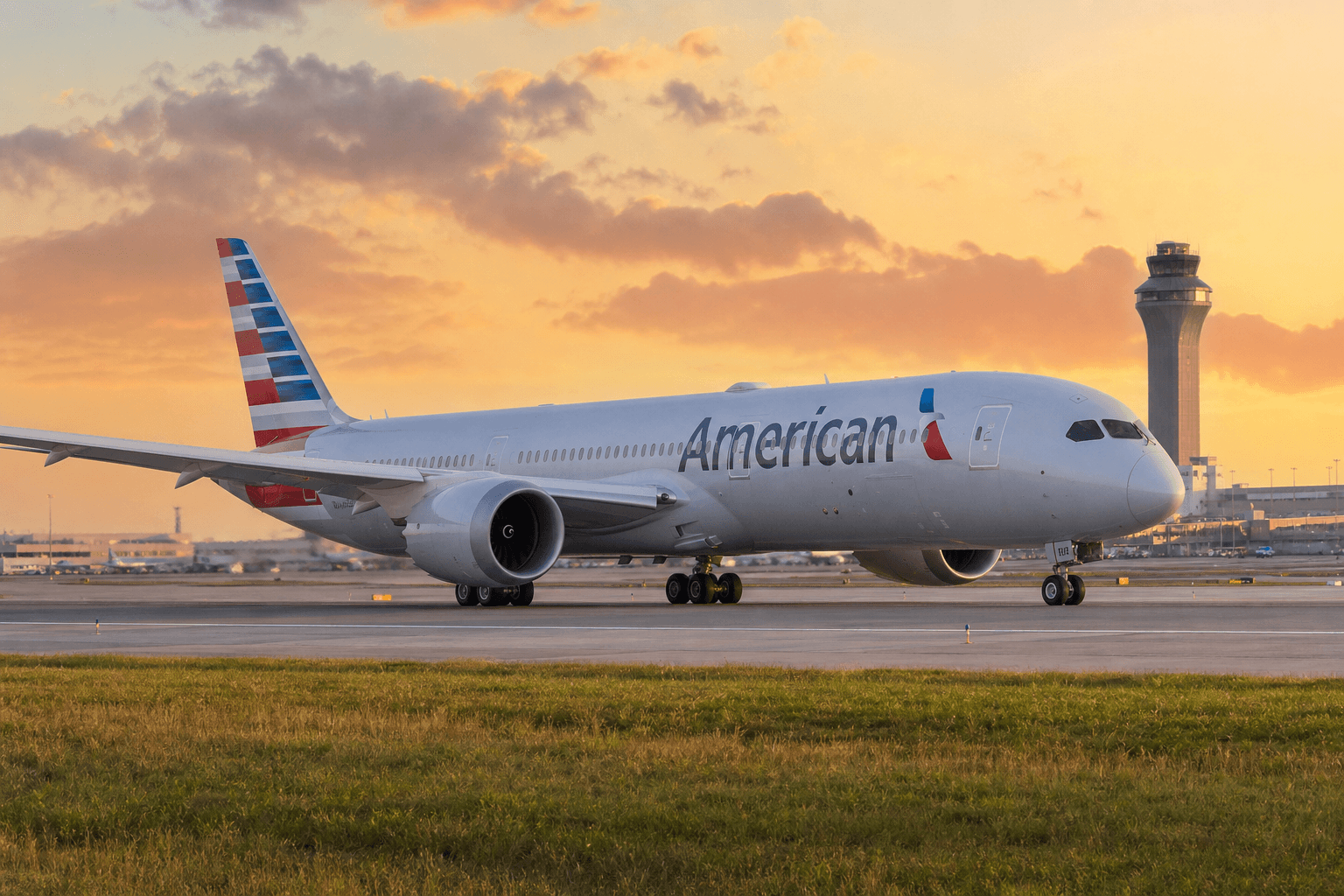
American Airlines Struggles to Match Delta and United in Profitability Despite Market Size
American Airlines was founded in 1930 through a merger of 80 airlines. It wouldn't be until 2013 that American as we know it today was born through a merger with US Airways. With over 223 million passengers carried in 2025, the oneworld carrier remains one of the world's largest airlines alongside its largest competitors, Delta Air Lines and United Airlines . Despite this, American is lagging behind on one key metric: profitability. A gap the Dallas-based airline is desperately looking to close over the coming years.

Air Transat Completes Turnaround Program Amid Lingering Financial Challenges
For many Canadians, Air Transat is something of a household name, connecting the country with holiday destinations across Europe, the Caribbean, and Latin America. In 2025, Skytrax named it the "World's Best Leisure Airline" for the seventh time, while management has increasingly emphasized its transformation from a traditional point-to-point leisure airline into a more network-oriented carrier. This forms part of a broader attempt to reinvent the company following several years of severe financial pressure.
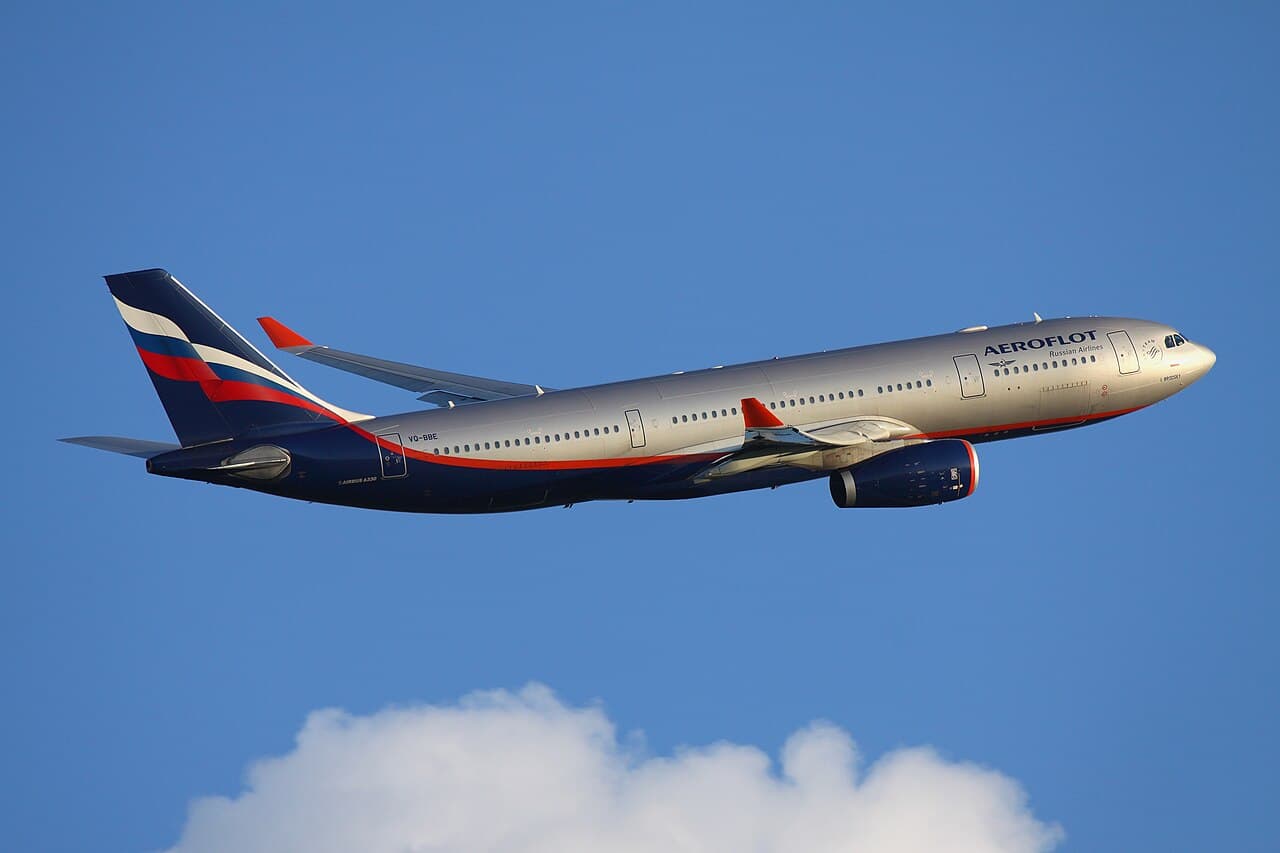
Delta Accelerates Austin Growth With New Paris Route and Expanding Operations
Paris, a crew base, and 15 future gates are positioning the airline for its next phase of expansion.
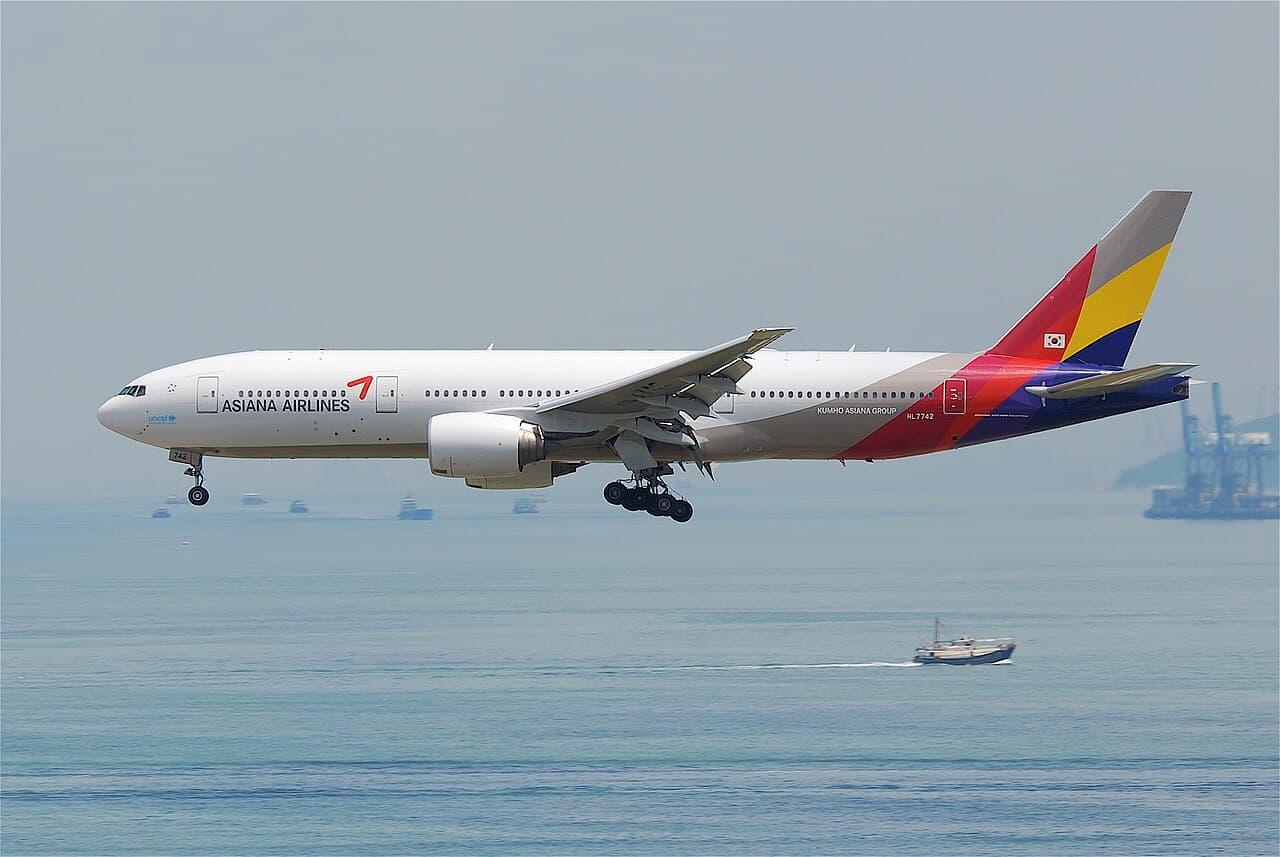
EVA Air Sets Transpacific Business Class Standard with 60 Inches of Legroom
In recent years, EVA Air has quietly become one of the most talked-about airlines in long-haul travel thanks to its blend of superior hospitality and premium cabin innovations. For passengers flying between North America and Asia, a ticket in the carrier's business class is more than just a route across the Pacific Ocean.
The Daily Touch & Go
The day's best aviation news in your inbox. Free, no spam.