

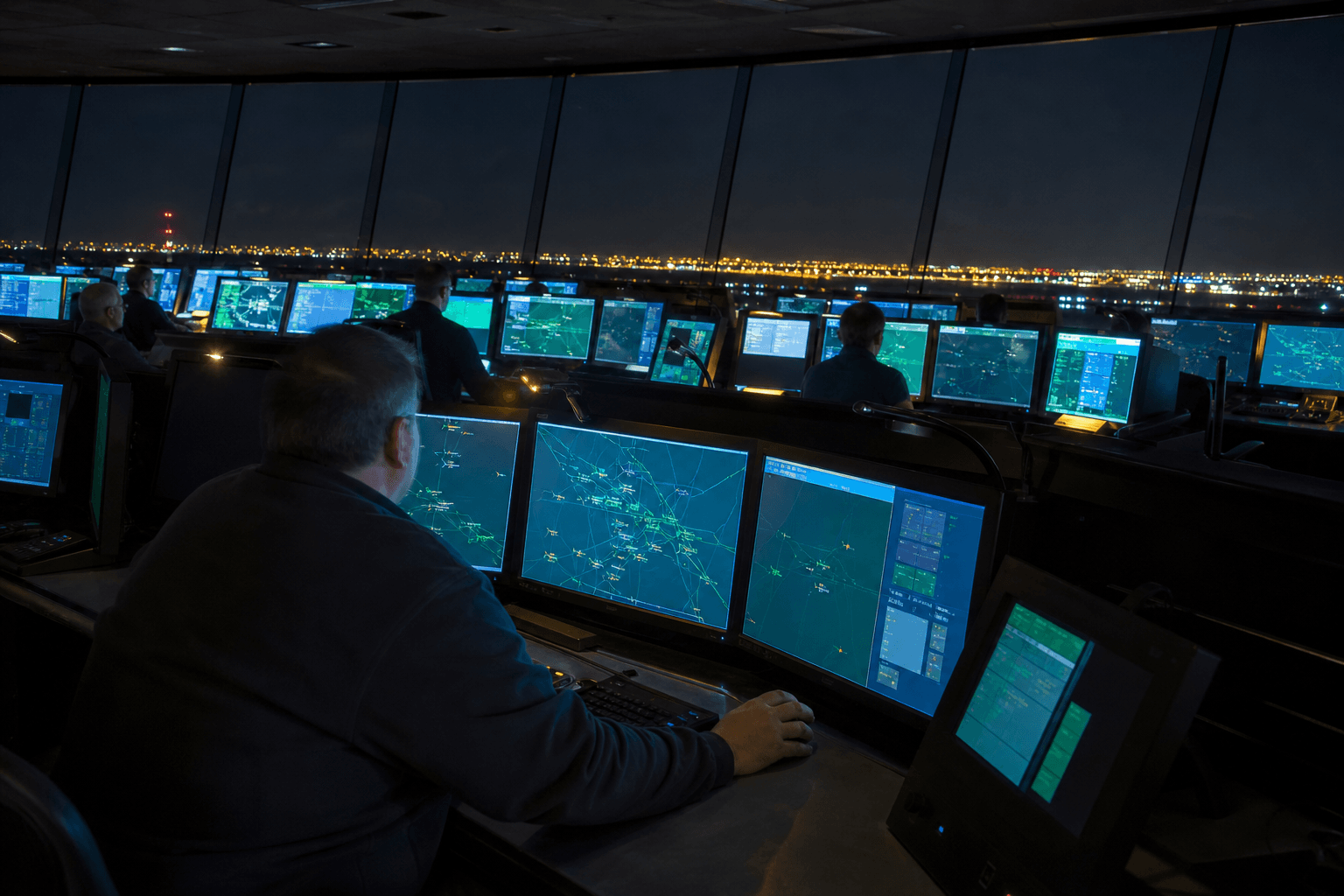
AI-generated illustration
Aviation Coalition Asks Congress for $30 Billion in ATC Funding, Short of White House $50 Billion Ask
More than 60 aviation groups urged lawmakers to approve at least $30 billion for air traffic control modernization, even as the Trump administration now seeks about $50 billion after this month's national ground stop.
The gist
Aviation's Modern Skies Coalition wants $30 billion more for ATC, about $20 billion below the administration's new $50 billion request.
Continuing coverage
All Faa →- White House Forms Tiger Team to Head Off Air Traffic Control Outages Before Thanksgiving
- FAA Nationwide Ground Stop Sends NBA, NHL and College Teams Scrambling for Weekend Travel
- Delta Ground Stop at Atlanta Eases to Ground Delay as Airline Restores Weight and Balance Automation
- Minneapolis Air Traffic Control Outage Grounds and Diverts Flights Across 10 Midwest States
- DOT Inspector General Opens New Audit of FAA Manufacturing Oversight as Six Boeing Fixes Remain Open
More than 60 aviation organizations on Monday asked Congress for at least $30 billion in additional money to modernize the nation's air traffic control system. That figure is roughly $20 billion less than the Trump administration is now requesting. The Modern Skies Coalition, whose members include airlines, airports, pilots and manufacturers, made the appeal in a letter to congressional leaders. The administration had previously supported the $30 billion number, but it has since raised its request to about $50 billion, pointing to this month's national ground stop as proof that the system needs more money.
In its letter, the coalition said $30 billion would fully modernize the ATC system, including proper staffing and training for the people who work in it. The letter made no mention of the $50 billion request. Senator Jerry Moran said last week that the larger figure caught lawmakers by surprise.
Congress in 2025 set aside $12.5 billion for the administration's Brand New ATC System, or BNATCS, a sum officials have described as a down payment. Lawmakers later added $1 billion a year to the FAA's Facilities and Equipment account. Federal officials have said the $12.5 billion came with strings attached, which is why they are seeking more. Legislation introduced in September calls for $30 billion to digitize key ATC systems and support airport improvements. The $50 billion version adds money for new Air Route Traffic Control Centers and control towers. Transportation Secretary Sean Duffy and FAA Administrator Bryan Bedford said the larger request would pay for new centers that consolidate 22 existing facilities. The communications and radar outage behind this month's ground stop affected 17 of those centers, which handle en-route traffic.
Lawmakers say they have not been given a clear picture of how the money already approved is being spent. A Government Accountability Office report in September said the FAA lacks a lifecycle cost estimate and a master schedule for BNATCS, and warned of possible cost overruns, schedule delays and unmet goals. Bedford denied at a hearing that those documents were missing. He did acknowledge that some slipping in the program may put pressure on delivering certain upgrades by the planned 2028 date, and he estimated that the first phase, which the $12.5 billion was meant to cover, is costing $16 billion.
The FAA posts progress on completed upgrades on a website, but officials have said little about actual spending. Ryan McCormack, the Department of Transportation's under secretary for policy, told a Honeywell Aerospace summit in Washington last week that every first-phase project is on or ahead of schedule. He also said only about a third of the $12.5 billion has been used, because the FAA has not yet taken delivery of some new equipment. Speaking at the same summit, Moran said he told Duffy he must be able to explain how the $12.5 billion was spent, what the plan was for $30 billion and why the request has changed. Moran said Congress then needs to evaluate the answers and reach a comfort level, calling the sum a lot of money.
The FAA has not identified the root cause of the outage that triggered the ground stop, the longest since the 9/11 attacks, but has tied it to the installation of a single router by contractor L3Harris. Bedford said last week the outage had nothing to do with the modernization effort. The coalition's letter said the ground stop put a national spotlight on how fragile the system has become and argued Congress should act sooner rather than later. Airlines canceled more than 12,000 flights on the day of the ground stop and thousands more in the days after. Investment firm Bernstein estimated the disruption could cost the four largest U.S. airlines a combined $345 million or more.
Although the letter asks for $30 billion, Chris Sununu, who leads coalition member Airlines for America, said at the summit that $50 billion is not a lot of money. He said it amounts to less than 1 percent of annual federal spending and less than 5 percent of defense spending, for infrastructure built to last decades. The coalition estimated the aviation system supports more than 10 million jobs and accounts for about 5 percent of U.S. gross domestic product.
Another member, the U.S. Travel Association, on Thursday cited falling public confidence as a reason for more funding. Its survey of 2,200 U.S. adults, taken November 16 and 17, found 37 percent said the ground stop makes them somewhat or a lot less likely to fly for vacation in the next 12 months, while about 63 percent want Congress to put at least some additional money toward ATC modernization. The group estimated that if one third of leisure and business travelers skip even one trip in 2027, about $26 billion in travel spending could be at risk. President and CEO Geoff Freeman said the ground stop showed travelers a system becoming less reliable, that Americans stop booking trips when they stop trusting it, and that Congress is undermining the public's faith in aviation.
Originally reported by Aviation Safety Magazine
Read more
All Regulatory →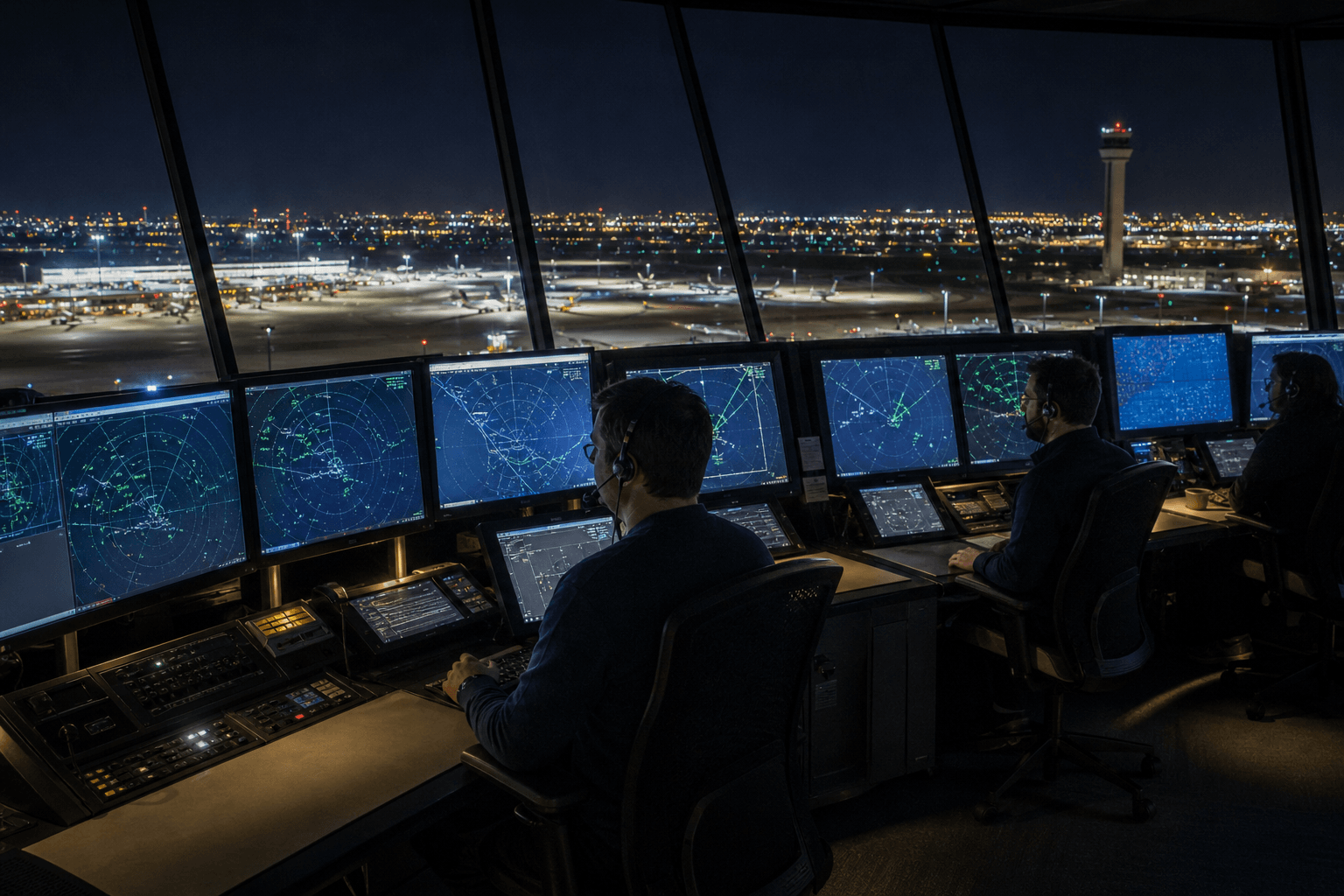
Senator Moran Presses Duffy to Justify Jump to $50 Billion Air Traffic Control Request
The Kansas Republican who chairs the Senate aviation subcommittee says Transportation Secretary Sean Duffy must explain why his ATC modernisation ask rose from $30 billion to $50 billion after the 13 November ground stop.
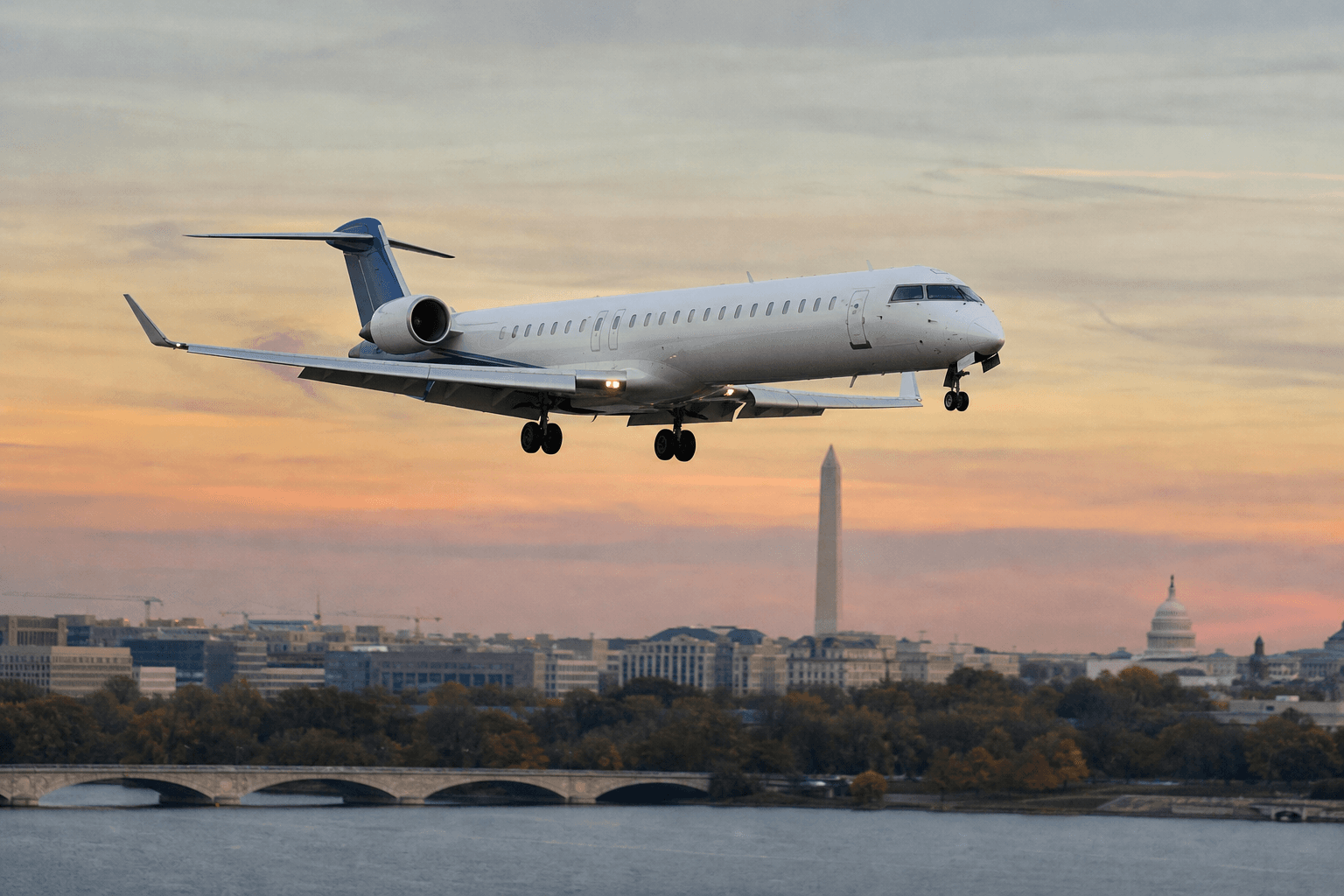
Lawmakers Strike Deal to Require ADS-B In on Civil Aircraft After Potomac Midair Collision
Senators announced an agreement in principle to mandate traffic-receiving equipment on civilian aircraft already required to carry ADS-B Out, though rules for military aircraft remain unsettled.

House China Committee Urges FAA to Refuse Certification of COMAC C919 and Scrutinizes Airbus
A bipartisan House panel's 65-page report calls for blocking FAA approval of Chinese-built jets and questions federal contracts for firms tied to China's aerospace base.
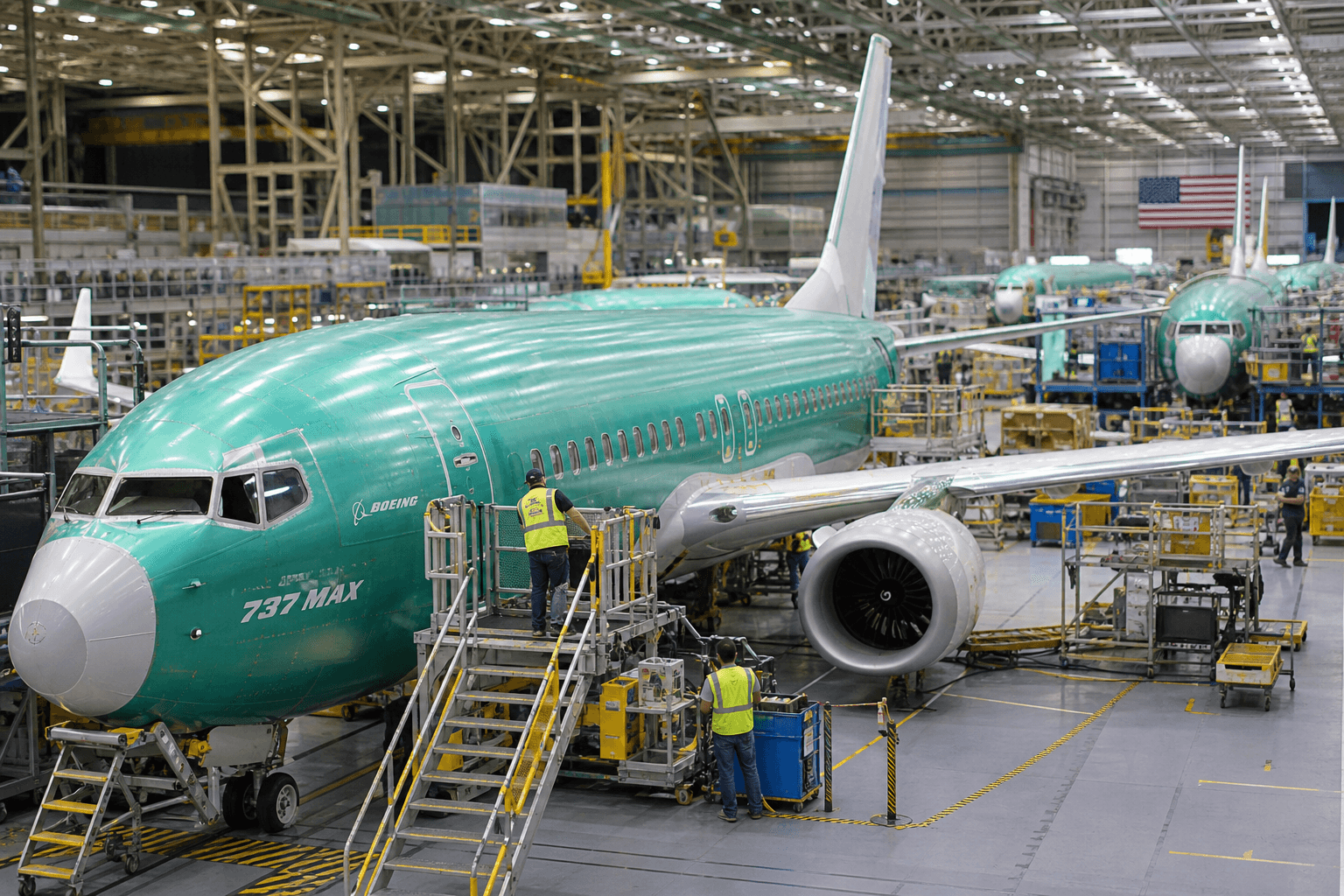
DOT Inspector General Opens New Audit of FAA Manufacturing Oversight as Six Boeing Fixes Remain Open
The Transportation Department watchdog will examine how the FAA polices manufacturers and their US and foreign suppliers, while six of 16 recommendations from a 2024 Boeing audit are still unresolved.
The Daily Touch & Go
The day's best aviation news in your inbox. Free, no spam.