

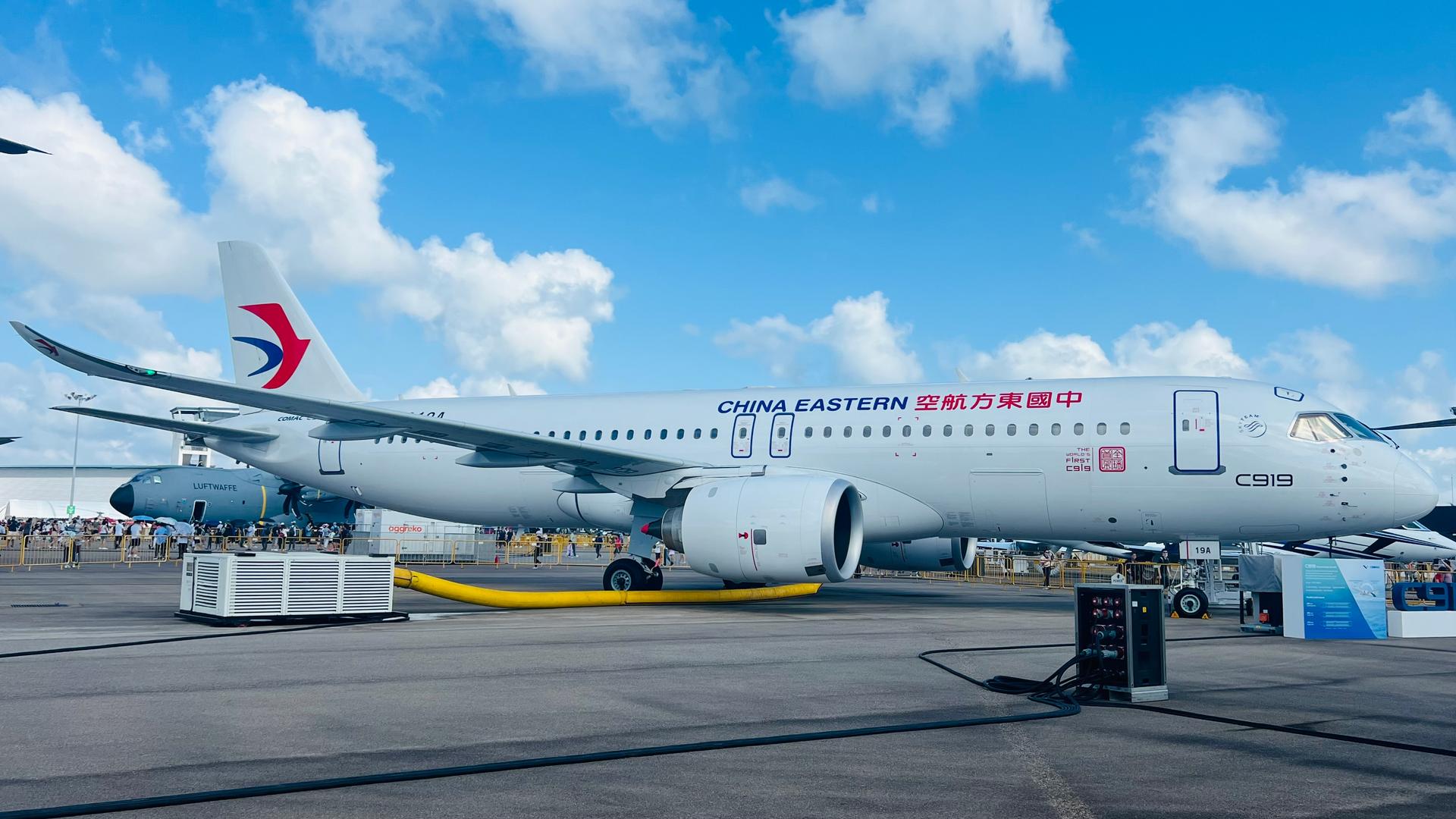
Image: S5A-0043 · CC BY-SA 4.0 · via Wikimedia Commons
House China Committee Urges FAA to Refuse Certification of COMAC C919 and Scrutinizes Airbus
A bipartisan House panel's 65-page report calls for blocking FAA approval of Chinese-built jets and questions federal contracts for firms tied to China's aerospace base.
The gist
A House select committee wants the FAA to refuse certification of Chinese-built jets like the C919 and is scrutinizing Airbus, GE, Honeywell and Collins.
Continuing coverage
All Airbus →- EASA Expands Urgent A380 Wing Spar Crack Checks to 24 Jets, Adding Eight More
- Airbus Sets 2027 as Decision Year for Stretched A220 and A350 Variants
- Airbus Eager to Launch A320neo Successor as Boeing Says Market Is Not Ready for a New Narrowbody
- Airbus Banks on 250 Year-End Handovers as A350 Directive, Cathay Order and Buyback Land at Once
- French A321XLR Maritime Patrol Program Cost Estimate Jumps 65% to EUR 4.57 Billion
A bipartisan committee of the U.S. House of Representatives has recommended that the Federal Aviation Administration refuse to certify aircraft manufactured in China, a proposal aimed squarely at COMAC's C919 narrowbody and C909 regional jet. The House Select Committee on the Chinese Communist Party made the call in a 65-page report released on November 19, 2026, after a year-long investigation. The document is titled China's Wingmen: How Western Government Policy Enabled China's Rise in the Skies. It also urges Washington to reconsider federal contracts held by aerospace and defense companies whose business in China supports military-linked organizations.
The proposals are recommendations, not law. The FAA has not introduced any certification ban, and no immediate prohibition on Chinese-built aircraft has been announced. Several of the measures would require action by the relevant federal agencies and possibly new legislation before taking effect. The report itself warns that if the United States acts alone, European and other international suppliers could step in and replace American companies in China's aerospace market.
The C919 entered commercial service with China Eastern Airlines in May 2023 and is pitched as a domestic rival to the Airbus A320neo and Boeing 737 MAX families. It holds neither FAA nor European Union Aviation Safety Agency type certification. EASA has been working through a C919 certification process, and COMAC's ambitions outside China depend on winning acceptance from foreign regulators. The jet also relies heavily on Western suppliers, flying on the CFM LEAP-1C engine built by the GE Aerospace and Safran joint venture alongside other foreign-developed systems.
The committee grounded its opposition to certification in Chinese state subsidies, the ties between China's civil aerospace companies and its military-industrial sector, and the transparency of China's safety oversight. Among its examples is China's failure to publish a final investigation report into the fatal March 2022 crash of a China Eastern Airlines Boeing 737-800. The committee said that gap in safety information raises questions about whether China's regulatory system offers the openness the FAA would need to certify its aircraft. The report does not find that the C919 has failed any FAA technical requirement, since the aircraft has never gone through FAA type certification.
Airbus draws more attention in the report than any other Western manufacturer. The company opened its first A320-family final assembly line in Tianjin in 2008 and inaugurated a second line there in October 2025. More than 800 A320-family aircraft have been assembled in Tianjin, according to industry reporting. Lawmakers argue that Airbus's commercial relationships with Chinese aerospace organizations have helped build China's wider manufacturing capability.
Much of that scrutiny centers on the Aviation Industry Corporation of China, or AVIC, and its affiliates. The committee pointed to Xi'an Aircraft Industry Group, which produces wing structures for the A320 family while also taking part in production of Chinese military aircraft, including the Y-20 strategic transport and the H-6 bomber. The report also cites Airbus's past stake in AviChina, AVIC's listed arm. Airbus sold its entire 5% shareholding in April 2025, though its operational partnerships and component supply relationships in China continue.
The committee's concern is that manufacturing cooperation, engineering know-how and supplier development can produce dual-use capabilities that serve both civil and military aviation. Because Airbus runs industrial operations in China while also participating in U.S. government and defense programs, the report names it in its push to tie federal funding to China disclosures. The panel proposes that companies receiving U.S. government money disclose their Chinese aerospace relationships, and that restrictions be considered where those ties support entities linked to China's military. It further recommends that the Treasury Department restrict outbound investment in China's aerospace sector and press allied governments to adopt similar rules, a step that would reach French and other European firms whose China operations are woven into global supply chains.
American suppliers are also in the report. GE Aerospace's joint venture with AVIC-related partners, Aviage Systems, supplies avionics for COMAC aircraft including the C919. Honeywell Aerospace's commercial partnerships in China were examined for technology transfer and military end-user risk. Collins Aerospace's Chinese partnerships and licensed technology transfers were scrutinized as well, with the committee alleging that such arrangements have helped Chinese aerospace entities acquire valuable technology and expertise.
Originally reported by FL360aero
Read more
All Regulatory →
Modern Skies Coalition Launches ACT NOW Ad Campaign Pressing Congress for ATC Modernization Money
A coalition of more than 50 aviation groups began a national ad push a week after a nearly five-hour nationwide ground stop, as DOT seeks another $50.1 billion for infrastructure.
Senate Aviation Chair Moran Says ADS-B In Mandate Could Slip Past Year-End
Days after Ted Cruz said Congress was very close to requiring ADS-B In, Senator Jerry Moran warned the ROTOR Act provisions may not pass this year, with military language still unresolved.
Senator Moran Presses Duffy to Justify Jump to $50 Billion Air Traffic Control Request
The Kansas Republican who chairs the Senate aviation subcommittee says Transportation Secretary Sean Duffy must explain why his ATC modernisation ask rose from $30 billion to $50 billion after the 13 November ground stop.
Lawmakers Strike Deal to Require ADS-B In on Civil Aircraft After Potomac Midair Collision
Senators announced an agreement in principle to mandate traffic-receiving equipment on civilian aircraft already required to carry ADS-B Out, though rules for military aircraft remain unsettled.
The Daily Touch & Go
The day's best aviation news in your inbox. Free, no spam.