

AI-generated illustration
GAO Warned FAA's Rushed Air Traffic Control Overhaul Risked Disruptions Before Nationwide Outage
Months before a router installation in Arkansas triggered the longest commercial ground stop since 9/11, government auditors and former FAA officials cautioned that the agency was moving too fast without a master schedule.
The gist
A September GAO report warned the FAA's speed-first ATC upgrade lacked a master schedule for 11,000 projects, months before a router failure grounded flights.
Continuing coverage
All Faa →- DOT Inspector General Opens New Audit of FAA Manufacturing Oversight as Six Boeing Fixes Remain Open
- FAA Urges Pilots to Call Out Runway Number Before Crossing After 2023 JFK Near-Collision
- Modern Skies Coalition Launches ACT NOW Ad Campaign Pressing Congress for ATC Modernization Money
- FAA Opens Antidepressant Certification to Any AME and Cuts Post-Medication Wait to 60 Days
- Senator Moran Presses Duffy to Justify Jump to $50 Billion Air Traffic Control Request
Federal auditors and former aviation officials warned months ago that the FAA's accelerated push to replace aging air traffic control equipment could cause serious disruptions. Last week, a technology failure forced airlines to cancel thousands of flights and led the agency to order the longest ground stop of commercial aircraft since the September 11, 2001 attacks.
The FAA said it has still not determined why installing a single router in Arkansas produced a data overload large enough to halt traffic nationwide. Officials have pointed to the router work, carried out during an update, as the trigger for the event. The agency has not released a finding on how a change at one site spread across the system.
The outage followed a sustained push from the Transportation Department to compress the modernization timeline. The overhaul of the country's antiquated air traffic control system had been projected to take roughly 10 years. Transportation Secretary Sean Duffy said the department would finish by 2028, before the end of President Trump's second term. At an event at DOT headquarters in April, Duffy said the project would take only two and a half years.
In September, the Government Accountability Office issued a report saying the FAA was prioritizing speed at the risk of cost uncertainty and potential disruptions. The auditors wrote that the agency risked an inefficient schedule that could cause excessive disruptions to air traffic control operations, and that it was introducing additional risk in the interest of expediency. The report faulted the FAA for not using a master schedule to coordinate more than 11,000 individual upgrade projects across the country.
Kevin Walsh, the GAO official who authored the report, said in a video released by the watchdog that the FAA was working from a couple thousand separate schedules with no overarching plan to tie them together efficiently. The FAA responded that there were too many projects to coordinate in that way. The agency said it was developing an artificial intelligence tool to help manage the schedules, but that the tool was still in testing. The upgrades continued at a rapid pace while that work went on.
Industry experts said the structure of the air traffic system makes fast equipment swaps risky. The network is interconnected and cannot be taken offline, so replacing even a small component can set off problems far from the work site. They compared it to pulling a block from a Jenga tower.
Michael McCormick, a former vice president in the FAA's Air Traffic Organization, said new technology must not overwhelm the legacy systems it connects to, and that the work requires a well-planned strategy. McCormick said the system does need to be modernized and to use new technology, but that there has been a push to do it fast. He said this outage, like most outages, could likely have been avoided.
The Transportation Department has defended the accelerated schedule. It said slowing down would mean continuing to depend on failing legacy systems that have themselves caused flight delays and cancellations. President Trump has since commented publicly on the nationwide ground stop and called on Congress to provide more money for the effort.
Originally reported by Scripps News
Read more
All Aviation Safety →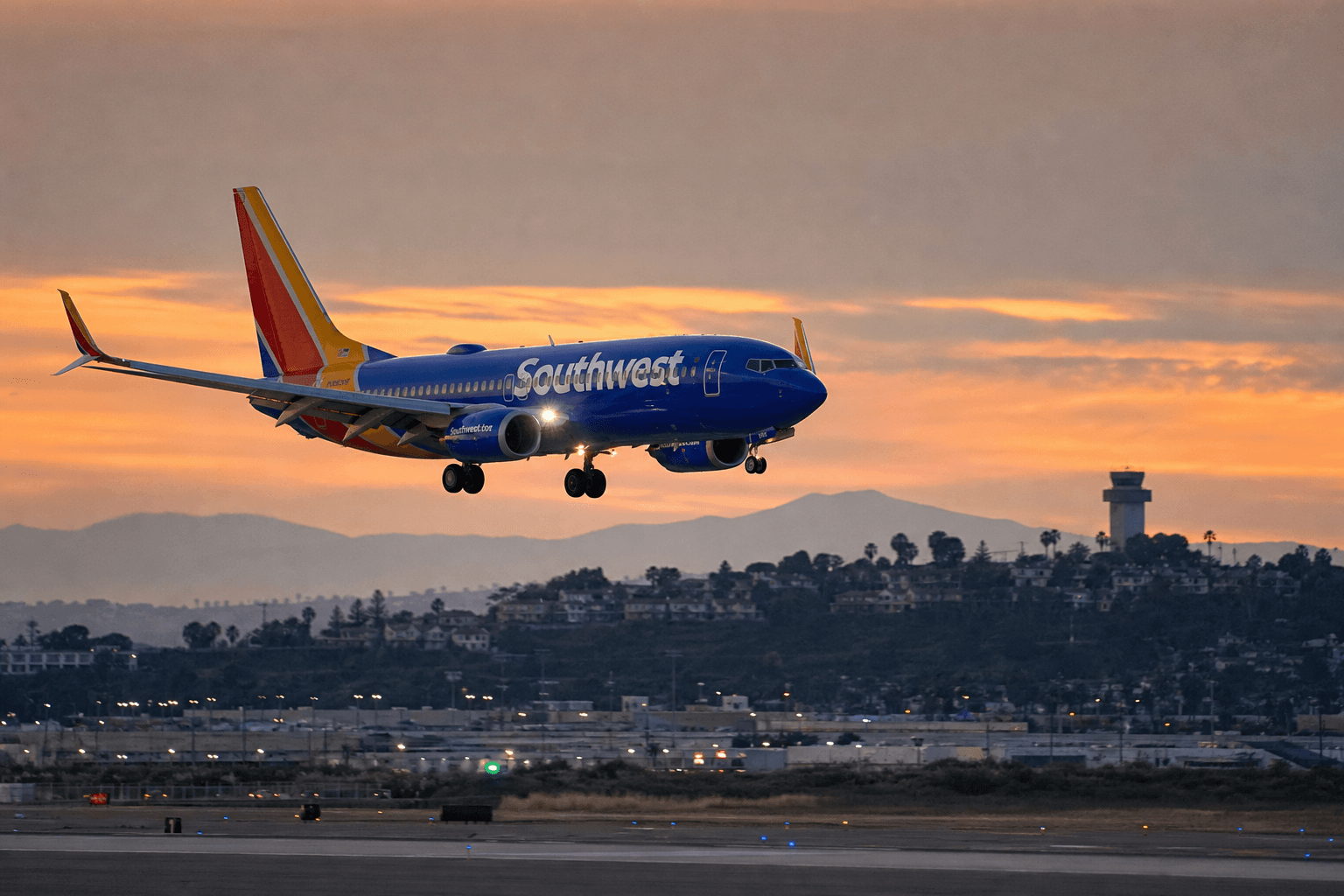
Burbank Tower Goes ATC Zero Twice in One Evening, Leaving Airline Crews to Self-Announce on CTAF
Southwest and Alaska Airlines pilots at Hollywood Burbank Airport coordinated their own movements on a common frequency during roughly 30-minute gaps with no controller in the tower.
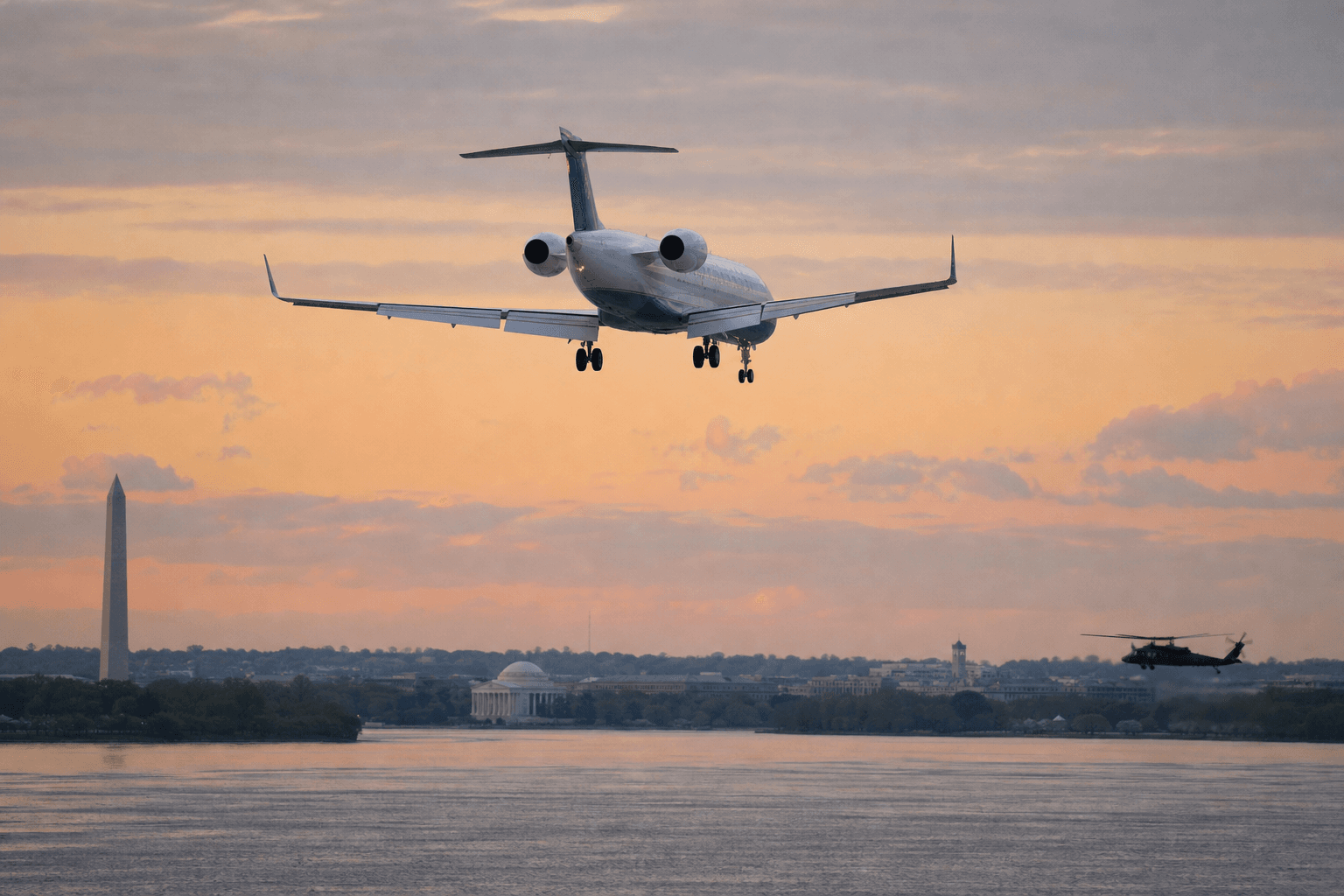
Safety Gaps Persist at Reagan National Nearly Two Years After Midair Collision, Academies Find
A congressionally requested National Academies report says the FAA and Army still fall short on spotting and managing collision risk at KDCA and urges a safety review before any more flights are added.
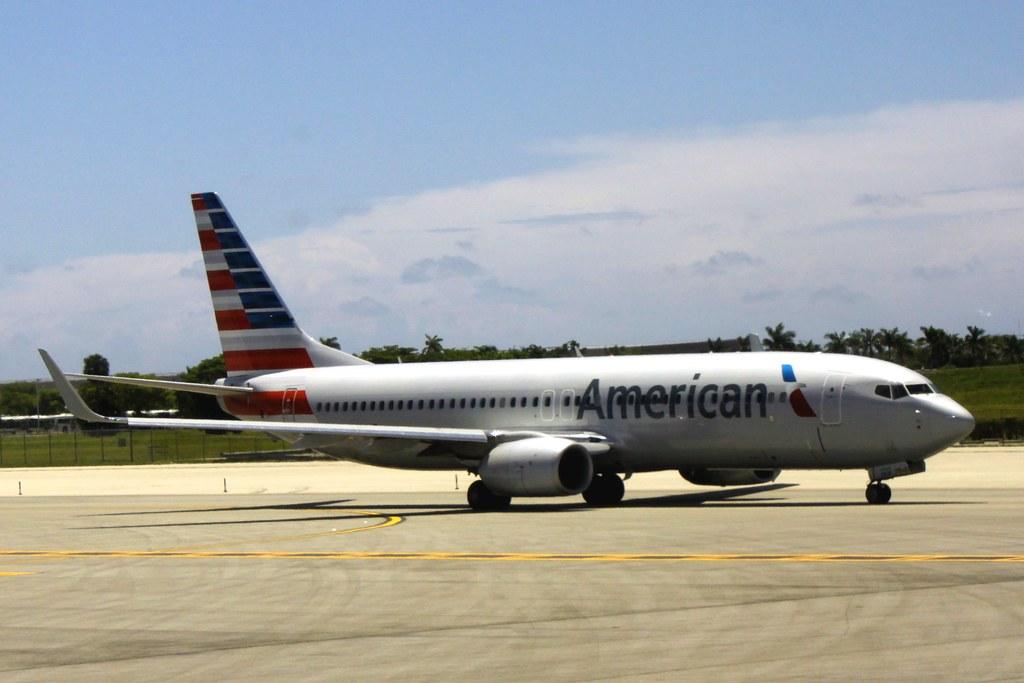
American Airlines 737 Carrying Senator Ashley Moody Shuts Down Engine, Diverts to Orlando
The crew of Flight AA496 from Tampa to Washington National declared a Mayday after left engine indications and chose Orlando's longer runways and in-house maintenance over a return to Tampa.
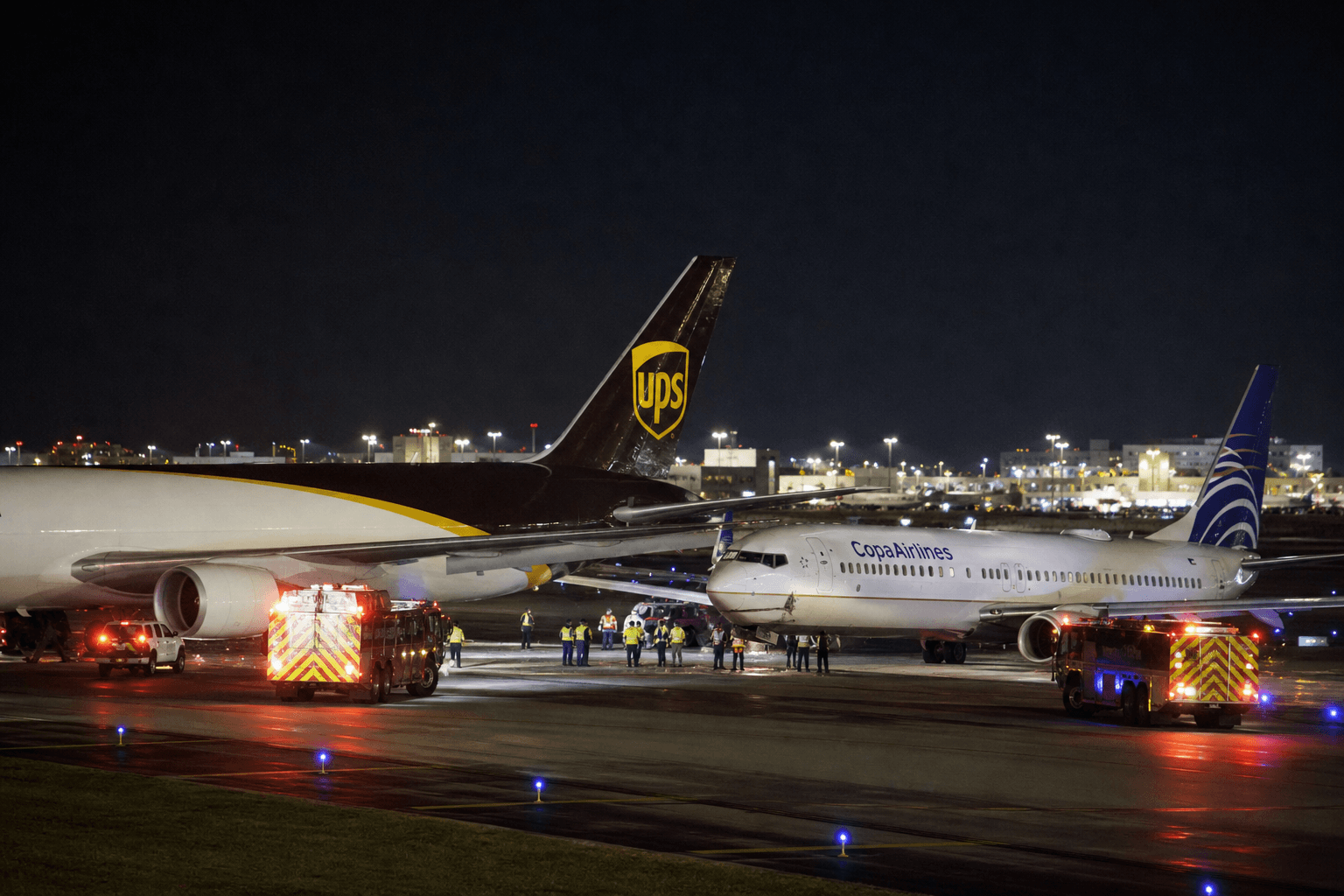
UPS 767 and Copa 737 Collide on Intersecting Taxiways at Miami International
A Copa Airlines 737-800 arriving from Panama City clipped the nose of a departing UPS 767 with its left wing Saturday night, leaving two people with minor injuries.
The Daily Touch & Go
The day's best aviation news in your inbox. Free, no spam.