

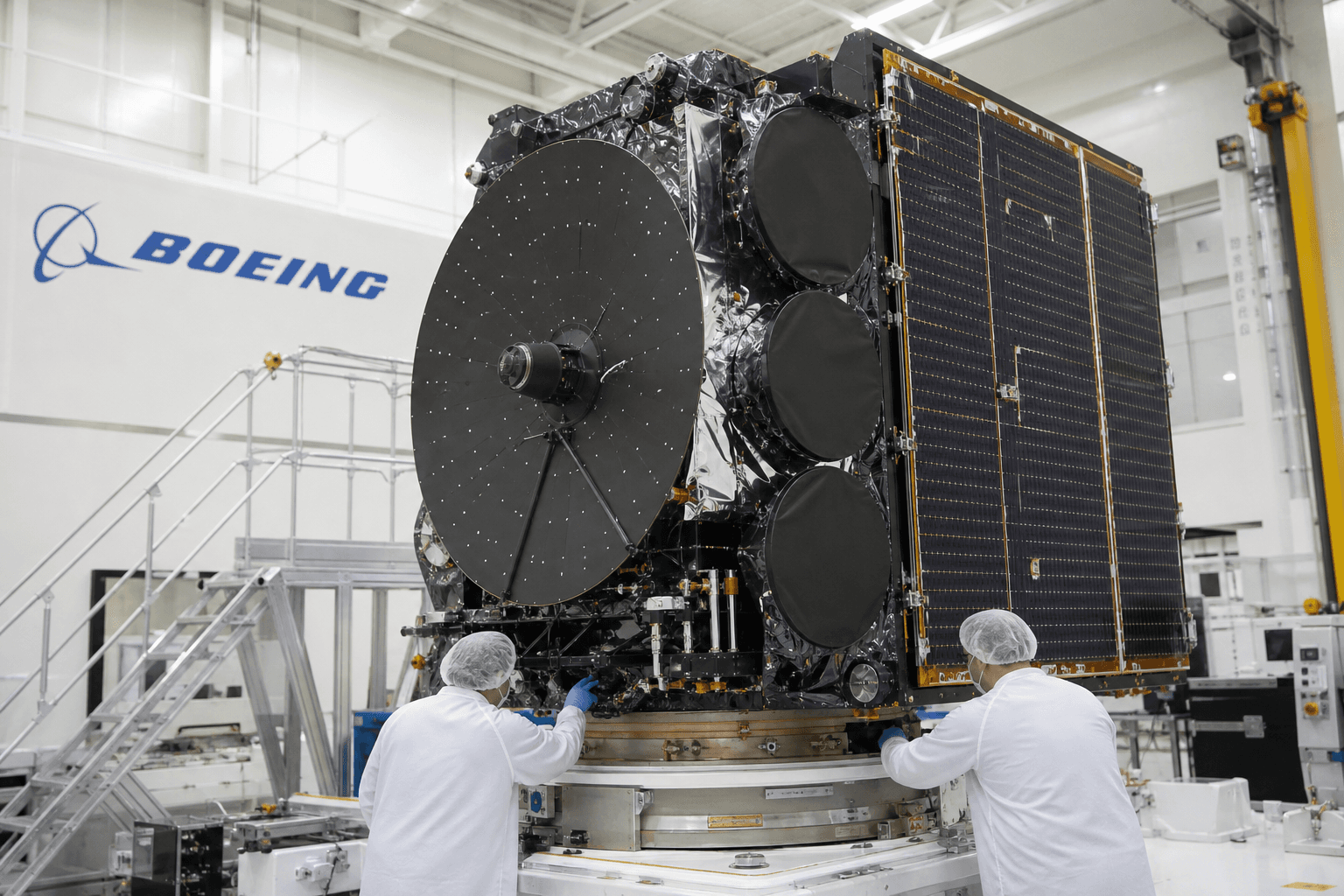
Illustration: The Touch & Go
Boeing Wins $2B U.S. Space Force Contract to Extend Military Communications with New Satellites
Boeing has secured a Mobile User Objective System Service Life Extension contract worth up to $2 billion to build two narrowband communications satellites, slated for first delivery in 2031.
The gist
Boeing will deliver two advanced narrowband satellites by 2031 to extend secure U.S. military communications under a $2B Space Force deal.
Boeing announced it has been selected by the U.S. Space Force to provide an extension to the Mobile User Objective System (MUOS), a critical military communications network. The contract awarded to Boeing is valued at up to $2 billion and covers the design, manufacture, and delivery of two advanced narrowband communications satellites. These spacecraft will extend the operational life and capability of the MUOS constellation, which supports secure and global military communications.
The MUOS Service Life Extension (SLE) contract specifies that the first satellite delivery is planned for 2031, ensuring continuity for this secure communications platform well into the next decade. MUOS operates in the ultra-high frequency (UHF) band and is vital for mobile users across diverse global theatres, including naval, air, and ground forces requiring beyond-line-of-sight connectivity.
Boeing’s role in extending MUOS highlights the company’s longstanding partnership with the Department of Defense in maintaining space-based communication infrastructure. The original MUOS constellation comprises several satellites, which collectively provide enhanced communications capacity and network resilience for U.S. military operations worldwide.
This contract underscores the strategic importance of advanced narrowband satellite systems in ensuring military forces have protected and reliable communications in contested and remote environments. With the increasingly complex security landscape, extending MUOS capabilities will support tactical command and control and situational awareness.
Looking ahead, Boeing’s delivery of these new satellites by 2031 will maintain uninterrupted service for warfighters relying on MUOS while incorporating technological advancements. Stakeholders will closely watch this program for its role in shaping the next generation of military satellite communications capabilities.
Read more
All Military/Defense →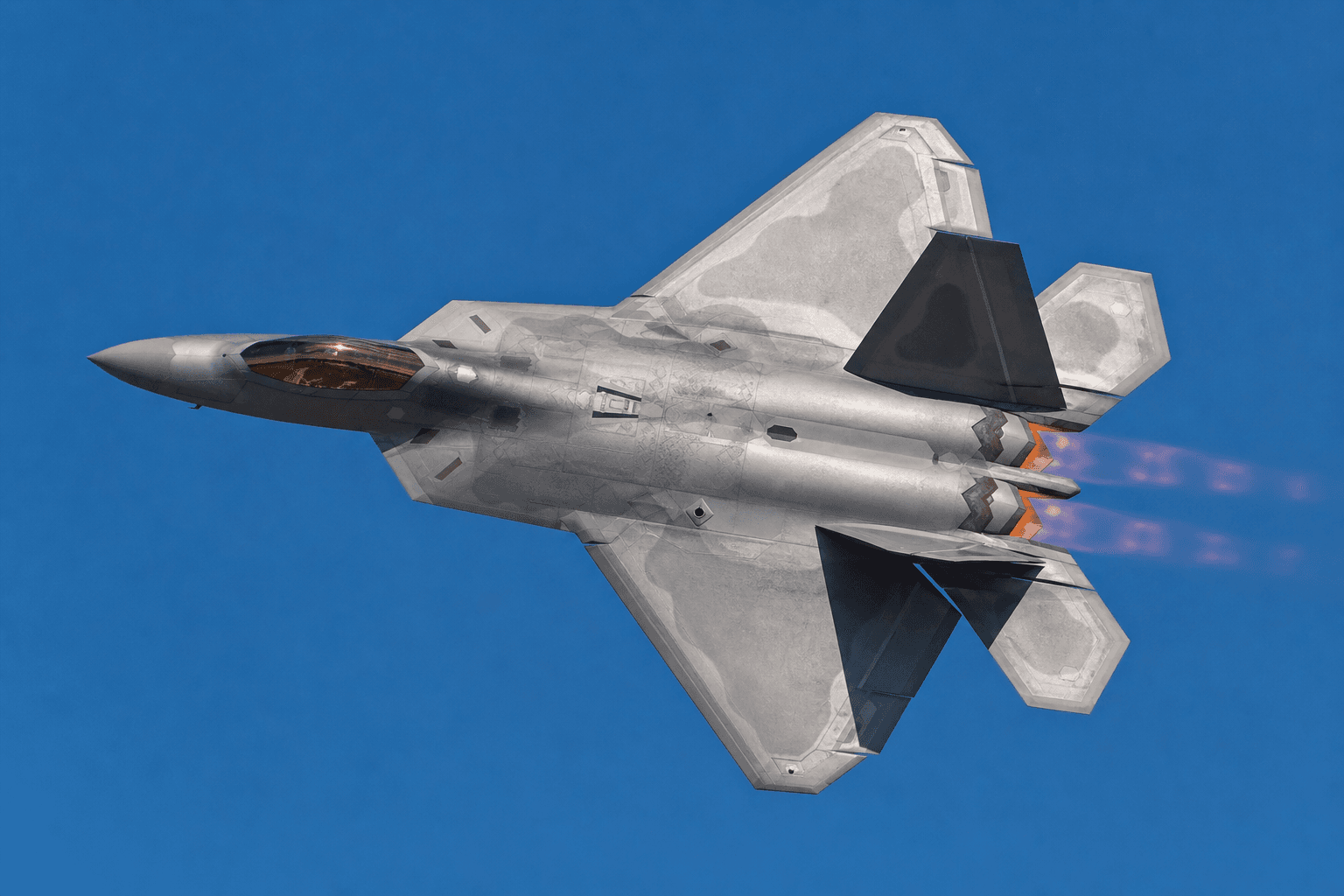
USAF Updates F-22 Raptor Engine Software To Extend Service Into 2040s
As the Air Force rushes to produce the F-47, it is also upgrading the Raptor to keep it cutting-edge into the 2040s.
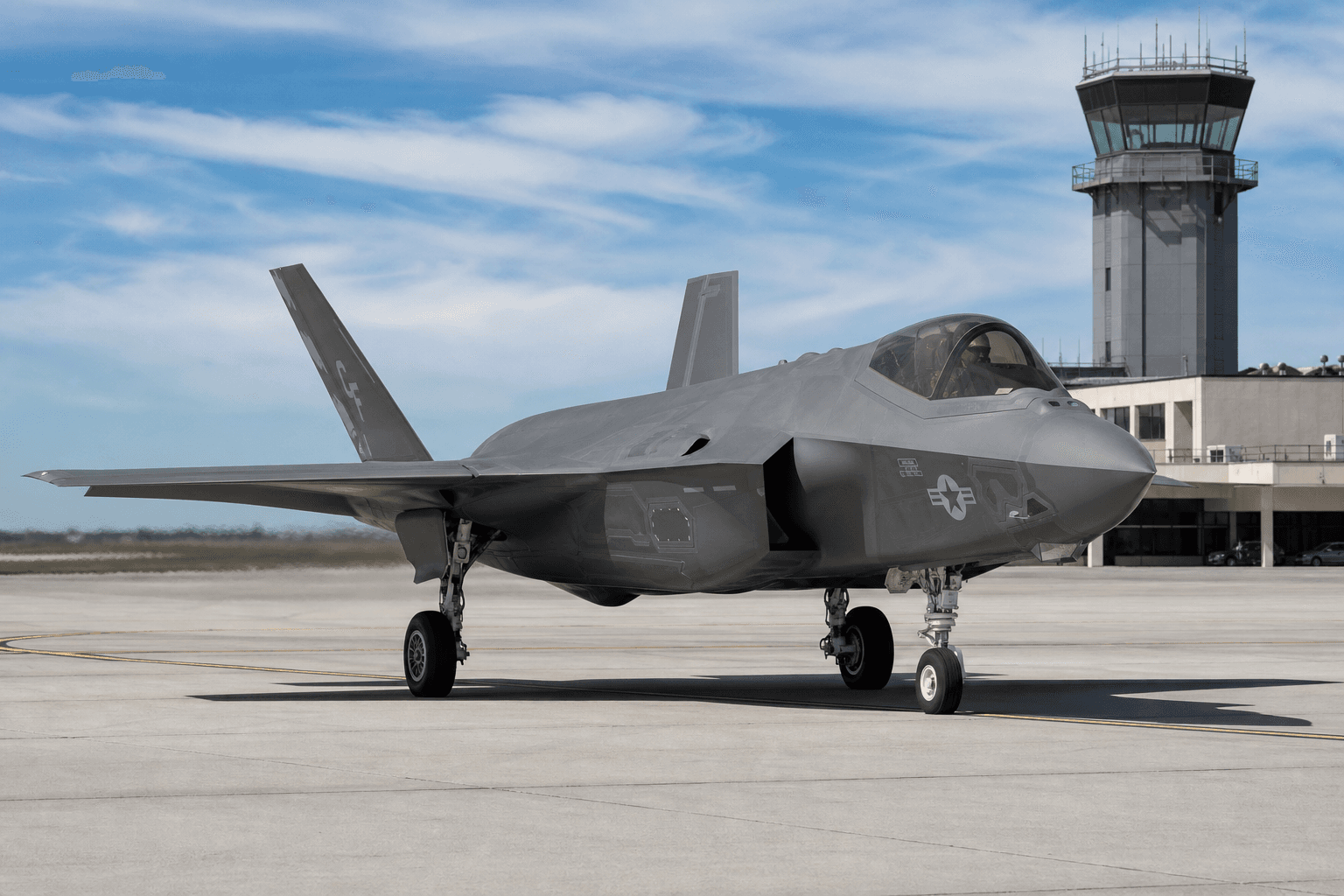
U.S. Marine Corps Receives Six F-35Bs Lacking AN/APG-85 Radars Amid Delivery Delays
The U.S. Marine Corps thus far has received six F-35B fighters without radars, as the service waits on Northrop Grumman's delivery of the AN/APG-85 radar, which is to replace the current […]
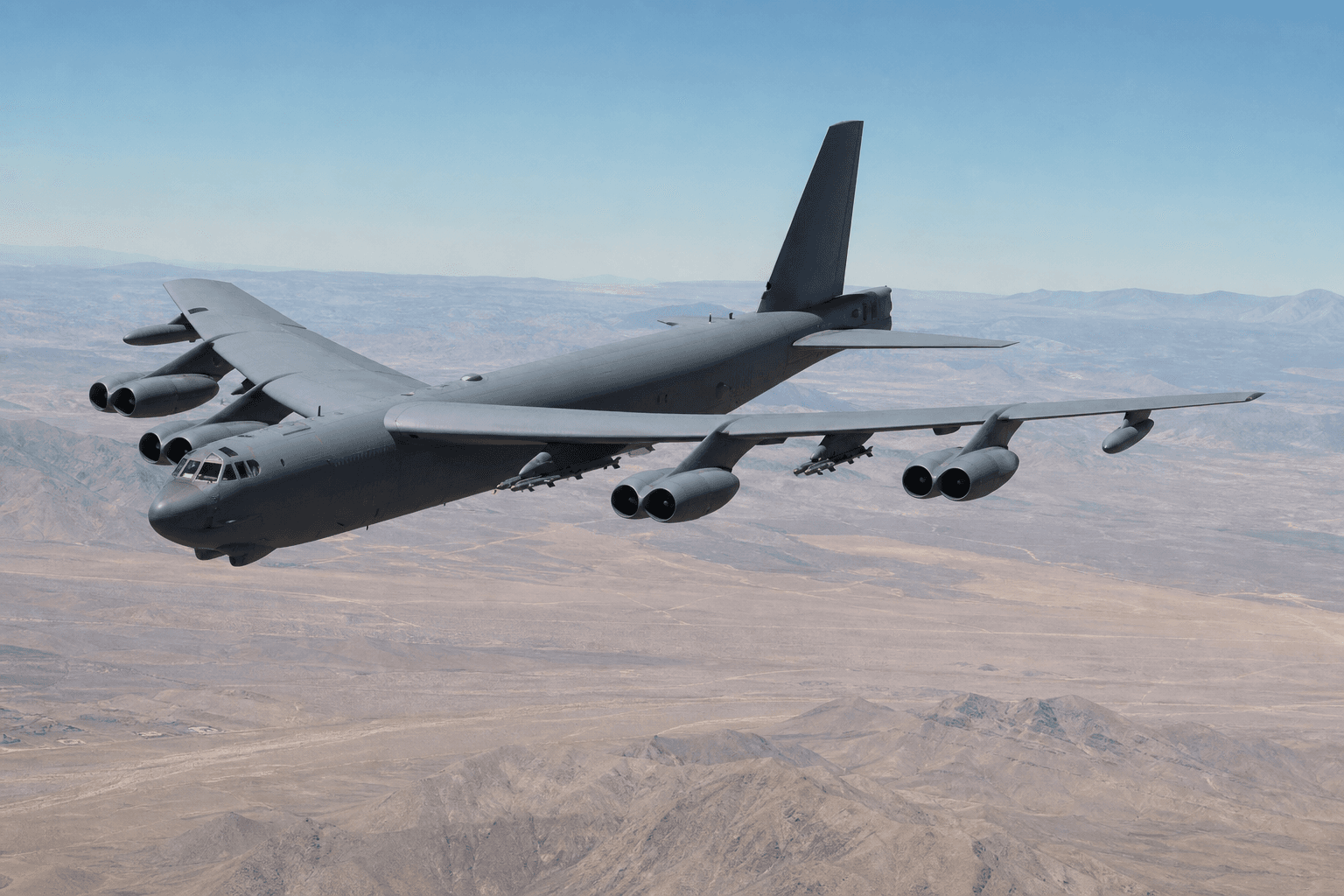
USAF Considers Up to 130 Advanced Wing Weapons Pylons for B-52H Fleet Upgrade
The Air Force is examining the development of an Advanced Wing Weapons Pylon (AWWP) for the B-52H and a long-term buy of up to 130 AWWPs to replace the bomber's […]
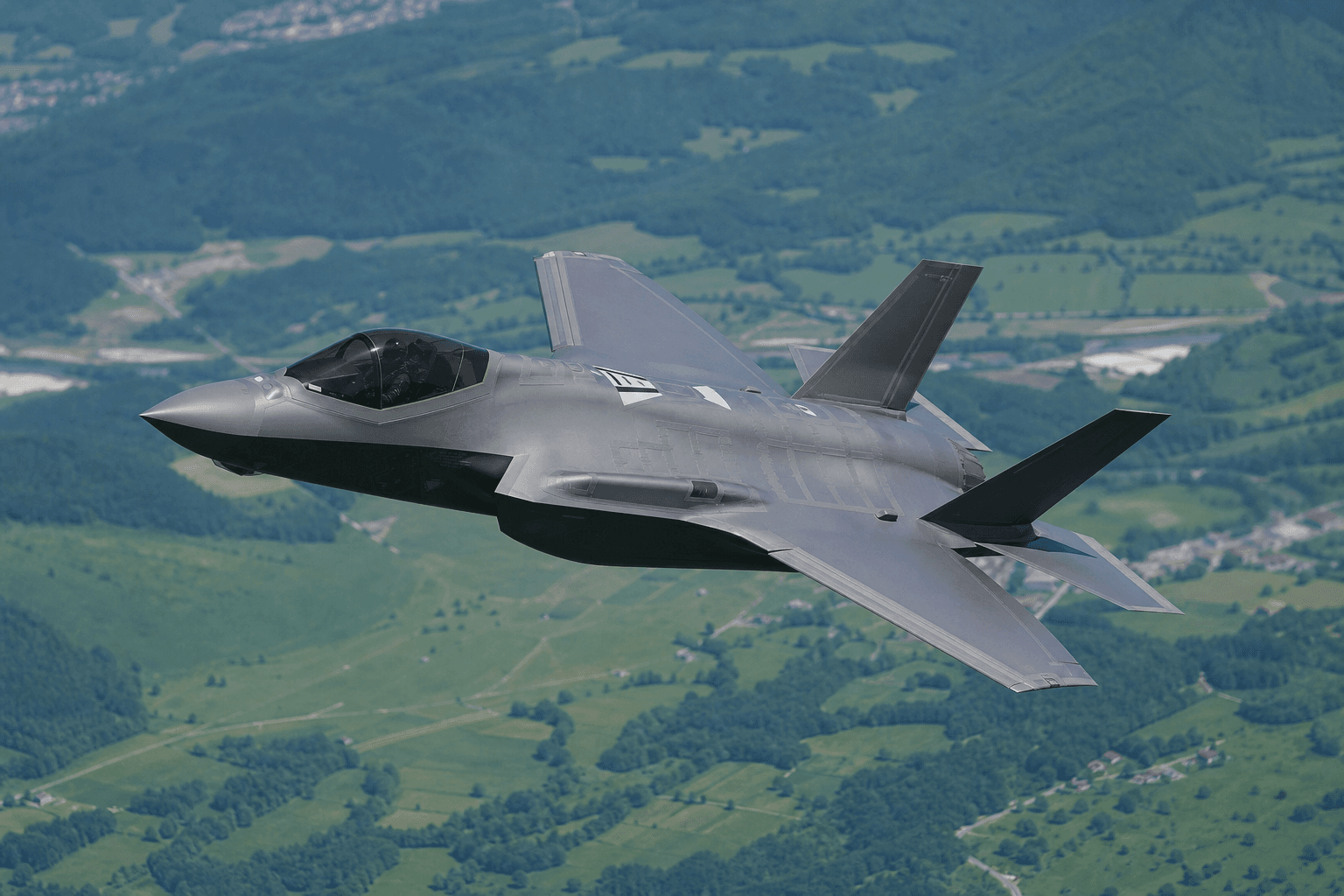
Germany Plans to Acquire 15 Additional F-35 Jets and Explore Partnership in Fighter Program
Following the collapse of FCAS with France, Germany is now considering its GCAP, Saab, Spanish, and 6th-gen-less combat drone future.
The Daily Touch & Go
The day's best aviation news in your inbox. Free, no spam.