

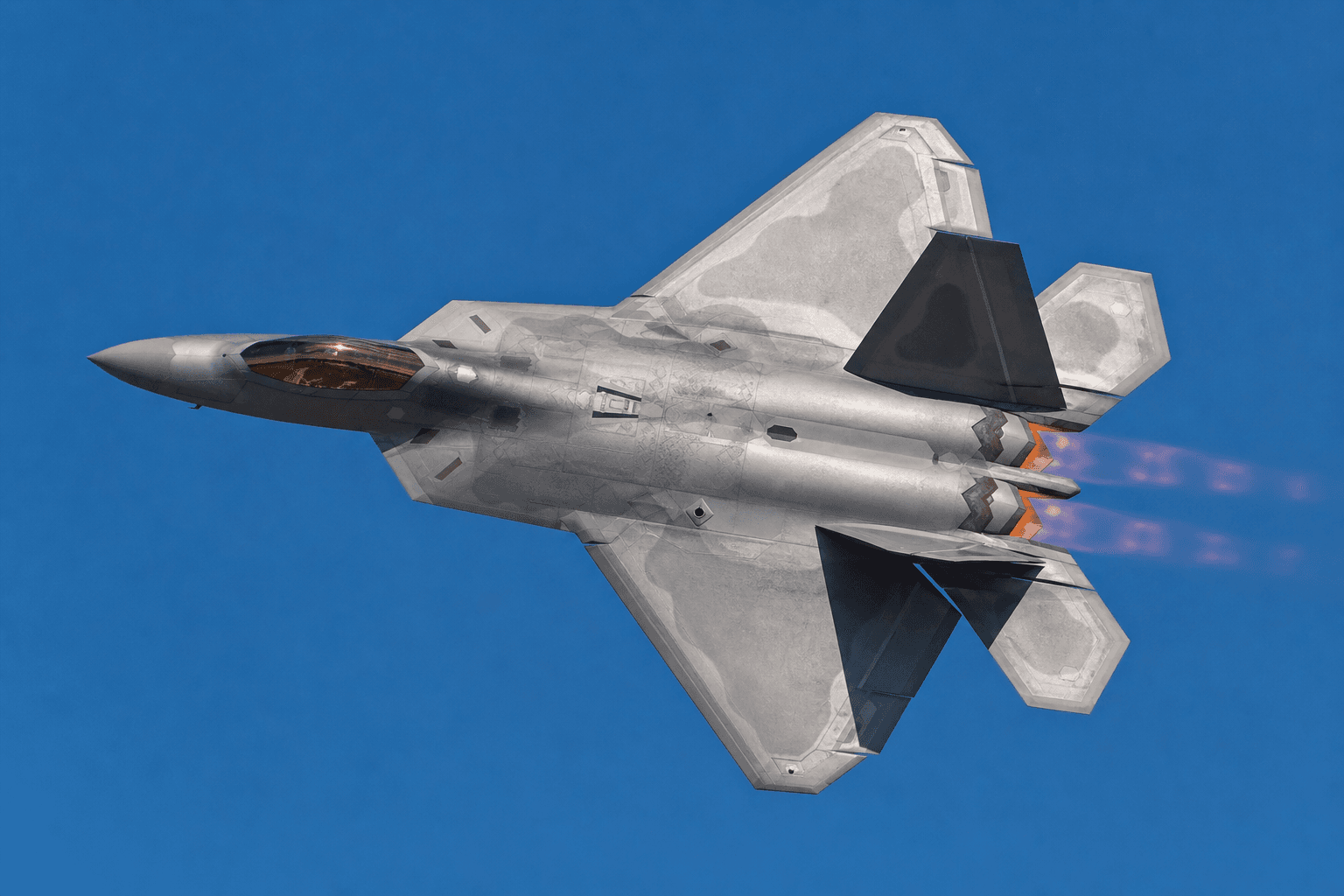
Illustration: The Touch & Go
USAF Updates F-22 Raptor Engine Software To Extend Service Into 2040s
The US Air Force is modernizing the F-22's engines with advanced software to maintain stealth fighter performance through the 2030s and beyond.
The gist
Advanced engine software updates will keep the F-22 Raptor operational and competitive into the 2040s.
The United States Air Force is actively updating the F-22 Raptor’s engine software as part of efforts to prolong the stealth fighter’s effectiveness well into the 2040s. Despite the ongoing production of the newer F-47, officials recognize the F-22’s vital role and aim to keep it at the forefront of air combat technology. The software upgrade targets key performance and maintenance parameters to ensure the fighter remains mission-ready for decades.
The modifications focus on the Pratt & Whitney F119 engines powering the F-22, enhancing digital control systems to optimize fuel efficiency, stealth capabilities, and reliability. These updates are an essential component of a comprehensive sustainment strategy that addresses aging hardware and evolving operational demands. By refining engine management software, the Air Force can mitigate wear and extend the lifespan of the existing airframe and propulsion systems.
The F-22 Raptor, introduced in the mid-2000s, has served as America’s premier air superiority fighter with unmatched stealth and avionics. However, evolving threats and the costs of developing a new platform have driven the USAF to invest in incremental modernization measures. Maintaining the F-22 with such upgrades ensures continuity in stealth capabilities while new designs like the F-47 mature towards operational status.
This approach exemplifies broader trends within the Air Force to balance next-generation aircraft development with upgrades to legacy fleets. With the F-22 representing a critical component of America’s tactical air power, enhancements like these software updates are critical to bridging capability gaps. Observers should follow how these improvements impact maintenance cycles and readiness rates moving forward.
Extending the service life of the F-22 with advanced engine software highlights the strategic importance placed on stealth fighters amid uncertain geopolitical dynamics. As the USAF races to bring the F-47 into service, sustaining existing assets through technology refreshes remains a pragmatic and cost-effective solution. The success of these initiatives will influence future upgrade programs for other key aircraft.
Looking ahead, the F-22’s ongoing upgrades set a precedent for integrating digital enhancements in propulsion as a force multiplier. Continued investment in software-driven performance improvements will be central to keeping aging fleets relevant against peer adversaries. Stakeholders will watch closely for results from the current upgrade phase as the Air Force prepares for the next generation of fighter aviation.
Read more
All Military/Defense →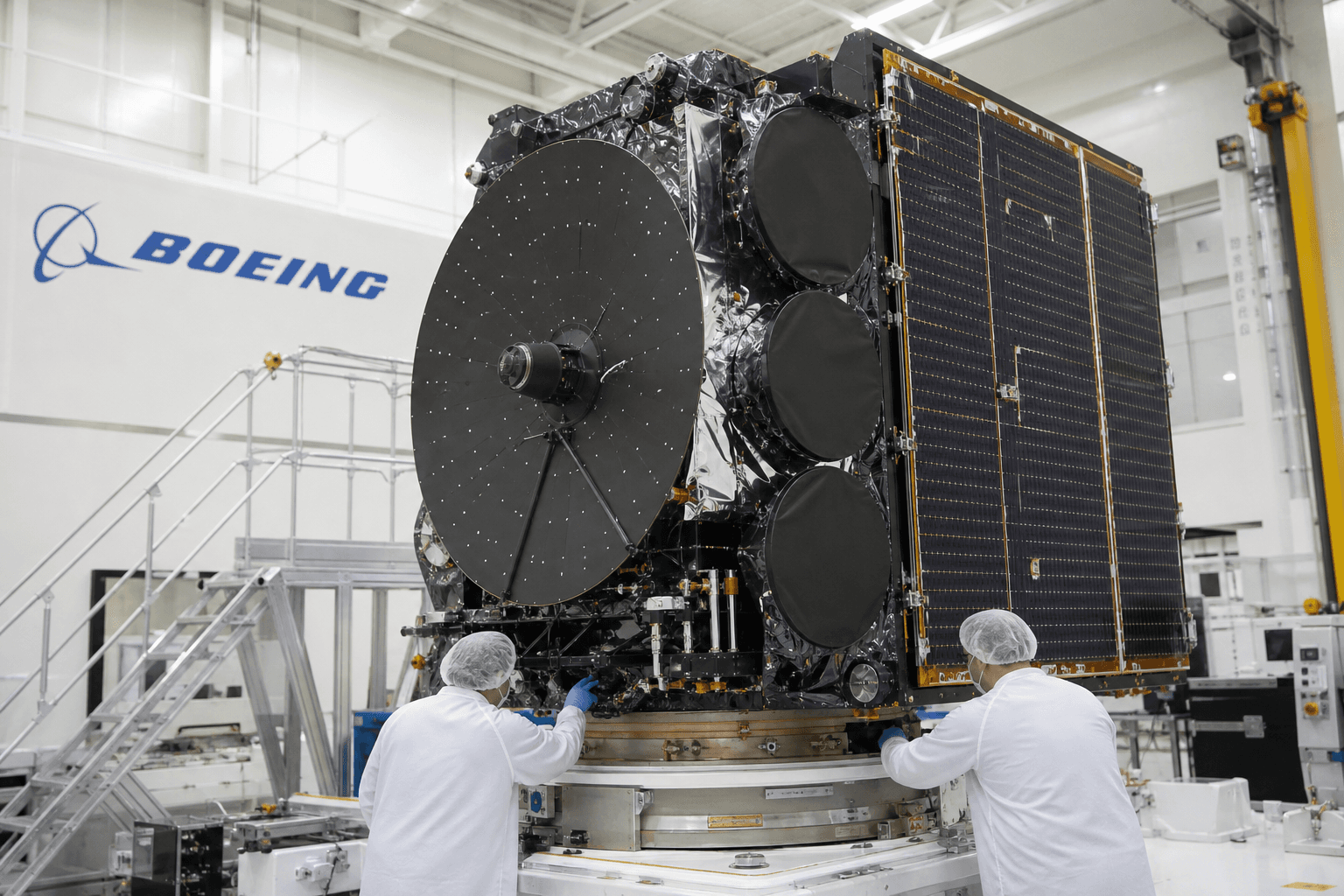
Boeing Wins $2B U.S. Space Force Contract to Extend Military Communications with New Satellites
- Mobile User Objective System Service Life Extension (MUOS SLE) contract valued at up to $2B includes two narrowband communications satellites, with first delivery in 2031
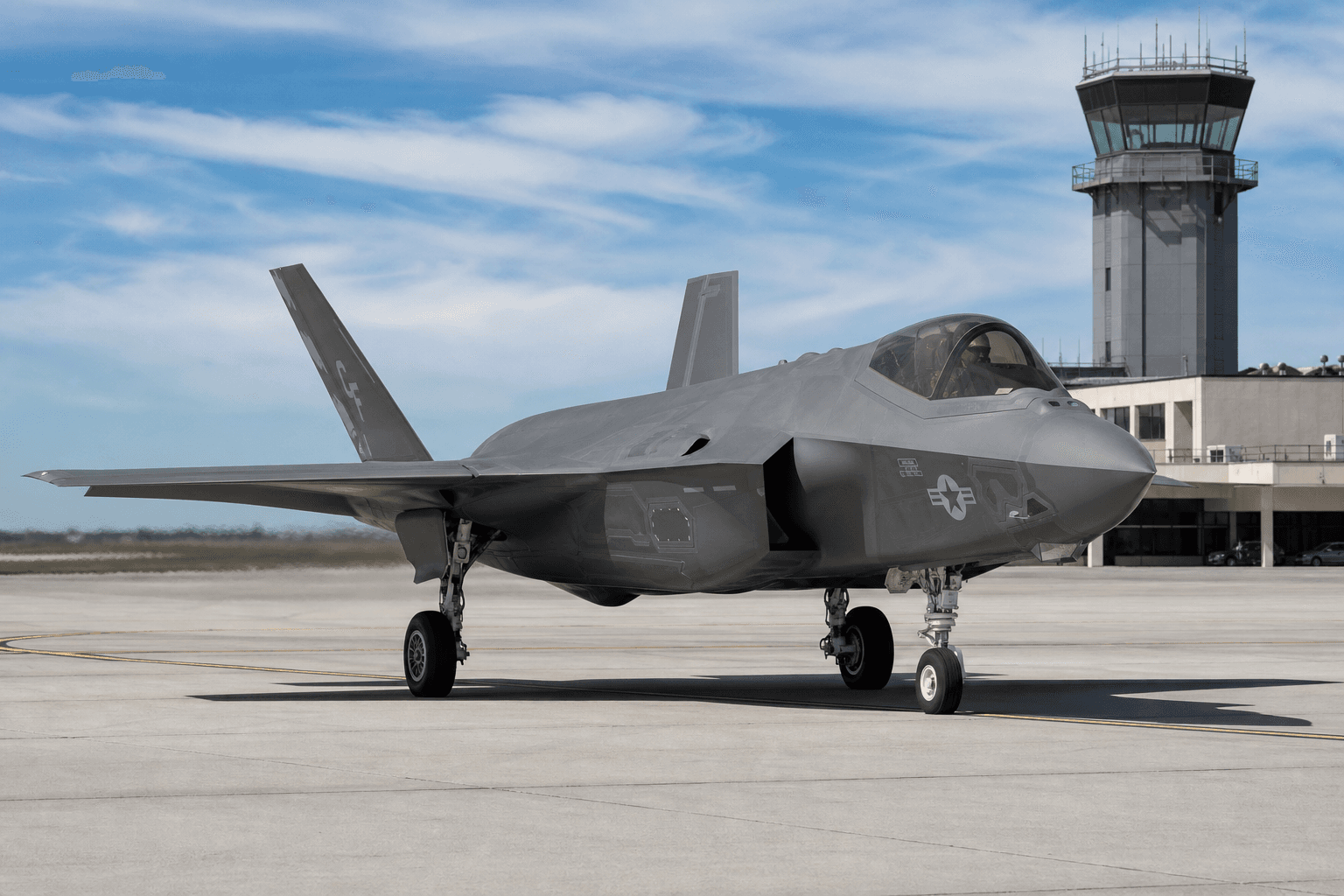
U.S. Marine Corps Receives Six F-35Bs Lacking AN/APG-85 Radars Amid Delivery Delays
The U.S. Marine Corps thus far has received six F-35B fighters without radars, as the service waits on Northrop Grumman's delivery of the AN/APG-85 radar, which is to replace the current […]
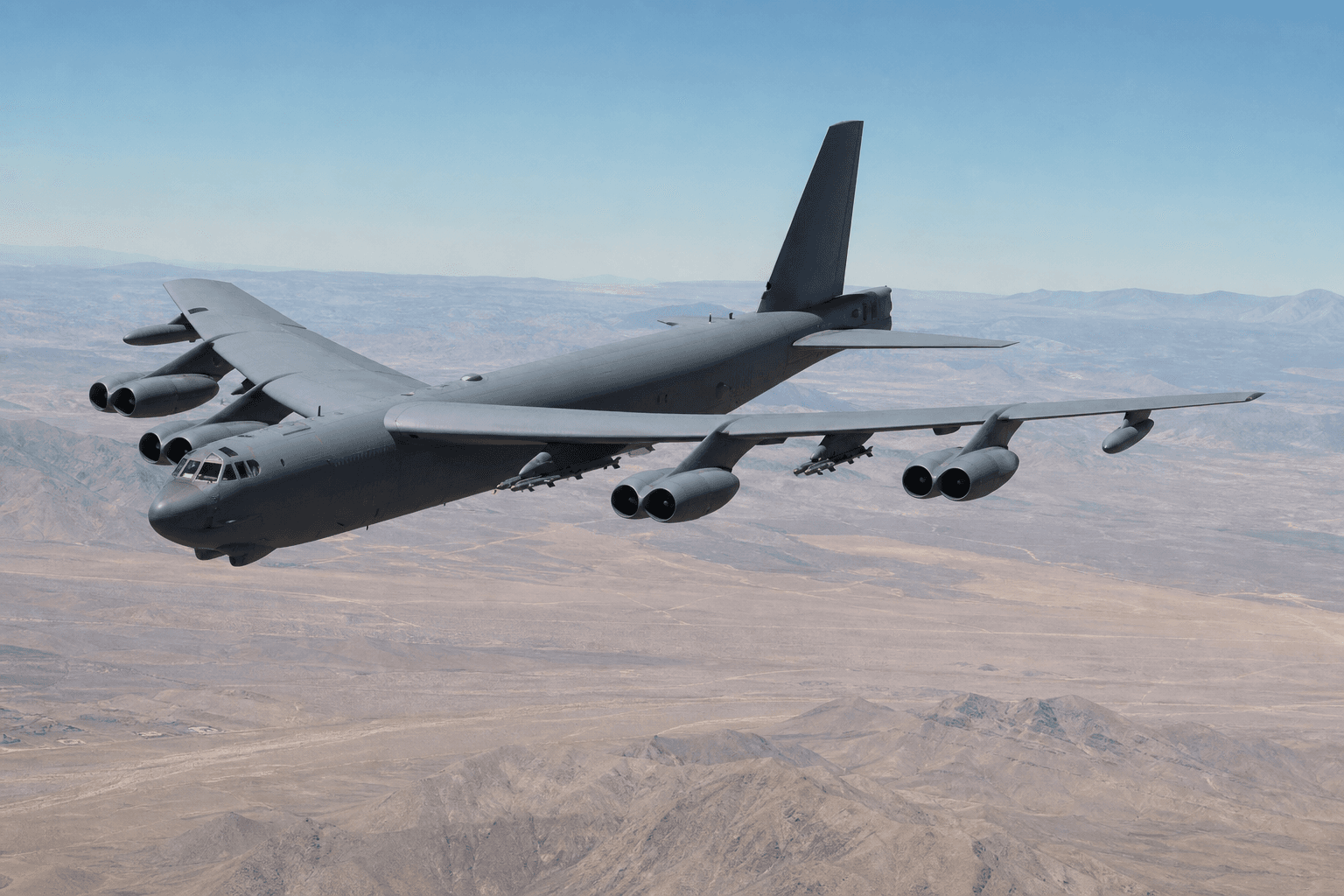
USAF Considers Up to 130 Advanced Wing Weapons Pylons for B-52H Fleet Upgrade
The Air Force is examining the development of an Advanced Wing Weapons Pylon (AWWP) for the B-52H and a long-term buy of up to 130 AWWPs to replace the bomber's […]
Germany Plans to Acquire 15 Additional F-35 Jets and Explore Partnership in Fighter Program
Following the collapse of FCAS with France, Germany is now considering its GCAP, Saab, Spanish, and 6th-gen-less combat drone future.
The Daily Touch & Go
The day's best aviation news in your inbox. Free, no spam.