

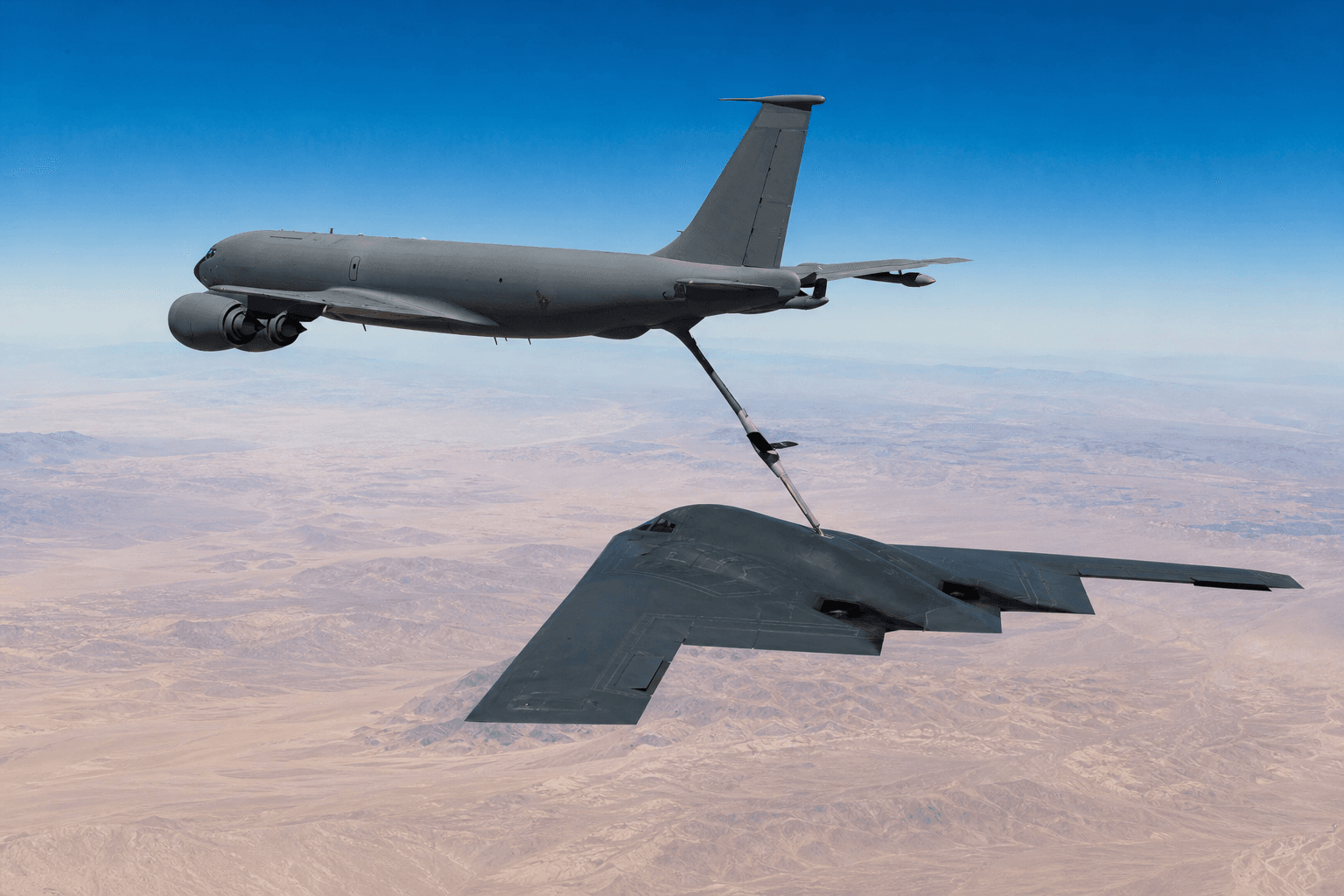
Illustration: The Touch & Go
KC-135 Tankers to Support B-21 Bomber in Air Refueling Through 2040s
The aging KC-135 Stratotanker will continue to provide vital aerial refueling for the U.S. Air Force's B-21 stealth bomber well into the 2040s alongside newer tankers.
The gist
The KC-135 will remain crucial for refueling the B-21 bomber into the 2040s despite its age and upcoming tanker replacements.
The U.S. Air Force plans to rely on its venerable KC-135 Stratotanker to refuel the upcoming B-21 Raider stealth bomber throughout the 2040s. Despite the KC-135 fleet entering service over 65 years ago, it will remain a key component of the air-refueling mission for the new generation of strategic bombers. This continued reliance underscores both the longevity of the KC-135 and the complex integration of new and legacy aircraft in the Air Force's future force structure.
Alongside the KC-135, the more modern KC-46 Pegasus tanker will also support B-21 operations during its initial decades of service, providing enhanced capabilities such as improved defensive systems and compatible refueling equipment. The combination of the tried-and-true KC-135 with the advanced KC-46 reflects a layered tanker strategy as the Air Force transitions to next-generation systems.
Looking further ahead, the KC-135 and KC-46 will persist in their roles until the Next-Generation Air Refueling System (NGAS) eventually enters service. NGAS is designed to replace the current fleets of tankers with state-of-the-art technology to keep pace with evolving threats and aircraft requirements. However, its deployment is not expected until well after the B-21’s early operational years, necessitating continued use of existing platforms.
The KC-135’s durability and adaptability, despite its age, illustrate how the Air Force carefully balances modernization with operational reliability. Maintaining a mix of tanker aircraft ensures uninterrupted refueling support for critical missions, including the deployment of the B-21, which is central to the future nuclear deterrence strategy.
The intertwining timelines of the B-21 bomber’s service entry and the tanker fleet’s evolution highlight the complexities of military aircraft modernization. The B-21 must operate with available refueling assets during its early and mid-life, reinforcing the importance of sustaining and upgrading current tankers as a bridge to next-generation capabilities.
This strategy will shape the strategic bomber and tanker fleets for decades, ensuring the B-21 has the support needed for global reach and mission endurance. Defense planners and aviation experts will be watching NGAS’s development closely to determine how and when the tanker fleet will fully transition away from these legacy aircraft.
Read more
All Military/Defense →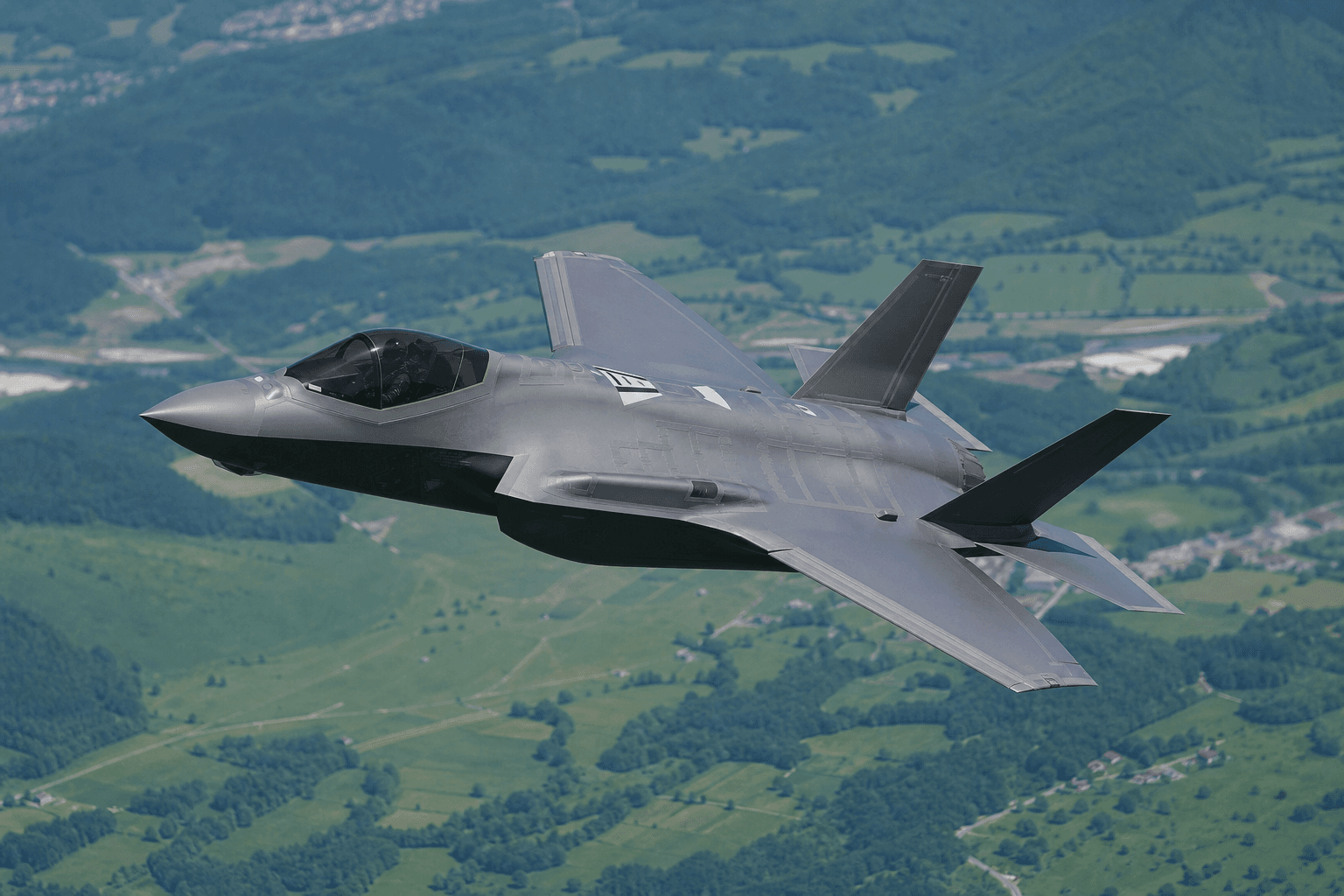
Germany Plans to Acquire 15 Additional F-35 Jets and Explore Partnership in Fighter Program
Following the collapse of FCAS with France, Germany is now considering its GCAP, Saab, Spanish, and 6th-gen-less combat drone future.
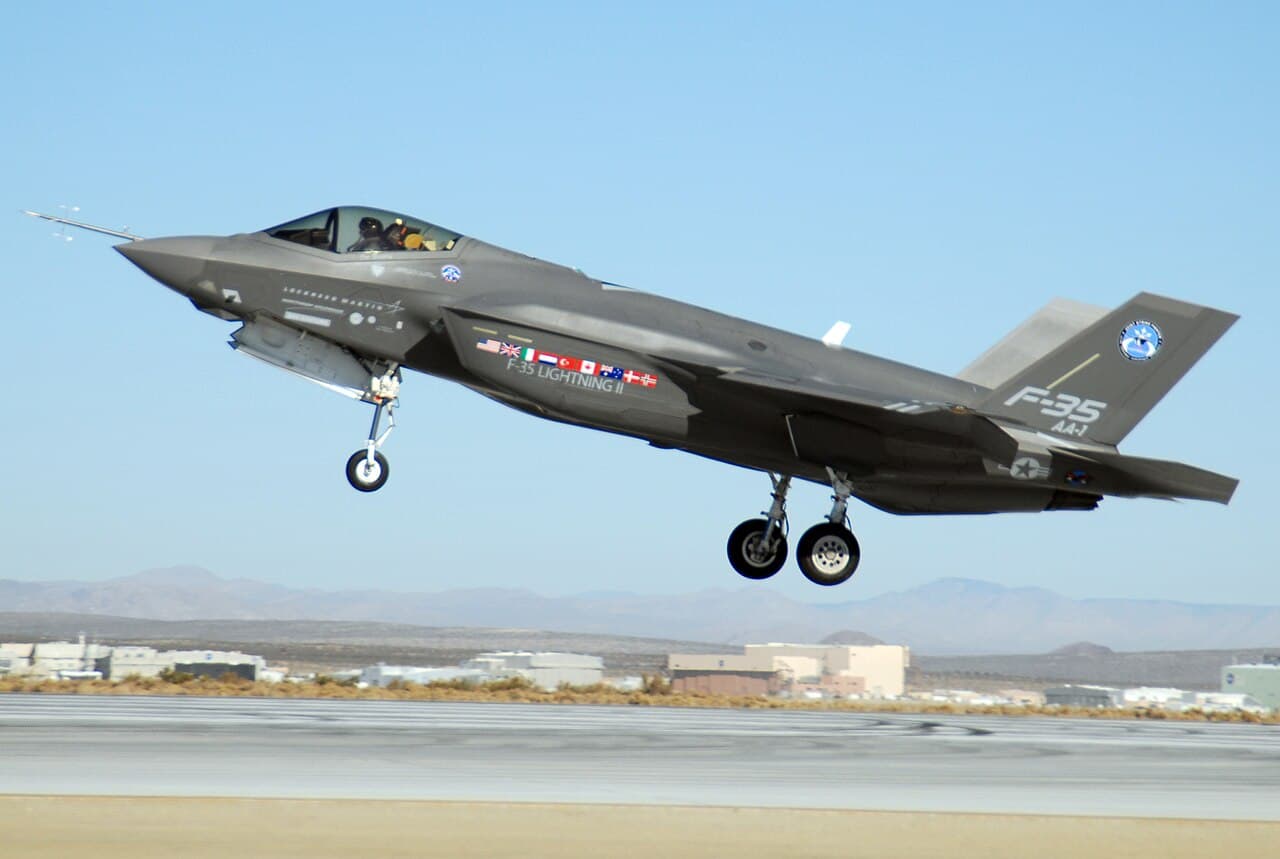
Top Aces Flies Private Skyhawks and Alpha Jets Against Danish F-35As in Training Trial
The training took place in April and May as part of a trial demonstration of commercially provided aggressor services for the Royal Danish Air Force. Privately owned fighter jets from commercial operator Top Aces have flown against Lockheed Martin F-35As from the Royal Danish Air Force (RDAF) in air combat exercises. The drills took place…
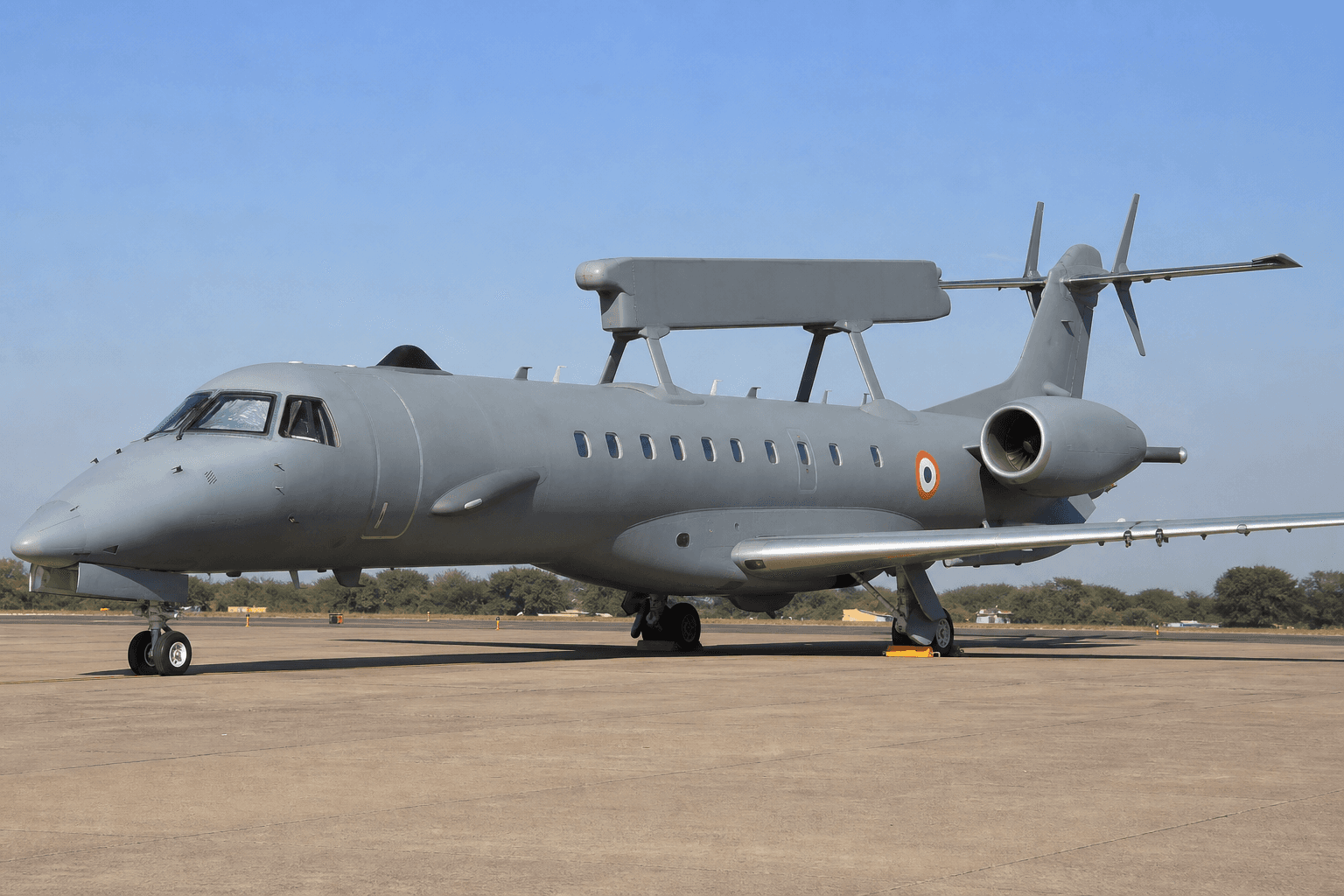
India formally declares Netra Mk 1 AEW fleet fully operational with final clearance
The early warning and control aircraft are modified Embraer ERJ-145 regional jets. India's Defence Research and Development Organisation (DRDO) has declared the country's airborne early warning fleet fully operational. The milestone came on 25 June in Bengaluru, where the Indian air force's fleet of Netra Mk 1 jets received final operational clearance (FOC) from the…
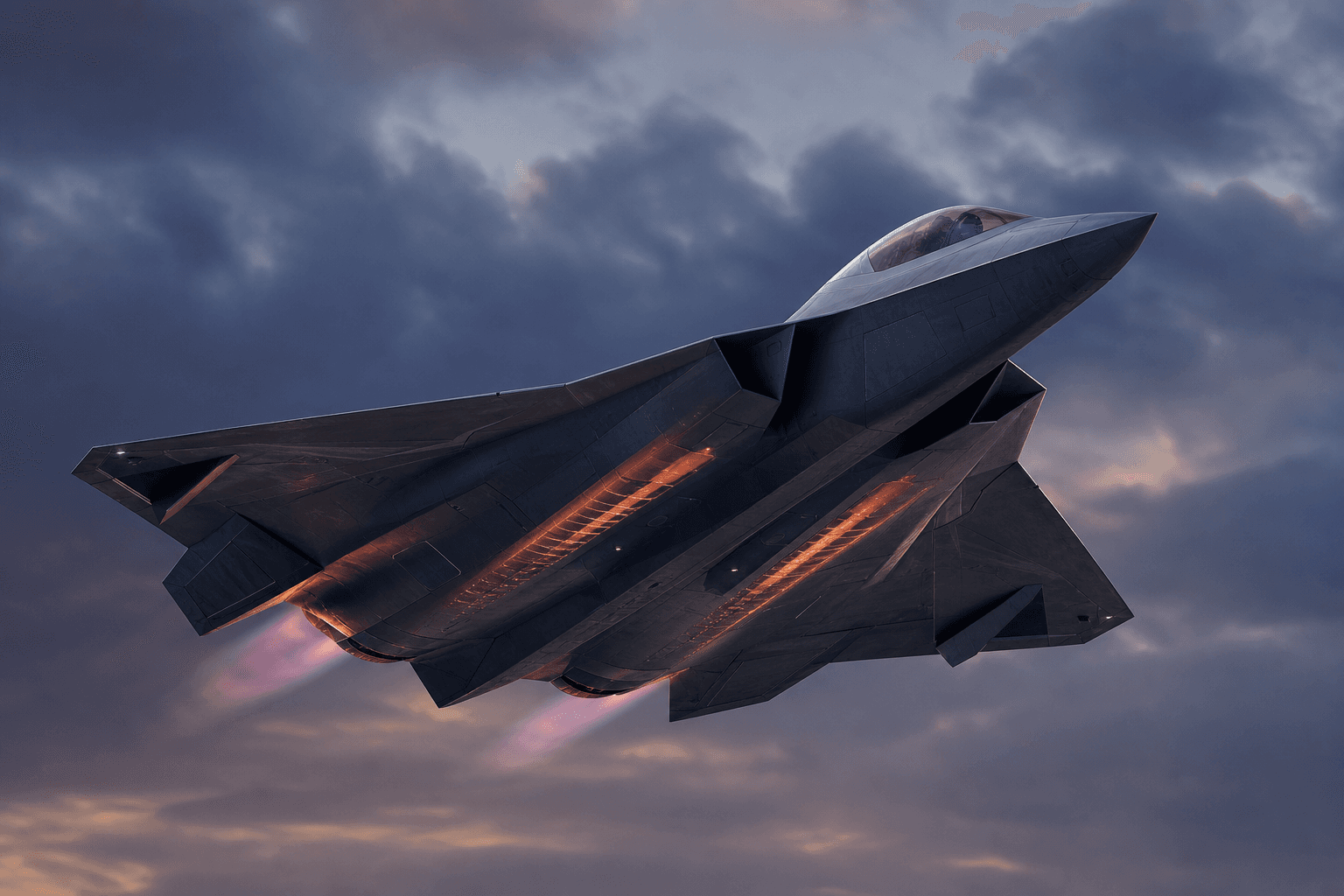
Thermal Management Poses Key Challenge for 6th-Generation Fighter Development
Thermal management is one of the most difficult challenges engineers face in developing next-generation fighters, particularly with RCS and range.
The Daily Touch & Go
The day's best aviation news in your inbox. Free, no spam.