

Illustration: The Touch & Go
China Eastern commits to 25 A330neos for fleet renewal with deliveries 2029-2033
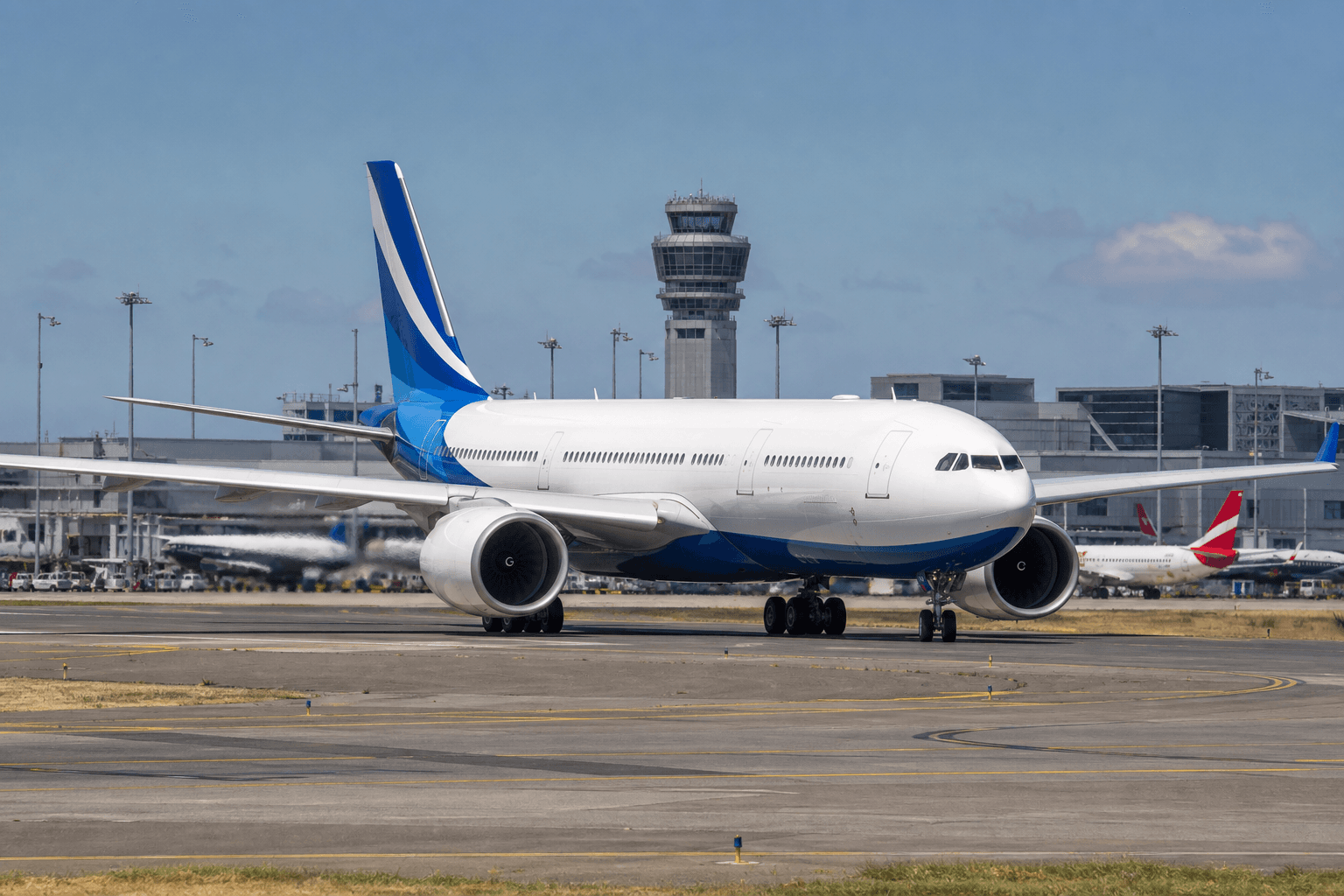
China Eastern Airlines will acquire 25 Rolls-Royce Trent 7000-powered Airbus A330neos, aiming to replace older widebodies and bolster its Shanghai Pudong hub between 2029 and 2033.
The gist
China Eastern to receive 25 A330neos from 2029, phasing out 10 older A330s to enhance efficiency and capacity.
China Eastern Airlines has finalized a deal to purchase 25 Airbus A330neo aircraft, representing a significant refresh of its widebody fleet. The Shanghai-based carrier plans to receive these twinjets equipped with Rolls-Royce Trent 7000 engines between 2029 and 2033. This fleet renewal strategy targets improved operational efficiency and lower per-seat fuel consumption, according to statements from the airline.
The deal, confirmed on 26 June, does not specify the exact A330neo variant, but industry trends and China Eastern’s existing fleet point to the A330-900 as the most probable model. This version dominates new orders in the A330neo family due to its extended range and passenger capacity, which align with China Eastern’s long-haul route expansion plans. All units will be delivered in batches, beginning with four aircraft in 2029 and culminating with three in 2033.
China Eastern disclosed it expects to retire at least ten of its older A330 models throughout the delivery period, gradually replacing aging widebodies with newer, more fuel-efficient aircraft. The airline emphasizes the technological advancements of the A330neo, noting a high degree of commonality with its current A330 fleet that is expected to reduce training costs and streamline maintenance.
Financially, the carrier estimated the list price for the 25 aircraft at approximately $9.35 billion, though it notes that the negotiated purchase price is lower. This investment reflects China Eastern’s confidence in the growth trajectory of China’s civil aviation sector and the need to secure capacity aligned with future demand projections. Enhancing the airline’s fleet composition supports its commitment to service quality and network optimization.
The new A330neos will primarily operate out of Shanghai Pudong International Airport, reinforcing its role as a crucial transfer hub within China Eastern’s expanding route network. The widebody's extended range and improved fuel efficiency make it well-suited for both domestic trunk routes and international long-haul sectors, which have been strategic priorities for the airline in recent years.
This widebody order complements China Eastern’s substantial narrowbody expansion, which includes 101 Airbus A320neo family jets ordered earlier in 2026. The narrowbody investment, consisting mainly of 83 A321neos and 18 A320neos, underscores the airline’s multifaceted approach to modernizing its fleet across different aircraft categories. Together, these commitments indicate a comprehensive fleet strategy aimed at competitiveness and operational cost reduction.
By targeting the A330neo, China Eastern follows a broader industry shift towards next-generation widebody aircraft that offer significant improvements in fuel burn and emissions. The Trent 7000 engines powering the A330neo deliver substantial increases in efficiency and reliability compared to older Trent 700 series powerplants. This engine choice aligns with China Eastern’s goals to reduce unit operating costs and enhance sustainability.
The timing of this acquisition will coincide with large-scale retirements within China Eastern’s older widebody inventory, accelerating fleet modernization over the mid- to long-term horizon. The gradual delivery schedule from 2029 to 2033 provides a paced transition ensuring operational stability during the fleet conversion. Industry observers note that this order positions China Eastern to maintain a competitive edge in the Asia-Pacific aviation market amid growing environmental regulations and evolving passenger expectations.
Read more
All Airlines →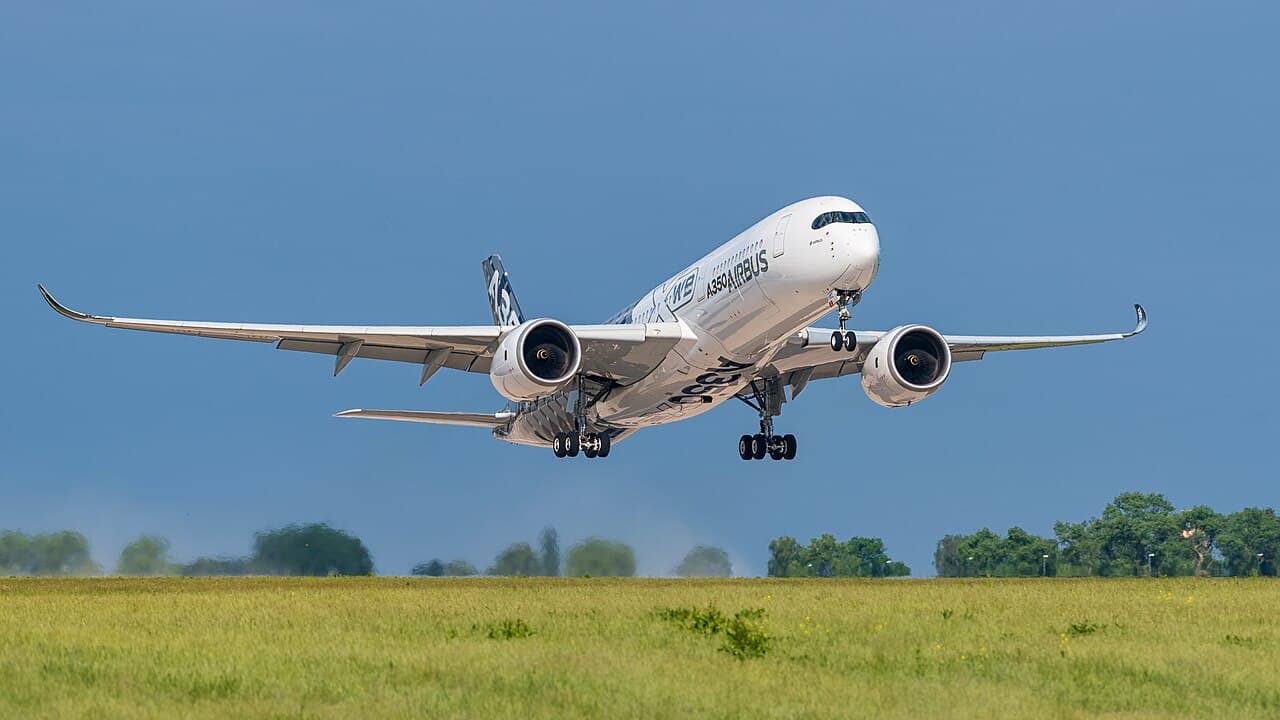
Global Widebody Aircraft Shortage Grows Amid Boeing, Airbus Production Delays
The years after the COVID-19 pandemic have been tumultuous in the airline industry. While some airlines are succeeding, many are also struggling or have failed altogether, and strikingly, demand for new planes is up while manufacturers cannot keep up. Narrowbody jets are generally being produced at high rates that meet demand (although engines are a constraint), but the discrepancy between supply and demand is most striking with widebody airliners.
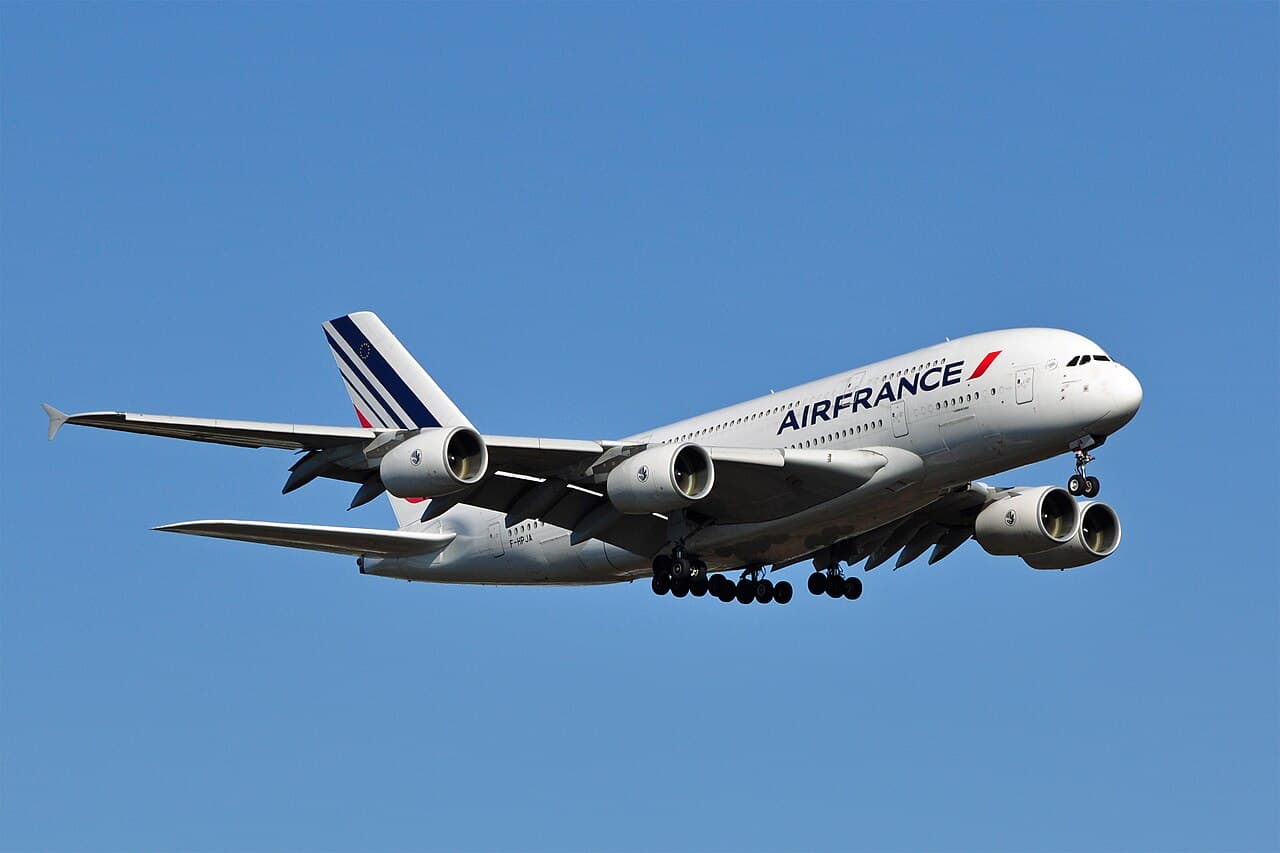
Emirates Crafts 8-Foot Arsenal Badge Sculpture from Retired A380 and 777 Parts
The partnership between Emirates and Arsenal FC is one of the most notable sports sponsorship deals of the 21st century. With The Gunners having won the Premier League title last season, and their cooperation with the Dubai-based UAE flag carrier having now lasted for some 20 years, Emirates is in a celebratory mood, which has manifested itself in the production of a 2.4-meter (eight feet) sculpture.
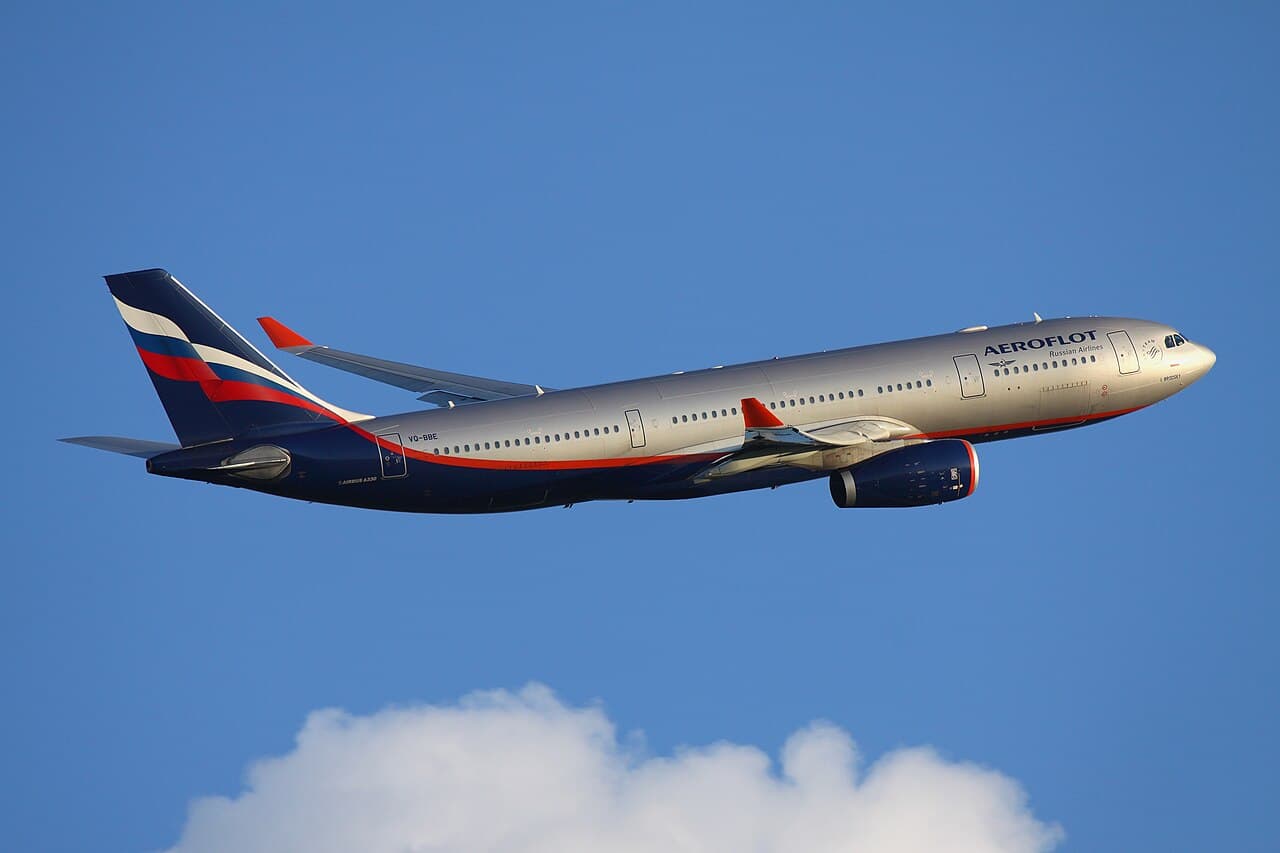
Vietjet to launch thrice-weekly flights from Western Sydney to Ho Chi Minh City in 2027
Asian budget airline’s link to new Australian airport from Vietnam commences at the beginning of 2027. Vietnamese budget carrier Vietjet is the latest operator to sign up to services from the new Western Sydney airport, with plans to open routes from January next year. Cargo flights have been operating at Western Sydney since 27 July and passenger operations are scheduled to commence on 25 October. Qantas, Jetstar, Singapore Airlines and Air New Zealand have already committed to serving the 24h airport. Vietjet will bring the number of airlines to five with a twice-weekly link to Ho Chi Minh City from 10 January 2027, rising to thrice-weekly in March. These flights will be operated by Airbus A330s. “Becoming one of the first airlines to operate at this new airport reinforces Vietjet's strategy of pioneering the expansion of its international network," says Vietjet chief Nguyen Thanh Son. The carrier's Vietjet Thailand venture also intends to begin a four-times weekly operation to Bangkok the following November. Western Sydney airport chief Simon Hickey says the Ho Chi Minh City route expands the number of links available, and "reinforces the choice, flexibility, and global connectivity" of the new facility. "Vietnam is an incredibly popular destination for [Australian] travellers," he adds. Vietjet's Ho Chi Minh City flights are being supported by an incentive programme from the New South Wales government, the Western Sydney International Take-Off Fund.
Delta Flight 2204 Returns to Atlanta After Cockpit Fumes, Evacuates Passengers Safely
A Delta 757 returned to Atlanta shortly after takeoff after pilots reported smoke and fumes in the cockpit, donned oxygen masks, and told passengers to brace for landing. The plane landed safely, but after smoke was reported in the back of the aircraft, nearly 200 passengers evacuated by slides on a taxiway before continuing to Orlando on a replacement aircraft.
The Daily Touch & Go
The day's best aviation news in your inbox. Free, no spam.