

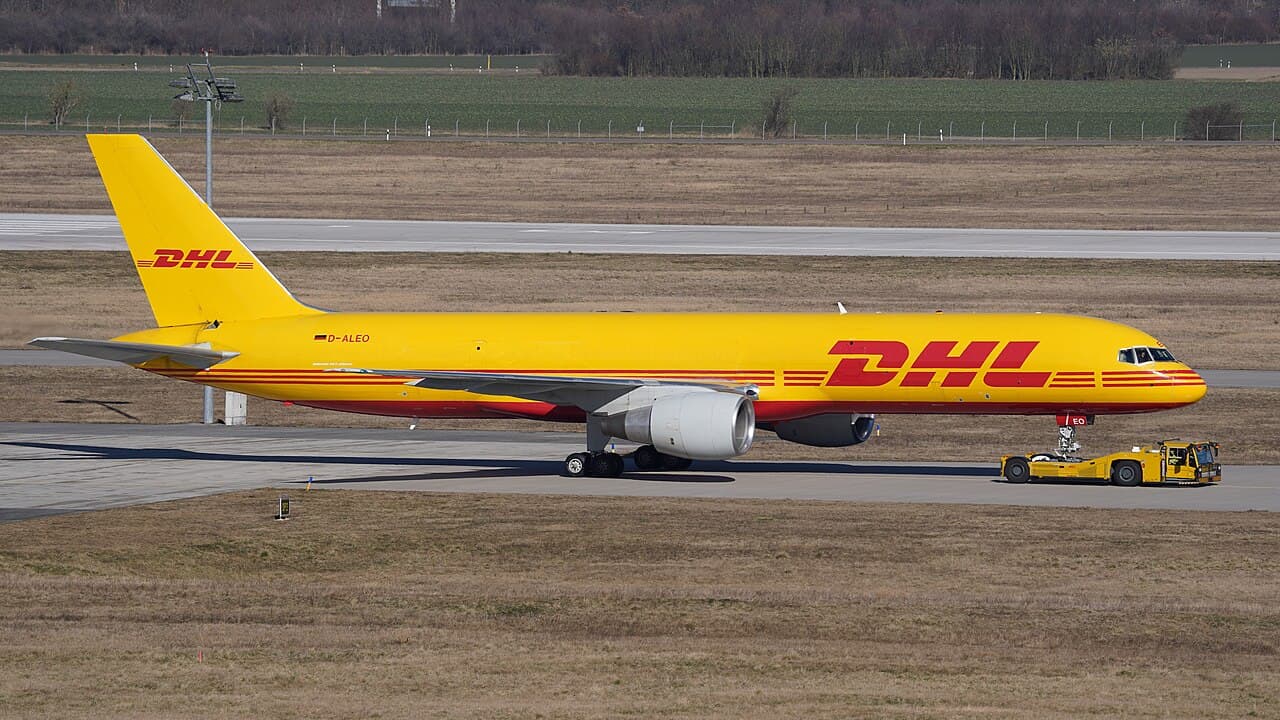
Image: MarcelX42 · CC BY-SA 4.0 · via Wikimedia Commons
Delta Flight 2204 Returns to Atlanta After Cockpit Fumes, Evacuates Passengers Safely
A Boeing 757 operating Delta Flight 2204 declared an emergency shortly after takeoff from Atlanta due to smoke and fumes in the cockpit; passengers evacuated via slides on the taxiway with minimal injuries.
The gist
Delta Flight 2204 evacuated at Atlanta after cockpit fumes forced return and emergency slide evacuation; all passengers safe.
Continuing coverage
All Delta Air Lines →- Delta Boeing 757 evacuated via slides after smoke reported in cockpit at Atlanta
- Delta Resumes Seattle-Narita Flights to Rival Alaska's Tokyo Expansion
- Delta Air Lines to Resume Seattle-Tokyo Narita Service in 2027, Challenging Alaska Airlines
- Delta Introduces First Airbus A321neo VIP Jet for NBA Charter, Replacing Boeing 757s
- Delta Air Lines Set to Announce New Austin International Route Likely to Paris in August
Delta Air Lines Flight 2204, a Boeing 757 carrying 199 passengers and six crew members, was forced to abort its journey to Orlando shortly after takeoff from Hartsfield-Jackson Atlanta International Airport on Saturday morning due to smoke and fumes detected in the cockpit. The flight pushed back at 7:23 a.m. and departed twelve minutes later on Runway 9R, but pilots declared an emergency during climbout around 9,000 feet, reporting smoke and fumes on the flight deck and donning oxygen masks for protection.
Following the emergency declaration, the crew quickly initiated a return to Atlanta. The pilots communicated to passengers to brace for a rapid landing, and the aircraft touched down safely on the same runway approximately seventeen minutes after takeoff. Airport firefighting personnel inspected the plane on the runway and reported no visible smoke or fire upon arrival, indicating the initial fumes had likely dissipated or were confined to certain areas.
While taxiing toward the gate post-landing, the flight crew reported a sudden change: smoke had now spread to the rear of the cabin. Due to this new development, the pilots immediately ceased taxiing and initiated an emergency evacuation on the nearby taxiway. All occupants were directed to exit via emergency slides, a procedure that was executed swiftly and efficiently, ensuring passenger safety.
Delta officials confirmed that the evacuation occurred without significant incident. Only one passenger and one crew member required medical attention following the event, highlighting the effectiveness of the emergency protocols and crew training. Remarkably, video footage from the evacuation shows no passengers attempting to retrieve carry-on luggage, demonstrating adherence to safety instructions.
The Boeing 757 involved in the incident, tail number N555NW, has a service history dating back to its first flight in 2002 and was originally delivered to Northwest Airlines. The precise cause of the fumes remains under investigation. Common sources of cockpit smoke scenarios include possible bleed-air issues, electrical faults, or contamination from engine oils or hydraulic fluids; however, Delta has not confirmed any specific origin at this time.
To minimize disruption for affected customers, Delta arranged for a replacement aircraft, tail number N6706Q, to operate the rescheduled flight. This aircraft departed Atlanta at 12:05 p.m. and arrived in Orlando at 1:13 p.m., resulting in a total delay of more than four hours from the original schedule.
Delta emphasized its commitment to safety in an official statement, noting that the flight crew followed established procedures to manage the emergency, return to the airport, and conduct the evacuation. The airline apologized for the disruption and assured customers that their wellbeing remained paramount throughout the incident.
This event adds to the body of operational incidents involving smoke or fumes on aircraft, a critical safety concern that airline crews are extensively trained to handle. Cockpit or cabin fumes can pose significant health risks and operational challenges, making rapid emergency decisions essential to safeguard all onboard.
Hartsfield-Jackson Atlanta International Airport, as Delta's primary hub and one of the busiest airports globally, coordinates closely with airlines and emergency responders to ensure efficient handling of in-flight emergencies and evacuations. This successful outcome reflects the effectiveness of joint safety protocols between airline crews and airport services.
Frequently asked questions
- What caused Delta Flight 2204 to return to Atlanta after takeoff?
- Delta Flight 2204 returned to Atlanta after pilots detected smoke and fumes in the cockpit during climbout shortly after takeoff.
- How was the evacuation of passengers conducted?
- Passengers and crew evacuated the Boeing 757 on an airport taxiway via emergency slides after the presence of smoke spread to the rear of the aircraft post-landing.
- Were there any injuries reported from the evacuation?
- One passenger and one crew member sought medical attention following the evacuation, but no other injuries were reported.
Read more
All Airlines →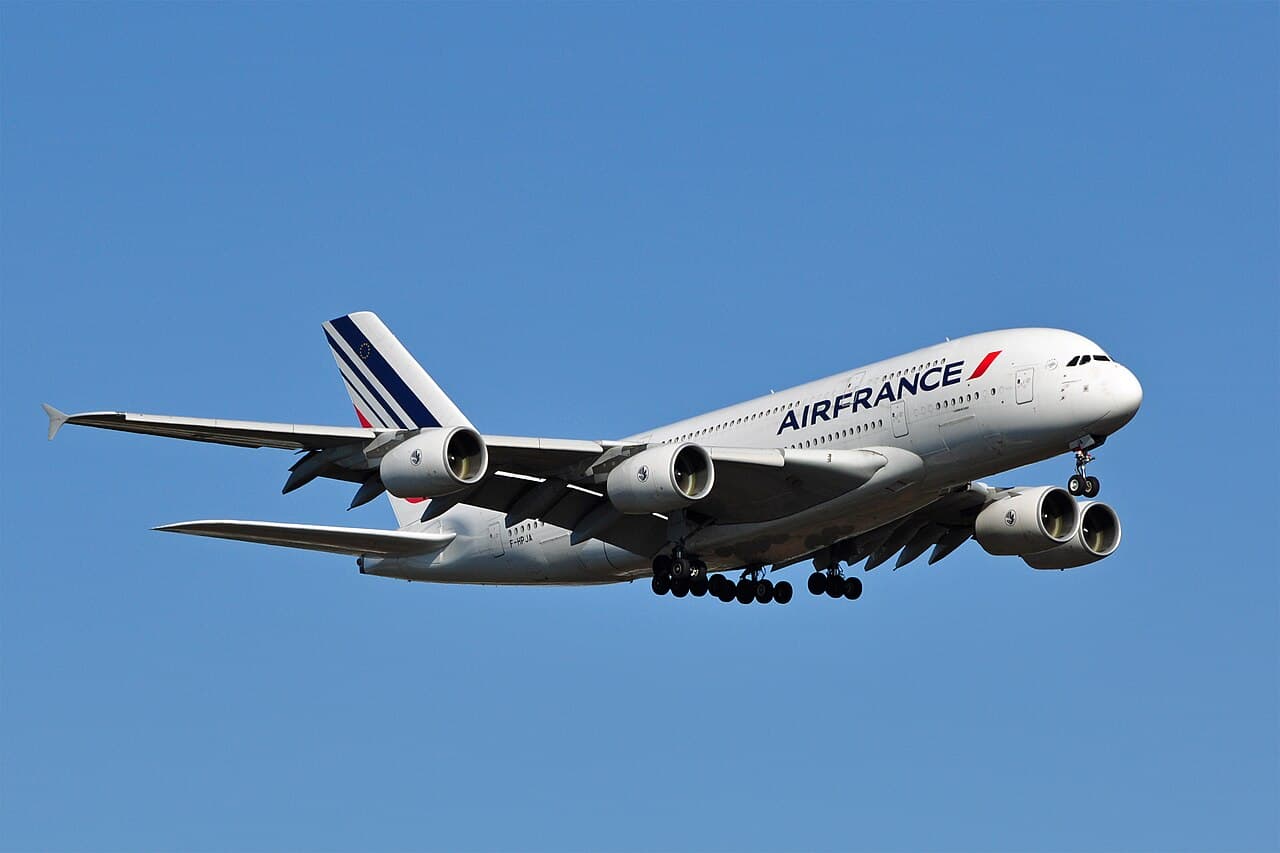
Concorde's Speed Outshone Cabin Comfort on Transatlantic Flights
Concorde flew paying passengers for nearly 28 years between 1976 and 2003, carrying up to 100 passengers at Mach 2 across the Atlantic in 3 hours, 30 minutes. The aircraft is remembered for its speed, its exclusivity, and the experience of flying at 60,000 feet (18,288 m) at the edge of space. Whether it was actually comfortable is a different question, and the answer depends on what the word means in the context of a flight that lasted less time than a drive from Manhattan to the Hamptons on a Friday afternoon.
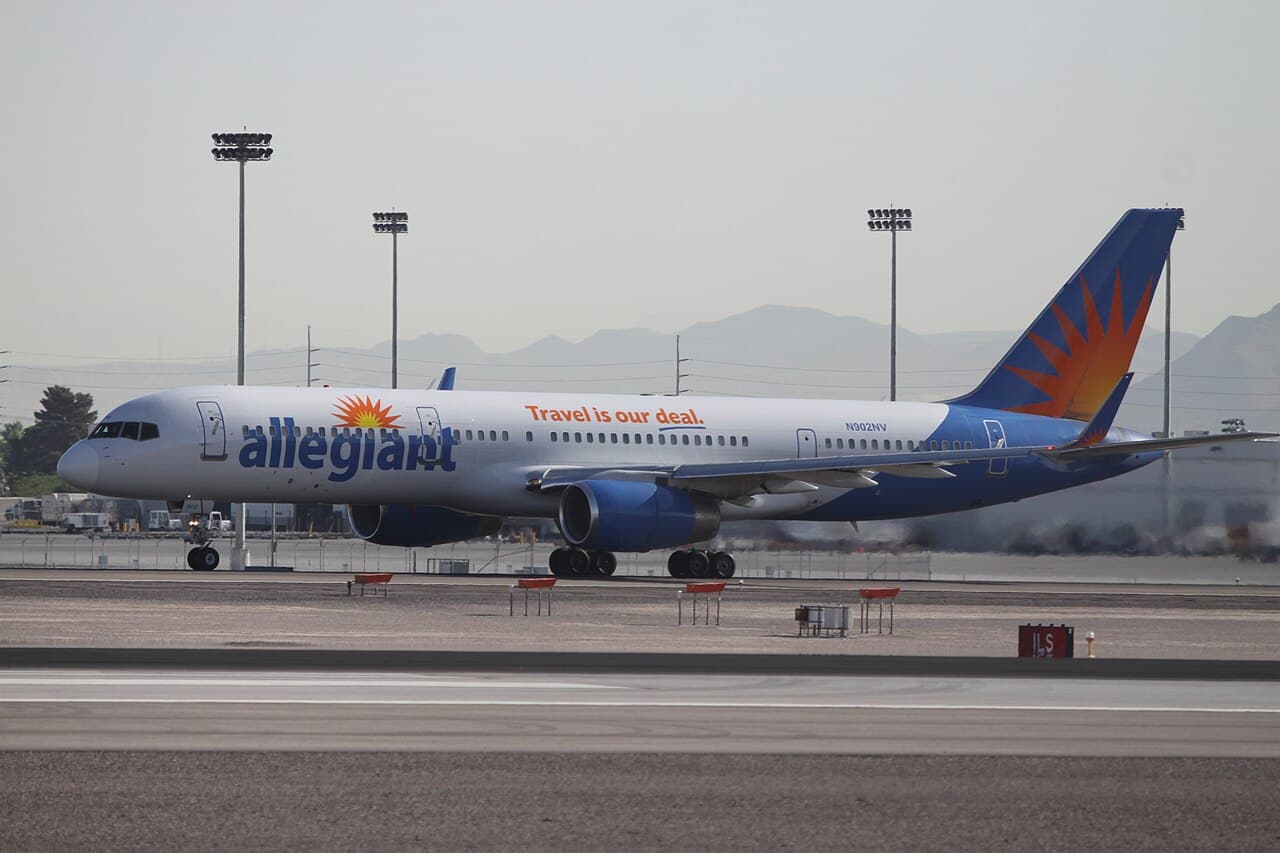
Allegiant Reports Strong Q2 with Sun Country Boost and Record Revenue Per Seat Mile
Allegiant Travel Company reported solid second-quarter 2026 financial results on August 4. The numbers show the strength of its leisure-focused model. They also reflect the early impact of its Sun Country Airlines acquisition, which closed on May 13. ezstandalone.cmd.push(function () { ezstandalone.showAds(119); }); Key Financial Highlights GAAP results showed a loss of $0.21 per share. This included one-time costs tied to the Sun Country deal . On an adjusted basis, diluted earnings per share reached $2.19. That marked a 78 percent increase from the year-ago period. Consolidated operating revenue hit $943.5 million. This was up 36.9 percent from the prior year. The total includes Sun Country results for roughly seven weeks. Standalone Allegiant revenue set a quarterly record at $776.2 million. It rose 16.1 percent even as the company flew 6.8 percent fewer available seat miles. ezstandalone.cmd.push(function () { ezstandalone.showAds(127); }); Unit revenue proved especially strong. Allegiant’s total revenue per available seat mile climbed 24.6 percent year over year to a record 14.42 cents. Adjusted operating margin for Allegiant alone expanded 0.4 percentage points to 9.0 percent. This improvement came despite a sharp rise in fuel costs. Image Credit: Sun Country Airlines Leadership Comments and Integration Progress CEO Greg Anderson highlighted the resilience of the business. “Our record quarterly revenue and strong second-quarter operating margin, achieved despite materially higher fuel costs, demonstrate the strength and resiliency of Allegiant’s business model,” he said. ezstandalone.cmd.push(function () { ezstandalone.showAds(128); }); He noted that adjusted earnings per share of $2.19 beat guidance. Strong operations and the partial-quarter contribution from Sun Country drove the upside. Anderson also expressed confidence in the combination. The company expects to deliver at least $140 million in annual run-rate synergies within three years of the deal’s close. Integration is progressing well, he added. ezstandalone.cmd.push(function () { ezstandalone.showAds(129); }); Commercial Initiatives Commercial initiatives supported the results. Cobrand credit card remuneration rose 23.6 percent to $41.2 million. In July, Allegiant signed a 12-month exclusive distribution deal with Expedia Group. This marks its first authorized online travel agency partnership. The company also announced plans for Allegiant First, a premium seating option set to debut on select aircraft in spring 2027. Complimentary inflight beverages began on August 1. Photo Credit: Allegiant Outlook and Guidance Looking ahead, leisure demand remains solid. Management expects third-quarter unit revenue growth for the combined company to roughly match the 24.6 percent gain seen by standalone Allegiant in the second quarter. The company plans to trim off-peak flying while protecting peak schedules amid fuel volatility. ezstandalone.cmd.push(function () { ezstandalone.showAds(130); }); Full-year 2026 adjusted earnings per share guidance stands at more than $6.00. This outlook includes Sun Country and reflects current fuel prices. For the third quarter, the company guided to adjusted earnings per share between a $1.00 loss and break-even. System capacity is expected to decline about 6.5 percent year over year on a pro forma combined basis. Conclusion Liquidity remains healthy. Consolidated available liquidity totaled $1.3 billion at quarter-end. This included $1.1 billion in cash and investments plus undrawn credit facilities. Net debt stood at $1.7 billion. ezstandalone.cmd.push(function () { ezstandalone.showAds(131); }); Allegiant continues to position itself as a leading leisure airline. The addition of Sun Country expands its reach across passenger, charter, and cargo operations. With strong demand, commercial momentum, and synergy potential, the company enters the second half of the year on solid footing.
Frequent Flyer Award Loopholes Close as Airlines Tighten Elite Perks
The frequent flyer ecosystem has operated on a silent contract between airlines and their most loyal customers, but now that contract seems to be ending. There was once a period defined by the exploitation of fixed award charts, complex routing rules, and the mathematical beauty of carrier-imposed surcharges. Travelers spent years reverse-engineering award flight availability, viewing the loyalty landscape as a puzzle where deep knowledge of program intricacies provided access to premium cabins for a fraction of their cash value.
Top 5 Airlines Offering the Most Luxurious First Class Suites in 2026
The first class cabin is always seen as the ultimate in luxury with lavish features that many can only dream of. Business class has evolved into a more extensive product, with lie-flat beds and now private suites, and with more business class products than ever, first class has become more exclusive and somewhat rare on long-haul international flights.
The Daily Touch & Go
The day's best aviation news in your inbox. Free, no spam.