

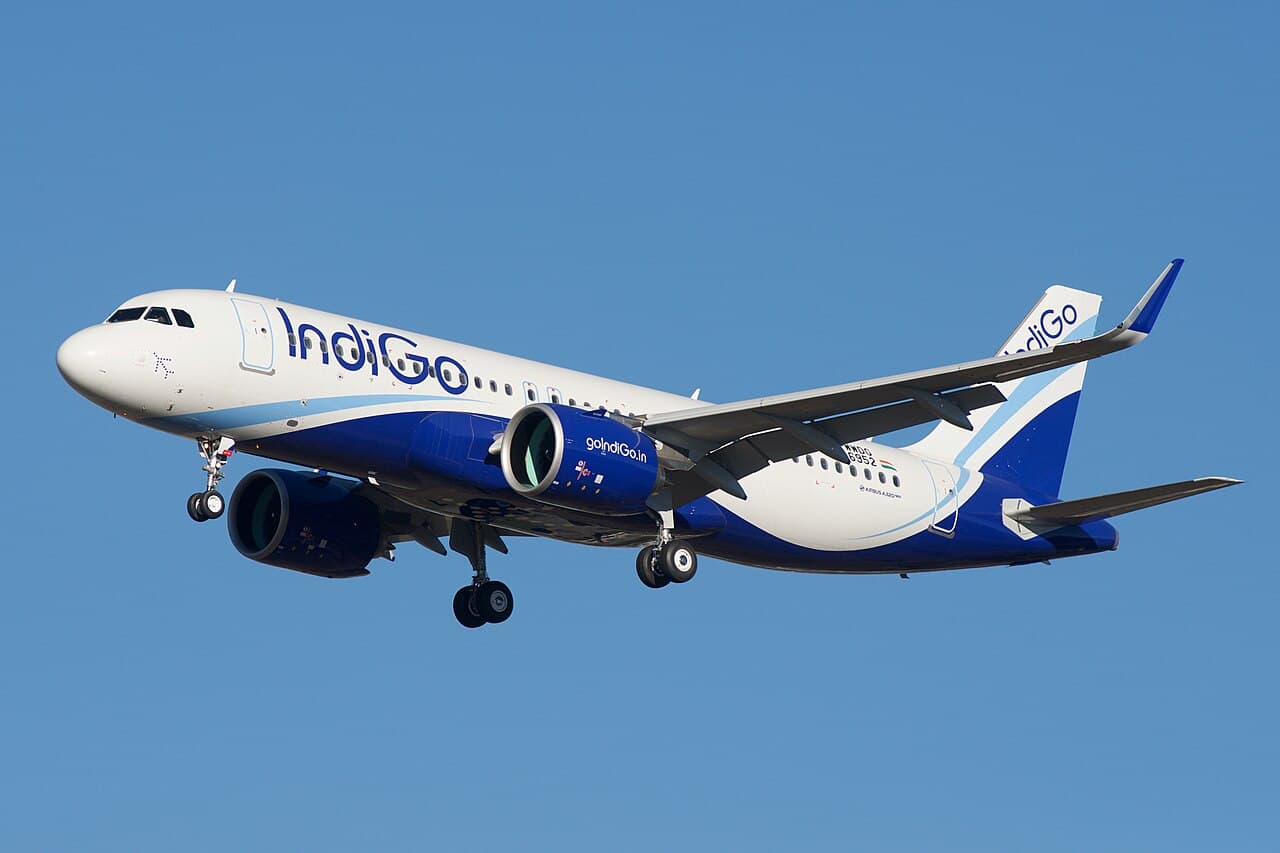
Image: BriYYZ from Toronto, Canada · CC BY-SA 2.0 · via Wikimedia Commons
British Airways to Power Up to 63 A320neos with Pratt & Whitney Engines, Ending Long CFM Exclusivity
British Airways has chosen Pratt & Whitney's geared turbofan engines for up to 63 Airbus A320neo family jets, breaking decades of exclusive use of CFM International engines on its narrowbody fleet.
The gist
British Airways ends decades of exclusive CFM engine use by selecting Pratt & Whitney for up to 63 A320neos.
British Airways has made a significant shift in its narrowbody aircraft engine choices by selecting Pratt & Whitney’s geared turbofan (GTF) engines to power up to 63 Airbus A320neo family aircraft. This marks the first time the UK flag carrier will operate Airbus narrowbodies fitted with engines from a supplier other than CFM International, its longstanding exclusive provider for this segment. The decision reflects evolving priorities and strategic considerations in the competitive aviation engine market.
For decades, British Airways’ Airbus narrowbody fleet has relied solely on CFM International engines, underpinning a streamlined maintenance and operations approach. The move to introduce Pratt & Whitney engines represents a clear strategic diversification that may help the airline optimize fuel efficiency, maintenance costs, and supply chain resilience. Pratt & Whitney’s GTF technology is valued for its promise of reduced fuel burn, lower emissions, and quieter performance compared to previous generation engines.
The Airbus A320neo family, which British Airways operates extensively, offers airlines a choice between two major engine types: CFM Leap and Pratt & Whitney GTF. Each brings distinctive technologies and performance characteristics. British Airways’ decision to embrace Pratt & Whitney engines signals a willingness to adopt cutting-edge innovation to meet its operational and environmental objectives. It may also reflect broader industry trends where airlines are increasingly comparing engine benefits on multiple criteria beyond initial acquisition costs.
This engine diversification aligns with the wider push in aviation toward improved sustainability and reduced carbon footprints. Pratt & Whitney’s geared turbofan design employs a reduction gear system that enables the fan and turbine to operate at optimal speeds independently, improving thermal efficiency and lowering fuel consumption. For British Airways, integrating these engines into their fleet may contribute importantly to meeting regulatory and corporate sustainability goals over the coming decade.
Operationally, incorporating a second engine type into the narrowbody fleet introduces complexity in maintenance, crew training, and logistics. However, British Airways’ commitment to up to 63 aircraft with Pratt & Whitney engines illustrates confidence in managing these challenges. The airline will need to coordinate closely with Pratt & Whitney to ensure engine support infrastructure is robust and that any reliability and performance data meets expectations across diverse operating conditions.
British Airways’ move can also be viewed in the context of growing competition and innovation among engine manufacturers. While CFM International has dominated the narrowbody engine market for years, Pratt & Whitney’s GTF technology has gained ground as more airlines prioritize fuel savings and lower noise levels. By choosing Pratt & Whitney for a sizable A320neo order, British Airways validates the technological advancements of the geared turbofan platform within a major European carrier’s operational framework.
Historically, British Airways’ engine choices have aligned with large OEM partnerships—CFM for Airbus and Rolls-Royce for widebody aircraft like the Boeing 787. Adding Pratt & Whitney engines diversifies its supplier base and reduces dependency risks. This strategic agility could provide British Airways with better negotiating leverage and the flexibility to adapt to shifting market conditions and technological developments in the future.
This announcement also underscores the competitive dynamics in the narrowbody segment, which remains critical for short- and medium-haul operations. As airlines worldwide transition to more fuel-efficient fleets, engine selection choices become pivotal both to cost structure and environmental strategy. British Airways joining the roster of airlines operating Pratt & Whitney GTF engines highlights the fuel efficiency and noise reduction benefits being recognized across the industry.
British Airways' endorsement of Pratt & Whitney’s geared turbofan engines for this expansive order will attract close attention from other carriers considering fleet renewals. The decision disrupts a longstanding pattern of engine exclusivity and suggests a more pluralistic approach to engine sourcing in future narrowbody fleet expansions. This move sets a notable precedent in one of the world’s largest aviation markets, influencing trends in engine competition and airline procurement strategies.
Frequently asked questions
- Which engine supplier has British Airways historically used for its Airbus narrowbody fleet?
- British Airways has historically used CFM International engines exclusively for its Airbus narrowbody aircraft.
- What new engine type will British Airways use for some of its Airbus A320neo family aircraft?
- British Airways has selected Pratt & Whitney's geared turbofan engines to power up to 63 Airbus A320neo family aircraft.
- Why is British Airways' engine selection significant in the aviation market?
- British Airways' choice to add Pratt & Whitney engines breaks decades of exclusive CFM use, reflecting shifting priorities toward fuel efficiency and sustainability in the narrowbody segment.
Read more
All Airlines →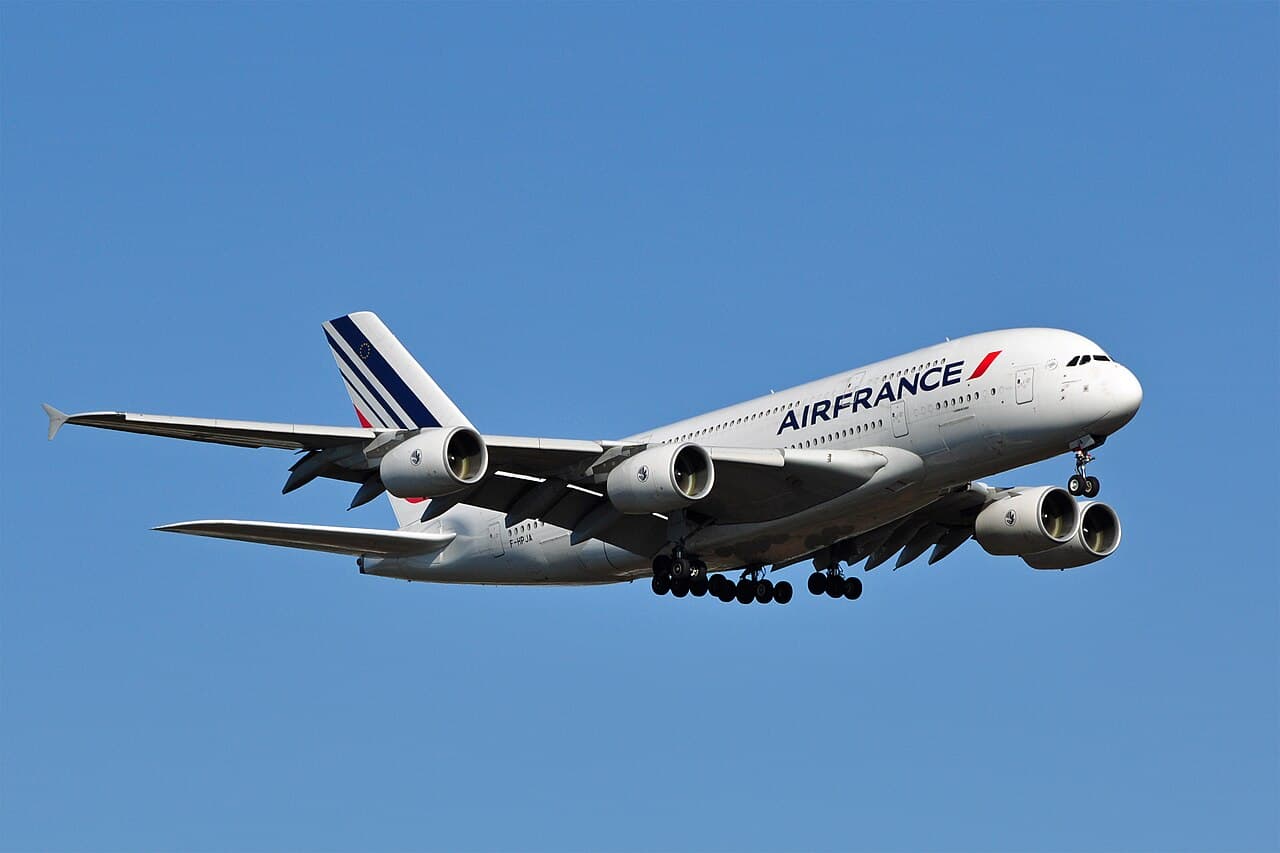
Concorde's Speed Outshone Cabin Comfort on Transatlantic Flights
Concorde flew paying passengers for nearly 28 years between 1976 and 2003, carrying up to 100 passengers at Mach 2 across the Atlantic in 3 hours, 30 minutes. The aircraft is remembered for its speed, its exclusivity, and the experience of flying at 60,000 feet (18,288 m) at the edge of space. Whether it was actually comfortable is a different question, and the answer depends on what the word means in the context of a flight that lasted less time than a drive from Manhattan to the Hamptons on a Friday afternoon.
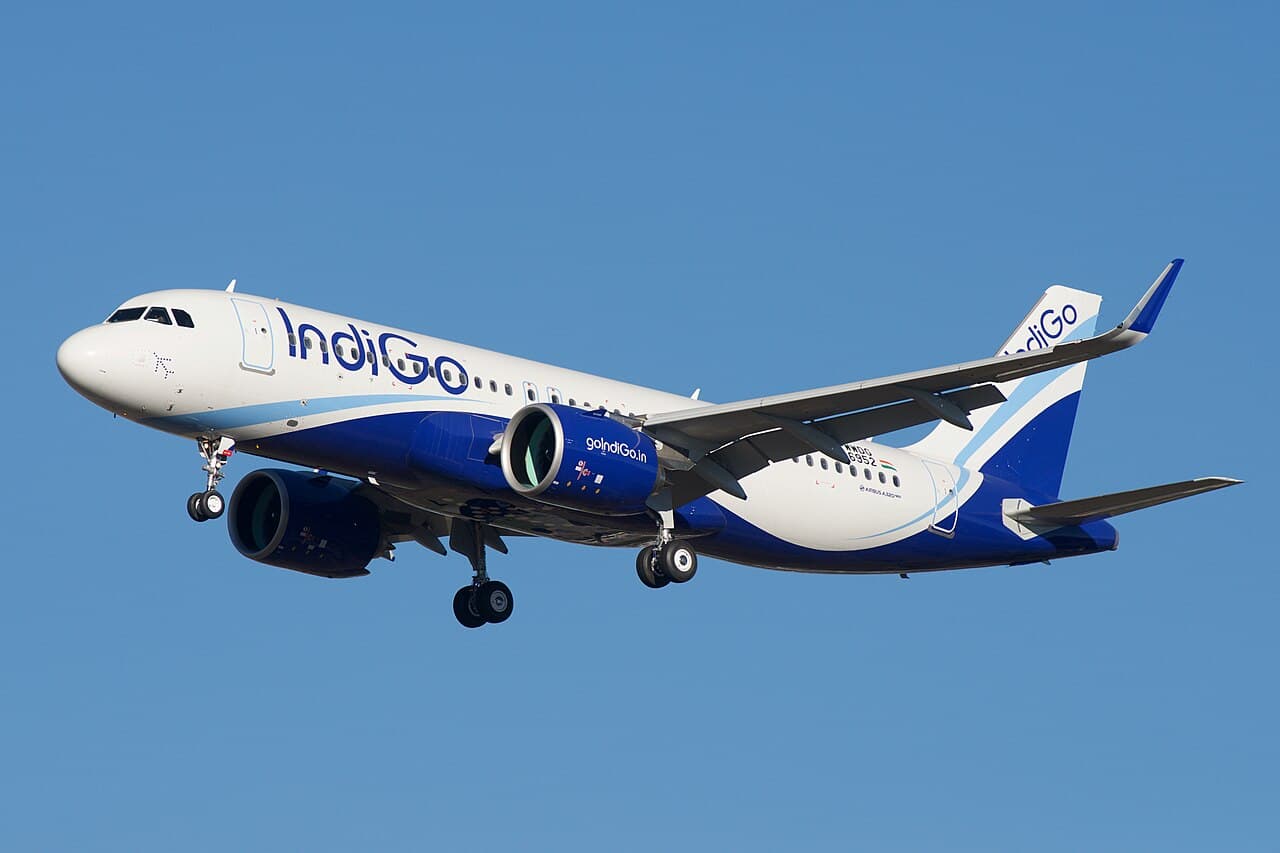
Airbus Surpasses 1,000 Net Orders in 2026 Following Strong July Demand
Airframer nearly halfway to delivery target after handing over 67 aircraft in July. Airbus's net orders for this year have surpassed 1,000 after the airframer added more than 200 to its total during July. It has confirmed China Eastern Airlines' order for 25 A330-900s and Hainan Airlines' agreement for 40 A320neo-family aircraft in the airframer's latest backlog figures. It has listed the Hainan deal as comprising 13 A321neos and 27 A320neos. Airbus's July backlog records the SMBC Aviation Capital order for 65 A321neos and 35 A320neos unveiled at the Farnborough air show . Orders from Saudi Arabian carriers Riyadh Air, for six A350-1000s, and Flynas for five A330-900s and 20 A321neos – both revealed during the show – have also been listed. Airbus's figures for the month show two agreements from undisclosed customers, one for six A321neos, and the other for a single A320neo and A319neo – the first for an A319neo since March 2024. Net orders to the end of July, as a result, reached 1,024. Airbus has also delivered 418 aircraft this year, including 32 A350s, 10 A330s and 326 A320neo-family aircraft, alongside 50 A220s. This total is just under half of the planned full-year target of 870.
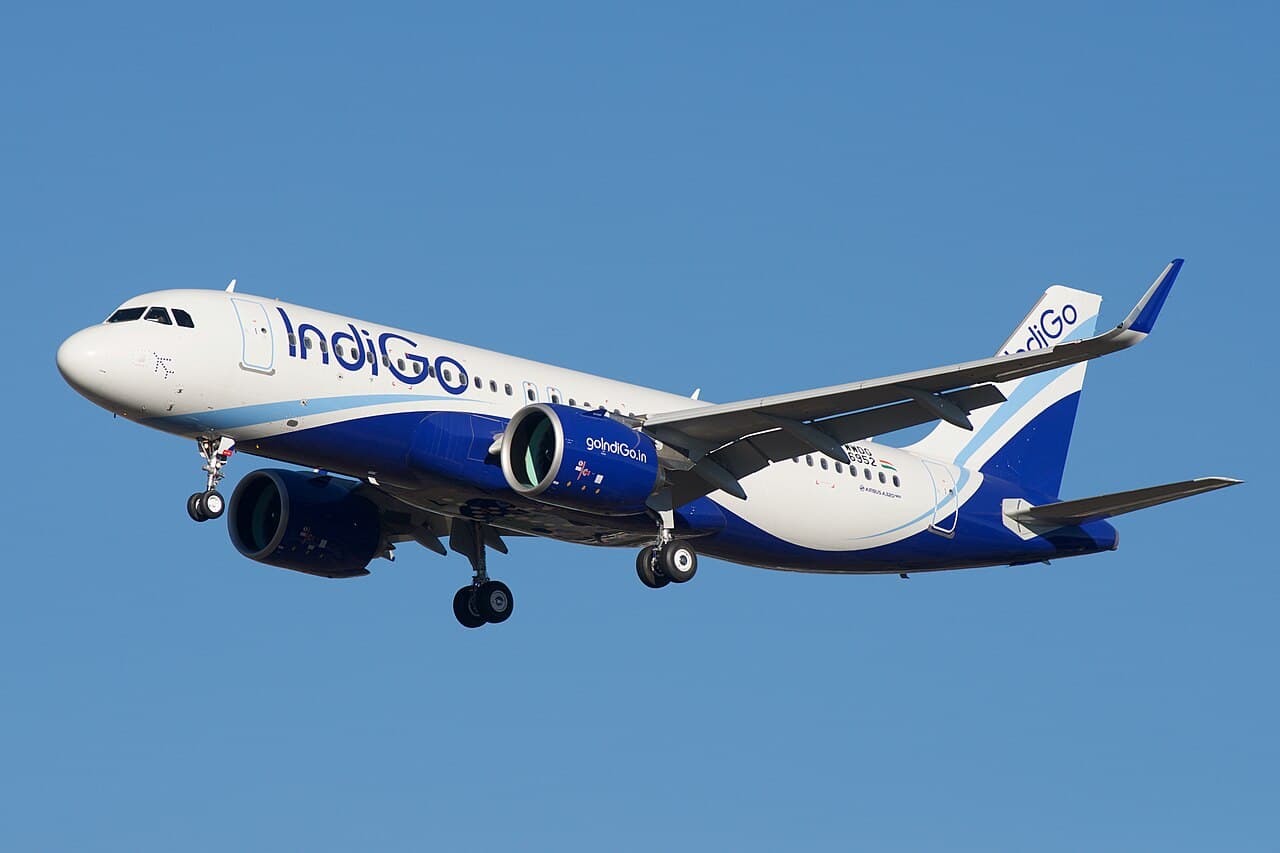
LATAM Airlines posts $227 million Q2 profit amid strong premium demand
Resilient demand for premium seats and from loyalty programme members kept LATAM in the black. LATAM Airlines Group was able to pass to customers much of the increase in fuel prices in the second quarter thanks to strong travel demand, especially for premium seats and from member of its loyalty programme. The company reported an adjusted operating profit of $227 million for an adjusted operating margin of 5.4% during the three months ending in June. Its revenue increased 28% year on year to $4.2 billion, driven by an 18% year-on-year increase in revenue per available seat kilometre, allowing LATAM to recapture much of the additional $700 million fuel expense it paid in the period. LATAM’s second-quarter expenses jumped 39% year on year to $4.0 billion. "The combination of effective execution, commercial flexibility and the resilience of LATAM's diversified business model allowed the group to increase unit revenues this quarter [and] successfully mitigate a substantial portion of that [fuel] impact," said Ricardo Dourado, the chief financial officer of LATAM, during an earnings call on 5 August. Premium-seat sales and demand from loyalty programme members showed "greater resilience" than overall demand in the second quarter, he adds. LATAM is investing in new business-class suites and premium-economy seats for its widebody Boeing 787s. Installations began in 2025 and continue across the fleet. It is also expanding the number of premium-economy seats on its narrowbody fleet of Airbus A320-family aircraft and plans to introduce the seats on Embraer 195-E2s scheduled to enter service in November. LATAM initially plans to fly E195-E2s to four new destinations and on eight new routes in Brazil. The aircraft will allow it to expand and tailor capacity on existing routes to better match demand at various times of day, chief executive Roberto Alvo says. Looking ahead, LATAM reinstated its guidance despite what Alvo says remains a "highly dynamic" market. The company expects to grow capacity, measured in available seat kilometres, 8-9% in 2026 and forecasts a 2026 adjusted operating margin of 12-13%. LATAM is scheduled to take delivery of 15 A320neo-family aircraft, one 787-9 and 12 E195-E2s in the second half of 2026, its latest fleet plan shows. It forecasts adding 27 aircraft to its fleet in 2026, bringing its fleet to 410 aircraft at year-end. LATAM can retire older Airbus A319s if the demand environment weakens, Alvo says.
Emirates Crafts 8-Foot Arsenal Badge Sculpture from Retired A380 and 777 Parts
The partnership between Emirates and Arsenal FC is one of the most notable sports sponsorship deals of the 21st century. With The Gunners having won the Premier League title last season, and their cooperation with the Dubai-based UAE flag carrier having now lasted for some 20 years, Emirates is in a celebratory mood, which has manifested itself in the production of a 2.4-meter (eight feet) sculpture.
The Daily Touch & Go
The day's best aviation news in your inbox. Free, no spam.