

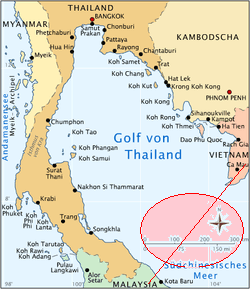
Image: PauloMSimoes · CC BY-SA 3.0 · via Wikimedia Commons
Malaysia Orders 30-Day Drug Testing for All Pilots and Cabin Crew After Smuggling Arrest
Following a Malaysia Airlines pilot's drug smuggling arrest in Indonesia, Malaysian authorities mandate drug tests for all active flight and cabin crew within 30 days to prevent recurrence.
The gist
Malaysia mandates drug testing of all active pilots and cabin crew within 30 days after a drug smuggling scandal involving a Malaysia Airlines pilot.
Malaysia's aviation sector has been jolted into immediate action after a Malaysia Airlines pilot was apprehended for drug smuggling in Indonesia. Authorities have responded by requiring all Malaysian airlines to test 100% of their active flight and cabin crew for drug use within a strict 30-day deadline. This order aims to restore safety confidence and prevent similar incidents going forward, imposing stringent oversight across the industry.
The pilot in question was arrested at Jakarta's Soekarno Hatta International Airport on July 28 when security officials discovered 26 kilograms of ecstasy hidden in his luggage, alongside smaller quantities of methamphetamine. Subsequent testing revealed that he was under the influence of methamphetamine, MDMA, and cocaine during the apprehension. The incident shocked the regional aviation community due to its severe implications on safety and airline reputation.
The Civil Aviation Authority of Malaysia (CAAM), led by CEO Norazman Mahmud, has directed all Malaysian carriers to initiate comprehensive drug testing programs for every active pilot and cabin crew member. Mahmud emphasized that carriers must submit declarations of compliance detailing test results, random testing summaries, and any corrective measures taken. The directive also mandates revising drug testing methodologies where necessary to enhance their effectiveness and reliability.
Malaysia Airlines is undertaking this initiative promptly by targeting to complete their pilot drug tests by August 15. The airline has publicly stated that pilots who do not undergo the required testing within the timeline will be barred from operating flights until cleared. This proactive stance indicates a zero-tolerance approach toward drug use to protect passengers and crew on their flights.
Beyond the immediate 30-day testing window, CAAM has instructed airlines to increase the frequency of unannounced random drug and alcohol tests among flight crews. This policy is especially focused on high-risk scenarios including night operations, extended duty hours, and public holidays, where safety risks are amplified. The authority also encourages reasonable-suspicion testing based on behavioral or operational signs of impairment, aiming to catch any future infractions proactively.
This expanded random testing will be critical for maintaining ongoing vigilance in Malaysia’s commercial aviation, ensuring that crew members remain fit for duty at all times. Airlines must integrate these protocols into their Safety Risk Assessments to identify and mitigate risks dynamically. This represents a significant tightening of safety controls in response to a single egregious incident, underscoring the sector's commitment to strict compliance and passenger security.
While the crisis originated from a single pilot’s misconduct, the regulatory response affects the entire Malaysian commercial aviation industry, raising the bar for drug testing standards. CAAM’s approach reflects a multi-layered strategy: immediate comprehensive screening followed by sustained random testing with transparent reporting requirements. These measures aim to repair trust and safeguard the integrity of Malaysia’s air transportation network through systematic prevention efforts.
Frequently asked questions
- What triggered the mandatory drug testing of all pilots and cabin crew in Malaysia?
- A Malaysia Airlines pilot was arrested in Indonesia for smuggling 26 kg of ecstasy and found to be under the influence of multiple drugs, prompting authorities to mandate drug tests for all active crew within 30 days.
- What are Malaysian airlines required to do under the new drug testing directive?
- Airlines must test 100% of active flight and cabin crew within 30 days, revise testing protocols as needed, submit compliance reports to CAAM, and increase random unannounced drug and alcohol tests going forward.
- What consequences are in place for pilots who do not complete drug testing by the August 15 deadline?
- Malaysia Airlines stated that pilots who have not been tested by August 15 will not be allowed to operate any further flights until they have passed the required drug screening.
Read more
All Aviation Safety →
Military GPS Jamming Probed in Fatal New Mexico Medevac Crash Amid Rising Interference Incidents
A military GPS jamming exercise is drawing renewed attention after new reporting suggested it may have contributed to the May accident of a Beechcraft King Air in New Mexico that killed four people. The accident remains under investigation, and no official probable cause has been determined. According to the report, the twin-engine aircraft was flying from Roswell to Ruidoso when it encountered GPS interference during an electronic warfare exercise near White Sands Missile Range. The crew reportedly lost reliable satellite navigation while approaching mountainous terrain at night. Three other aircraft in the area also experienced GPS disruptions during the exercise, suggesting the interference extended beyond a single flight. The report said the loss of GPS left the medevac crew with limited navigation capability during a critical phase of flight. The aircraft subsequently struck a mountainside, killing both pilots and two medical crewmembers aboard. While investigators have linked the GPS outage to the sequence of events, officials have not concluded that military jamming caused the accident. The findings remain preliminary pending completion of the investigation. The accident has also renewed concern over the increasing frequency of GPS interference. Figures cited from the Aircraft Owners and Pilots Association show reported GPS disruption events in the continental U.S. climbed from four in 2020 to 50 in 2024, with another 40 incidents recorded in 2025.
Boeing 737 MAX 7 Secures FAA Certification After Lengthy Development Delay
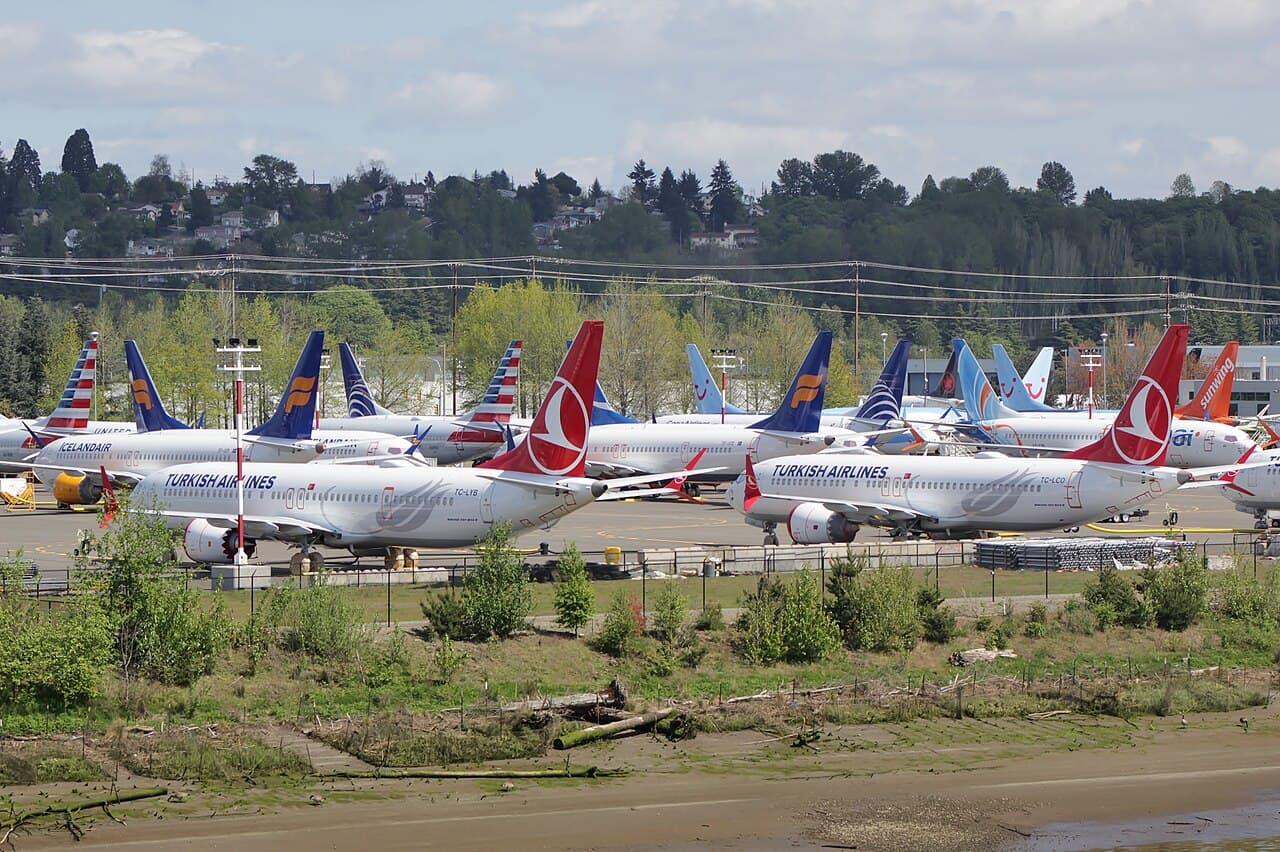
Just over 13 years ago, Boeing and Southwest Airlines came together to launch the 737 MAX 7, the third and smallest member of the 737 MAX family. In May 2013, Boeing was riding high and, alongside its launch customer Southwest , predicted that the Dallas carrier would receive its first 737-7 delivery in 2019. In the following years, the dynamics shifted significantly for Boeing with two fatal Boeing 737 MAX 8 crashes between 2018 and 2019. The worldwide Boeing MAX fleet was grounded, and confidence in the company's manufacturing and quality controls diminished. In November 2020, the Federal Aviation Administration (FAA) finally gave Boeing 's 737 MAX the go-ahead to fly commercially again, but the impact on the 737-7 development had been significant. Original artwork from 2013 (Boeing) Plans for the 737-7's entry into service were rescheduled and even when Boeing thought they were nearly there, further complications arose during the certification process. However, on August 3, 2026, Boeing finally announced the news it had been waiting to deliver for several years, confirming that the MAX 7 had secured type certification from the FAA. "This important certification validates the rigor of our airplane's design and recognizes the determination and resilience of our 737 MAX development team," Stephanie Pope, President and CEO of Boeing Commercial Airplanes, said. Since the test program began in 2018, the 737-7 has completed more than 1,000 hours of flight and ground evaluation and conducted extensive system safety analysis and human factors reviews. During the program Boeing also updated the engine anti-ice system to address a potential condition that was discovered during flight testing. The Federal Aviation Administration has certified the 737-7! This milestone for the longest-range 737 MAX validates the rigor of the design and testing and recognizes #TeamBoeing 's determination and resilience. Certification includes more than 1,000 hours of flight and ground… pic.twitter.com/0S45IjqL3u — Boeing Airplanes (@BoeingAirplanes) August 3, 2026 Boeing said that the regulatory approval "caps a multi-year certification effort" in which the company "demonstrated through comprehensive testing and analysis that the airplane meets all commercial aviation regulations". "Our team of dedicated engineers and test experts worked through challenges, an extended pandemic, and the transition to new certification processes," Pope added. "Through it all, our team stayed focused on completing all requirements and delivering a safe and more capable airplane to our customers." The FAA on 737-7 certification process The FAA issued Boeing an amended type certificate for the new 737-7 and a Production Limitation Record (PLR). In a statement explaining the aircraft's certification process, the FAA said the approval followed almost a "decade of extensive review". The FAA said its work involved resolving complex technical issues and completing a thorough review of the aircraft's design and supporting safety analyses. "Throughout the process, the FAA performed or directly reviewed significant work involving flight controls, system safety assessments, human factors, flightcrew alerting, and other novel, complex, or safety-critical areas, while also requiring testing, design changes, and additional analysis where necessary," the FAA stated. The FAA required Boeing to "incorporate key improvements" that address requirements in the Aircraft Certification, Safety, and Accountability Act and recommendations from the National Transportation Safety Board (NTSB). Anna Zvereva / Creative Commons These included updates to the flight-control software, flightcrew alerting system, and a redesigned engine anti-ice system. "These changes provide pilots with clearer information and warnings and prevent the engine inlet from overheating and potentially weakening the surrounding structure," the FAA said. FAA safety inspectors will remain present at Boeing sites across the US to oversee the manufacturing process and assess the planemaker's Safety Management System (SMS) and safety culture. "Our Boeing team held regular and detailed discussions with the FAA to ensure Boeing understood the requirements and provided transparency of our progress," said Mike Sinnett, Senior Vice President of Product Strategy, Product Development and Development Programs. "With this certification program, Boeing has developed a clearer understanding of the latest regulatory requirements, which is expected to accelerate future airplane development with a renewed emphasis on human factors, safety and quality." Focus moves to Boeing's 737-7 airline customers Focus will now begin to move to Boeing's airline customers that ordered 737-7 aircraft, namely Southwest Airlines, which has purchased around 250 jets. In response to news of the latest certification, Southwest said it was "pleased with the FAA's certification of the Boeing 737-7 aircraft, and we look forward to the plane entering service in the coming months." "Certification is an important step toward continuing to modernize our all-Boeing 737 fleet with upgraded interiors and more fuel-efficient aircraft to fit our customers' preferences and demand patterns," Southwest Airlines added. According to ch-aviation data, there are around 28 assembled 737-7s destined for Southwest currently in storage. The US carrier plans to introduce the aircraft in 2027. Boeing In the most up to date ch-aviation data available, China's Ruili Airlines has ordered two 737-7s, as had Ukraine's SkyUp Airlines. There in an order on the database for a single 737-7 from Indonesia's Jhonlin Air Transport. Luxair, the European launch customer, also ordered four 737-7s at Paris Air Show 2023. WestJet canceled its orders for Boeing's smallest MAX jet as did the now defunct Canada Jetlines. Turkmenistan Airlines also canceled an order for three 737-7s. With MAX 7 type certification now secure it remains to be seen whether more customers will be willing to purchase the aircraft. RELATED Little and large: Boeing rounds off 737-7 and 737-10 certification flight tests
Malaysia probes airport security after pilot caught smuggling drugs on Malaysia Airlines flight
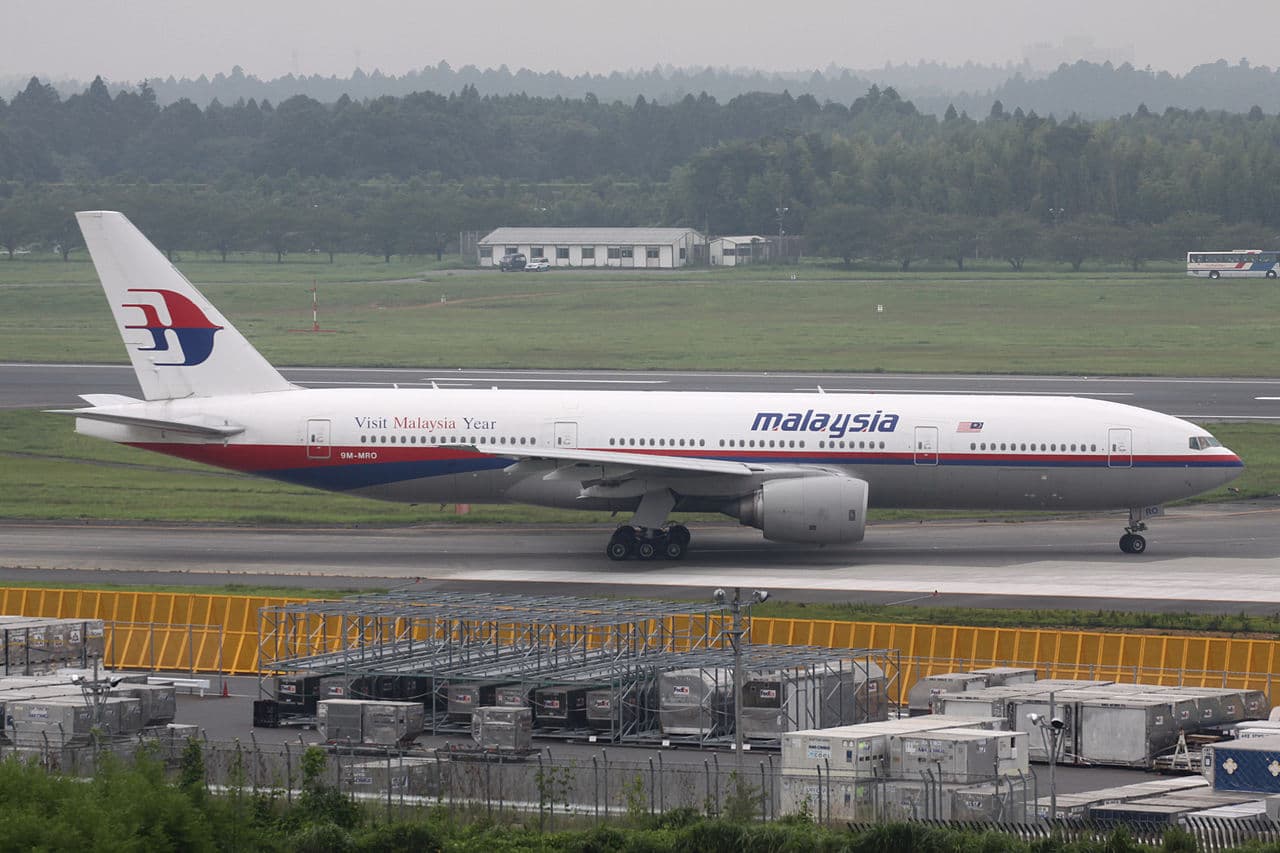
Malaysia's Civil Aviation Authority (CAAM) has opened a regulatory investigation into airport security procedures following the arrest of a Malaysia Airlines pilot in Indonesia on alleged drug smuggling charges, marking the latest development in a case that has prompted parallel investigations in both countries. The regulator announced the probe on August 2, saying it will examine whether all aviation security requirements were fully complied with before the pilot departed Kuala Lumpur International Airport (KLIA). The review will assess airline compliance with aviation security regulations as well as airport screening procedures carried out before the flight leaves Malaysia. The investigation follows an incident that began on July 28, 2026, when Indonesian customs officers detained a Malaysia Airlines pilot after the arrival of flight MH727 from Kuala Lumpur (KUL) at Jakarta's Soekarno-Hatta International Airport (CGK). Authorities allege they discovered approximately 25 kilograms of ecstasy pills and methamphetamine, equivalent to more than 70,000 capsules, concealed in the pilot's luggage. Indonesian officials estimate the seized drugs have a street value of around $10.5 million. On August 1, Malaysian police confirmed they had launched a parallel criminal investigation, reviewing CCTV footage and baggage screening records at KLIA while cooperating with Indonesian authorities. Investigators are also examining whether the case is linked to a wider cross-border drug trafficking syndicate and whether aviation routes were exploited for smuggling operations. CAAM Chief Executive Datuk Captain Norazman Mahmud said the regulator's review will determine whether all applicable security measures were followed before the aircraft's departure. He stressed that flight crew are not exempt from airport security screening and must undergo the same screening procedures as other individuals entering security-restricted areas, including X-ray inspection of cabin baggage and personal belongings, in accordance with Malaysia's Civil Aviation Security Regulations 2019 and the National Civil Aviation Security Program. The authority added that it is collecting evidence and will take enforcement action within its jurisdiction should any breaches of aviation regulations or security requirements be identified. Malaysia Airlines has said it is fully cooperating with the Indonesian investigation while conducting its own internal review.
Final Investigation Reveals Multiple Failures in Voepass Flight 2283 Crash
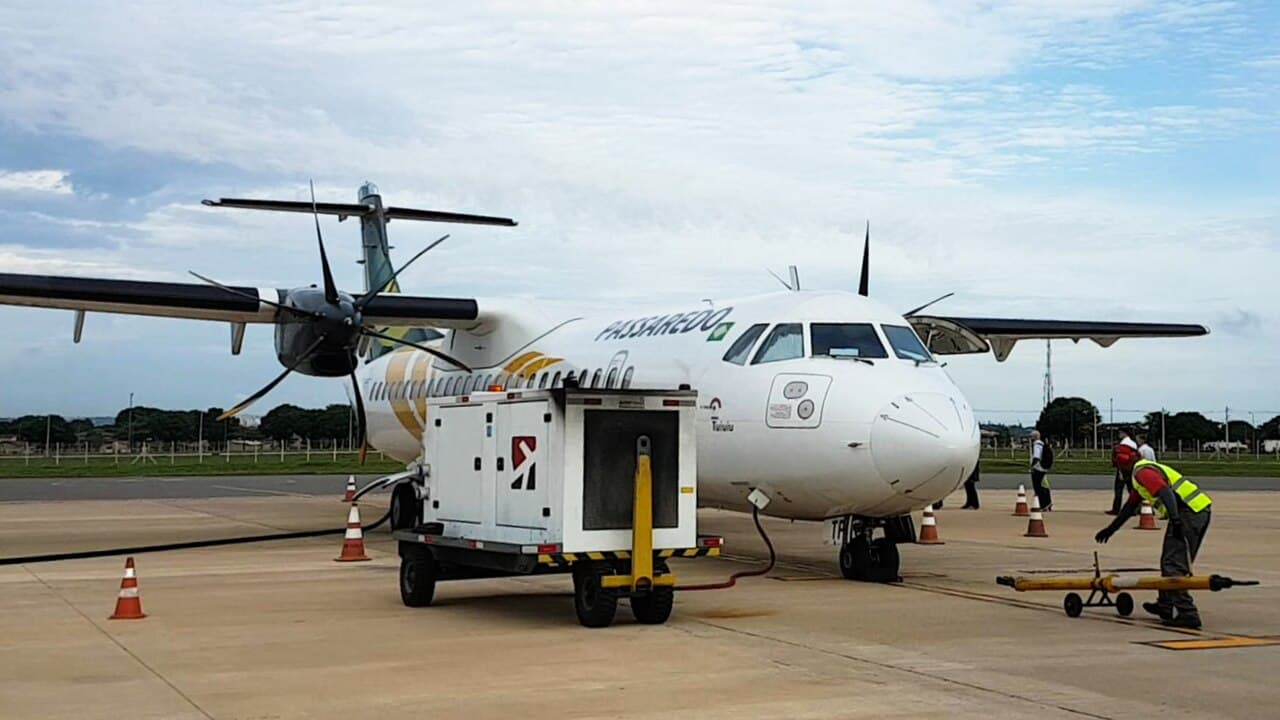
The final report on the tragic Voepass Flight 2283 accident was released on July 23, 2026. Brazil’s CENIPA (Center for Investigation and Prevention of Aeronautical Accidents) spent nearly two years examining the crash that killed all 62 people on board. ezstandalone.cmd.push(function () { ezstandalone.showAds(119); }); The document reveals a chain of failures involving severe icing, crew actions, company practices, and regulatory gaps. What Happened in the Voepass Accident On August 9, 2024, an ATR 72-500 turboprop departed from Cascavel, Paraná, heading to São Paulo’s Guarulhos Airport. The aircraft encountered severe icing conditions during cruise. ezstandalone.cmd.push(function () { ezstandalone.showAds(127); }); Ice buildup degraded its performance, causing a stall and an unrecoverable flat spin. The plane crashed in a residential area of Vinhedo, São Paulo. Sadly, none of the 58 passengers and four crew members survived. CENIPA’s 266-page report identifies 19 contributing factors. It does not blame one single cause. Instead, it shows how multiple issues combined to create the disaster. ezstandalone.cmd.push(function () { ezstandalone.showAds(128); }); Initial Accident Report Severe Icing and Aircraft Problems The report confirms the plane flew through conditions highly favourable to heavy ice formation. The airframe de-icing system was already known to have issues. Investigators found the aircraft should not have been dispatched for this flight. It operated with about 10 inoperative items, including a faulty windshield wiper—a “No-Go” item given the weather forecast. ezstandalone.cmd.push(function () { ezstandalone.showAds(129); }); Previous flights showed recurring de-icing problems. However, crews often failed to log these faults properly. This practice hid the chronic nature of the defects and delayed proper repairs. Crew Actions and Human Factors Cockpit voice recordings revealed that pilots discussed personal topics during critical phases. This distraction contributed to “inattentional blindness.” The crew received multiple alerts: ice detection warnings, “Cruise Speed Low” (sounded about eight times), and “Degraded Performance.” They recognized ice accumulation but did not exit the area promptly or follow manufacturer procedures for minimum safe speeds. When the stall occurred, incorrect control inputs worsened the situation. The report notes the de-icing system was cycled on and off during the flight. ezstandalone.cmd.push(function () { ezstandalone.showAds(130); }); Details of Preliminary Report Company Culture and Maintenance Issues A major finding points to Voepass’s organizational culture. The airline tolerated a “normalization of deviations.” Mechanics and pilots frequently avoided recording problems to keep aircraft flying and meet schedules. Analysis of over 1,200 previous flights confirmed this pattern across multiple crews. Pressure to maintain operations, staff shortages, and fatigue contributed to poor maintenance discipline. Planes were sometimes released in degraded condition. ezstandalone.cmd.push(function () { ezstandalone.showAds(131); }); Regulatory Oversight Shortcomings The report also criticizes Brazil’s civil aviation authority, ANAC. Auditors had identified maintenance and safety issues at Voepass between 2022 and 2024. While some sanctions were applied, these actions proved insufficient to eliminate the risks. Aftermath and Recommendations Following the accident, authorities suspended Voepass operations and later revoked its air operator certificate. CENIPA issued safety recommendations to the airline, ANAC, aircraft manufacturer ATR, and European regulators. These aim to improve de-icing procedures, maintenance logging, crew training, and oversight. The investigation remains technical and preventive. Separate criminal inquiries continue. ezstandalone.cmd.push(function () { ezstandalone.showAds(132); }); VOEPASS Linhas Aéreas, CC BY-SA 4.0 via Wikimedia Commons Lessons for Aviation Safety The Voepass accident final report serves as a stark reminder that disasters often result from many small failures aligning. It highlights the importance of strong safety cultures, proper maintenance reporting, and effective regulatory action. Aviation authorities worldwide can use these findings to strengthen procedures and prevent similar tragedies. Families of the victims and the industry now hope the recommendations lead to real change. Safety must always come before schedules and profits. ezstandalone.cmd.push(function () { ezstandalone.showAds(133); });
The Daily Touch & Go
The day's best aviation news in your inbox. Free, no spam.