

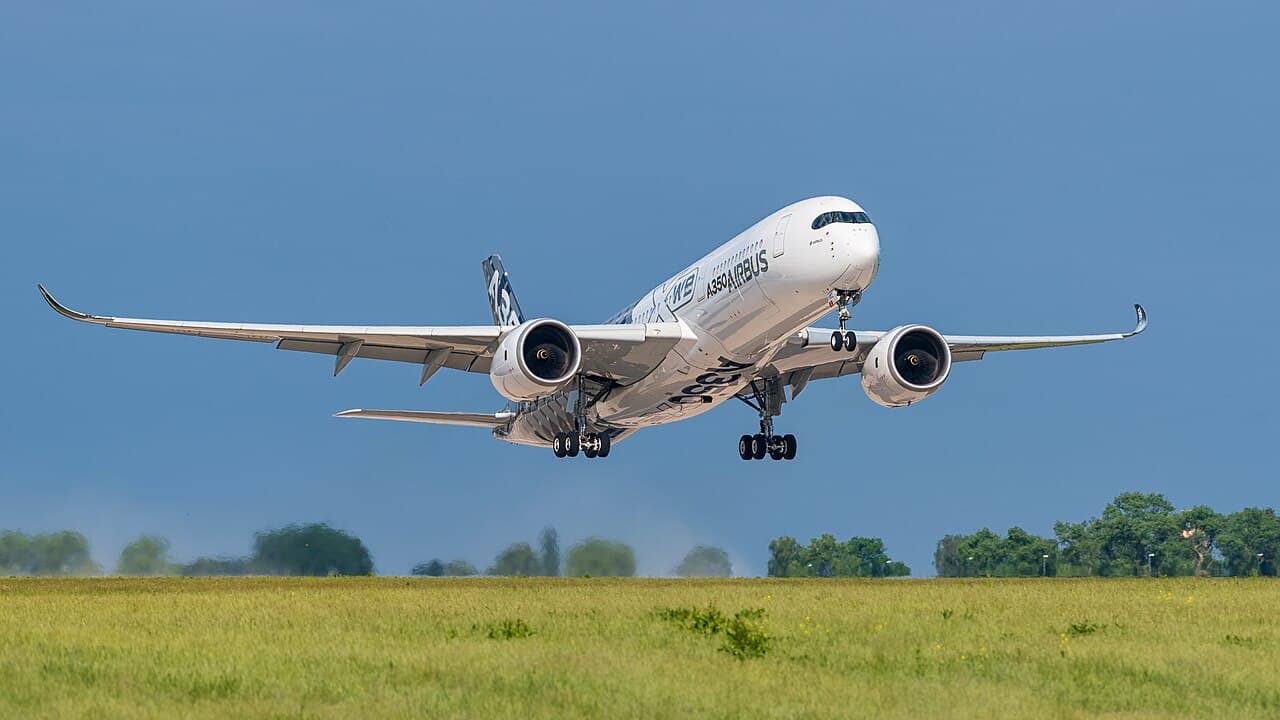
Image: Julian Herzog ( Website ) · CC BY 4.0 · via Wikimedia Commons
Global Widebody Aircraft Shortage Grows Amid Boeing, Airbus Production Delays
Demand for widebody jets is outpacing supply as key models from Boeing and Airbus face production slowdowns and backlog delays, constraining airline fleet expansions.
The gist
Airlines face a widening shortage of widebody aircraft as Boeing and Airbus struggle to keep up with soaring demand due to production and supply chain issues.
Continuing coverage
All Boeing 777x →- Boeing 777X's Folding Wingtips Prevent Airport Bans Like Airbus A380 Faced
- Boeing 777-9 Program Hits 4,800 Test Hours as Seventh Plane Begins ETOPS Trials
- Emirates anticipates Boeing 777X stretch variant as it awaits delayed 777-9 delivery
- Airbus A350 Freighter Emerges as Significant Competitor to Boeing in Large Cargo Market
- Boeing 777X Delays Cost Exceed Entire Airbus A350 Development
The post-pandemic aviation market is experiencing a critical shortage of widebody aircraft as demand surges faster than manufacturers can supply new planes. Boeing and Airbus, the dominant players in the widebody segment, are unable to ramp up production sufficiently due to a combination of operational, supply chain, and certification challenges. This has forced airlines to delay fleet renewals and limit expansion plans despite a rebound in travel demand worldwide.
Airbus currently produces two widebody models—the A330neo and the A350—while Boeing offers the 787 Dreamliner family and the 777 series, including the yet-to-be-delivered 777X variants. Both manufacturers grapple with sizeable backlogs: Airbus has 298 A330neos and 870 A350s on order, while Boeing faces 1,145 unfilled 787 orders alongside 657 777X and 41 777F remaining deliveries. With production rates capped, these backlogs extend delivery timelines well into the 2030s.
Production rates themselves reveal the supply bottleneck. Airbus maintains a monthly output of four A330neos, planned to increase to five only by 2029. The A350 was targeted at ten per month by 2026 but currently operates at only six due to supply constraints, with expectations to reach a monthly output of 12 in 2028. Boeing is producing eight 787s per month with aims to push to ten and possibly 16 in the future. The 777 line operates at three to four units monthly, hampered further by the 777X's development delays.
The genesis of these production struggles lies partly in the COVID-19 pandemic, which disrupted supply chains and reduced workforce availability, especially among key component suppliers. Raw material shortages compound the difficulties. Airbus's A350 production is notably impacted by issues at its former Spirit AeroSystems facility in North Carolina, which supplies critical center fuselage and wing components, leading to transition pains and staffing shortages. These factory-level problems cascade into entire program slowdowns, including the newly developed A350F freighter variant encountering manufacturing hurdles with its cargo door.
Boeing's 787 program suffered quality control challenges reducing output to four aircraft monthly in 2024, though it has stabilized production at eight units and is establishing a second final assembly line to increase capacity. The 777X, a vital program for Boeing's widebody future, has missed multiple milestones, with maiden service pushed to 2027. This delay has frustrated major customers such as Emirates, Qatar Airways, and Cathay Pacific, who rely heavily on the aircraft as a future fleet flagship. Emirates alone has ordered 235 777-9s and expected over 100 delivered by now but currently holds none.
The delayed 777X deliveries compel customers to extend operations of older widebodies. Emirates continues flying early-generation 777s, and Lufthansa has retained 747-400s longer than planned. Further complications arise from Boeing needing to retrofit more than 30 assembled 777-9s to current production standards, leading to rejected deliveries and extended timelines for airlines. Early units require costly rework, contributing to customer dissatisfaction and added delays in expanding capacities.
Beyond airframe production, suppliers of key cabin components further slow widebody aircraft induction. Seat manufacturers, particularly those producing complex business and first-class configurations, face certification delays and supply chain problems. Lufthansa's Allegris business class, supplied by Collins Aerospace, encountered significant setbacks, arriving without certain premium seat offerings. Air India and Air New Zealand have redirected seat sourcing due to supply delays, highlighting the ripple effect through airlines' interior refurbishments and cabin rollout plans.
Certification processes for new premium cabins have grown more stringent and complex, complicating seat deliveries and installation schedules. Such bottlenecks partially explain Lufthansa's inability to certify all Allegris business class seats on its 787s and impact similar configurations on long-range narrowbodies, stalling launch dates and limiting full service capabilities. These challenges illustrate the interlinked production and regulatory hurdles manufacturers and suppliers face under increased product complexity and evolving aviation safety standards.
The scarcity of new widebodies has subtly reshaped airline strategies. Reports indicate United Airlines once pondered acquiring early-production 777-9 aircraft to fill fleet gaps sooner despite the type not fitting seamlessly within its existing lineup. Although United eventually hesitated, the consideration exemplifies the growing tension in securing widebody jets amid manufacturing constraints, pushing carriers toward used markets or leased options to sustain network growth in a recovering global travel environment.
Frequently asked questions
- Which widebody aircraft models are currently available from Boeing and Airbus?
- Airbus offers the A330neo (in -800 and -900 versions) and the A350 (-900 and -1000 variants), while Boeing produces the 787 family (787-8, -9, -10) and the 777 family, including the 777F and 777X variants, although the 777X is not yet in service.
- What are the main reasons for widebody production delays at Boeing and Airbus?
- Delays stem from supply chain disruptions, workforce shortages—particularly after COVID-19 disruptions—quality control issues, component manufacturing challenges, and certification difficulties, especially affecting cabin interiors and aircraft like the Boeing 777X and Airbus A350.
- How are airlines coping with the shortage of new widebody aircraft?
- Airlines are forced to extend the service life of older widebody planes, delay fleet renewals, explore leasing or used aircraft markets, and at times consider early or imperfect delivery options to meet demand amid manufacturer backlogs and production constraints.
Read more
All Airlines →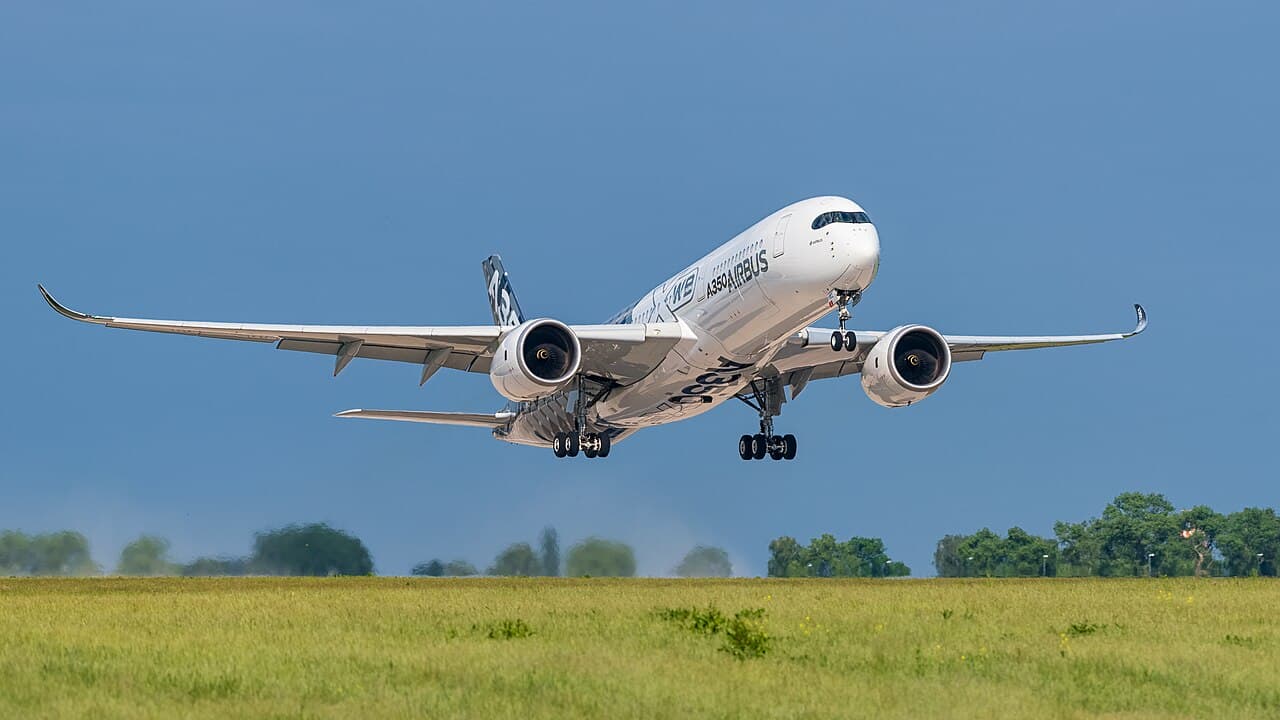
Airbus A350 Business Class Narrows Gap on First Class Value Despite Price Premium
The Airbus A350 has become one of the world's premier long-haul airliners, serving flagship routes for airlines across Europe, Asia, the Middle East, and North America. Alongside its quieter cabin, lower cabin altitude, higher humidity levels, and wider fuselage, the aircraft has also become a showcase for some of the aviation industry's most advanced premium cabins.
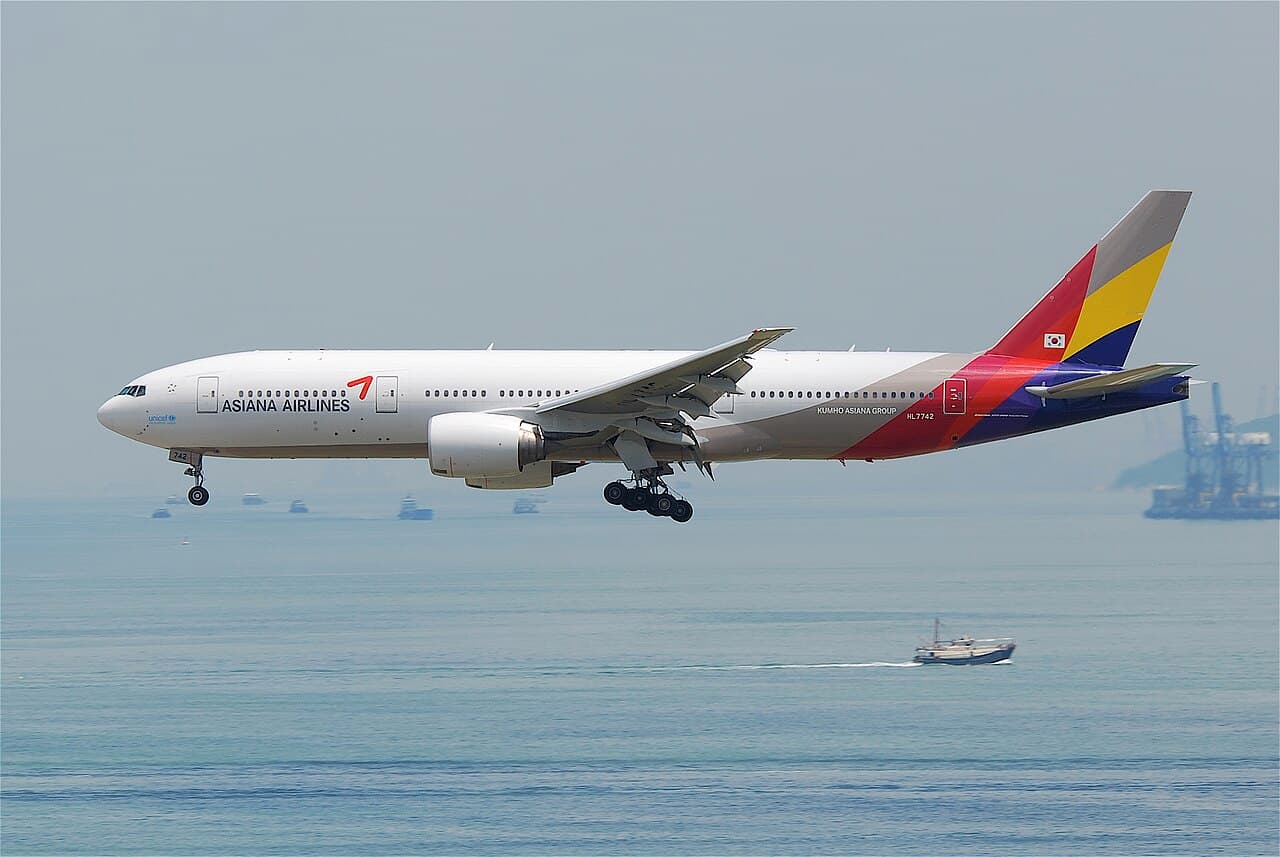
Boeing 777-300ER Revolutionized Long-Haul Air Travel with Twin-Engine Efficiency
The 777 succeeded Boeing's first widebody twinjet, the 767 , and showed the world just how great the platform could be for both the economics of the notoriously volatile flying business and the satisfaction of flyers. The success of the 777 series directly contributed to the end of its larger quadjet predecessor, the 747.
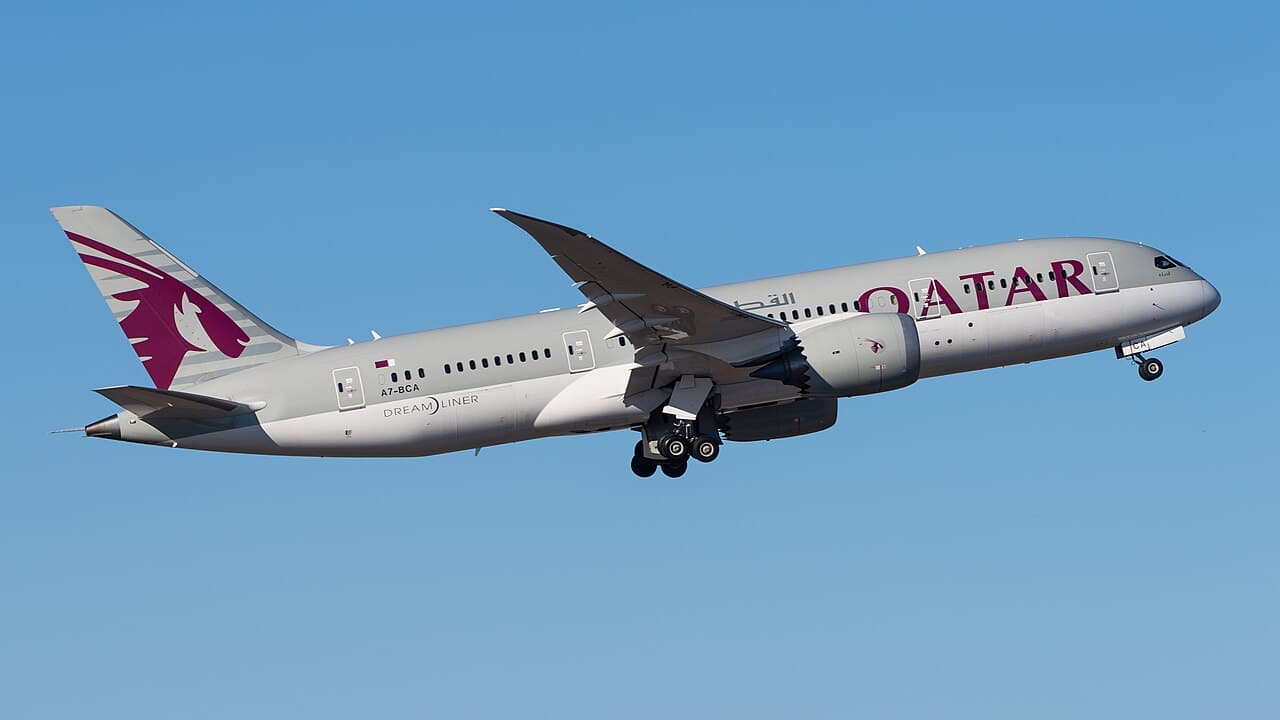
Study Finds GEnx-Powered Boeing 787-10 Leads Widebody Fuel Efficiency Among 14 Competitors
An Aircraft Commerce study comparing 14 widebody aircraft-engine combinations across five routes found that the GEnx-powered Boeing 787-10 produces the lowest fuel burn per available seat mile of any widebody configuration currently in service. The finding ranked the 787-10/GEnx ahead of the same aircraft with Trent 1000 engines, ahead of both A350 variants, and ahead of every older widebody type including the 777-200ER, 777-300ER, and 747-400.
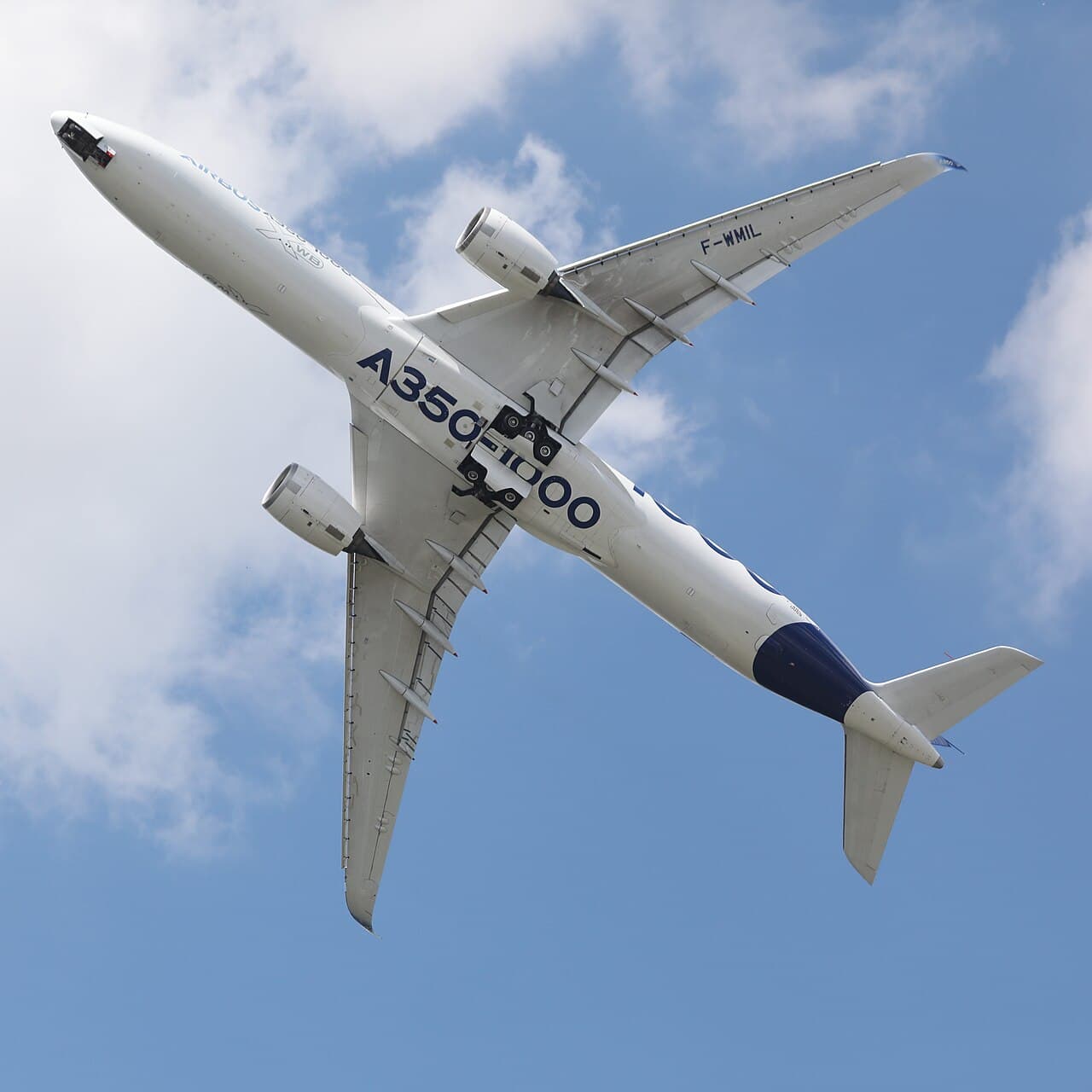
Boeing 777-9 challenges Airbus A350-1000 dominance in long-haul widebody market
When the Boeing 777-9 finally enters commercial service, it will become the largest twin-engine airliner ever built. By then, however, its main rival will already have spent nearly a decade carrying passengers, building a global customer base, and proving itself on some of the world's longest routes. That unusual timing means the contest between the 777-9 and Airbus A350-1000 is not about which widebody aircraft is better on paper. It is about whether Boeing's larger, higher-capacity design can overcome Airbus' years-long operational head start.
The Daily Touch & Go
The day's best aviation news in your inbox. Free, no spam.