


Deliberate Crash Into Beijing Tower Kills Pilot and Injures 13
Authorities in China confirm that the fatal crash of an Aurora SA60L into Beijing's tallest skyscraper was intentional, resulting in one death and multiple injuries.
The gist
Beijing tower collision by Aurora SA60L pilot ruled deliberate, killing the pilot and injuring 13 others.
Chinese authorities have determined that the recent crash of an Aurora SA60L aircraft into Beijing’s tallest skyscraper was a deliberate act. The incident resulted in the death of the 66-year-old pilot and caused injuries to 13 people on the ground or within the building. This confirmation follows investigations into the unusual circumstances surrounding the aircraft's impact with the urban structure.
The Aurora SA60L, a light single-engine aircraft, struck the skyscraper, which represents a major landmark in Beijing's skyline, underscoring both the severity and unusual nature of the event. Emergency response teams quickly attended to those injured, and the area around the tower was secured to prevent further harm. Details about the extent of the building damage have not been fully disclosed, but the event has raised concerns over aviation safety near dense urban areas.
This incident adds to a growing number of cases worldwide where small aircraft have been involved in deliberate crashes, prompting authorities to reconsider security measures involving general aviation pilots. The pilot’s motivations remain under investigation, but the official statement from Chinese authorities has clearly labeled the crash as intentional rather than accidental.
The crash has reignited discussions on the regulation and monitoring of private and recreational aircraft operations in close proximity to major urban centers. Beijing’s status as a global city with heavy air traffic makes it imperative for aviation and city planning authorities to enhance safeguards against similar future incidents.
Moving forward, the findings from this investigation may lead to changes in policy regarding pilot mental health screening, flight restrictions near critical infrastructure, and increased surveillance of small aircraft activities around metropolitan areas. Aviation safety experts worldwide are likely to scrutinize this case as a cautionary example of the risks posed by deliberate aircraft misuse.
Read more
All Aviation Safety →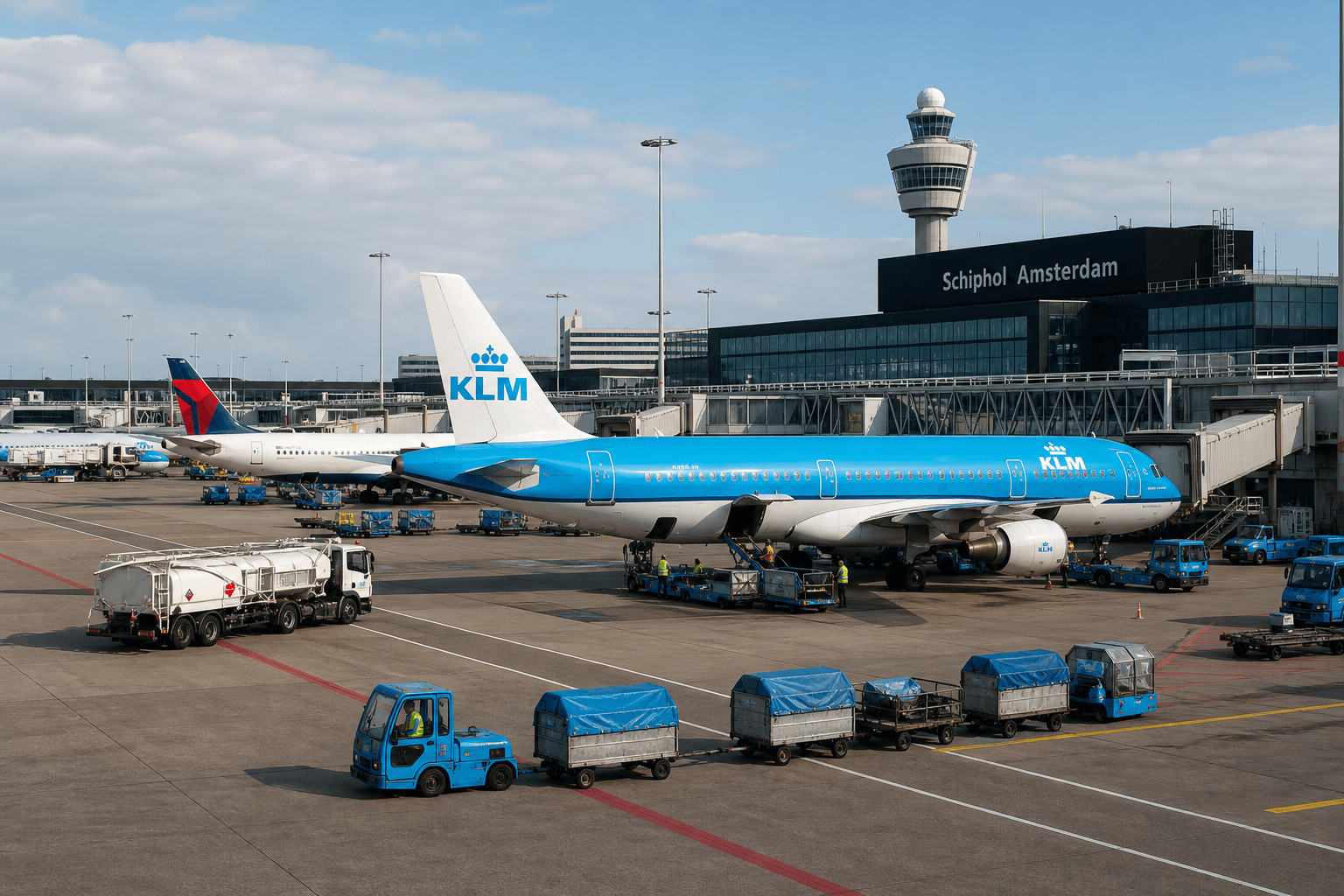
Amsterdam Schiphol to Cut Ground-Handling Firms by Half to Boost Service Quality
Three companies selected in bid to address underlying structural issues and improve service efficiency at Dutch hub. Amsterdam Schiphol airport's operator is halving the number of ground-handling providers from next year, having selected three companies for its new handling model. KLM, Dnata and Viggo have been chosen to remain, from the current six operating at…

Pacific Aerospace P-750XL crashes in Missouri shortly after takeoff, killing pilot and 11 skydivers
Pilot and 11 parachutists did not survive accident which occurred moments after take-off from Missouri airport. Surveillance video shows that a Pacific Aerospace P-750XL skydiving aircraft, which crashed on take-off from Butler Memorial airport, had gradually started banking left until its wings were perpendicular to the ground. The aircraft, with a pilot and 11 skydivers…

Jenny Blalock's Fatal Crash Highlights Critical Gaps in Aviation Safety for Aerial Filming
Death of Jenny Blalock provides safety lessons hidden in a preventable accident.

FAA to Mandate 5G-Compatible Altimeter Upgrades with Cellular Industry Rebate Support
The FAA intends to pass an altimeter update mandate this summer, but aircraft operators could get rebates for the expense. The Federal Aviation Administration will soon issue another rule requiring all radio altimeters on US aircraft be updated to prevent interference from 5G transmissions, though cellular companies are likely on the hook to help foot…
The Daily Touch & Go
The day's best aviation news in your inbox. Free, no spam.