

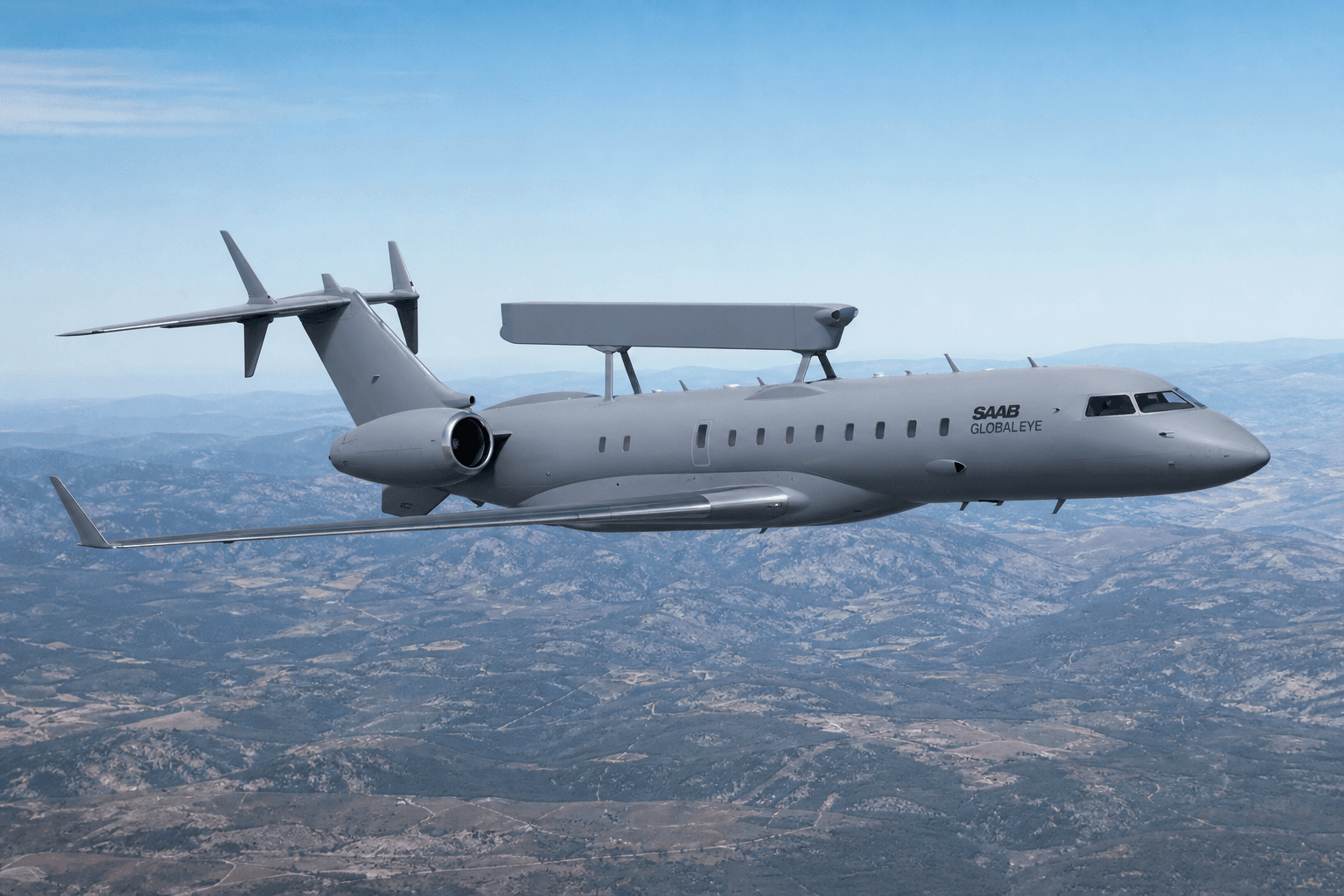
Illustration: The Touch & Go
NATO to replace Boeing E-3A AWACS fleet with Saab GlobalEye aircraft
NATO is set to announce plans to retire its Boeing E-3A Sentry AWACS in favor of Saab GlobalEye surveillance planes during a summit in Ankara.
The gist
NATO plans to upgrade its AWACS fleet by replacing Boeing E-3A aircraft with Saab GlobalEye surveillance planes.
NATO is preparing to phase out its aging Boeing E-3A Sentry airborne early warning and control system (AWACS) aircraft, replacing them with Saab GlobalEye surveillance platforms. This decision is expected to be officially announced during the upcoming NATO summit in Ankara, signaling a significant modernization in NATO's airborne surveillance capabilities.
The Boeing E-3A Sentry fleet has been a cornerstone of NATO's air surveillance and command operations for decades. However, with advancing technologies and evolving defense needs, these aircraft have become increasingly outdated. The Saab GlobalEye offers enhanced sensor suites, multi-mission flexibility, and extended operational range, making it a suitable successor to meet current and future NATO requirements.
The selection of the Saab GlobalEye marks a shift towards more technologically advanced and versatile platforms for NATO’s early warning and control missions. This aircraft integrates an advanced radar system capable of maritime, airborne, and ground surveillance simultaneously, which improves situational awareness over NATO’s wide operational areas.
This transition is part of NATO's broader initiative to strengthen collective defense postures and adapt to emerging threats. Modernizing the AWACS fleet ensures that NATO maintains its strategic edge in airspace monitoring, target detection, and command and control functions crucial for coordinated allied responses.
The announcement in Ankara will likely outline timelines for phasing out the Boeing E-3A and deploying the Saab GlobalEye aircraft. Observers anticipate this upgrade will enhance interoperability within NATO forces and support more efficient mission planning and execution across member states.
Looking ahead, the integration of Saab GlobalEye into NATO’s fleet represents a major step in refreshing the alliance's airborne assets. How NATO manages the transition and operational deployment of these new platforms will be closely watched by defense analysts and member countries alike.
Read more
All Military/Defense →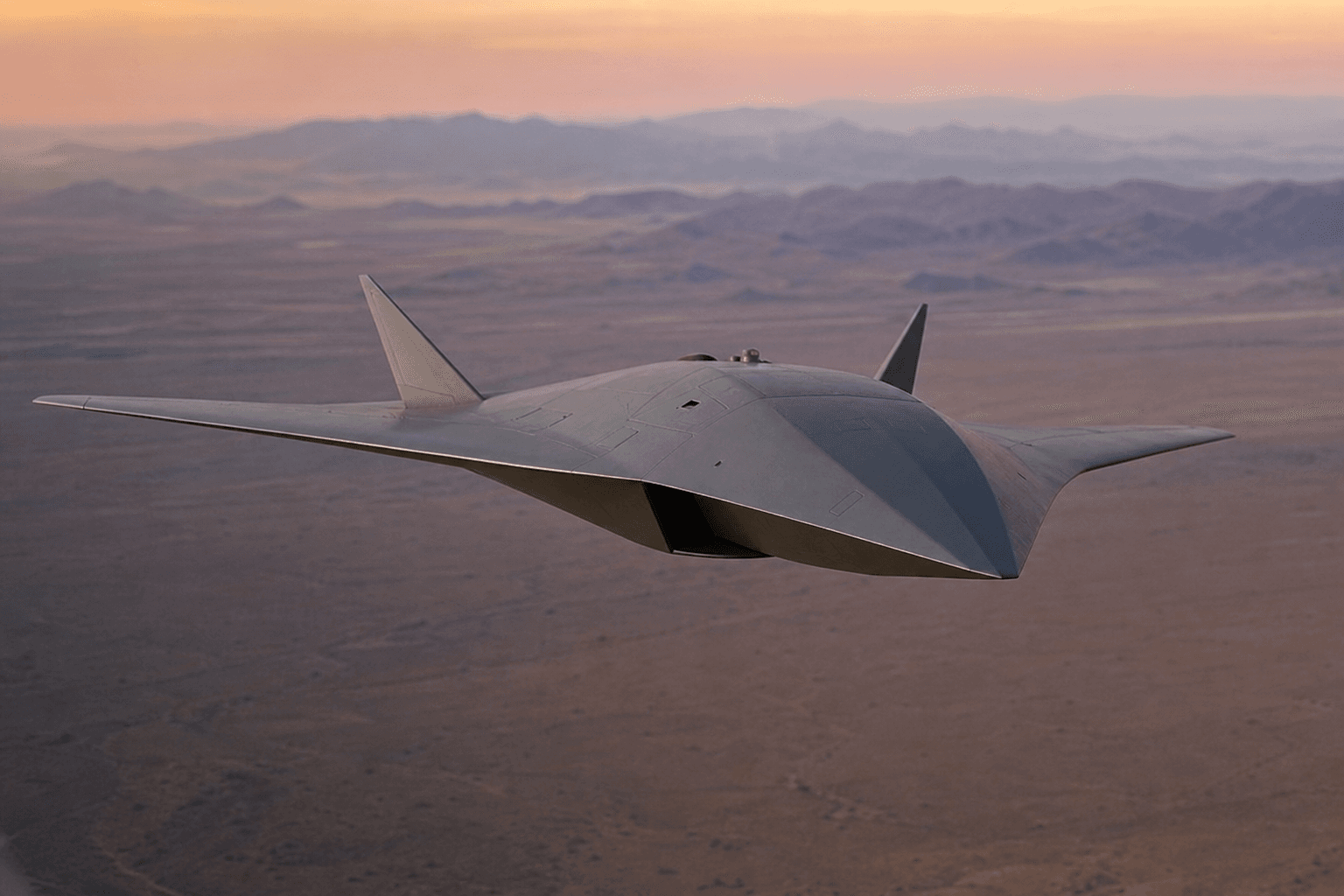
Military Drone Innovation Surges as Global Powers Accelerate Development
Global Aviation Round-Up from Aircraft Value Intelligence (AVN) Editor’s Note: To watch a concise video version of this article, click here. If anyone still doubted that drones have become a […]

VC-25A retires after 35 years, making way for Boeing 747-8 Air Force One debut
The world has been so focused on the new/interim/'bridge' Boeing 747-8 Air Force One and its journey to entering service that many failed to think about how it would spell the end for the VC-25As in their long-running role in transporting the president.
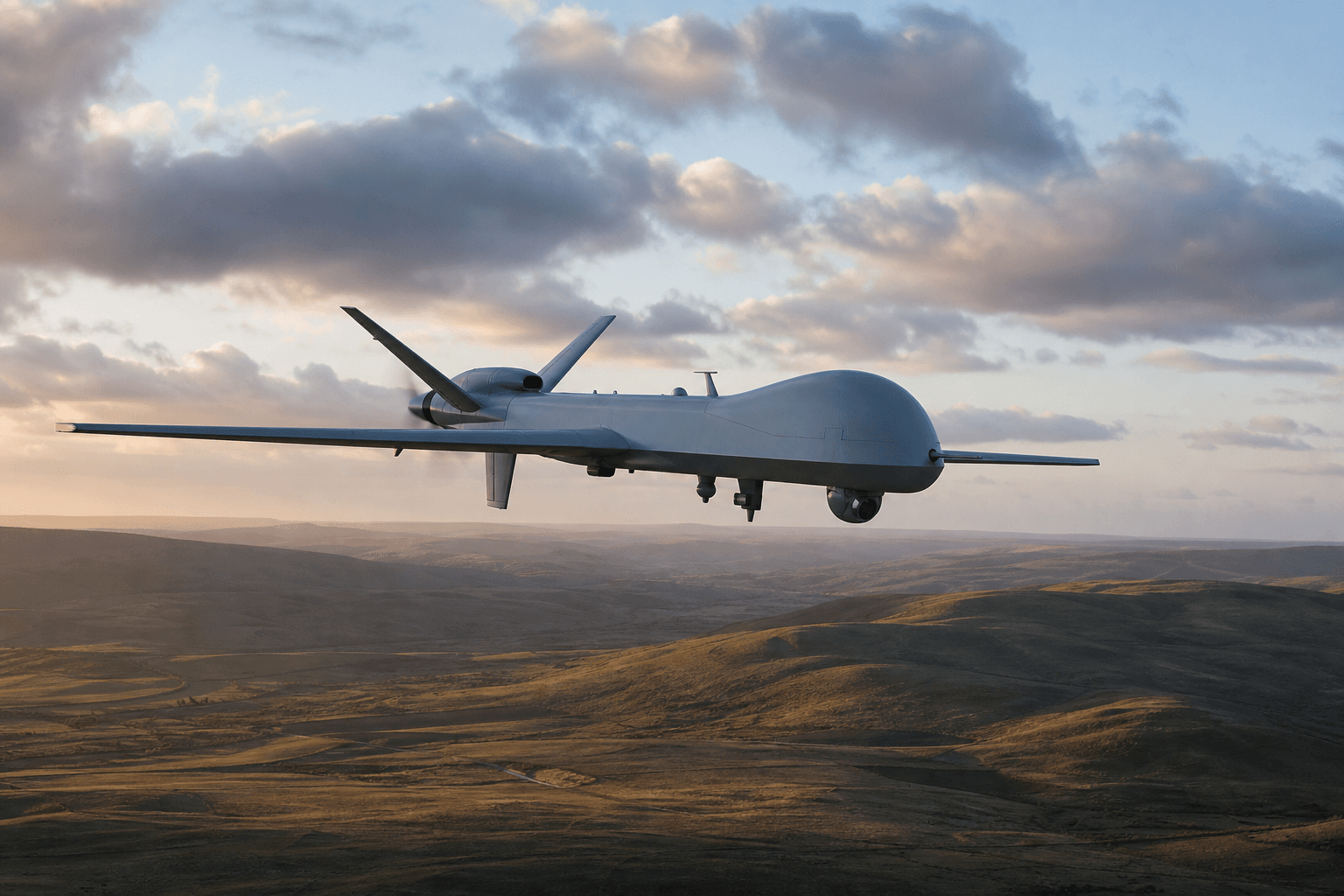
UK to deploy up to 24 new surveillance drones to succeed Army Watchkeepers by decade's end
New uncrewed aircraft will replace obsolete type. The UK will field a replacement for its Watchkeeper remotely piloted aircraft by late this decade, according to its newly published Defence Investment Plan (DIP). Detailing its spending for the remainder of this decade, the Ministry of Defence says it will invest £310 million ($414 million) "in the…
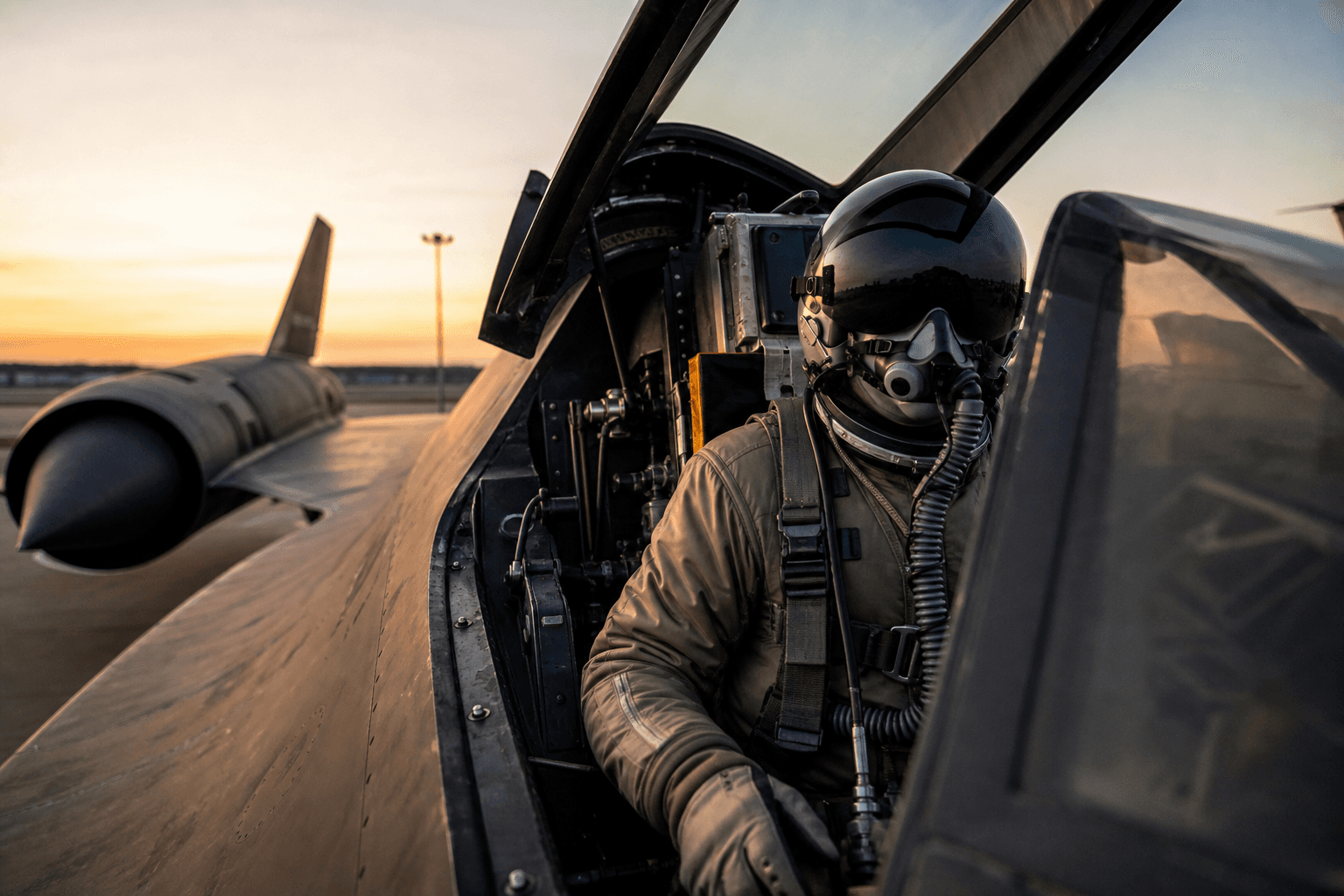
SR-71 Blackbird Pilots Underwent Astronaut-Style Training Before Flights
The SR-71 was one of the most extreme airplanes ever built and forced pilots to often train and prepare more like astronauts than typical pilots.
The Daily Touch & Go
The day's best aviation news in your inbox. Free, no spam.