


FAA restricts select US aircraft operations in Canada over 5G interference concerns
Starting 1 July, certain US transport aircraft face operational limits in Canada due to 5G signal interference risks, per FAA airworthiness directives affecting about 1,000 planes.
The gist
US FAA restricts some aircraft operations in Canada from July 1 amid 5G interference safety concerns.
The US Federal Aviation Administration (FAA) has announced operational limitations for certain US-registered transport aircraft when flying in Canada, effective from 1 July. This move follows safety concerns about potential interference from 5G cellular signals affecting aircraft systems near Canadian airports. The FAA issued multiple airworthiness directives (ADs) on 30 June to address these risks, impacting roughly 1,000 US-registered aircraft.
The specific focus lies on aircraft using radio altimeters, which can be vulnerable to interference from the 5G C-band spectrum newly activated in proximity to many Canadian airports. The FAA's directives outline flight restrictions and procedural adjustments to mitigate these risks, aiming to preserve safe landing and low-altitude operations in affected Canadian airspace. Operators must comply with these directives when planning cross-border flights involving these aircraft types.
Background concerns about 5G interference surfaced as Canadian telecom companies began deploying enhanced cellular networks using frequencies close to those used by aviation safety equipment. The FAA’s precautionary directives mirror cautious steps taken by other authorities globally, emphasizing the critical importance of maintaining integrity in avionics relying on precise radio altimeter data.
This development impacts a segment of the US corporate and commercial transport fleet that regularly operates north of the border. While the FAA has not banned these flights outright, the imposed restrictions are designed to prevent unsafe scenarios potentially caused by 5G signal interference with key navigation and landing systems.
The long-term resolution of this issue will depend on ongoing coordination between aviation regulators, aircraft manufacturers, and telecom providers to establish robust technological and regulatory safeguards. For now, operators need to adjust their flight planning to comply fully with the FAA's directives, ensuring the continued safety of flights between the US and Canada.
Industry observers will closely monitor how these restrictions affect operations and whether further adjustments arise as 5G deployment evolves. The FAA’s actions underscore the delicate balance between advancing telecommunications infrastructure and preserving critical aviation safety functions.
Read more
All Aviation Safety →
New Training Approaches Aim to Remove Risk from Impossible Turn in General Aviation
In the high-stakes cockpit environment, the margin between safety and disaster is measured in seconds and feet.
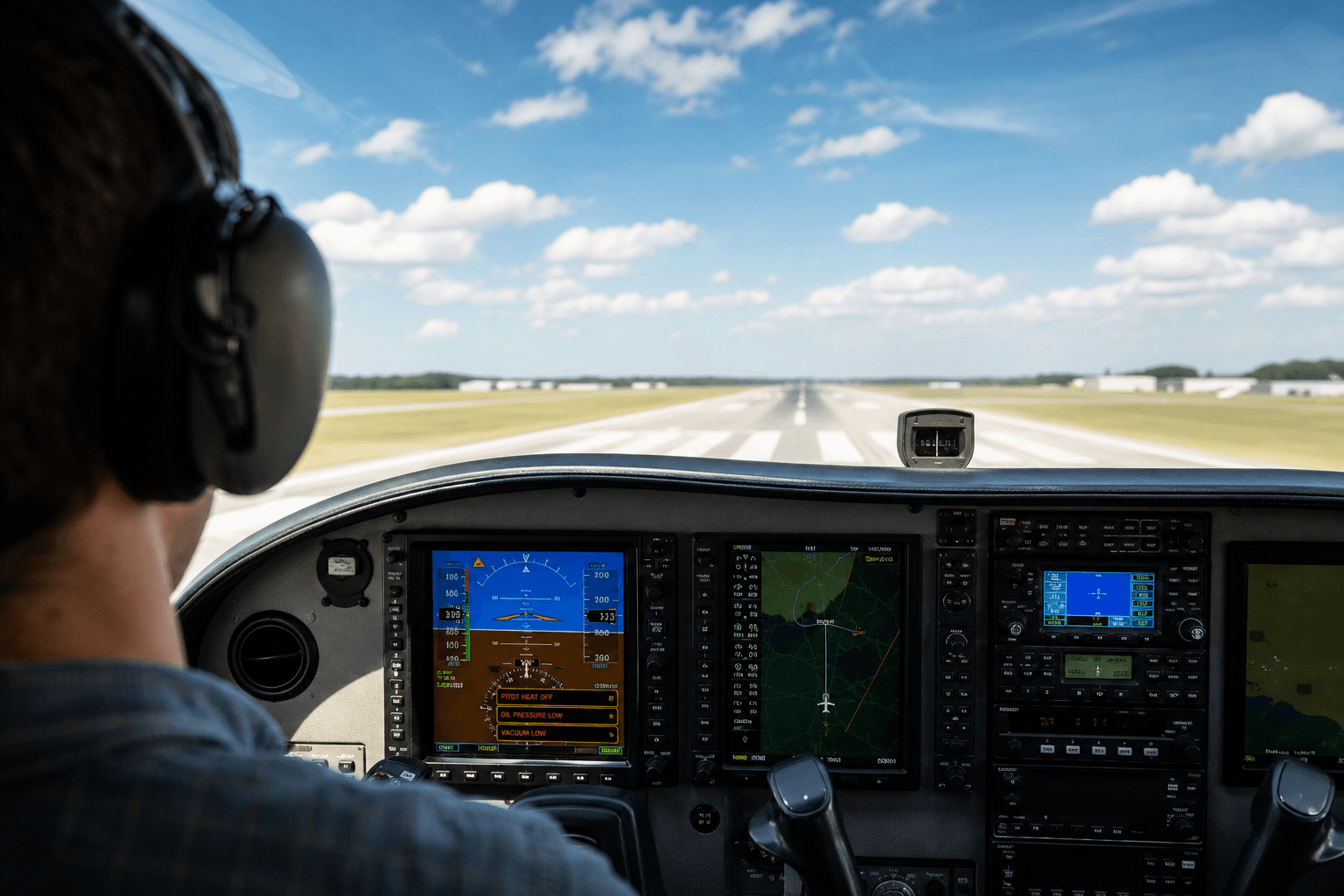
New cockpit systems aim to prevent 'impossible turn' accidents in general aviation
In the high-stakes cockpit environment, the margin between safety and disaster is measured in seconds and feet.
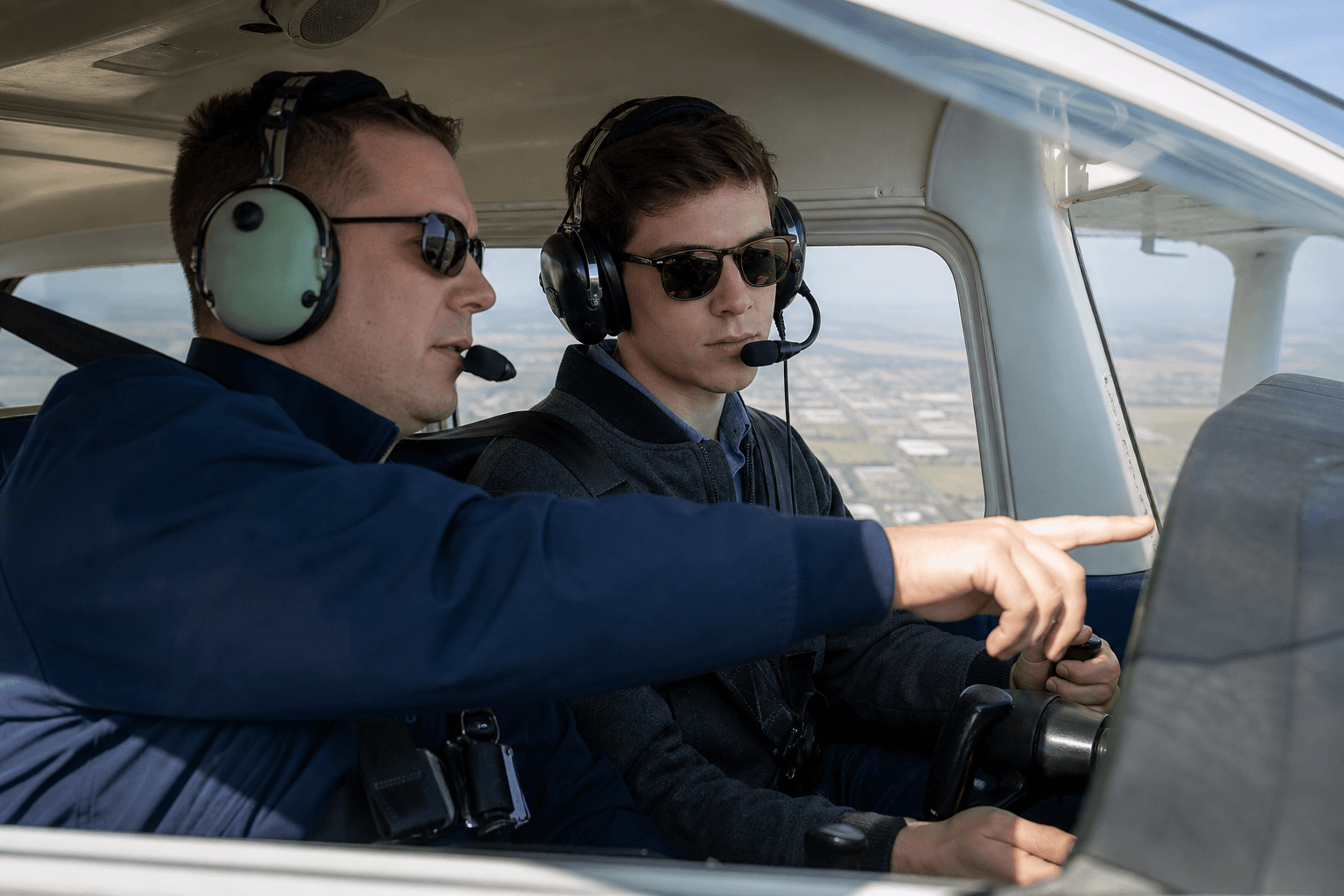
Flight Instructor Candidates Learn Crucial Laws of Learning to Enhance Training Safety
Flight instructor candidates are typically taught a few fundamentals of education theory, including the laws of learning: readiness, exercise, effect, primacy, intensity, and recency.
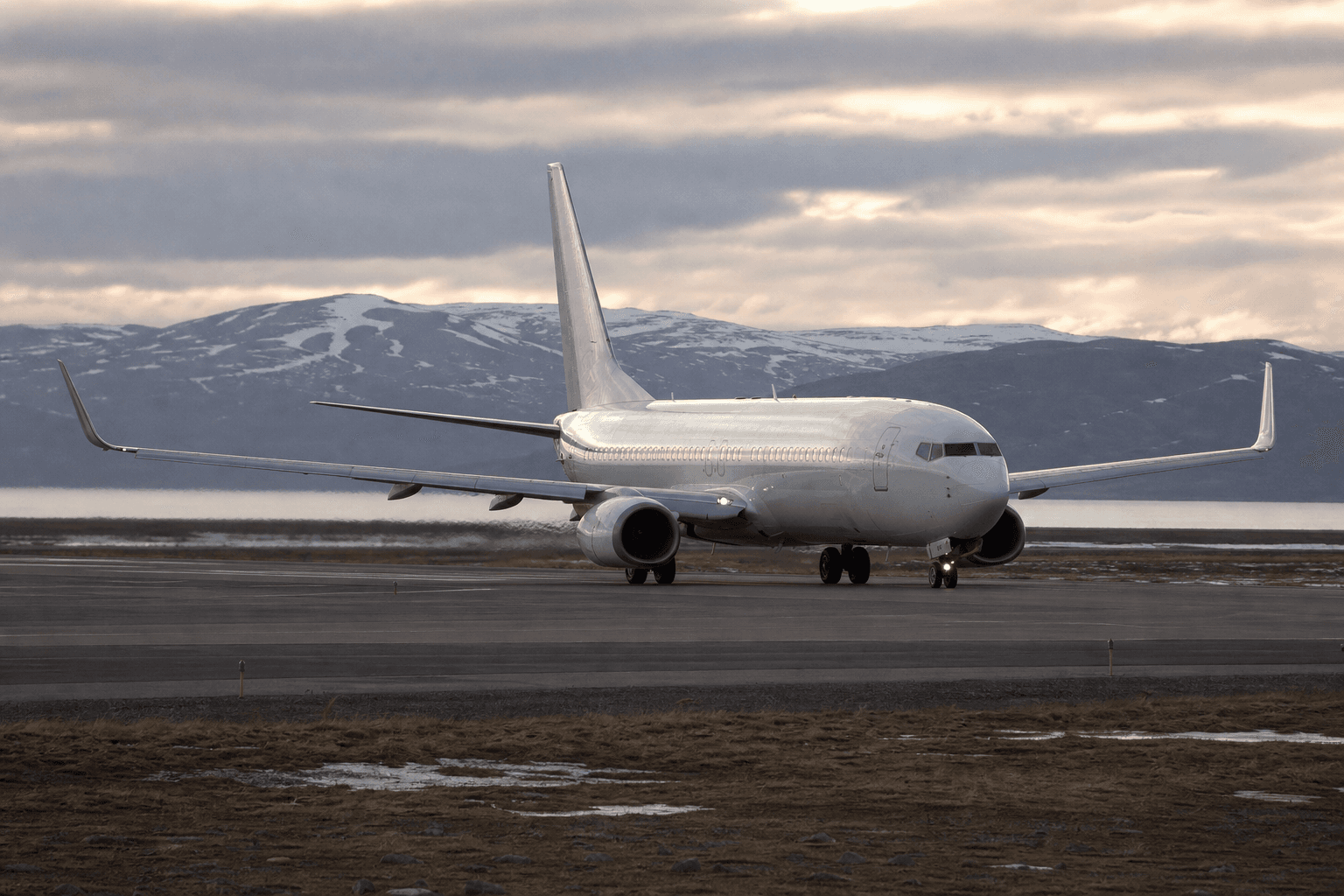
S7 Airlines Boeing 737-800 overruns Mirny runway days after first officer landing ban
S7 Airlines' Boeing 737-800 overran the runway at Mirny just days after the carrier restricted first officers from landing aircraft.
The Daily Touch & Go
The day's best aviation news in your inbox. Free, no spam.