

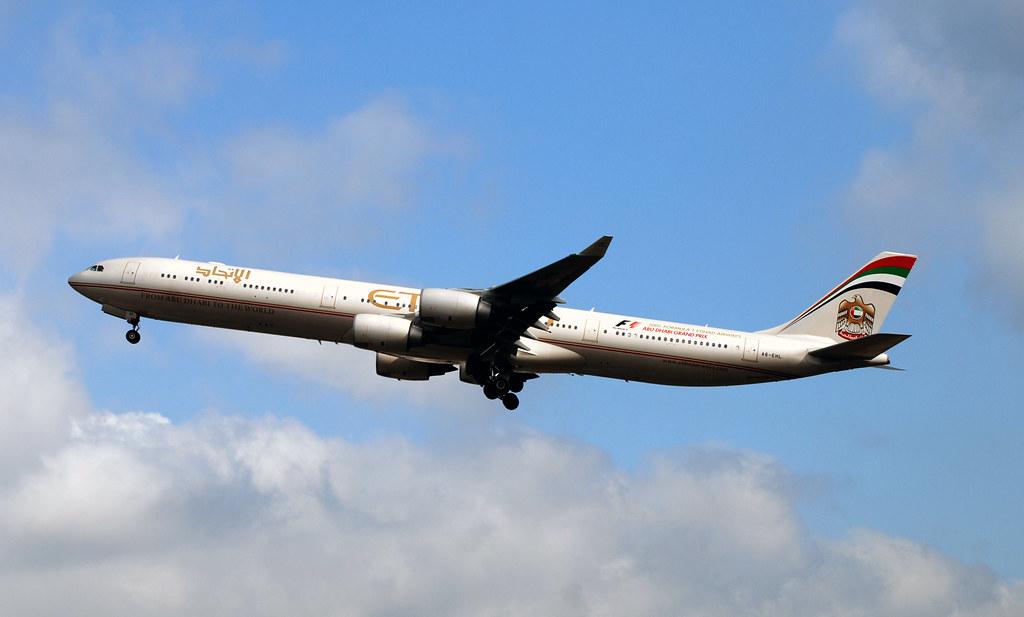
Image: allenthepostman · CC BY-SA 2.0 · via Wikimedia Commons
Gulf Carriers Extend Saudi Suspensions as Houthi Drones and Missiles Target the Kingdom
Etihad, Flydubai, Air France and ITA Airways have pushed back returns to Riyadh after a fresh wave of attacks on Saudi Arabia, Kuwait and Bahrain, while EASA extended its Gulf airspace advisory to January 2027.
The gist
Airlines are extending Riyadh suspensions into late November and 2027 as attacks on Saudi Arabia continue and EASA keeps its Gulf warning through January.
Continuing coverage
All Etihad →Airlines across the Gulf and Europe have extended their suspensions of flights to Saudi Arabia after a new round of drone and missile attacks on the kingdom and its neighbours this week. Etihad Airways has cancelled flights between Abu Dhabi and both Riyadh and Dammam through Monday, 30 November, and Flydubai's services to Riyadh and Abha remain suspended until Friday, 27 November. Air France and ITA Airways have pushed their return to Riyadh back to January 2027.
Saudi Arabia's Civil Defense issued 15 emergency alerts across the country over two days as Iran-backed Houthis launched drones and missiles at the kingdom. On Thursday, 19 November, multiple missiles and drones were fired at Saudi Arabia, and falling debris in Riyadh's financial district damaged the headquarters of the sovereign wealth fund. Authorities said every attack was intercepted, and no casualties have been reported. A day earlier, Kuwait's air defences responded to a drone attack in the early hours, and emergency alerts sounded in Bahrain after Iran's Islamic Revolutionary Guard Corps launched drones at that kingdom.
The attacks add to weeks of disruption for Saudi aviation. Riyadh's King Khalid International Airport has been repeatedly targeted since early October, and strikes on airports and other infrastructure have caused deaths, injuries and widespread cancellations. Several tankers have also been struck in the Strait of Hormuz over the past seven days. The UK Foreign, Commonwealth and Development Office warns that King Khalid International remains at risk of further attacks and advises British nationals wanting to leave Saudi Arabia to consider travelling overland to a neighbouring country before flying onward. It advises against all but essential travel to the kingdom and against all travel within 10km of the Yemeni border, while the US embassy in Riyadh issued a renewed security alert on 10 November.
The European Union Aviation Safety Agency has extended its conflict zone advisory for the Gulf, telling airlines to avoid airspace over the waters of the UAE, Bahrain, Kuwait, Oman and Qatar until 31 January 2027. Separately, US sanctions on Iran's civilian air fleet led the UAE's General Civil Aviation Authority to suspend all flights operated by Iranian airlines.
Gulf carriers are rebuilding their networks unevenly. Emirates said it now serves 140 destinations in 72 countries, 98 per cent of its previous global network, with more than 1,300 weekly flights, about 93 per cent of pre-war capacity. Riyadh flights are still being cancelled, though Emirates is flying to Jeddah and Medina. The airline is allowing unlimited free date changes and offering travel insurance that covers conflict-related expenses, a free 30-day trip extension and airline-managed hotel stays. Etihad is serving more than 90 destinations, with all Saudi routes other than Riyadh and Dammam operating, and tickets issued on or after 6 March 2026 for travel up to 31 March 2027 can be changed once without a rebooking fee.
Qatar Airways said it now flies to more than 160 destinations, 85 per cent of its pre-war network, including multiple daily flights to Dubai. It has resumed Dammam and Riyadh but cut Jeddah from seven daily flights to four, and flights to Abha and Taif remain suspended with no published restart date. Flydubai is running a reduced schedule, with some flights taking longer because of rerouting. It resumed Dammam on 10 November, though that route has seen delays and cancellations, and Riyadh and Abha bookings will not open until Saturday, 28 November. Its flights to Jeddah, Madinah, Tabuk, Taif, Gassim and Ha'il have been operating.
Bahrain's Gulf Air has restored its network to 75 per cent of pre-war capacity, flying to more than 50 destinations, but has suspended flights to Saudi Arabia. Air Arabia is operating from Sharjah, Abu Dhabi and Ras Al Khaimah to destinations including Vienna, Athens, Cairo, Kathmandu, Muscat, Islamabad, Jeddah and Bangkok. Some Sharjah-Saudi services remain disrupted, though Dammam, Riyadh, Gassim, Ha'il, Jeddah, Madinah and Tabuk were listed as operating.
European and Asian carriers are moving at different speeds on Dubai. British Airways resumed daily Heathrow-Dubai flights on 3 November after an eight-month suspension, and Air France restarted Paris-Dubai on 18 November, alongside regular flights to Tel Aviv and Beirut. KLM, Singapore Airlines and Air Canada have extended their Dubai cancellations into 2027.
Originally reported by Condé Nast Traveller Middle East
Read more
All Airlines →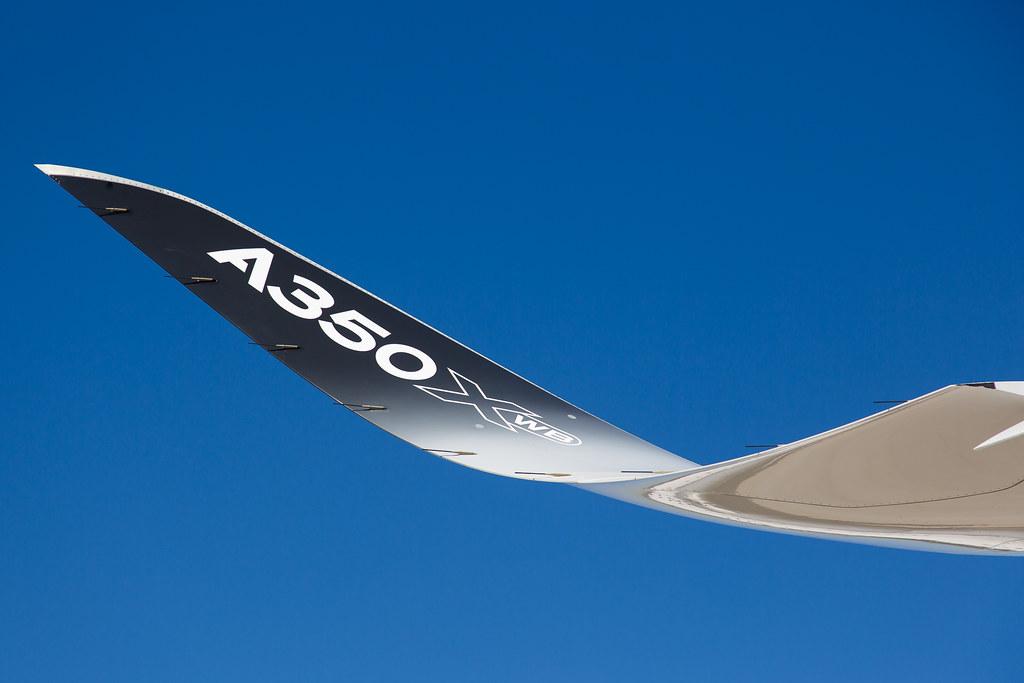
Airbus Banks on 250 Year-End Handovers as A350 Directive, Cathay Order and Buyback Land at Once
Airbus says every aircraft it needs to meet its 2026 delivery goal is already in final assembly or on delivery lines, as an EASA directive on the A350 and a €5 billion buyback add to a busy November.
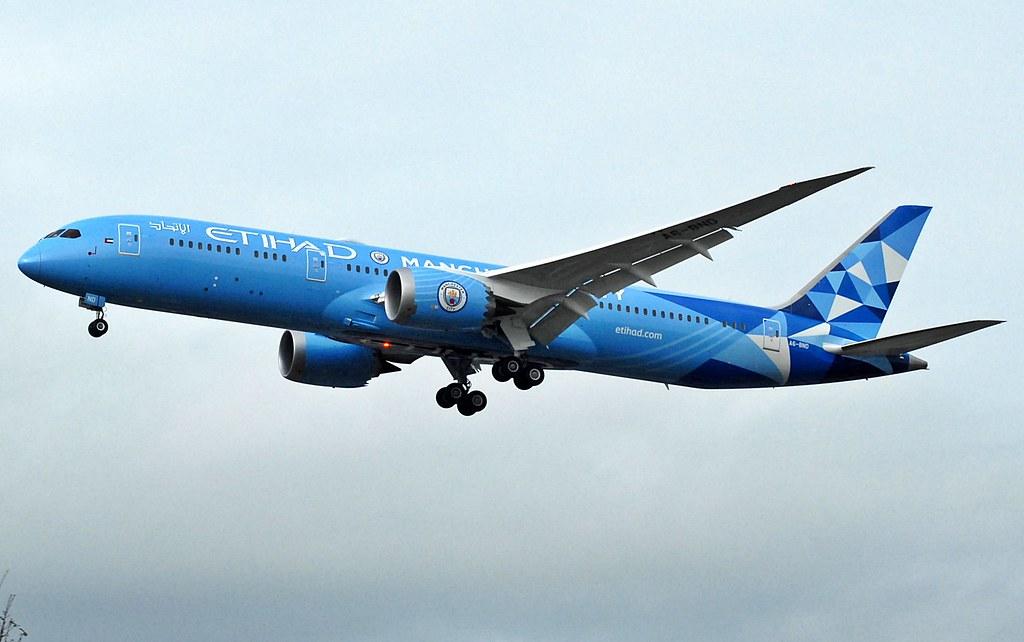
Etihad Moves Abu Dhabi to Calgary Route to Daily Flights Three Weeks After Launch
Etihad Airways will raise its Abu Dhabi to Calgary service from four weekly flights to daily from 15 October 2027, citing early demand that included a sold-out inaugural.
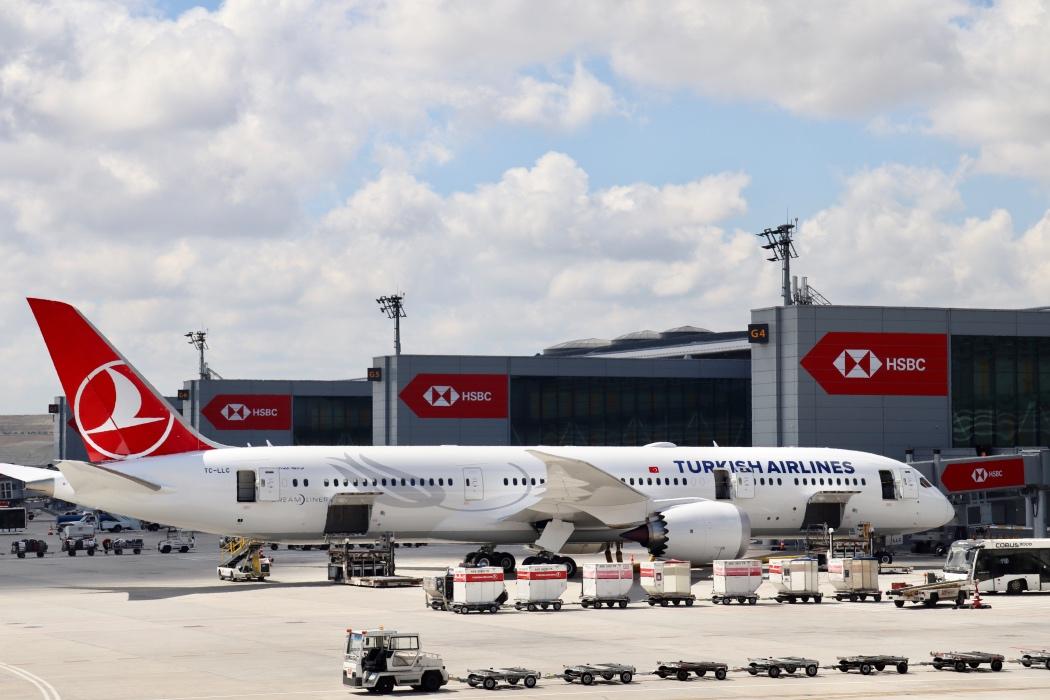
Turkish Airlines Opens Istanbul-Chengdu Nonstop, Its Fourth Mainland China Gateway
Turkish Airlines began three-weekly Boeing 787-9 flights between Istanbul and Chengdu Tianfu on 11 November, adding Sichuan to Beijing, Shanghai and Guangzhou on its China map.
Commercial Aircraft Orders Jump 88% in Third Quarter as Global Backlog Hits Record 17,058
ADS figures show 506 aircraft ordered between July and September 2026, while deliveries reached 361 and the backlog stretched to more than 12 years of production.
The Daily Touch & Go
The day's best aviation news in your inbox. Free, no spam.