AI-generated illustration
Air New Zealand to Face Fair Trading Act Charges Over Delay and Cancellation Compensation
New Zealand's Commerce Commission says the airline misled passengers about compensation limits and eligible expenses for disruptions within its control, dating back to January 2024.
The gist
New Zealand's consumer regulator is taking Air New Zealand to court, alleging it shortchanged passengers on compensation for delayed and canceled flights.
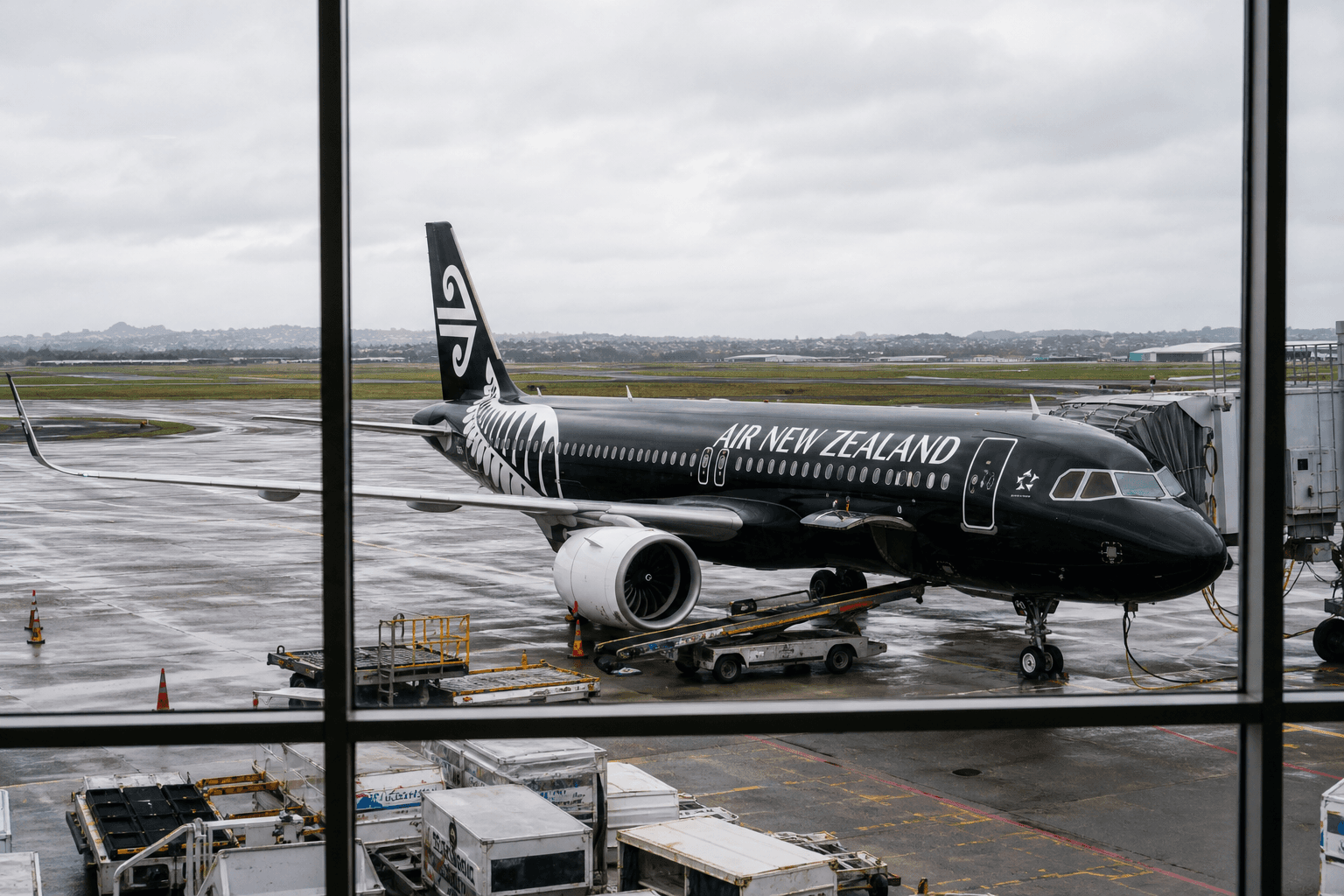
New Zealand's Commerce Commission will file criminal charges against Air New Zealand, alleging the national carrier misled passengers about the compensation they could claim for delayed and canceled flights. The regulator announced on November 19, 2026, that the charges will be laid under the Fair Trading Act in Auckland District Court. The commission also accuses the airline of rejecting claims it believes should have been paid.
The case centers on statements Air New Zealand made directly to passengers who sought compensation after disruptions within the airline's control. According to the commission, the airline told those passengers their compensation was capped at amounts below the limits set by law. The regulator also alleges the airline wrongly restricted the categories of expenses customers were allowed to claim. The commission said it believes the misleading statements go back to January 2024.
Commerce Commission Deputy Chair Anne Callinan said the regulator believes passengers ultimately missed out on money they were entitled to under the law. The commission said it would not release further details while the case is before the court.
Air New Zealand apologized to affected customers but disputed the scale of the problem. Jeremy O'Brien, the airline's Chief Customer and Digital Officer, said the company acknowledged it had not got things right for those customers and was sorry. He said the airline's own review found the mistakes were neither intentional nor systemic.
O'Brien said Air New Zealand voluntarily reviewed more than 62,000 claims tied to disruptions within its control and found errors in fewer than 1% of them. The airline said it contacted affected customers to put the mistakes right. It also said it reinforced training and guidance for staff who handle compensation claims.
The carrier said it was disappointed the commission chose to go to court given the corrective steps it had already taken. Air New Zealand said it would keep cooperating with the regulator as the case proceeds.
Under New Zealand law, domestic passengers can seek reimbursement for reasonable expenses caused by disruptions within an airline's control, such as mechanical problems and crew shortages. Claimable costs can include meals, accommodation and alternative transport. The statutory ceiling on those claims is 10 times the price of the ticket, which is the type of limit the commission says Air New Zealand understated to passengers.
International journeys fall under a separate regime. The Montreal Convention gives travelers rights to reimbursement for losses caused by delays, subject to its own limits and to whether the airline took all reasonable measures to prevent the disruption.
Originally reported by AeroTime
Read more
All Regulatory →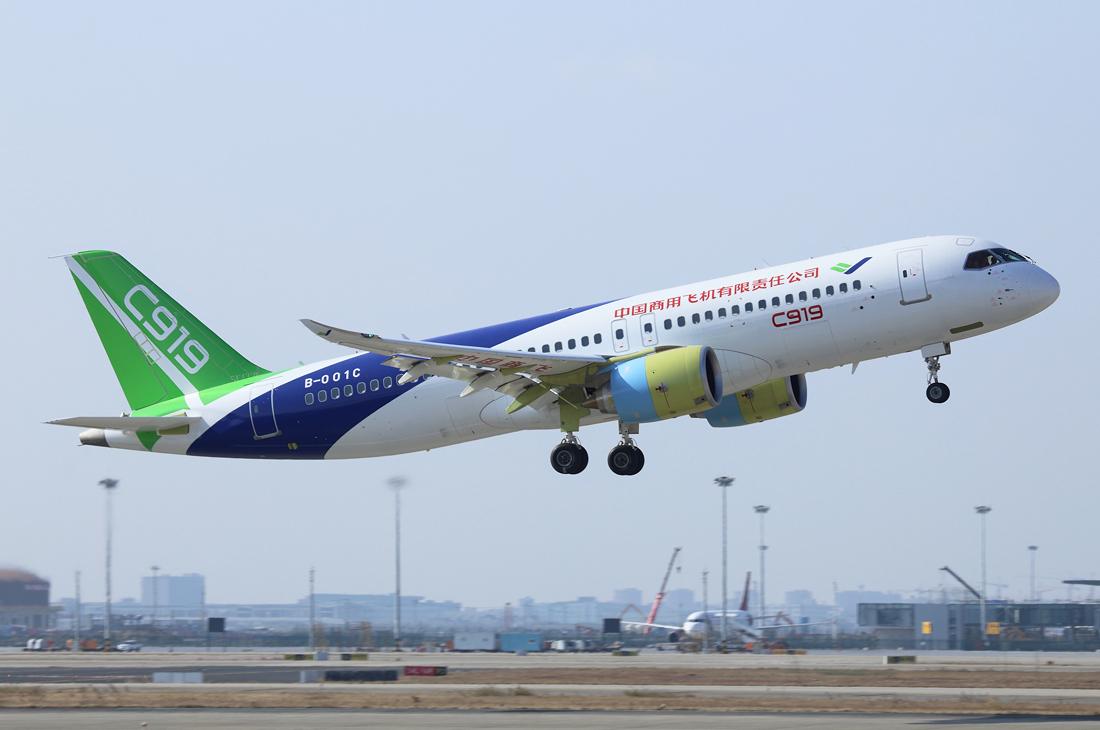
House China Panel Urges FAA to Withhold Certification From COMAC Jets and Curb US Aerospace Investment
A bipartisan House panel wants the FAA to refuse approval for Chinese-built airliners, Treasury to limit outbound investment, and Commerce to tighten export controls on parts sold to Chinese planemakers.
FAA Orders Checks on 300 Boeing 737NGs Over Thrust Split Monitor Spoiler Data Flaw
An emergency airworthiness directive requires repeated tests of digital flight control systems on older 737NGs whose autothrottle safety monitor may fail to activate.
Lawmakers Strike Deal to Require ADS-B In on Civil Aircraft After Potomac Midair Collision
Senators announced an agreement in principle to mandate traffic-receiving equipment on civilian aircraft already required to carry ADS-B Out, though rules for military aircraft remain unsettled.
EASA Orders More Frequent ATR 42 and ATR 72 De-Icing Valve Tests to Guard Against Loss of Control
A new airworthiness directive shortens functional test intervals for hot-air valves in the de-icing system on all ATR 42 and ATR 72 turboprops, effective November 30.
The Daily Touch & Go
The day's best aviation news in your inbox. Free, no spam.