

Illustration: The Touch & Go
Saudia Group denies supplying Boeing 777-200ERs transferred to Iran
Saudia Group states it sold its 777-200ERs in 2023 to an entity outside Saudi Arabia and has no ongoing ties to aircraft reportedly landing in Iran amid sanctions.
The gist
Saudia Group disavows connection to 777-200ERs sold in 2023 that surfaced in Iran under a sanctioned carrier's use.
Continuing coverage
All Sanctions →Saudia Group has formally distanced itself from recent reports indicating that several Boeing 777-200ER aircraft, once part of its fleet, have been transferred to an Iranian operator. The Middle Eastern carrier asserts it sold these aircraft under proper legal and commercial channels to an entity based outside of Saudi Arabia in June 2023, and denies any operational or commercial relationship with the planes since the transfer. This statement emerges amidst allegations that these aircraft have ended up with an entity subject to international sanctions, a claim Saudia Group neither confirms nor elaborates upon regarding the buyer's identity.
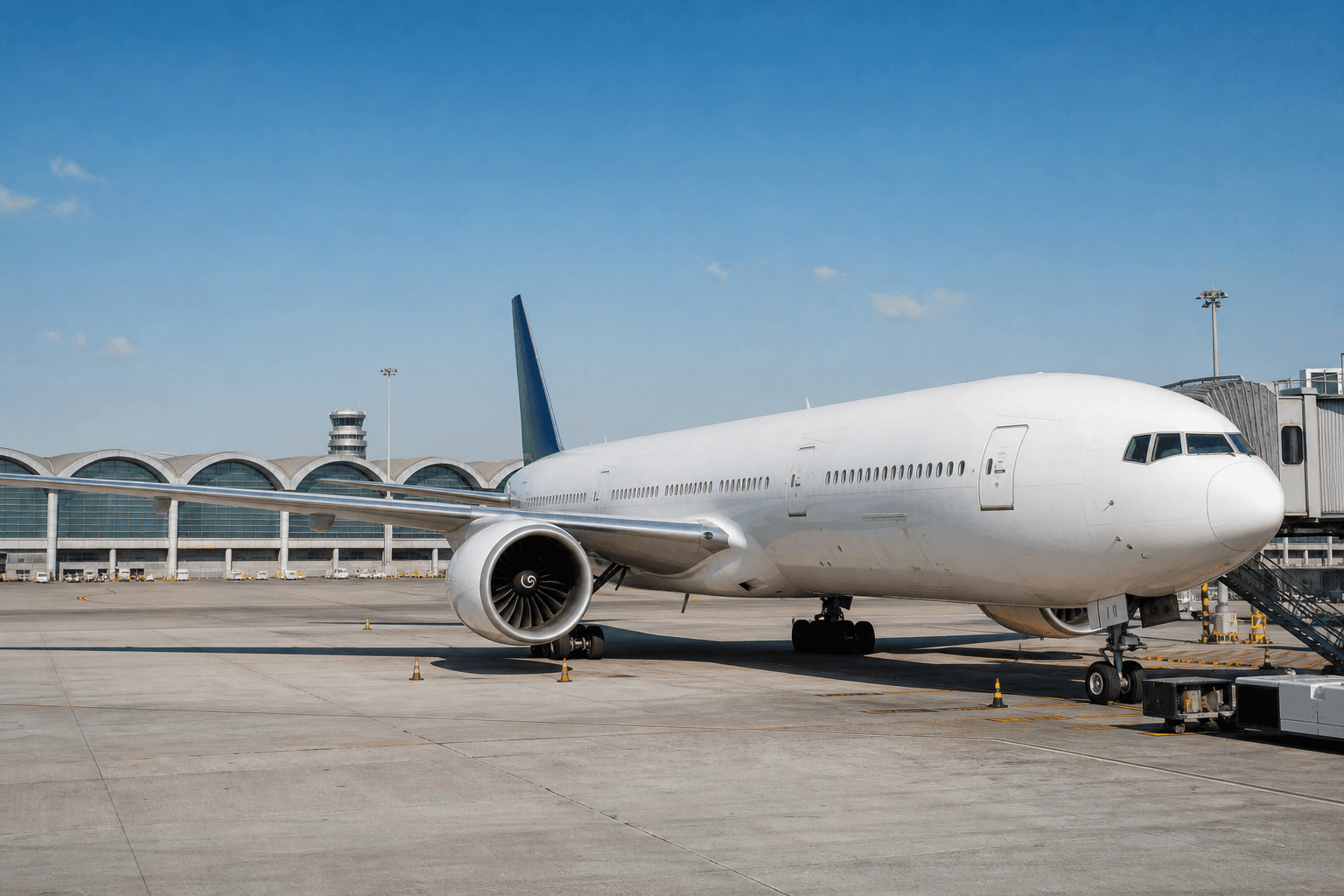
The dispute centers on at least five former Saudia 777-200ERs, which aviation journalist Babak Taghvaee reported on June 30 as having been ferried to Tehran’s Mehrabad International Airport. Taghvaee's information, sourced from Iranian Civil Aviation Organisation contacts, indicates that two of the 777-200ERs have already arrived, with three additional airframes in transit. Although the aircraft are reportedly destined for Iranian carrier Mahan Air—an airline under sanctions—the ultimate intended operator is said to be an airline based in the city of Isfahan, Iran.
Photographic evidence published by Taghvaee shows the aircraft stripped of their original Saudi Arabian Airlines livery, parked at locations in southern Iran. These images underscore concerns among international observers regarding the potential circumvention of sanction measures through aircraft transfers involving multiple operators and jurisdictions. Yet, Saudia Group denies any current link or influence over these aircraft, emphasizing that the sale was legally completed well before the planes' movement to Iranian soil.
This situation highlights the complexities of aircraft ownership and transfer within a context of geopolitical sanctions and international regulatory frameworks. The Boeing 777-200ER, known for its long-range capabilities and efficiency, has been phased out by many carriers in recent years in favor of newer models. The sale of such aircraft to secondary markets is routine; however, the destination and end use of these airframes can pose regulatory and diplomatic challenges, especially when they involve regions subject to international restrictions.
Saudia Group’s insistence on following applicable commercial and legal procedures during its 2023 divestment stresses the typical process airlines undertake when downsizing or upgrading fleets. Nonetheless, the lack of transparency regarding the identity of the purchasing entity and the aircraft's final users fuels ongoing speculation and scrutiny within the aviation community. It also puts a spotlight on enforcement difficulties of sanctions aimed at Iranian aviation, where parts and aircraft acquisition remain contentious issues.
Mahan Air, the alleged intermediary operator, has been under sanctions by multiple governments for years due to its links with organizations viewed as problematic on the international stage. The use of assets like the 777-200ER facilitates their operational capacity, which adds pressure on global regulators to monitor aircraft transfers closely. The reported delivery of these five aircraft to Iran via Mahan Air or other Iranian carriers represents a tactical maneuver that potentially broadens the sanctioned airline’s fleet capabilities.
This episode does not only affect Saudia Group’s reputation but also raises broader questions regarding the secondary aircraft market’s vulnerabilities. Globally, used aircraft sales are common and significant; however, the pathway from seller to end user is critical from regulatory, safety, and diplomatic perspectives. Allegations like those confronting Saudia also strengthen the calls for enhanced transparency measures and compliance auditing in aircraft sales, particularly involving regions under sanctions.
In sum, the transfer of Boeing 777-200ER aircraft from Saudia Group's former fleet to operators in Iran amid international sanctions has stirred controversy. Saudia’s current distancing underscores the delicate balance airlines maintain between business needs and geopolitical realities. The incident underscores the ongoing challenge faced by regulators and operators in ensuring that aircraft transactions align with international legal and political frameworks that govern aviation and security.
Read more
All Airlines →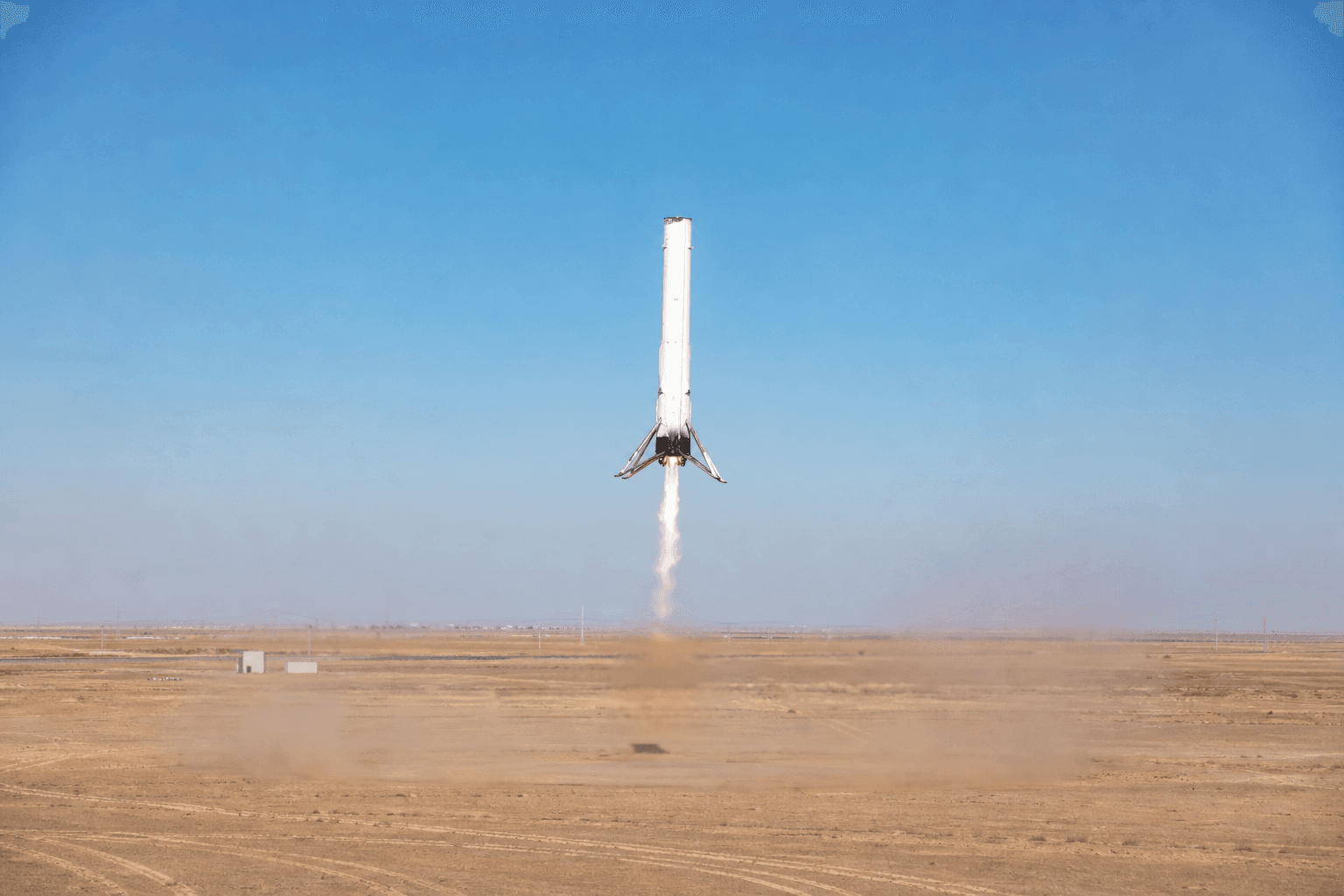
China's LandSpace achieves milestone with Zhuque-3 reusable rocket booster landing
SpaceX could face formidable new competition in the space launch market after China's LandSpace successfully landed the first stage of its Zhuque-3 rocket, becoming the first private Chinese company to recover an orbital-class booster using the same method as SpaceX's reusable Falcon 9 rocket. The Zhuque-3 lifted off from the Dongfeng Commercial Space Innovation Pilot Zone in northwestern China at 07:35 local time on August 19, 2026. After separating from its second stage, the booster reoriented itself, completed a reentry burn and descended toward a landing site in Minqin County in Gansu province, approximately 240 miles from the launch pad. The booster deployed its landing legs and touched down vertically nearly eight minutes after liftoff. "This mission marks China's first-ever successful recovery attempt of the first stage of an orbital-class launch vehicle using landing legs, and China's first successful booster recovery on land," LandSpace said in a statement. Video released by the company shows a gentle touchdown reminiscent of the technique SpaceX pioneered a over a decade earlier with the first successful Falcon 9 landings. The launch was the second flight of Zhuque-3 and LandSpace's second attempt to recover its first stage. The rocket reached orbit on its inaugural flight in December 2025, but an abnormal combustion event prevented the booster from completing its landing. LandSpace said it made several changes before the second flight, including revisions to the landing propulsion system, thermal protection and return-control software. The company also added a predicted-impact-point function to the rocket's autonomous flight termination system. Zhuque-3 uses nine methane-fueled engines on its first stage. Its stainless-steel construction and liquid methane and liquid oxygen propulsion system are intended to support repeated flights while reducing manufacturing and refurbishment costs. LandSpace says an expendable Zhuque-3 can carry as much as 14.2 metric tons to low Earth orbit. The company wants to fly each first stage as many as 20 times and plans to attempt the first reuse of a recovered booster within six months. The successful landing places LandSpace alongside both SpaceX and Blue Origin as the only private companies to have propulsively landed the booster of an orbital-class rocket. SpaceX first landed a Falcon 9 booster in December 2015 and has since made booster recovery and reuse a routine part of its launch operations. Blue Origin landed the first stage of its New Glenn orbital rocket for the first time in November 2025. SpaceX founder Elon Musk had not publicly commented on the successful landing as of August 20. In an October 2025 post on X, however, Musk said the Zhuque-3's combination of stainless-steel construction, methane propulsion and a Falcon 9-style architecture could enable it to eventually outperform Falcon 9. China completed its first recovery of an orbital-class booster in July 2026 during the inaugural flight of the state-developed Long March 10B. Instead of landing on legs, that stage was captured by cables stretched across an offshore platform. LandSpace, founded in 2015, had already claimed another first in commercial spaceflight, with its smaller Zhuque-2, which became the first methane-fueled rocket to reach orbit in July 2023. The company is seeking to raise 7.5 billion yuan, or approximately $1.1 billion, through an initial public offering in Shanghai. It plans to use the funding to expand development and production of reusable launch vehicles in its quest to compete in the commercial space launch market.
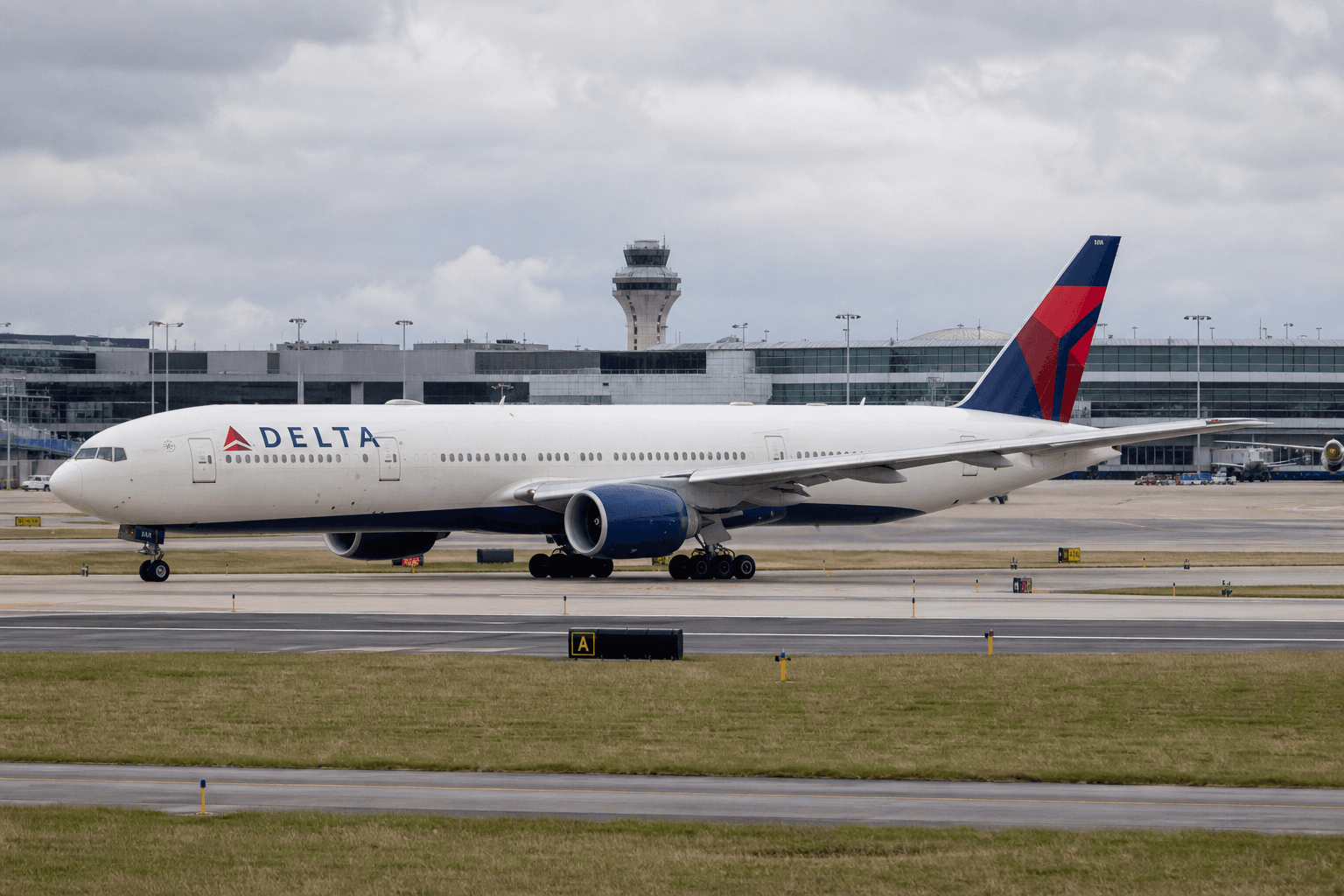
Delta CEO Aims for Elite Global Status, But Operational Issues Undermine Claims
Ed Bastian wants Delta mentioned with Singapore Airlines and the best Asian and Middle Eastern carriers. Delta has a brand, but product consistency and service still fall short and once-vaunted reliabiltiy has faltered.
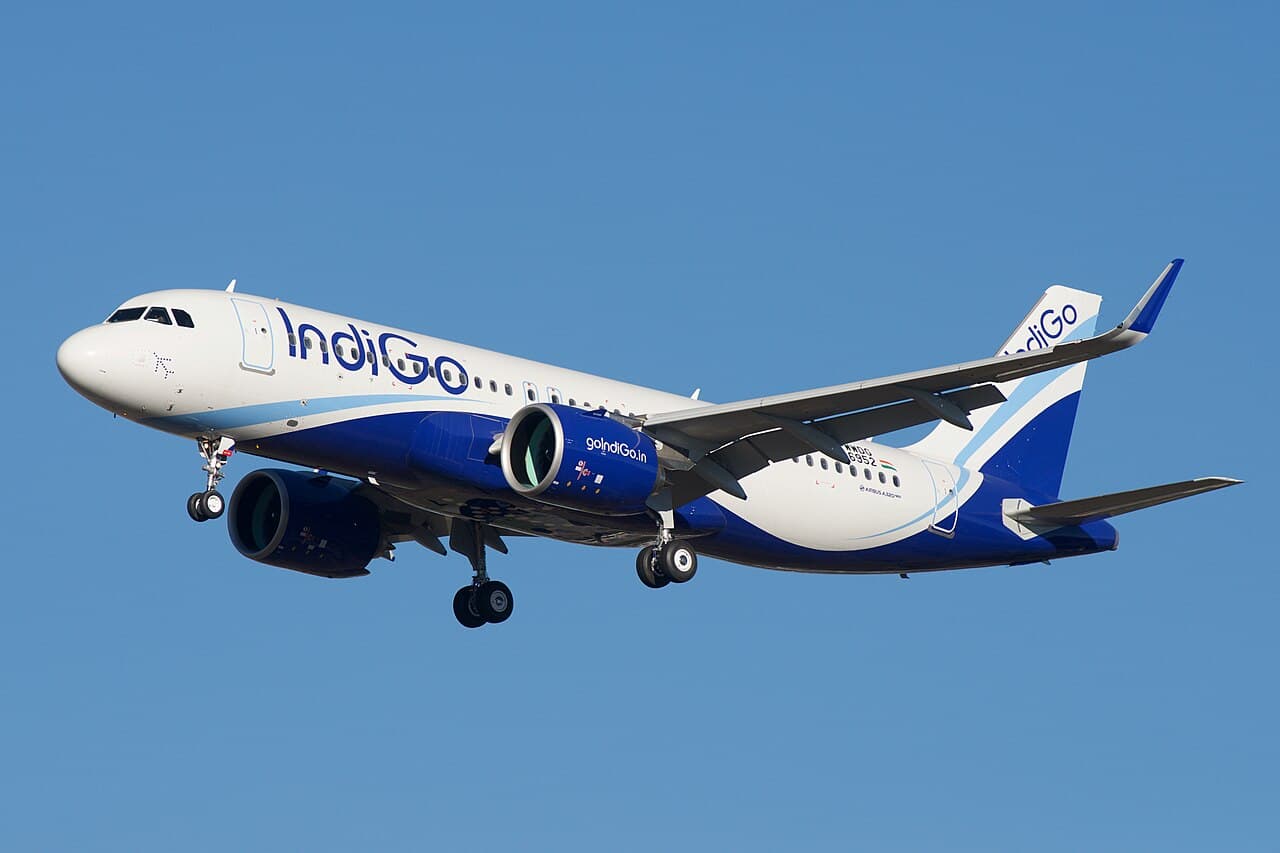
Lufthansa debuts Starlink internet on Airbus A320neo flight from Frankfurt to Rome
A mainline Lufthansa A320neo equipped with the satellite internet technology flew from Frankfurt to Rome.
Southwest Must Correctly Inform Flight Attendants on Religious Discrimination Rights
Southwest Airlines reinstated flight attendant Charlene Carter and helped pay a $946,102.87 judgment after a jury found it liable for religious discrimination case - it fired her at the behest of the union as a result of her speaking out with anti-abortion and anti-union messages. But the airline triggered a contempt fight by refusing to send flight attendants the message about their rights that the judge demanded.
The Daily Touch & Go
The day's best aviation news in your inbox. Free, no spam.