Illustration: The Touch & Go
US Firm Castlelake Plans £5.5B Takeover of easyJet, Raising Fleet and Route Questions
easyJet is set for a potential £5.5 billion takeover by US firm Castlelake, with limited immediate changes but possible shifts in fleet, routes, and branding ahead.
The gist
easyJet’s £5.5B takeover by Castlelake could reshape fleet plans and routes, while keeping its iconic orange branding intact.
Continuing coverage
All Low-Cost Carriers →- Apollo Global Management Secures £5.7B Takeover of easyJet with No Immediate Job Cuts
- Apollo Global Management close to acquiring easyJet for $7.6 billion with growth plans
- EasyJet takeover sparks fleet flexibility debate among European low-cost carriers
- Frontier to Launch Starlink High-Speed WiFi Across Fleet in Early 2027
- Vueling to Launch Boeing 737 MAX 8-200 on Mediterranean and European Routes in December 2026
easyJet announced it is minded to accept a £5.5 billion takeover offer from the US investment company Castlelake, representing one of the most significant changes in the airline’s 31-year history. The deal, valued at £6.90 per share, would take the airline private if finalized, with Castlelake required to make a firm bid by 3 August 2026 under UK takeover rules. Although passengers are unlikely to see immediate effects, aviation observers anticipate potential operational and strategic shifts in the coming years.
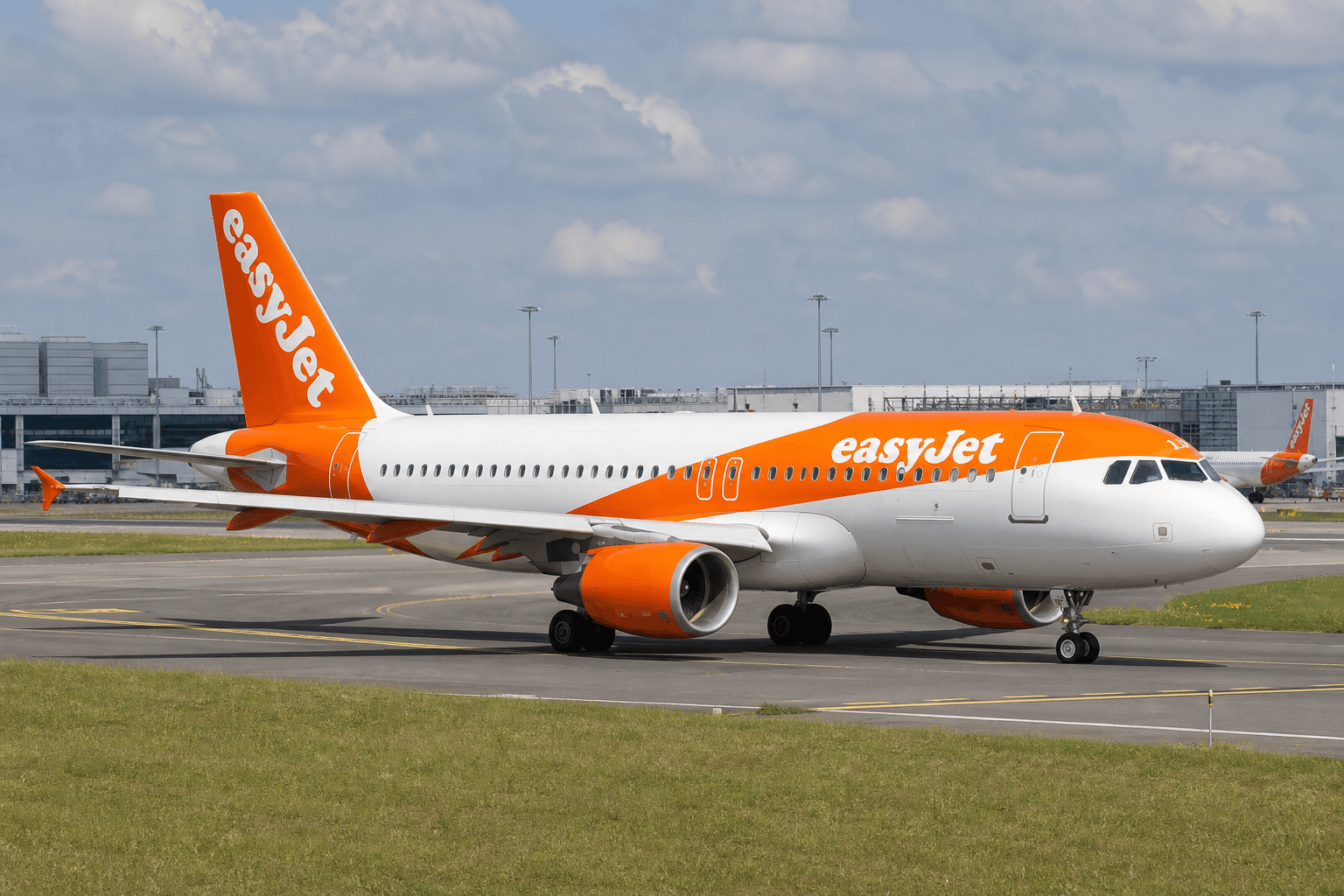
As of March 2026, easyJet operates 356 Airbus aircraft spanning A319, A320, A320neo, and A321neo models, running 1,273 routes to 165 airports across 37 countries. This breadth makes it a dominant low-cost carrier throughout the UK, Europe, and North Africa, with valuable airport slots at major hubs like London Gatwick, Paris, and Geneva. Its strong slot portfolio and fleet profile contribute to its attractiveness as a takeover target.
Regarding the fleet, significant changes are improbable given easyJet’s recent commitments to Airbus. Notably, in 2023 the airline placed firm orders for 157 additional A320neo family planes, including 56 A320neos and 101 A321neos, along with the conversion of 35 A320neo orders to the larger A321neo type. This ongoing fleet renewal points to a gradual phase-out of older A319s in favor of more efficient and larger aircraft, particularly the A321neo on busier routes.
Castlelake’s expertise in aviation finance and aircraft leasing, with a leasing network spanning around 200 airlines, could further support easyJet’s fleet modernization efforts. However, current information indicates no plans to shift away from Airbus aircraft. Enthusiasts can anticipate a more streamlined fleet over time, with fewer aircraft types and growing prominence of the A321neo model on higher demand or slot-restricted routes.
The airline’s distinctive orange-and-white livery is considered integral to its strong European brand identity, making a drastic rebranding unlikely. While private ownership might lead to internal changes or sharper commercial focus, experts believe the core easyJet brand and its iconic orange tail fins will remain for the foreseeable future. Minor branding updates could occur, especially if Castlelake prioritizes boosts to easyJet Holidays or enhances premium travel offerings at key airports.
Route and base operations present the most potential for noticeable adjustments. With a robust presence at slot-limited airports such as London Gatwick and several European bases, new ownership might prioritize profitable leisure markets and increased integration with easyJet Holidays. This could involve restructuring or cutting less profitable routes, accelerating fleet replacement at older A319-heavy bases, and deploying more A321neos for busy trunk and holiday pathways.
Some speculation exists around possible structural changes, such as separating easyJet Holidays from the main airline or leveraging fleet synergies with Castlelake’s leasing business. However, no firm plans have been disclosed, and Castlelake publicly supports easyJet’s growth and fleet modernization. In the short term, the airline’s network, fleet composition, and livery are expected to remain relatively stable, while private ownership could enable longer-term strategic repositioning away from public market pressures.
Overall, the Castlelake takeover could usher in incremental but consequential changes to easyJet’s operational and commercial strategies. Aviation observers should watch developments in route planning, fleet deployment, and seasonal flying, particularly as the firm cements control. The preservation of easyJet’s core brand and Airbus fleet signals continuity amid potential commercial evolution.
Read more
All Airlines →
Eurowings Introduces Real Business Class Seats on All A320neos Across Multiple European Routes
Business class on narrow-body jets within Europe is known for being lackluster, generally just consisting of economy seats with blocked middles and improved service. In 2025, a Lufthansa Group carrier announced it would install more comfortable seats in business class on narrow-body aircraft. Ironically, it wasn't a full-service airline like Lufthansa or SWISS, but instead the group's low-cost carrier, Eurowings. Initially, this product was marketed as a limited-time trial, and it was available exclusively to and from Dubai (DXB) last winter. There's now an update : Eurowings plans to expand this concept to many more planes, including some intra-Europe flights… that's really cool! Eurowings rolls out Premium BIZ seat concept Eurowings operates a fleet of roughly 90 Airbus A320-family aircraft. Historically, the airline has configured its planes in a standard European regional configuration, with all seats in a 3-3 layout. The carrier's business class just consisted of economy seats at the front of the cabin, with blocked middle seats. However, the airline is getting legitimately innovative and is installing "real" business class seats on all eight of its Airbus A320neo aircraft. The airline is offering a reclining business-class product from Italian manufacturer Geven, with an adjustable backrest, ergonomic design, and much more pitch than you'll otherwise find. Eurowings Premium BIZ seats Eurowings Premium BIZ seats What's interesting is that Eurowings is actually offering two tiers of business class. On most routes (though there are exceptions), this new product isn't in lieu of the other business class, but rather is in addition to it. Eurowings BIZclass continues to be offered, featuring economy seats with blocked middles. Then there are eight Eurowings Premium BIZ seats at the front of the cabin. Eurowings Premium BIZ seat cabin Eurowings Premium BIZ seats Eurowings' A320neos boast 180 seats, spread across 30 rows, in a 3-3 configuration. The first three rows of the plane (18 seats, 12 of which are bookable, due to blocked middles) are being replaced by two rows of these recliner seats, meaning the per-seat footprint is around 50% bigger than in standard business class. In addition to more space (nearly one meter of legroom) and recline, the seats feature a cocktail table and a USB charging port. Furthermore, those seated in these special seats will receive a welcome drink, a refreshing towel, and nuts on all routes. On medium-haul service to Dubai, there's also a pillow and blanket, an amenity kit, and special dining served on porcelain. Here's how Eurowings CEO Max Kownatzki describes this move: "Comfort and relaxation in the air should never be taken for granted – and we're making them the new standard for business travelers and leisure guests. With the Premium BIZ Seat, we're among the first airlines in the world to introduce a genuinely comfortable seating experience on short-haul continental flights, including longer medium-haul routes. It's designed for all guests who want to make flying more comfortable and relaxed. While other airlines are adding more and more seats to their aircraft, we're giving our guests more of what makes flying easier: Space, privacy and an experience that feels genuinely special. That's our response as Europe's leading Value Airline." Which routes get Eurowings Premium BIZ seats? The Eurowings Premium BIZ seat concept is being rolled out in the winter 2026/2027 schedule, with many routes getting the seats as of December 1, 2026. The airline explains that this product is being introduced "where the demand for relaxed, premium travel is greatest." Specifically, you'll find this product on flights to: Mallorca (PMI), including daily flights from Dusseldorf (DUS), and up to 4x weekly flights from Berlin (BER) Malaga (AGP), including 4x weekly flights from Dusseldorf (DUS) London Heathrow (LHR), including up to 4x daily flights from Dusseldorf (DUS), and weekly flights from Berlin (BER) Dubai (DXB), including daily flights from Berlin (BER), 4x weekly flights from Stuttgart (STR), and 3x weekly flights from Cologne (CGN) As things currently stand, on the Spain routes, the Premium BIZ seat is the only business class option, while on the London and Dubai routes, the Premium BIZ seat is in addition to the standard business class option. All Eurowings Airbus A320neos will get recliner seats Eurowings Premium BIZ seat pricing & how to book Eurowings has put its Premium BIZ seat concept on sale for all of the above routes. So, what is pricing for this product like? As I hinted at above: On the Malaga and Mallorca routes, this is the only business class option on most flights, so all business class passengers enjoy the elevated experience On the London and Dubai routes, this is one of two business class options, so you can choose which you want to pay for For some examples, let's look at the flight between Berlin and Dubai, where I see a €309.99 BIZclass fare. Eurowings pricing to Dubai Then assigning one of the Premium BIZ seats costs €315, on top of that fare, so you're looking at paying a total of €624.99. Eurowings Premium BIZ seat pricing Looking at a flight between Dusseldorf and London, I see a €119.99 BIZclass fare. Eurowings pricing to Dubai Then assigning one of the Premium BIZ seats costs €60, on top of that fare, so you're looking at paying a total of €179.99. Eurowings Premium BIZ seat pricing Looking at a flight between Dusseldorf and Malaga, I see a €199.99 BIZclass fare. Eurowings pricing to Dubai That automatically includes the Premium BIZ seats, as there's no "basic" business class on these routes. Eurowings Premium BIZ seat pricing I think these upgrade prices are reasonable, given the quality of this product. There's of course a certain irony to a low cost carrier being the first to introduce such a product, given that customers are (at least in theory) more price sensitive than on full service airlines. I realize it's a bit more nuanced than that, given the unique markets Eurowings operates out of vs. Lufthansa, as cities like Dusseldorf are actually pretty premium. But still, you'd think something like this could also work quite well on a full service carrier. What this new product could mean in the long run We've gone from a Eurowings trial last winter, to the airline expanding this to eight aircraft and more routes this winter, so that's progress. What could we expect in the long run? First of all, keep in mind that Eurowings is overhauling its fleet as of 2027, as the airline has 40 Boeing 737 MAXs on order . So it's possible that if this project continues to succeed, we could see these cabins integrated on those jets. Second of all, Eurowings has noted that what it's doing will "also provide other airlines in the Lufthansa Group with important insights for the future configuration of new aircraft fleets." Unfortunately I don't think we'll see a "proper" business class introduced on short flights within Europe any time in the foreseeable future (I don't want to say "never," but… close enough). However, there are many medium haul markets that might not consistently have demand for wide body aircraft, but where something better than the typical intra-Europe business class is expected. In the case of Lufthansa or SWISS, we're talking about destinations like Amman (AMM), Cairo (CAI), Tel Aviv (TLV), etc. These are all destinations where some airlines offer a "proper" business class, while others don't. Offering a more competitive business class product on narrow body aircraft would allow airlines to better right size capacity while managing expectations. As a matter of fact, earlier this year Lufthansa Group CEO Carsten Spohr indicated that the airline might be looking at introducing "real" business class seats on select narrow body planes , for exactly the missions described above. We'll see if anything comes of that, but it sure would be nice. We could see similar concepts at other Lufthansa Grou
Air Canada Picks 16 Airbus A350-1000s Over Delayed Boeing 777X for Long-Haul Fleet Renewal
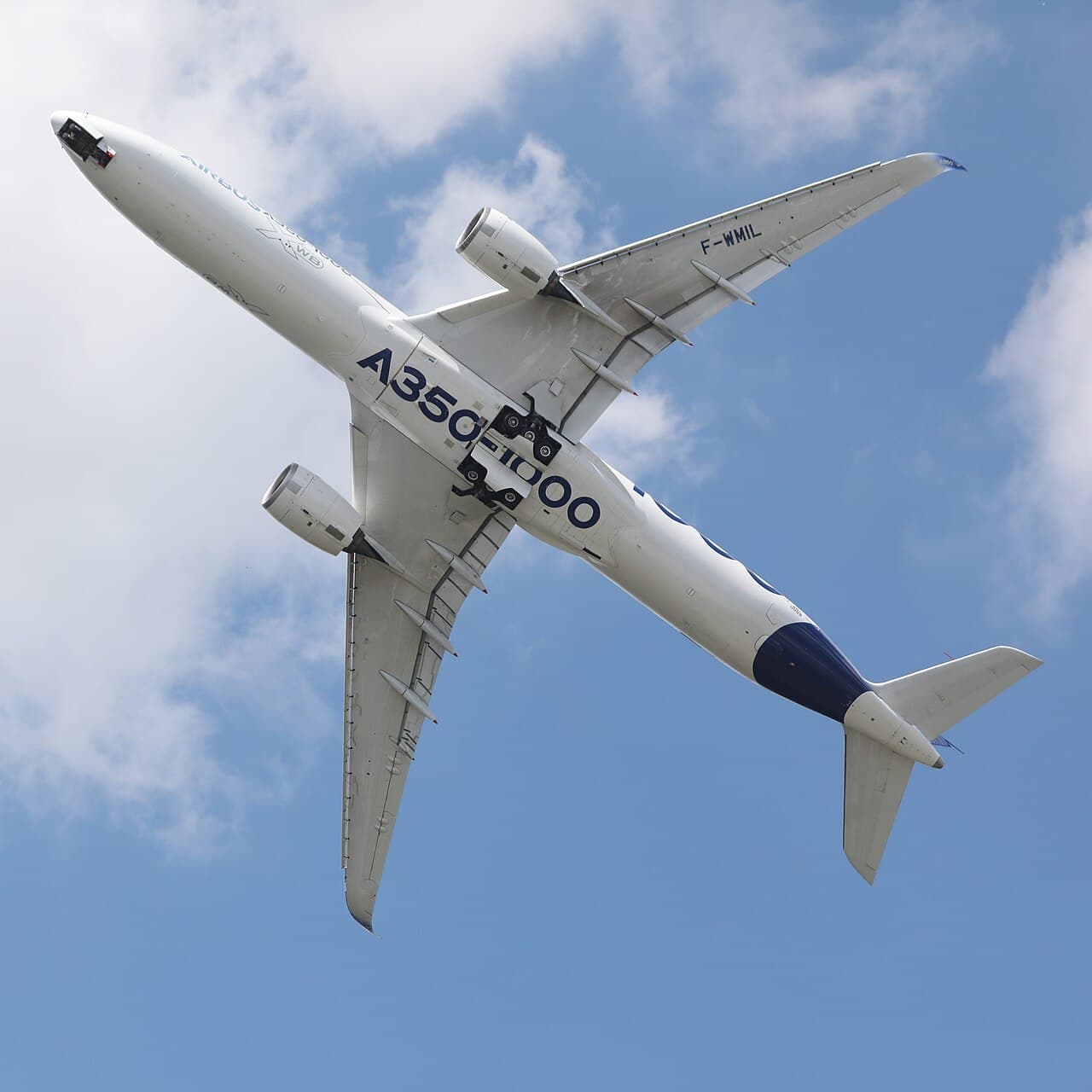
For nearly two decades, the Boeing 777-300ER has been at the very heart of Canada's flagship carrier, dominating long-haul routes from Toronto Pearson International Airport (YYZ) and Vancouver International Airport (YVR) across the Pacific and Atlantic oceans. When it came time to plan its flagship fleet successor for the decade ahead, Air Canada turned away from Seattle and placed its faith in the rival company Airbus . The airline confirmed a firm commitment for eight Airbus A350-1000s , with purchase rights for eight additional aircraft, bypassing Boeing's delayed 777X program to opt for European composite-twin technology for its next era of international expansion.
Rolls-Royce and GE Engine Designs Diverge Amid Widebody Market Duopoly
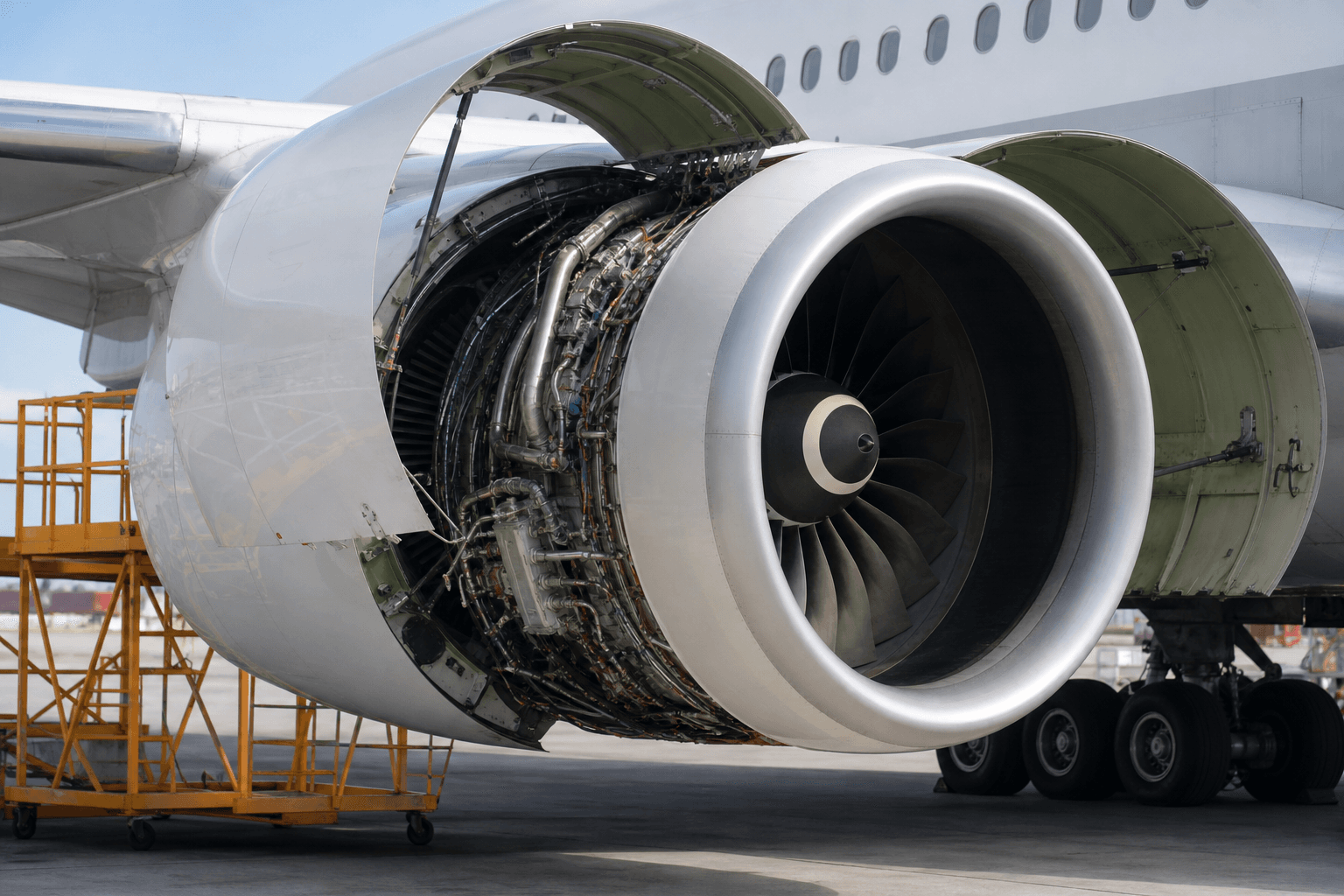
GE Aerospace and Rolls-Royce (RR) currently dominate the large widebody engine market , although RR also wants to challenge GE once again in the massive narrowbody engine market. These are two of the largest Original Engine Manufacturer giants in the commercial sector, along with Pratt & Whitney and Safran.
China's LandSpace achieves milestone with Zhuque-3 reusable rocket booster landing
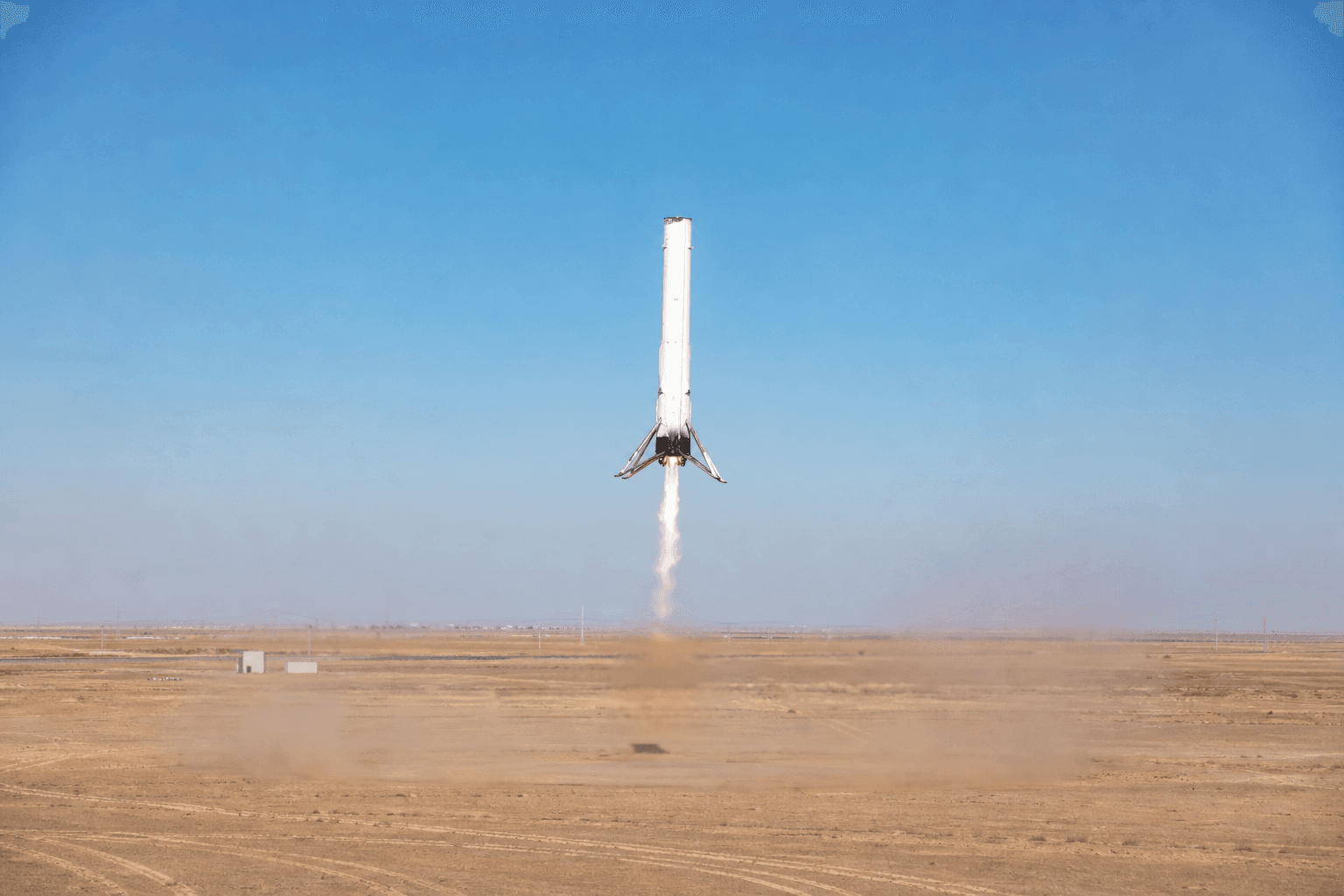
SpaceX could face formidable new competition in the space launch market after China's LandSpace successfully landed the first stage of its Zhuque-3 rocket, becoming the first private Chinese company to recover an orbital-class booster using the same method as SpaceX's reusable Falcon 9 rocket. The Zhuque-3 lifted off from the Dongfeng Commercial Space Innovation Pilot Zone in northwestern China at 07:35 local time on August 19, 2026. After separating from its second stage, the booster reoriented itself, completed a reentry burn and descended toward a landing site in Minqin County in Gansu province, approximately 240 miles from the launch pad. The booster deployed its landing legs and touched down vertically nearly eight minutes after liftoff. "This mission marks China's first-ever successful recovery attempt of the first stage of an orbital-class launch vehicle using landing legs, and China's first successful booster recovery on land," LandSpace said in a statement. Video released by the company shows a gentle touchdown reminiscent of the technique SpaceX pioneered a over a decade earlier with the first successful Falcon 9 landings. The launch was the second flight of Zhuque-3 and LandSpace's second attempt to recover its first stage. The rocket reached orbit on its inaugural flight in December 2025, but an abnormal combustion event prevented the booster from completing its landing. LandSpace said it made several changes before the second flight, including revisions to the landing propulsion system, thermal protection and return-control software. The company also added a predicted-impact-point function to the rocket's autonomous flight termination system. Zhuque-3 uses nine methane-fueled engines on its first stage. Its stainless-steel construction and liquid methane and liquid oxygen propulsion system are intended to support repeated flights while reducing manufacturing and refurbishment costs. LandSpace says an expendable Zhuque-3 can carry as much as 14.2 metric tons to low Earth orbit. The company wants to fly each first stage as many as 20 times and plans to attempt the first reuse of a recovered booster within six months. The successful landing places LandSpace alongside both SpaceX and Blue Origin as the only private companies to have propulsively landed the booster of an orbital-class rocket. SpaceX first landed a Falcon 9 booster in December 2015 and has since made booster recovery and reuse a routine part of its launch operations. Blue Origin landed the first stage of its New Glenn orbital rocket for the first time in November 2025. SpaceX founder Elon Musk had not publicly commented on the successful landing as of August 20. In an October 2025 post on X, however, Musk said the Zhuque-3's combination of stainless-steel construction, methane propulsion and a Falcon 9-style architecture could enable it to eventually outperform Falcon 9. China completed its first recovery of an orbital-class booster in July 2026 during the inaugural flight of the state-developed Long March 10B. Instead of landing on legs, that stage was captured by cables stretched across an offshore platform. LandSpace, founded in 2015, had already claimed another first in commercial spaceflight, with its smaller Zhuque-2, which became the first methane-fueled rocket to reach orbit in July 2023. The company is seeking to raise 7.5 billion yuan, or approximately $1.1 billion, through an initial public offering in Shanghai. It plans to use the funding to expand development and production of reusable launch vehicles in its quest to compete in the commercial space launch market.
The Daily Touch & Go
The day's best aviation news in your inbox. Free, no spam.