

Illustration: The Touch & Go
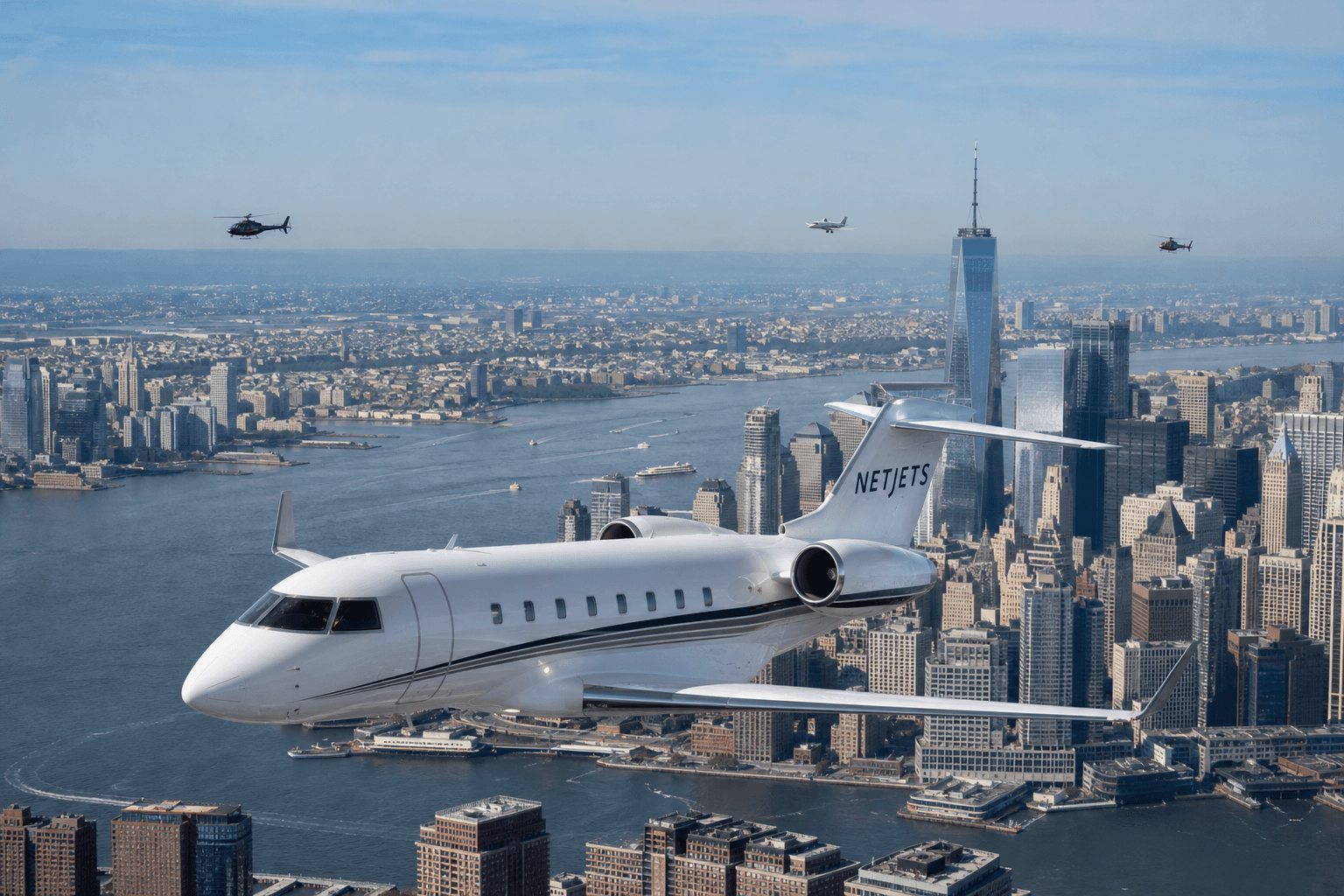
NetJets Bombardier Global 6500 Reports Near Miss With Large Object Over New York
A NetJets Bombardier Global 6500 experienced a close encounter with a large unidentified object while climbing out of New York, continuing safely to Colombia.
The gist
NetJets Global 6500 narrowly avoided collision with a large unidentified object near New York at 15,800 feet.
On July 4, 2026, a NetJets Bombardier Global 6500 private jet flying from Westchester County Airport near New York to Matecaña International Airport in Pereira, Colombia, reported a near miss with a large unidentified object shortly after departure. The aircraft was climbing through 15,800 feet when the crew observed the object fly down the right side, narrowly missing the aircraft. Following the incident, the flight continued safely and completed its journey without any reported damage or interruption.
The NetJets flight, designated NJE426K and operating registration CS-GLJ, departed at noon local time from Westchester County Airport. Within approximately ten minutes of departure, while heading south-southwest near the New York-New Jersey border, the flight crew reported the object to air traffic control. They described it as smaller than an aircraft but definitely larger than a drone, and unable to identify its exact nature due to the swift encounter.
This Bombardier Global 6500 jet is a part of the NetJets Europe fleet and was delivered in December 2021. At 5.1 years of age, it operates with a VIP seating layout tailored for private clientele. After reaching cruising altitude peaking at 45,000 feet barometric, or 47,500 feet GPS, the aircraft maintained its southbound route along the US East Coast, turning left after Cuba toward Colombia for descent into Pereira.
The incident adds to a recent cluster of close encounters and collisions involving airborne objects within the US airspace. At the end of June, a United Airlines Boeing 737 MAX 9 narrowly avoided a drone on approach to Newark Liberty Airport. Shortly after, a JetBlue Airbus A321 struck a drone while landing at JFK Airport, resulting in a temporary withdrawal from service and a Federal Aviation Administration investigation.
Though no collision occurred in the NetJets incident, the frequency of such events highlights rising concerns around the presence of drones or other airborne objects near controlled flight paths. The inability to quickly identify these objects underscores the challenges aviation safety faces as more small unmanned aerial systems operate in congested airspace.
NetJets has yet to provide an official statement on the incident. However, the capability of the crew to maintain control and continue the international leg to Colombia without incident shows robust operational response procedures in place. The aircraft subsequently flew another leg from Pereira to Rio de Janeiro, indicating no sustained damage from the encounter.
The scenario underlines operational risks in busy terminal areas where private and commercial flights coexist with emerging aerial traffic from drones and other objects. It stresses the need for enhanced detection, regulation, and communication measures to safeguard aircraft and passengers during critical flight phases such as climb out and approach.
The incident involves a sophisticated business jet type that typifies NetJets’ fleet—a segment of high-performance aircraft designed for long-range private travel. Events like this prompt considerations for technological aids on such platforms, potentially including advanced collision avoidance systems tailored for smaller dynamic objects.
This recent near miss near New York signifies an acute operational hazard as unmanned and unidentified objects increasingly share airspace with manned aviation. Aviation authorities and operators face growing pressure to address these encounters proactively, ensuring continued safety for all users of the skies.
Read more
All Airlines →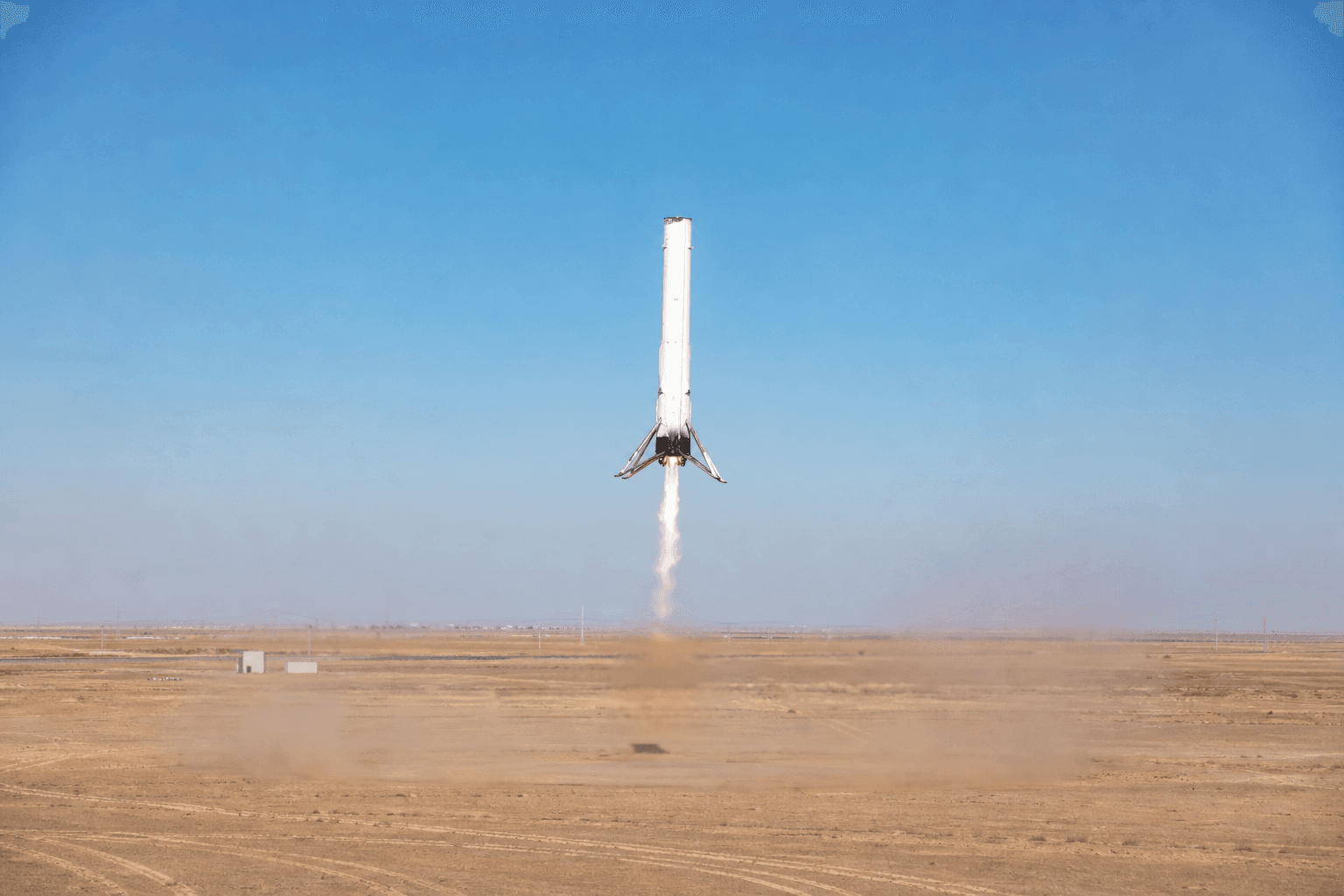
China's LandSpace achieves milestone with Zhuque-3 reusable rocket booster landing
SpaceX could face formidable new competition in the space launch market after China's LandSpace successfully landed the first stage of its Zhuque-3 rocket, becoming the first private Chinese company to recover an orbital-class booster using the same method as SpaceX's reusable Falcon 9 rocket. The Zhuque-3 lifted off from the Dongfeng Commercial Space Innovation Pilot Zone in northwestern China at 07:35 local time on August 19, 2026. After separating from its second stage, the booster reoriented itself, completed a reentry burn and descended toward a landing site in Minqin County in Gansu province, approximately 240 miles from the launch pad. The booster deployed its landing legs and touched down vertically nearly eight minutes after liftoff. "This mission marks China's first-ever successful recovery attempt of the first stage of an orbital-class launch vehicle using landing legs, and China's first successful booster recovery on land," LandSpace said in a statement. Video released by the company shows a gentle touchdown reminiscent of the technique SpaceX pioneered a over a decade earlier with the first successful Falcon 9 landings. The launch was the second flight of Zhuque-3 and LandSpace's second attempt to recover its first stage. The rocket reached orbit on its inaugural flight in December 2025, but an abnormal combustion event prevented the booster from completing its landing. LandSpace said it made several changes before the second flight, including revisions to the landing propulsion system, thermal protection and return-control software. The company also added a predicted-impact-point function to the rocket's autonomous flight termination system. Zhuque-3 uses nine methane-fueled engines on its first stage. Its stainless-steel construction and liquid methane and liquid oxygen propulsion system are intended to support repeated flights while reducing manufacturing and refurbishment costs. LandSpace says an expendable Zhuque-3 can carry as much as 14.2 metric tons to low Earth orbit. The company wants to fly each first stage as many as 20 times and plans to attempt the first reuse of a recovered booster within six months. The successful landing places LandSpace alongside both SpaceX and Blue Origin as the only private companies to have propulsively landed the booster of an orbital-class rocket. SpaceX first landed a Falcon 9 booster in December 2015 and has since made booster recovery and reuse a routine part of its launch operations. Blue Origin landed the first stage of its New Glenn orbital rocket for the first time in November 2025. SpaceX founder Elon Musk had not publicly commented on the successful landing as of August 20. In an October 2025 post on X, however, Musk said the Zhuque-3's combination of stainless-steel construction, methane propulsion and a Falcon 9-style architecture could enable it to eventually outperform Falcon 9. China completed its first recovery of an orbital-class booster in July 2026 during the inaugural flight of the state-developed Long March 10B. Instead of landing on legs, that stage was captured by cables stretched across an offshore platform. LandSpace, founded in 2015, had already claimed another first in commercial spaceflight, with its smaller Zhuque-2, which became the first methane-fueled rocket to reach orbit in July 2023. The company is seeking to raise 7.5 billion yuan, or approximately $1.1 billion, through an initial public offering in Shanghai. It plans to use the funding to expand development and production of reusable launch vehicles in its quest to compete in the commercial space launch market.
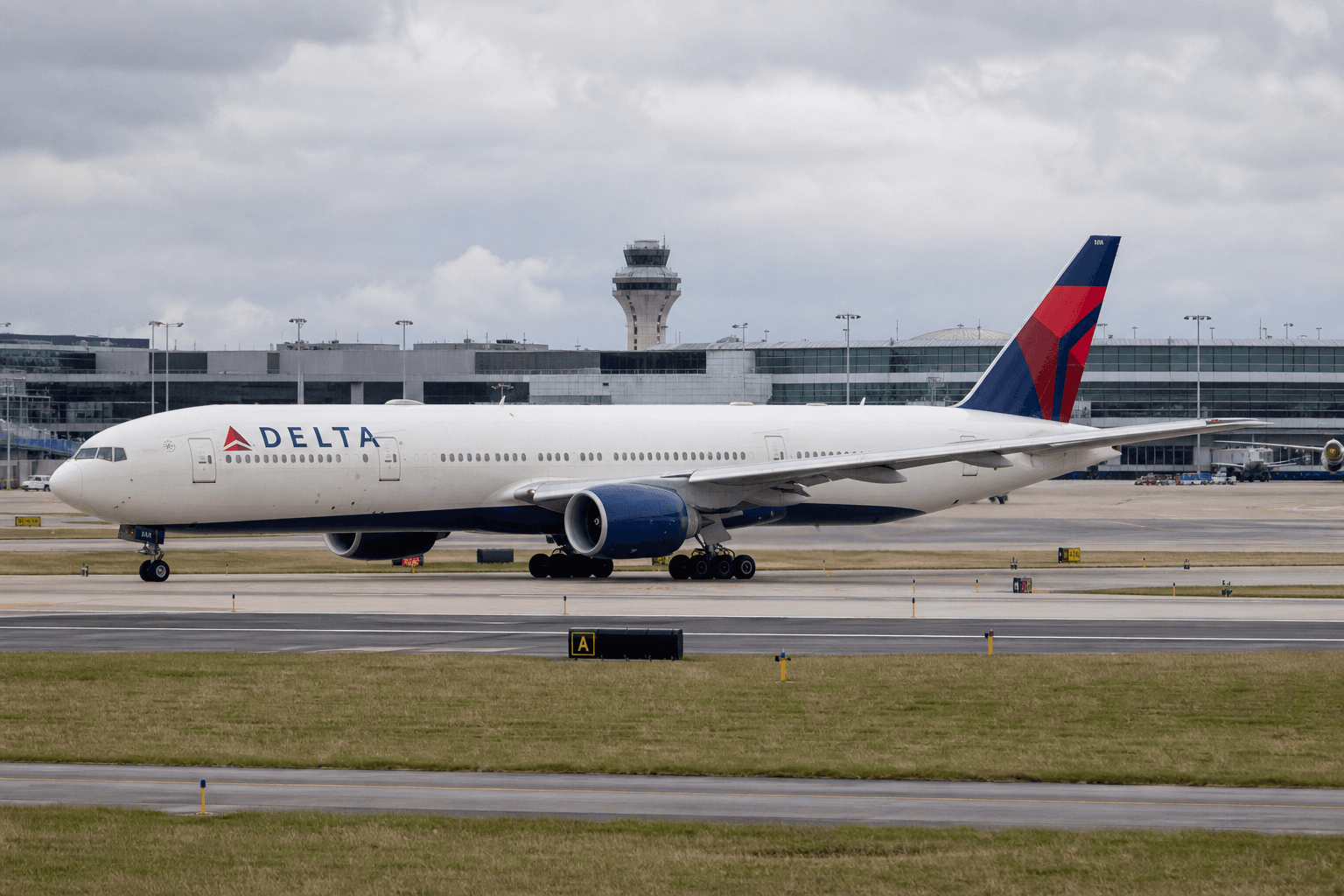
Delta CEO Aims for Elite Global Status, But Operational Issues Undermine Claims
Ed Bastian wants Delta mentioned with Singapore Airlines and the best Asian and Middle Eastern carriers. Delta has a brand, but product consistency and service still fall short and once-vaunted reliabiltiy has faltered.
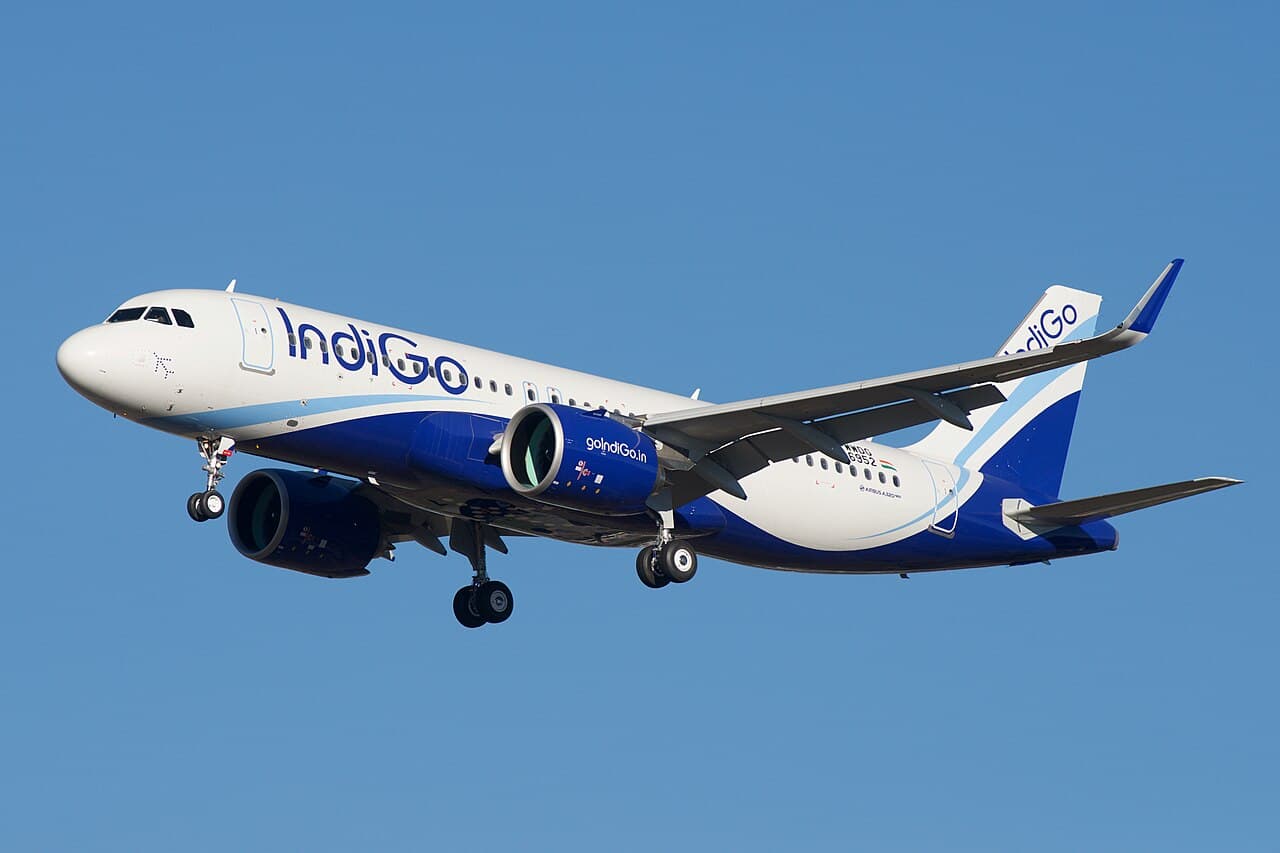
Lufthansa debuts Starlink internet on Airbus A320neo flight from Frankfurt to Rome
A mainline Lufthansa A320neo equipped with the satellite internet technology flew from Frankfurt to Rome.
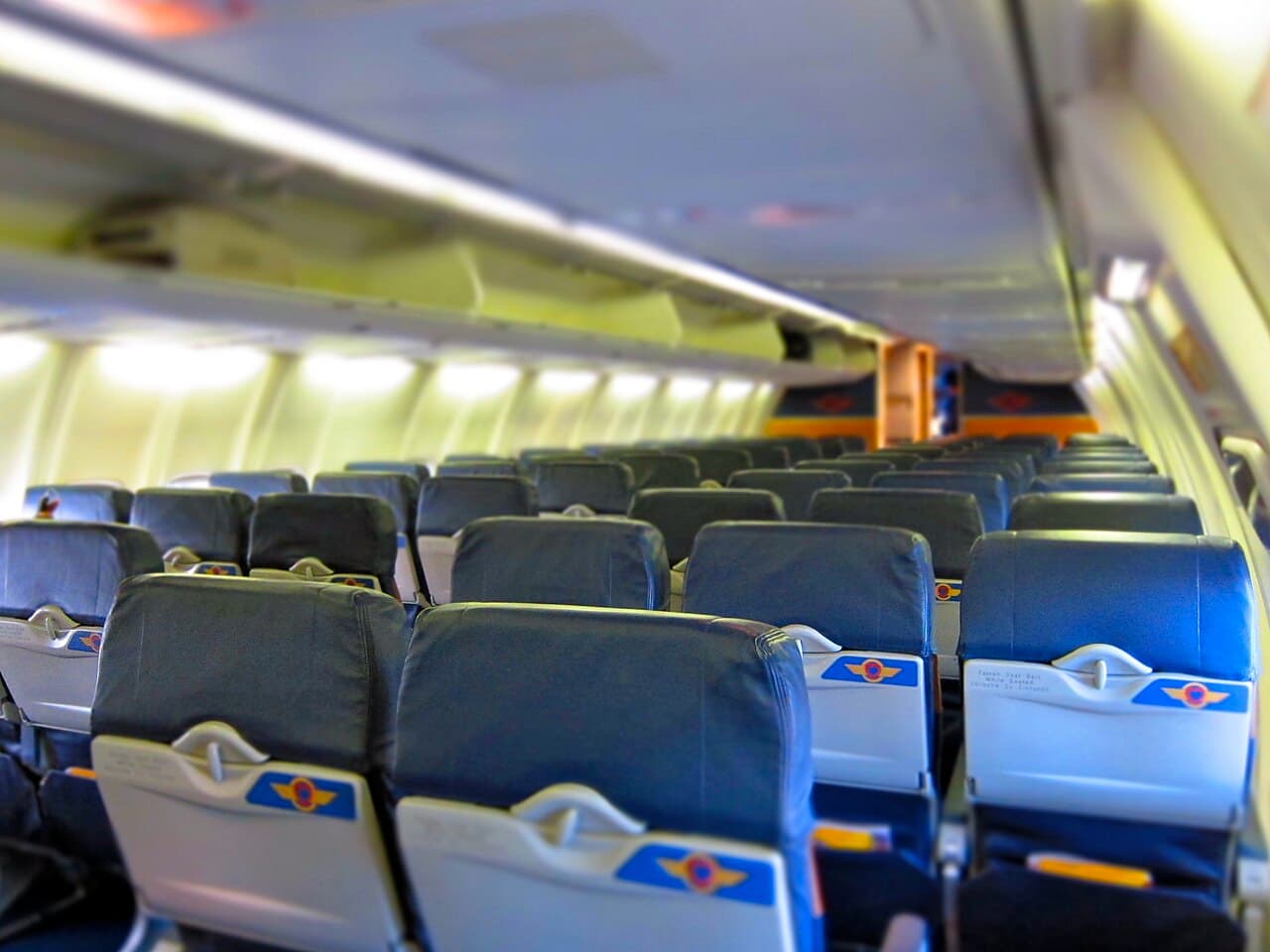
Southwest Must Correctly Inform Flight Attendants on Religious Discrimination Rights
Southwest Airlines reinstated flight attendant Charlene Carter and helped pay a $946,102.87 judgment after a jury found it liable for religious discrimination case - it fired her at the behest of the union as a result of her speaking out with anti-abortion and anti-union messages. But the airline triggered a contempt fight by refusing to send flight attendants the message about their rights that the judge demanded.
The Daily Touch & Go
The day's best aviation news in your inbox. Free, no spam.