


Image: Mark Brennan · CC BY-SA 2.0 · via Wikimedia Commons
Chartered Cessna 441 crashes near Alaska military radar site killing all eight aboard
A chartered twin-turboprop Cessna 441 carrying eight people crashed while approaching Cape Newenham Long Range Radar Site Airport in western Alaska, with no survivors confirmed by rescuers.
The gist
Eight killed as a Cessna 441 crashes on approach to remote Alaska military radar base amid challenging terrain and weather.
A chartered Cessna 441 twin-engine turboprop crashed on August 20, 2026, while approaching Cape Newenham Long Range Radar Site Airport in western Alaska, resulting in the deaths of all eight people onboard. The aircraft went down around 12:15 local time on land west of the military radar site airport, according to the Federal Aviation Administration (FAA).
The flight originated from Ted Stevens Anchorage International Airport (ANC) carrying two pilots and six passengers. The US Army Corps of Engineers confirmed it chartered the flight and that two of its employees were among those killed, though it has not identified the individuals or disclosed the nature of their visit to the remote location. The Corps is cooperating with local, state, and federal authorities in the response.
The aircraft was operated by Security Aviation based in Anchorage, which flies several Cessna Conquest II turboprops on charters across Alaska. FAA records list the plane as N128EZ, a 1979-model Cessna 441 Conquest II. This pressurized aircraft type can carry up to nine passengers and cruises at speeds of around 285 knots, according to the operator’s specifications.
Cape Newenham LRRS Airport is a private US Air Force strip serving a long-range radar station that monitors airspace over Alaska and near its borders. The airfield sits about 450 miles west of Anchorage and features a single gravel runway (15/33) approximately 3,945 feet long and 150 feet wide. The runway is located on a mountain slope rising over 300 feet from one end to the other, with significant high terrain warnings on both sides and at the southern end.
FAA advisories note that Runway 15 is the only instrument approach runway at the airport and highlight that a go-around maneuver poses extreme difficulties. At the time of the accident, fog was reported in the area, which likely added to the challenge of the approach. Clint Johnson, chief of the National Transportation Safety Board (NTSB) Alaska office, confirmed the crash occurred during approach to Cape Newenham.
The US Air Force and Alaskan Command expressed their condolences following the loss. Lt. Gen. Robert Davis, commander of Alaskan Command and the Eleventh Air Force, described the incident as devastating and emphasized the dedication of each individual on board who were supporting a vital mission in an extremely challenging environment.
Management of the radar installation falls under the Pacific Air Forces Regional Support Center as part of a network securing US airspace around Alaska. The NTSB has launched a full investigation with the assistance of the FAA and other agencies. As of now, investigators have not released details concerning the condition of the wreckage, the final flight path, or any potential mechanical issues.
The identities of the pilots and passengers remain undisclosed, and no further information about the cause of the accident is available. This tragic event marks a rare but fatal aviation accident involving charter operations to remote military sites in Alaska’s notoriously difficult flying conditions.
Frequently asked questions
- What type of aircraft crashed near Cape Newenham in Alaska?
- A chartered 1979 Cessna 441 Conquest II twin-engine turboprop crashed while approaching Cape Newenham Long Range Radar Site Airport.
- Who operated the aircraft involved in the accident?
- The aircraft was operated by Anchorage-based Security Aviation, which provides charter flights across Alaska with Conquest II aircraft.
- What makes Cape Newenham LRRS Airport challenging for aircraft operations?
- The airport has a single gravel runway on a mountain slope with high terrain warnings, limited instrument approaches, and reported fog, making approaches and go-arounds difficult.
Read more
All Aviation Safety →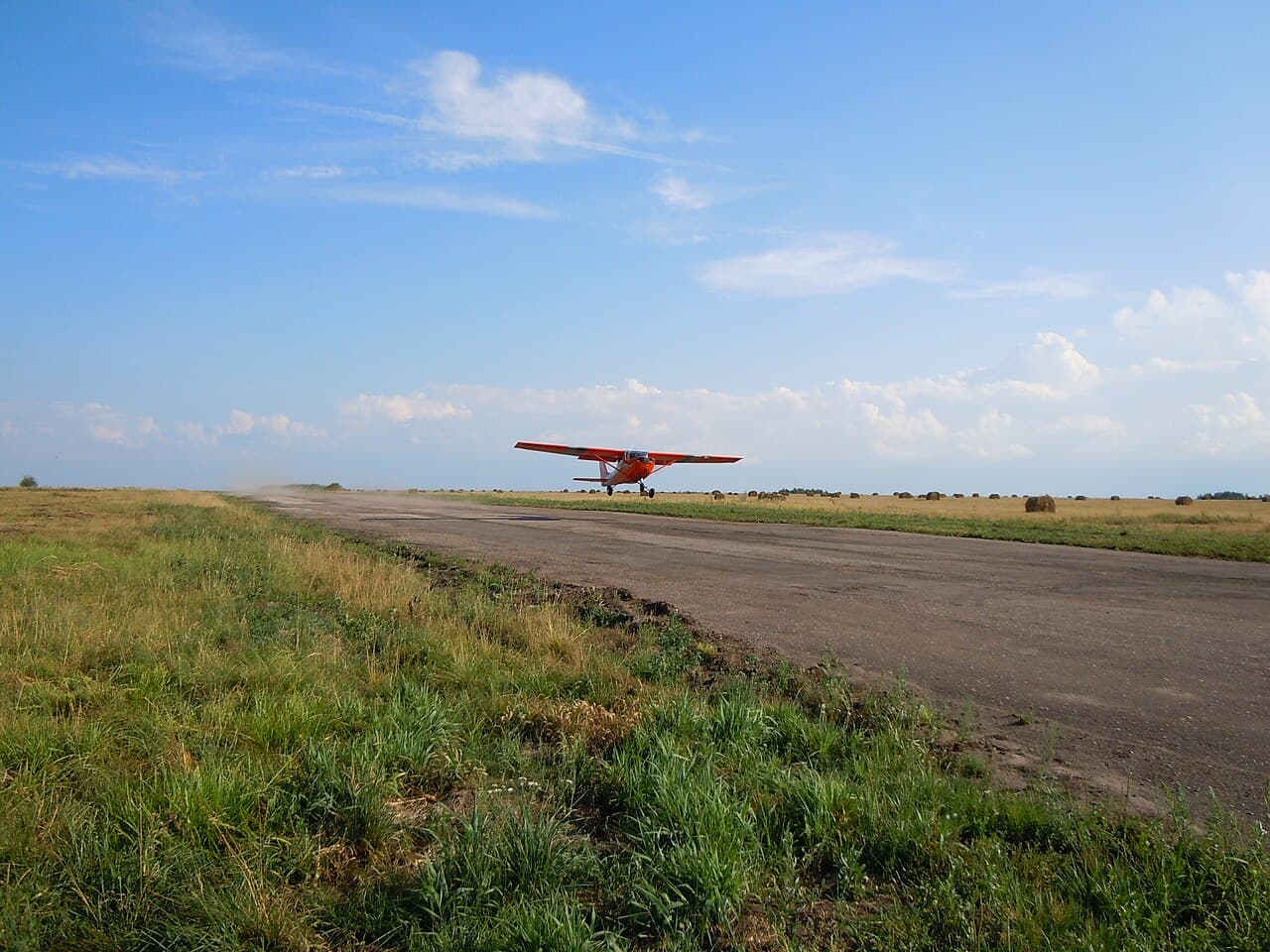
Cessna 150 collides with Pennsylvania State Police helicopter near Carlisle Airport, killing pilot
A Cessna 150 pilot was killed when his airplane collided with a hovering Pennsylvania State Police helicopter while the Cessna was attempting to land at Carlisle Airport in Pennsylvania. Video posted on X shows the Cessna approaching the runway at low altitude as the Bell 407 hovers several feet above a grassy area beside it. The airplane veers sharply to the right and strikes the helicopter from behind, sending both aircraft to the ground in a cloud of debris. The crash occurred at about 18:52 local time on August 19, 2026, according to the Pennsylvania State Police and Federal Aviation Administration (FAA). The Cumberland County Coroner's Office identified the Cessna pilot as 57-year-old Paul Sokoloski of Hershey. He was the only person aboard the airplane. Sokoloski was an emergency medicine physician affiliated with Penn State Health. He worked in emergency departments at Penn State Health Hampden Medical Center, Holy Spirit Medical Center and Lancaster Medical Center, according to his profile on the health system's website. The helicopter was conducting a routine training exercise when the collision occurred. Its two pilots, Corporal Bryce Corman and Trooper Jason Mills, are members of the Pennsylvania State Police aviation unit. The impact tore away the helicopter's rotor blades and tail boom. The aircraft rolled onto its side and partially onto its roof, trapping both troopers inside. Corman pushed out a window and helped Mills escape. Both were taken to Penn State Health Milton S. Hershey Medical Center, where hospital officials said they were in stable condition with minor injuries. "When I say it was a very violent crash, that plane was cut into a lot of pieces," Pennsylvania State Police Acting Commissioner George Bivens said during a news conference. Bivens said the Cessna approached from behind the helicopter while lined up with Runway 28 before veering right at the last moment. "The pilots would not have been able to even see that airplane approaching them," he said. Carlisle Airport is an uncontrolled field that does not have an air traffic control tower. Rotor wash from the hovering helicopter is one possible factor investigators may consider. The video shows the Cessna's right wing dropping shortly before impact, but it does not establish why the airplane veered sharply. FAA guidance warns that helicopters hovering close to the ground can produce high-velocity outwash vortices extending approximately three rotor diameters. The agency advises pilots of small airplanes to remain outside that area. The same guidance notes that helicopter wake turbulence can drift toward a nearby runway. Other factors, including visibility, aircraft spacing, radio communications and a possible last-second avoidance maneuver, have not been ruled in or out. The National Transportation Safety Board (NTSB) is leading the investigation, with assistance from the FAA and Pennsylvania State Police. No cause has been determined.

Endeavor Air CRJ700 suffers dual wing-tip strikes during Atlanta crosswind landing
Investigation into Endeavor Air incident at Atlanta finds both wings made ground contact during overcorrection. US investigators believe a MHIRJ CRJ700 attempting to land at Atlanta struck the ground with both wing-tips because its captain did not compensate sufficiently for gusting crosswinds. The Delta Connection aircraft – operated by Endeavor Air – had been inbound on the HOBTT3 arrival pattern from Montgomery, Alabama, on 26 February. It had encountered light turbulence during the descent and the turbulence intensified as the aircraft passed through 1,000ft while aligned with the ILS for Atlanta's runway 27L. The captain, who was flying, testified to the National Transportation Safety Board that they disengaged the autopilot to "get a sense of what the aircraft was doing", and continued with the approach. About 100ft above ground, the first officer remarked that the airspeed was 10kt above reference, and the captain slightly adjusted the thrust. Flare was initiated at the 30ft call-out. But the captain stated: "Just at that moment, we seemed to hit a gust of wind, which caused us to balloon and remove crosswind correction. "The left wing dipped and scraped the runway. I called a go-around but, in trying to level the wings to get a positive performance, I overcorrected and [scraped] the right wing." This testimony was consistent with that of the first officer, who was subsequently given control of the aircraft after the go-around, and landed the jet during its second approach. CRJ700s sit low on their undercarriage, reducing the wing clearance from the ground and the roll margin available before a wing-tip strike. Meteorological data from the airport about 20min before the incident indicated gusts of 30kt from 210°. None of the 68 occupants was injured but the aircraft sustained damaged to its leading-edge slats on both wings, as well as the wing-tips.
NASA Awards $30M for AI and Sustainable Aviation Technology Research at Universities
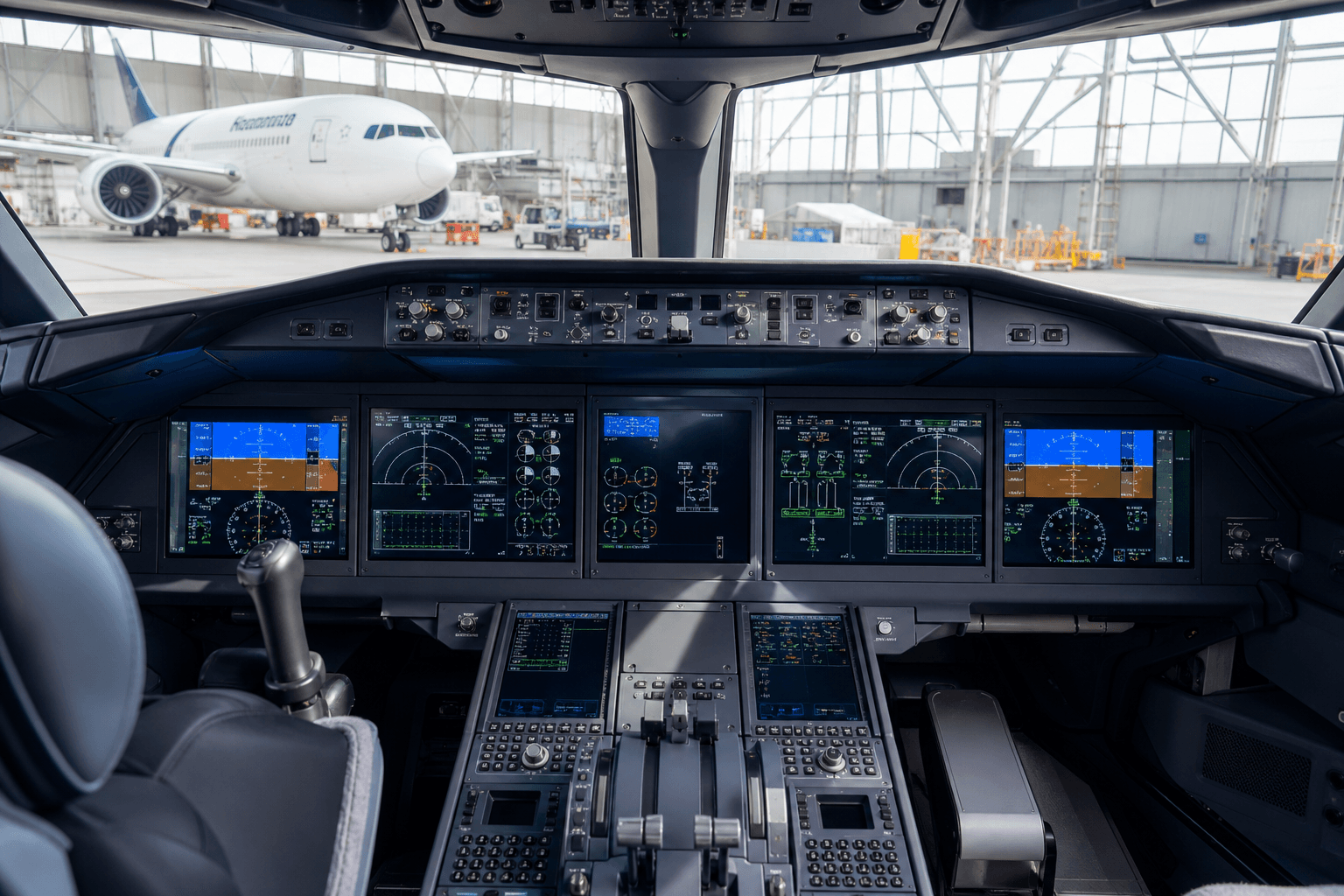
NASA on Thursday announced about $30 million in funding for four university aeronautics projects, including a Stanford University effort to develop machine-learning-enabled aircraft avionics. The multiyear awards are part of NASA's University Leadership Initiative, which pairs university researchers and students with partners from industry and government. Learning-Enabled Avionics Stanford researcher Somil Bansal will lead the four-year avionics project. The team plans to develop a system that uses machine learning to control aircraft communications, navigation and other electronics while continuously reinforcing safety during operation. NASA said the research could help establish a framework for eventually integrating AI-enabled avionics into the national airspace. "With these four new awards , the University Innovation project is leaning in on NASA's aeronautics mission priorities," said Andrew Provenza, project manager at NASA's Glenn Research Center. Other Projects The University of Minnesota will spend four years developing a fuel-flexible propulsion system designed to operate as a conventional turbofan during takeoff and subsonic flight before transitioning to ramjet operation. NASA says the proposed system could cruise at Mach 4. A second Stanford team will develop high-fidelity simulations for planning lower-noise flight paths for future small aircraft operating over populated urban areas. Virginia Tech received a three-year award for research into aircraft design and certification. Its project will combine model-based systems engineering, multidisciplinary design and analysis tools and uncertainty modeling to incorporate certification considerations earlier in aircraft development. NASA said the approach is intended to reduce the need for costly redesigns later in the development cycle. The four awards mark the ninth round of funding under the University Leadership Initiative.
Cessna 150 Collides with Pennsylvania State Police Bell 407 Helicopter at Carlisle Airport
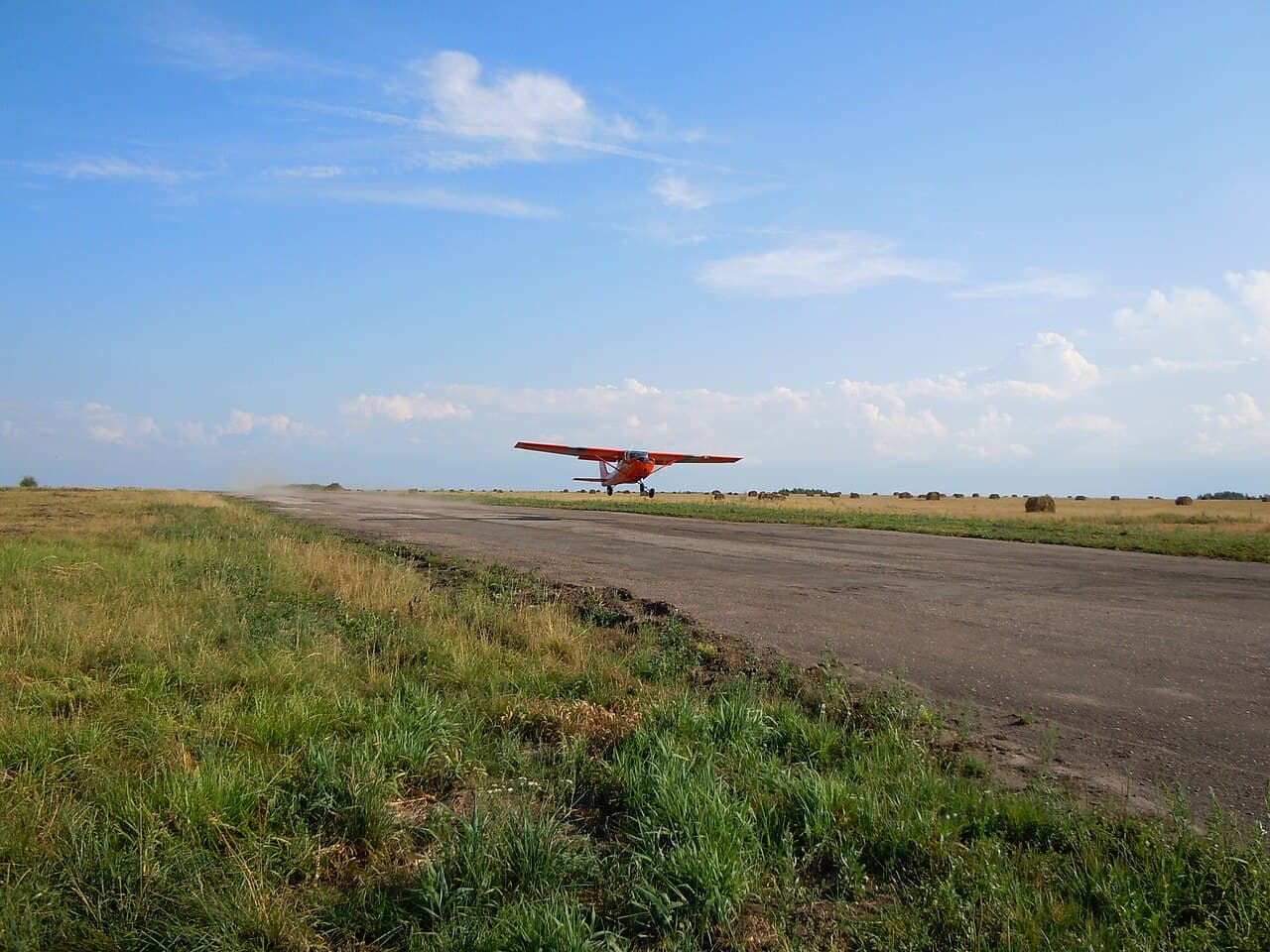
The pilot of a Cessna 150 was killed and two State Police troopers were hurt when the small plane collided with a police Bell 407 helicopter at Carlisle Airport, Pennsylvania, on Wednesday evening. Early reports suggest that the helicopter had been conducting routine training and was hovering a few feet above a grass area when the Cessna struck it from behind.
The Daily Touch & Go
The day's best aviation news in your inbox. Free, no spam.