

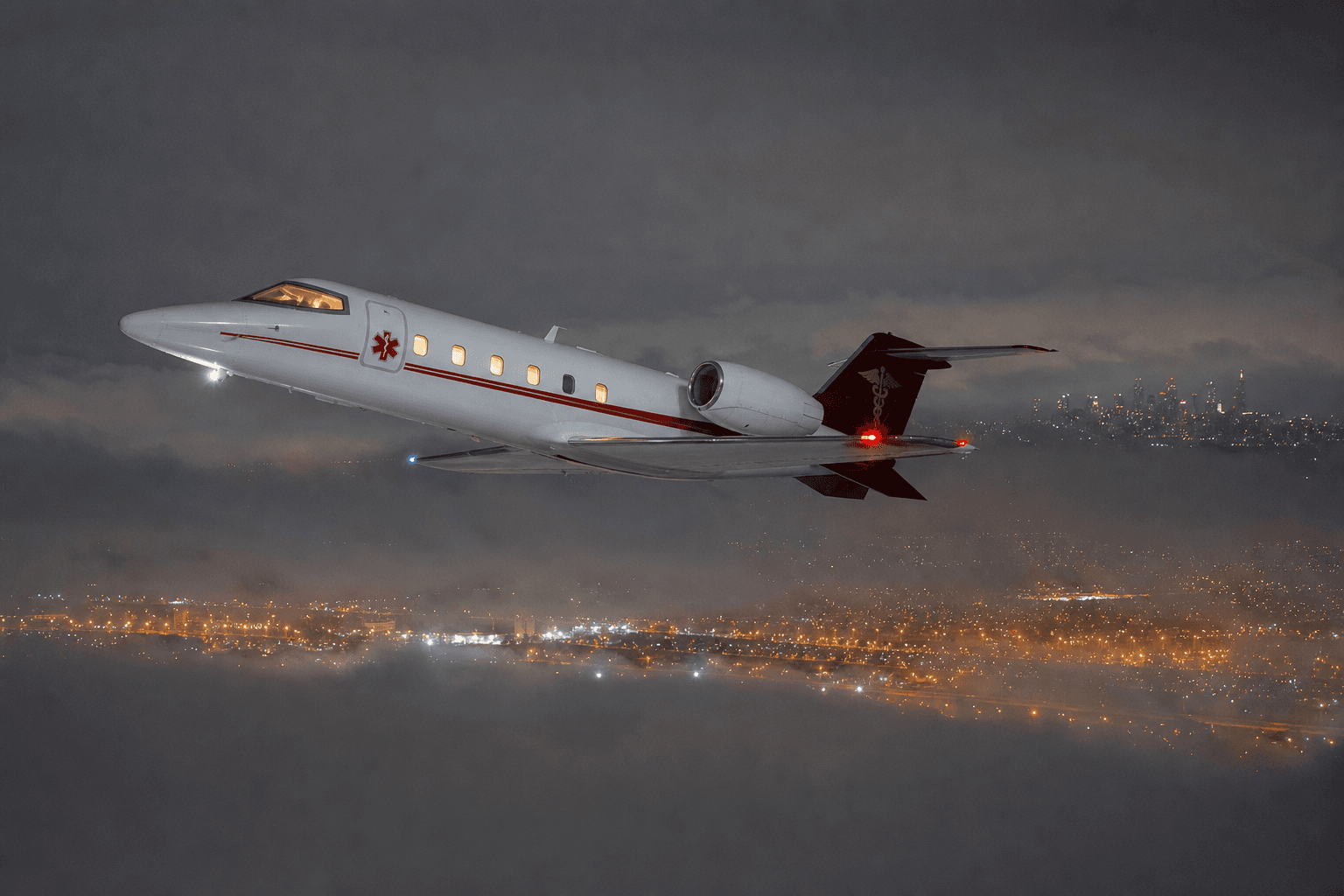
Illustration: The Touch & Go
NTSB probes trim settings and spatial disorientation in fatal Learjet 55 crash near Philadelphia
Investigators continue to examine the role of pitch-trim configuration and pilot spatial orientation in the January 2025 Learjet 55 crash shortly after takeoff from Northeast Philadelphia airport.
The gist
Investigation into the deadly 2025 Learjet 55 crash delves into trim settings and spatial disorientation amid limited flight recorder data.
Continuing coverage
All Ntsb →- NTSB Publishes New Video and Reports on Deadly Philadelphia Learjet 55 Crash
- Seven Passengers Sue Delta After Low-Speed Collision with Japan Airlines 787 at Seattle
- Engine debris caused cabin decompression on Ryanair 737-800, NTSB reveals
- NTSB and Ryanair Disagree Over Cause of Malta Air Boeing 737 Window Blowout Incident
- Bahamas grounds Flamingo Air after fatal Cessna 402 crash near North Andros
A fatal crash involving a medical Learjet 55 near Northeast Philadelphia airport on 31 January 2025 remains under investigation as officials probe the influence of trim settings and spatial disorientation on the accident. The jet crashed at high speed only about one minute after departure, killing all six occupants onboard along with one person on the ground. With no flight data recorder onboard and an unusable cockpit voice recorder, investigators face challenges piecing together what exactly unfolded during the flight's critical moments.
The absence of comprehensive flight recorder data has complicated efforts by the National Transportation Safety Board (NTSB) to determine the crash’s cause. Earlier hopes that the ground proximity warning system would yield valuable information ended after damage to that unit and limitations on data content forced investigators to abandon this avenue. The NTSB has yet to issue any cause findings for the accident as it continues its detailed examination.
Focus has shifted in part to the aircraft’s pitch-trim settings during takeoff. From recovered weight and balance data and a checklist found among the debris, experts believe the recommended takeoff pitch trim setting should have been 5.5°. However, inspection of the wreckage’s pitch-trim actuator suggested a trim position equivalent to 3.97°. The condition of the jackscrew mechanism showed no signs of mechanical issues or runaway trim.
Since actual trim positions were not recorded electronically, the inquiry struggles to ascertain whether the aircraft’s trim was set correctly before takeoff or adjusted during flight. Bombardier, the aircraft manufacturer, conducted trajectory-based simulations that calculated pilot control forces for different assumed trim settings. For example, if the pilot had used the 5.5° trim throughout, calculations suggest initial back-pressure on the controls transitioning to increasing push forces as the flight progressed. The 3.97° assumption corresponded to a more pronounced nose-down trim posture.
The trim angle’s relevance is underscored by the aircraft’s sudden and unexplained descent after reaching a peak altitude near 1,320 feet above ground level. This transition happened roughly thirty seconds after the jet entered an overcast cloud layer at about 400 feet during nighttime conditions. At cloud entry, the aircraft was climbing at about 2,300 feet per minute at 191 knots, but the climb rate diminished rapidly and then changed to an accelerating descent, peaking at a fall rate near 10,000 feet per minute.
No evidence was found indicating a decrease in engine thrust during the flight, ruling out power loss as a factor in the descent. The loss of external visual references in night and cloud conditions raises the possibility that spatial disorientation affected the crew. Such conditions can induce somatogravic illusions, confusing the vestibular system and impairing pilot perception of aircraft pitch and acceleration.
The NTSB has not concluded whether spatial disorientation played a role or if it influenced pilot inputs including posture on the control column or trim adjustments. The investigation is incorporating various data, including evaluations of medical equipment found onboard such as oxygen supply, analysis of operator training and risk assessments, and interviews with training staff to provide a fuller picture of potential operational factors.
These comprehensive review efforts by the NTSB reflect the complexity and remaining uncertainties surrounding this particular accident. The final report will depend heavily on forensic analysis in the absence of direct flight data, focusing on engineering inspections, pilot physiology, crew actions, and environmental conditions as intertwined contributors.
Frequently asked questions
- Why is the trim setting important in the investigation of the Learjet 55 crash?
- Trim settings affect aircraft pitch behavior, influencing control forces; uncertainty over whether trim was correctly set or adjusted is central to understanding the crash's cause.
- What role might spatial disorientation have played in the Learjet accident?
- Entering cloud at night likely caused loss of visual references, potentially inducing somatogravic illusions that could have impaired crew perception and contributed to loss of control.
Read more
All Aviation Safety →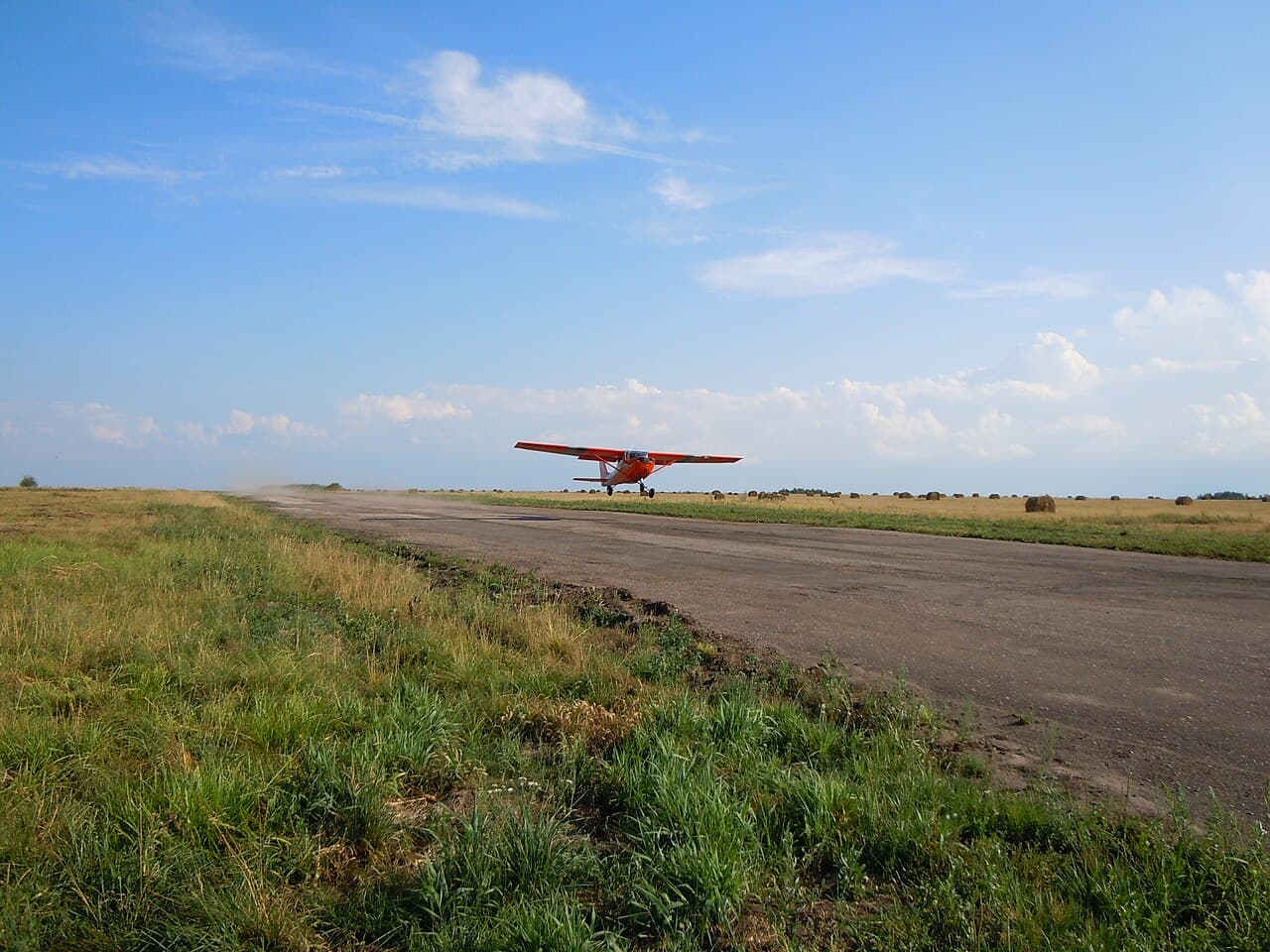
Cessna 150 collides with Pennsylvania State Police helicopter near Carlisle Airport, killing pilot
A Cessna 150 pilot was killed when his airplane collided with a hovering Pennsylvania State Police helicopter while the Cessna was attempting to land at Carlisle Airport in Pennsylvania. Video posted on X shows the Cessna approaching the runway at low altitude as the Bell 407 hovers several feet above a grassy area beside it. The airplane veers sharply to the right and strikes the helicopter from behind, sending both aircraft to the ground in a cloud of debris. The crash occurred at about 18:52 local time on August 19, 2026, according to the Pennsylvania State Police and Federal Aviation Administration (FAA). The Cumberland County Coroner's Office identified the Cessna pilot as 57-year-old Paul Sokoloski of Hershey. He was the only person aboard the airplane. Sokoloski was an emergency medicine physician affiliated with Penn State Health. He worked in emergency departments at Penn State Health Hampden Medical Center, Holy Spirit Medical Center and Lancaster Medical Center, according to his profile on the health system's website. The helicopter was conducting a routine training exercise when the collision occurred. Its two pilots, Corporal Bryce Corman and Trooper Jason Mills, are members of the Pennsylvania State Police aviation unit. The impact tore away the helicopter's rotor blades and tail boom. The aircraft rolled onto its side and partially onto its roof, trapping both troopers inside. Corman pushed out a window and helped Mills escape. Both were taken to Penn State Health Milton S. Hershey Medical Center, where hospital officials said they were in stable condition with minor injuries. "When I say it was a very violent crash, that plane was cut into a lot of pieces," Pennsylvania State Police Acting Commissioner George Bivens said during a news conference. Bivens said the Cessna approached from behind the helicopter while lined up with Runway 28 before veering right at the last moment. "The pilots would not have been able to even see that airplane approaching them," he said. Carlisle Airport is an uncontrolled field that does not have an air traffic control tower. Rotor wash from the hovering helicopter is one possible factor investigators may consider. The video shows the Cessna's right wing dropping shortly before impact, but it does not establish why the airplane veered sharply. FAA guidance warns that helicopters hovering close to the ground can produce high-velocity outwash vortices extending approximately three rotor diameters. The agency advises pilots of small airplanes to remain outside that area. The same guidance notes that helicopter wake turbulence can drift toward a nearby runway. Other factors, including visibility, aircraft spacing, radio communications and a possible last-second avoidance maneuver, have not been ruled in or out. The National Transportation Safety Board (NTSB) is leading the investigation, with assistance from the FAA and Pennsylvania State Police. No cause has been determined.
Seven Passengers Sue Delta After Low-Speed Collision with Japan Airlines 787 at Seattle
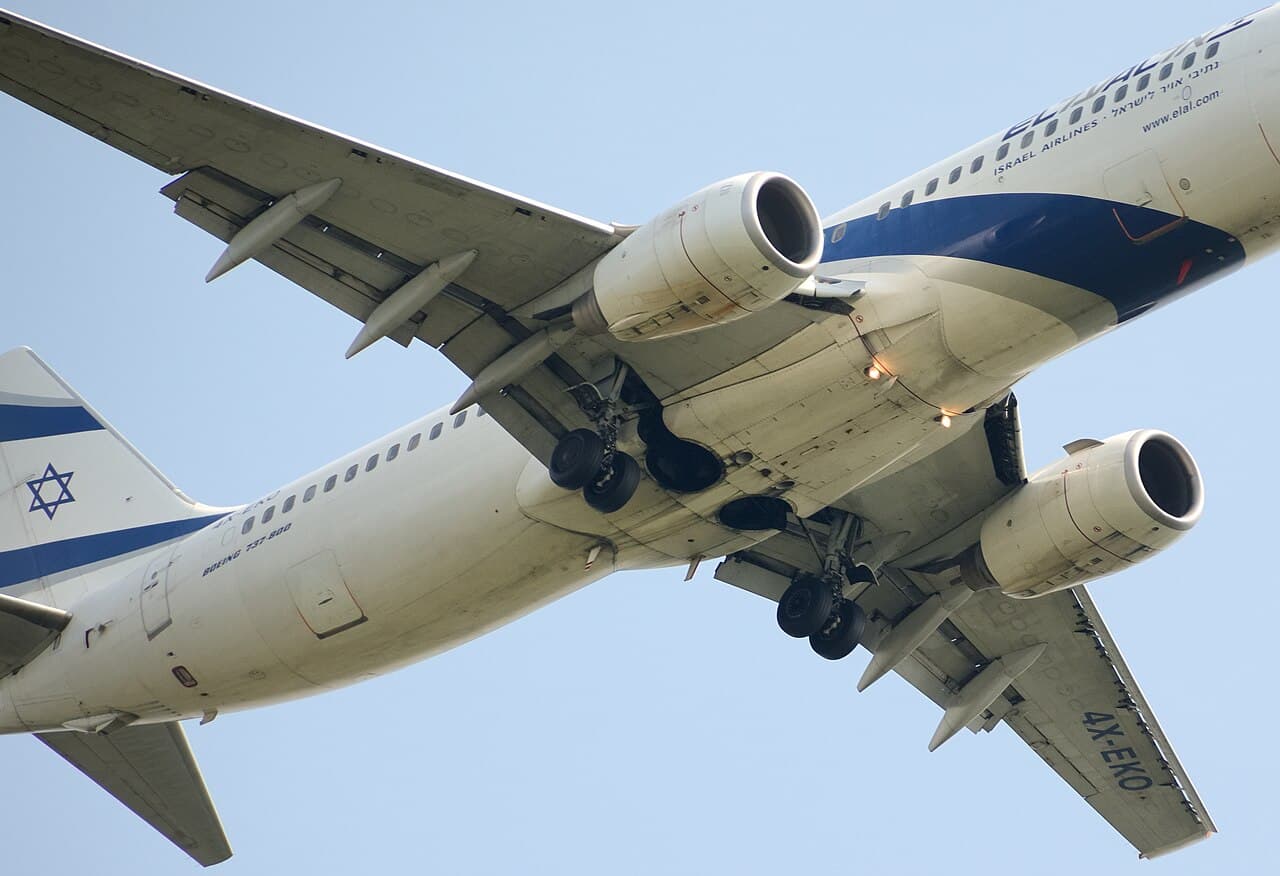
Seven members of the same family are pursuing injury claims against Delta Air Lines after a Japan Airlines Boeing 787-9 struck the tail of their stationary Boeing 737-800 at Seattle-Tacoma International Airport (SEA) in February 2025. The litigation is notable because the collision occurred at roughly 2.3 mph (3.7 km/h), and the National Transportation Safety Board (NTSB) recorded no injuries among the people aboard either aircraft.
Vietnam Airlines Boeing 787 overruns runway and suffers tail strike during Munich takeoff
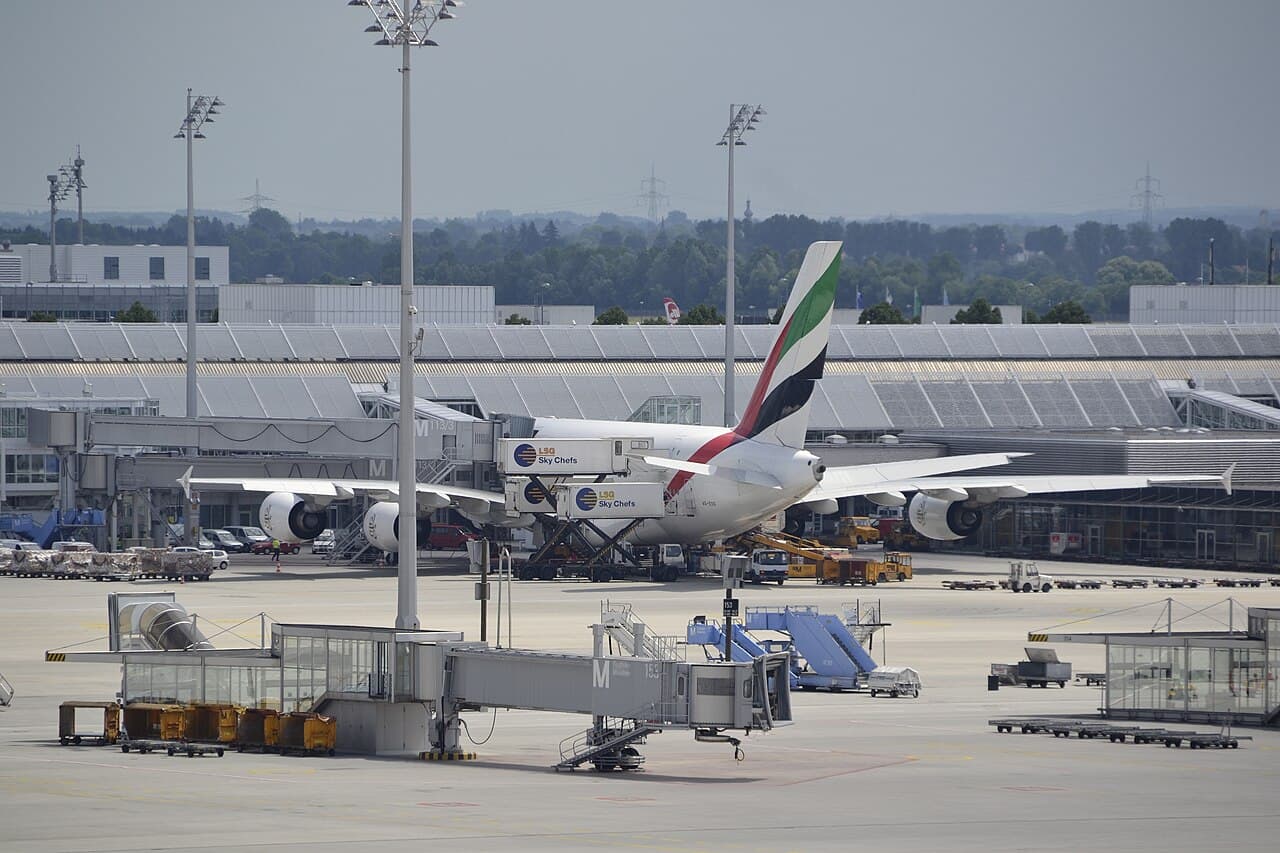
A Vietnam Airlines Boeing 787 had an accident today while taking off on a long haul flight from Germany to Vietnam. Fortunately no one appears to have been injured, but I can't even begin to wrap my head around how something like this could happen… Vietnam Airlines 787 struggles to take off on very long runway This incident happened today (Saturday, August 15, 2026), and involves Vietnam Airlines flight VN34, scheduled to fly from Munich (MUC) to Hanoi (HAN). The flight was operated by a 10-year-old Boeing 787-9 with the registration code VN-A867 . At 1:57PM local time, the plane started its takeoff roll on runway 26L, which is 4,000 meters (13,123 feet) long. This is about as long as commercial runways get, so it's way longer than what even a fully loaded Dreamliner would need. However, something went seriously wrong with this takeoff. The plane accelerated down the runway… and kept accelerating, and accelerating, and accelerating. Eventually the plane seemingly overran the end of the runway, causing damage to runway lights. In the video you can see that huge clouds of dust rose around the aircraft, as the tail struck the ground. Fortunately the plane did manage to become airborne, though the crew immediately declared an emergency. The plane climbed up to 10,000 feet, and at that point the crew reported that they had an indicator that they had an issue with tire pressure. The plane circled around the area for around 90 minutes (either to burn or dump fuel), at which point the aircraft performed two low approaches over the runway, so damage could be assessed. Then the plane landed on runway 26R on the third approach, and it became disabled on the runway, closing the runway for an extended period of time. That landing was at 3:57PM, two hours after the plane first took off. The path for Vietnam Airlines flight VN34 Below is the takeoff video. Vietnam Airlines Boeing 787-9 Dreamliner reportedly overruns the runway during take-off from Munich. The aircraft is currently on approach to the airport after holding. Video: MunichAviation pic.twitter.com/qqbWSV2jrN — Breaking Aviation News & Videos (@aviationbrk) August 15, 2026 Then below is the landing video. Vietnam B787-9 appears to have shredded its tires on emergency return landing to Munich https://t.co/4ZvkFG1nXC pic.twitter.com/2Gz0ZiTLs8 — Breaking Aviation News & Videos (@aviationbrk) August 15, 2026 Below are pictures showing the tire damage and tail strike after the plane returned to Munich. Tail strike on VN-A867 + possible ELECTRIC BRAKE ACTUATOR ISSUES On Both MAIN GEAR. Vietnam Airlines 787-9 out of Munich today… very late rotation, almost full runway used, confirmed tail strike, then returned with multiple tires shredded. Electric Brake Actuator (EBA)… pic.twitter.com/d2t2mD52T5 — Fahad Naim (@Fahadnaimb) August 15, 2026 Confirmed tail strike damage on VN-A867 The whole tail strike module is gone. There's a clear puncture through the lower fuselage, with torn composite and heavy scrape marks running aft. This was not light contact… they must have been pulling hard to get it airborne. This jet… pic.twitter.com/WNBqFvzMzf — Fahad Naim (@Fahadnaimb) August 15, 2026 I think it's safe to assume that this plane will be on the ground for quite some time, and isn't going anywhere any time soon… What could possibly explain this messed up takeoff? Looking at the video of the takeoff, there's nothing that stands out to me as being particularly unusual. It looks like the plane is accelerating decently, the flaps are in use, etc. But the plane just keeps going and going. I tried to pull up the flight data through Flightradar24, which typically shows you the altitude and speed for a plane, but oddly there's a roughly five minute gap around the takeoff time. I'm not sure how we're supposed to interpret that. Flightradar24 data on this Vietnam Airlines flight Either way, it's hard to comprehend what happened here. If the pilots felt something was off during the takeoff roll, they'd logically abort the takeoff. And a 13,000+ foot runway is particularly long, so they should've had a major buffer here. Typically when we see incidents like this, it's because the takeoff performance for the plane wasn't calculated correctly (that's not to say that's the cause here, but I'm just saying that's the most common explanation for this kind of an incident). Did the crew not have the right "numbers" for this flight when determining takeoff performance? That mistake can happen sometimes, but typically pilots would catch the error, because something looks off. I mean, this was a long haul 787 flight, so pilots roughly know what kind of takeoff performance they should be expecting. Was there some technical or other glitch that prevented the plane from taking of when it was supposed to, or what? We'll have to wait for a full investigation, but everything about this incident is very strange. Bottom line A Vietnam Airlines Boeing 787 had a seriously messed up takeoff from Munich, as the plane overran the runway on takeoff, causing it to damage runway lights, strike its tail, and cause huge clouds of dust to rise. When the plane came back to land, it also had serious issues with its wheels, and the full damage of the tail strike was discovered. Particularly given how long Munich Airport's runway is, there's nothing about this that looks good… I'm curious to see what an investigation reveals. On the plus side, thank goodness no one was hurt, because it seems like this could've also had a much worse ending. What do you make of this Vietnam Airlines runway overrun in Munich?
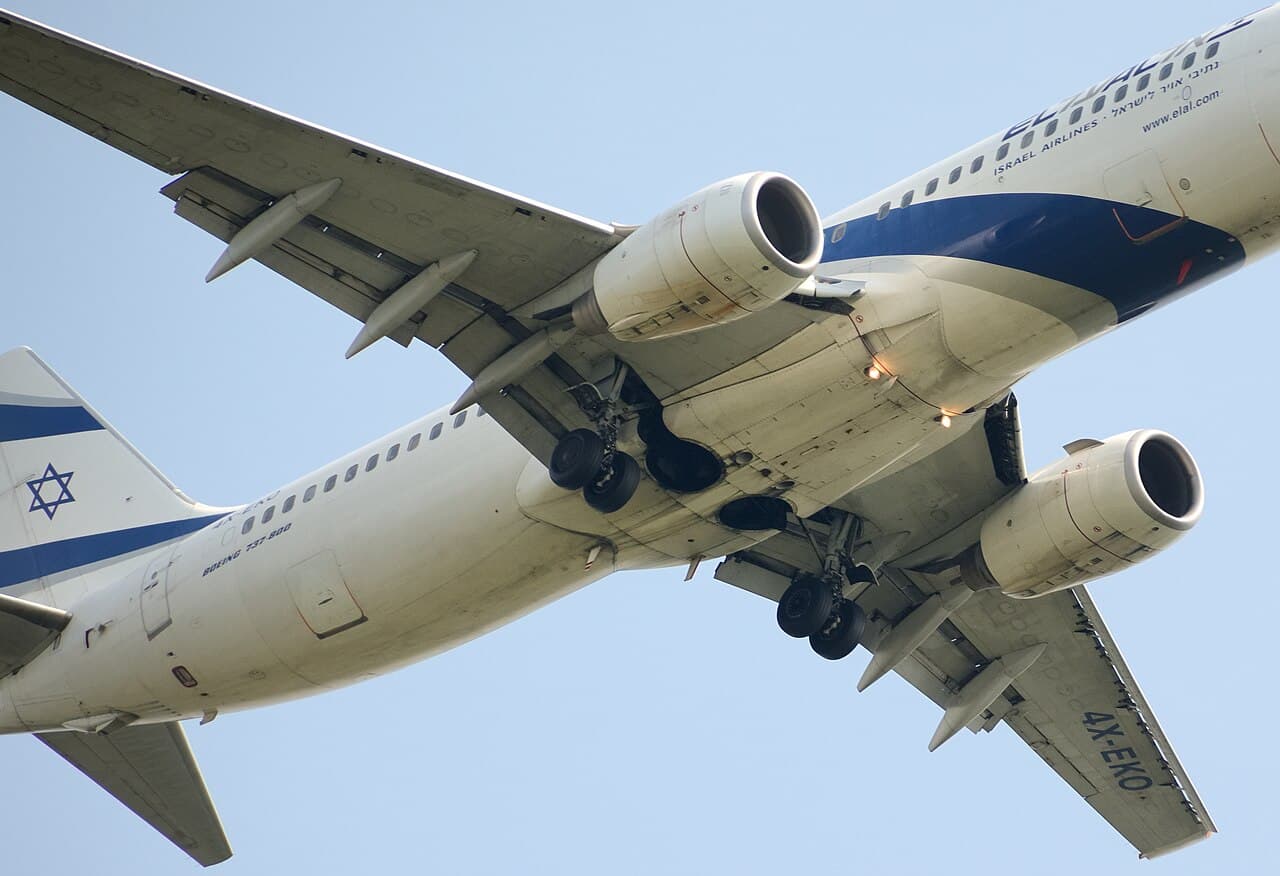
American Airlines Boeing 737-800s with identical callsigns nearly conflicted near Phoenix
Controller acted to separate converging outbound and inbound services on Chicago O’Hare route. Air-ground radio communications have revealed that a controller at Phoenix had to resolve an extraordinary conflict between outbound and inbound American Airlines Boeing 737-800s that were using identical callsigns. The aircraft were both operating the AA2482 service, whose flight number applies to the Phoenix-Chicago and Chicago-Phoenix sectors. Communications from Phoenix departure control, archived by LiveATC, indicate that the conflict occurred just after midnight on 14 August, about 5min after the Chicago-bound aircraft took off from runway 7L. It turned north and its crew informed the controller that they were climbing through 6,000ft to their assigned altitude of 9,000ft. The controller appeared to realise that the aircraft would cross the flightpath of the inbound service, arriving from Chicago, which was descending from the northeast at about 12,000ft. Distinguishing the inbound flight to its crew by referring to its being "on the arrival", the controller instructed it to maintain 10,000ft, which the crew confirmed. The controller then asked: "And there's an American 2482 on a 0730 code, is that correct, on the departure?" When the outbound crew confirmed they were climbing to 9,000ft, the controller acknowledged. "On the departure I need you to maintain 9,000, traffic one o'clock and 10 miles," he instructed, then added: "[It's] your company, same callsign, out of 11,800 descending to 10,000." "Incredible – we're looking, thank you," the outbound crew replied. Publicly-available ADS-B data suggests the outbound aircraft passed behind, and below, the inbound, although their precise horizontal and vertical separation has not been verified. The inbound Chicago-Phoenix flight appears to have been running some 90min behind schedule which would have contributed to the coincidental positioning. Identical callsigns for inbound and outbound services between the same city pairs are not unusual. American's flight AA1888 operates both ways on the Dallas-Raleigh route, as does Delta Air Lines' DL2006 between Milwaukee and Minneapolis.
The Daily Touch & Go
The day's best aviation news in your inbox. Free, no spam.