


Image: Noah Wulf · CC BY-SA 4.0 · via Wikimedia Commons
US Air Force Chose F-35A Over F-22 For Export to Strengthen Global Alliances
The US steered export partners to the F-35A instead of the F-22 due to strategic, operational, and legal reasons emphasizing coalition integration over technology exclusivity.
The gist
The F-35A was selected over the F-22 for export to deepen alliances and maintain US air dominance secrecy.
The United States Air Force distinctly opted to promote the Lockheed Martin F-35A Lightning II as its primary export fighter while restricting the sale of the F-22 Raptor, not simply because of performance metrics but due to broader strategic considerations. The F-22, designed primarily as a top-tier air superiority fighter, is protected by law from foreign sale to preserve its technological edge within US forces alone. Meanwhile, the F-35 was purposely developed as a multinational program to foster interoperability among allies and shared operational capabilities.
The F-22 Raptor emerged as a highly specialized platform focusing on air dominance, integrating stealth, supercruise capability, and advanced avionics optimized for the opening phase of high-end conflicts. Its design prioritized dominating contested airspace by eliminating threats before detection, a quality that positioned it as an exclusive asset for the US Air Force. In contrast, the F-35 was engineered as a versatile, multirole aircraft capable of strike missions and networked force integration across multiple partner air forces.
From the outset, the F-35 program embraced multinational collaboration, allowing allied nations not only to purchase but also co-develop and maintain the aircraft. This approach lowered per-unit costs through larger production scale and enabled commonality across partner air forces, enhancing coalition warfare capabilities. The F-35 serves as a flying sensor and communications node, fusing radar, infrared, and electronic data into a comprehensive operational picture for pilots and commanders.
Congressional legislation, known as the Obey Amendment beginning in 1998, expressly forbade the use of funds for foreign sales of the F-22, reflecting concerns over technological proliferation and regional power imbalances. The US government feared that even allied operators could risk exposing the Raptor’s sensitive stealth and avionics technologies through espionage or compromise, making the aircraft’s export untenable irrespective of foreign interest.
Among US allies, Japan demonstrated the most persistent interest in acquiring the F-22, contemplating procurement of approximately 40 units to bolster its own air defense. Australia and Israel also showed exploratory interest, but none of these efforts advanced beyond initial discussions due to the combined obstacles of export restrictions, security concerns, and the impending end of the F-22 production line. The export ban effectively nullified the possibility of the F-22 becoming a multinational platform.
The closed production of the F-22 and the firm export ban further cemented the F-35A’s position as the default fifth-generation fighter for the United States and its allies. The F-35’s design philosophy centered on interoperability and shared operations, contrasting starkly with the F-22’s exclusivity. This strategic choice enables allies to integrate tightly with US forces in joint operations while sharing the logistic and financial burden of sustaining a common aircraft family.
Today, the F-35 is recognized not just as a fighter jet but as a comprehensive coalition combat system designed to synchronize allied airpower via advanced sensor fusion and data sharing. This multidimensional capability aligns with contemporary military doctrines emphasizing networked warfare over isolated platforms. The US decision to promote the F-35 for export thereby enhances alliance cohesion and operational effectiveness on a global scale.
Frequently asked questions
- Why can't the F-22 Raptor be exported to US allies?
- Due to the Obey Amendment and subsequent legislation since 1998, the US Congress banned the export of the F-22 to protect its sensitive stealth and avionics technologies from proliferation or compromise.
- What strategic advantages does the F-35 offer that made it suitable for export?
- The F-35 was designed as a multinational program emphasizing interoperability, cost-sharing, and integrated networked combat power, making it ideal for allied cooperation and coalition warfare.
- Which countries showed interest in acquiring the F-22 despite the export ban?
- Japan demonstrated the most sustained interest towards acquiring about 40 F-22s, while Australia and Israel expressed exploratory interest, but none succeeded due to legislative and production constraints.
Read more
All Military/Defense →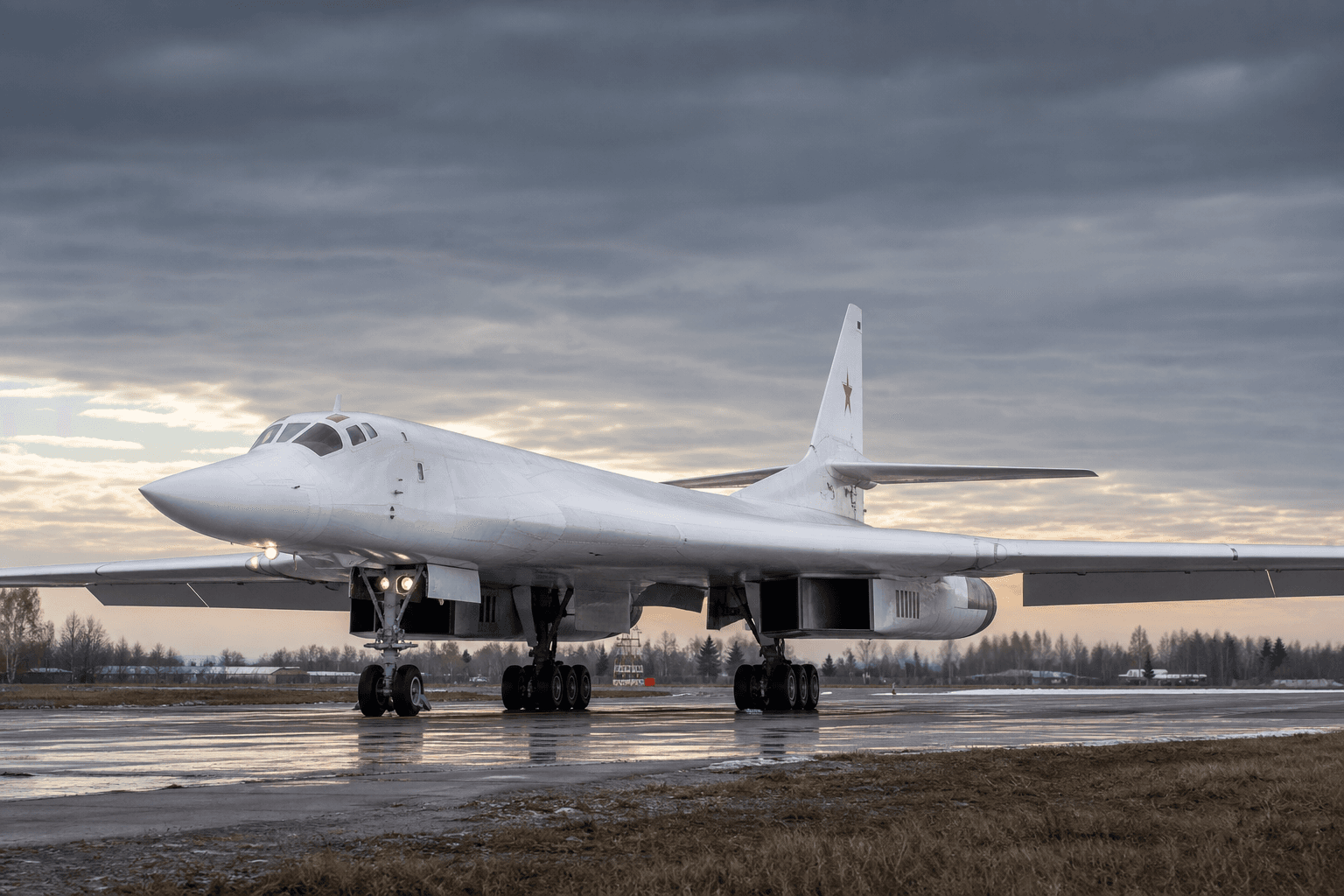
Russia's Strategic Bomber Fleet Faces Decline as Modernized Tu-160s Enter Service
Only three countries in the world are considered to be strategic bomber powers: these are the United States, Russia , and China. Historically, the US and Russia were in a class of their own, while China's large but H-6-based force occupied a lower tier in terms of range, survivability, and overall capability (Xi'an H-6 bomber, heavily derived from the 1950s-era Soviet Tupolev Tu-16).
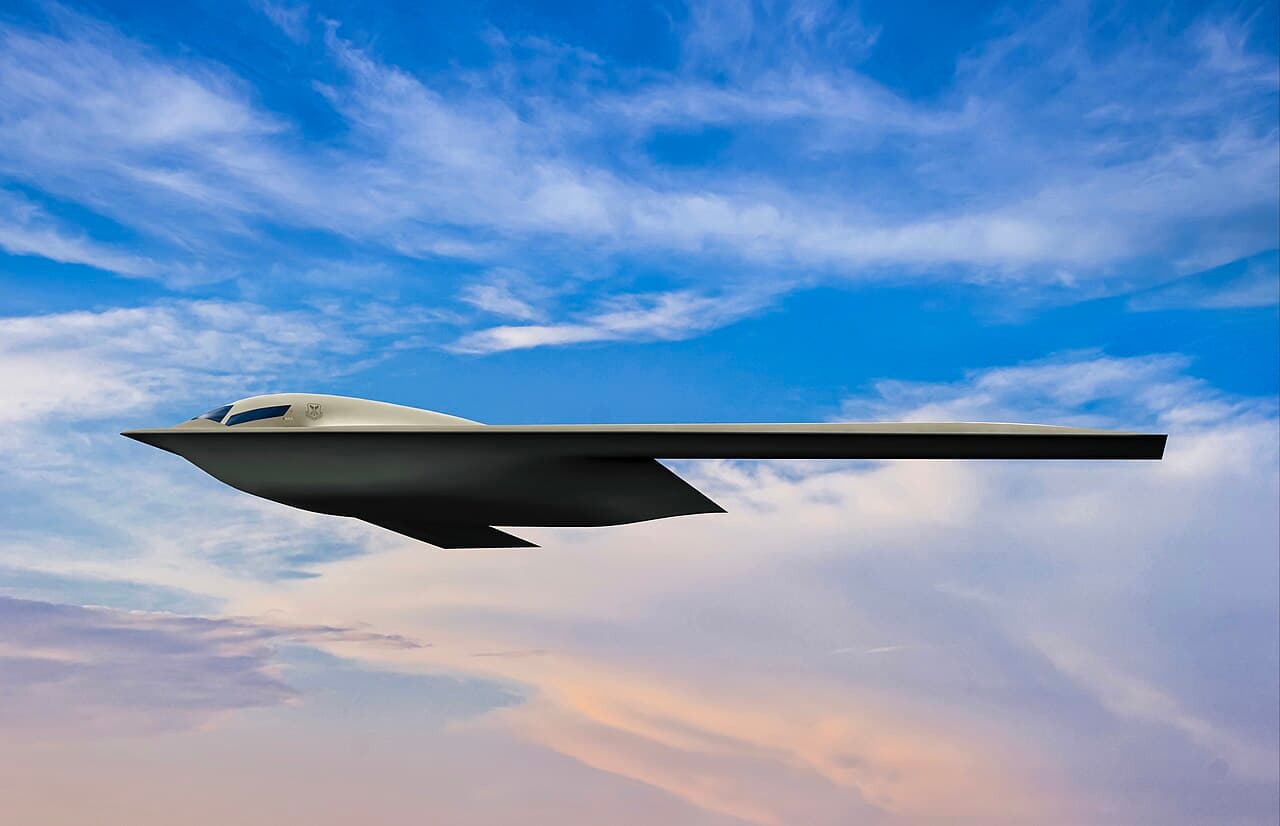
US Air Force invests over $19 billion to modernize five key bases, led by Guam and Ellsworth
The United States Air Force is pouring more concrete, steel, and taxpayer money into its bases right now than at any point since the Cold War, and the bill across just five installations already tops $19 billion. This list ranks those five reconstruction efforts by the size of the investment attached to each one, running from a $409 million jungle-clearing job in the Mariana Islands up to an $8 billion air defense shield on Guam .
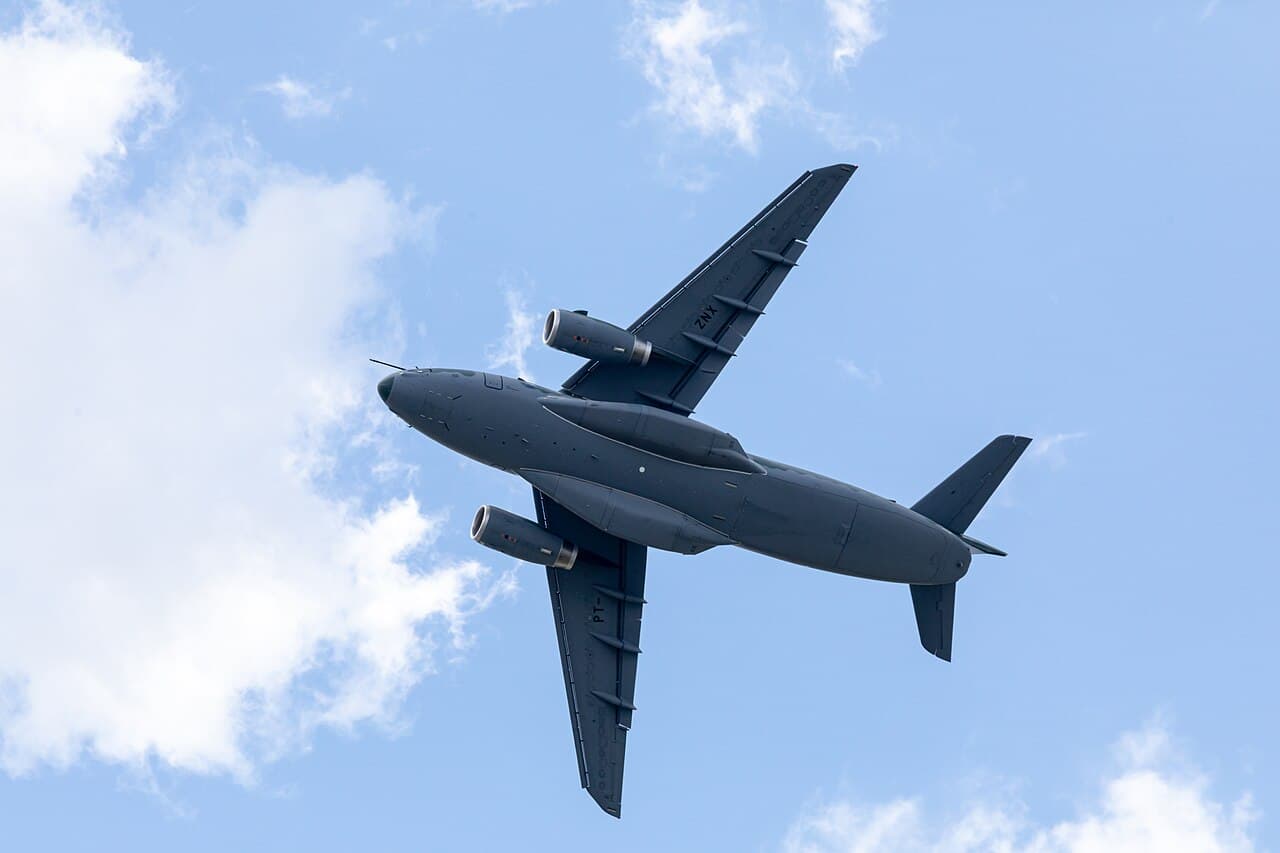
Embraer's KC-390 Secures 5 NATO Orders as a C-130 Alternative but USAF Remains Uninterested
Embraer's KC-390 Millennium has debuted to a resoundingly successful reception from many air forces around the world. A number of operators in Europe have jumped at the compact airlifter with its aerial refueling capability bundled in the twinjet, akin to a half-scale McDonnell Douglas C-17 Globemaster III. The US Air Force is currently struggling severely with its new Boeing KC-46A Pegasus, but it has not shown any interest in the Millennium.
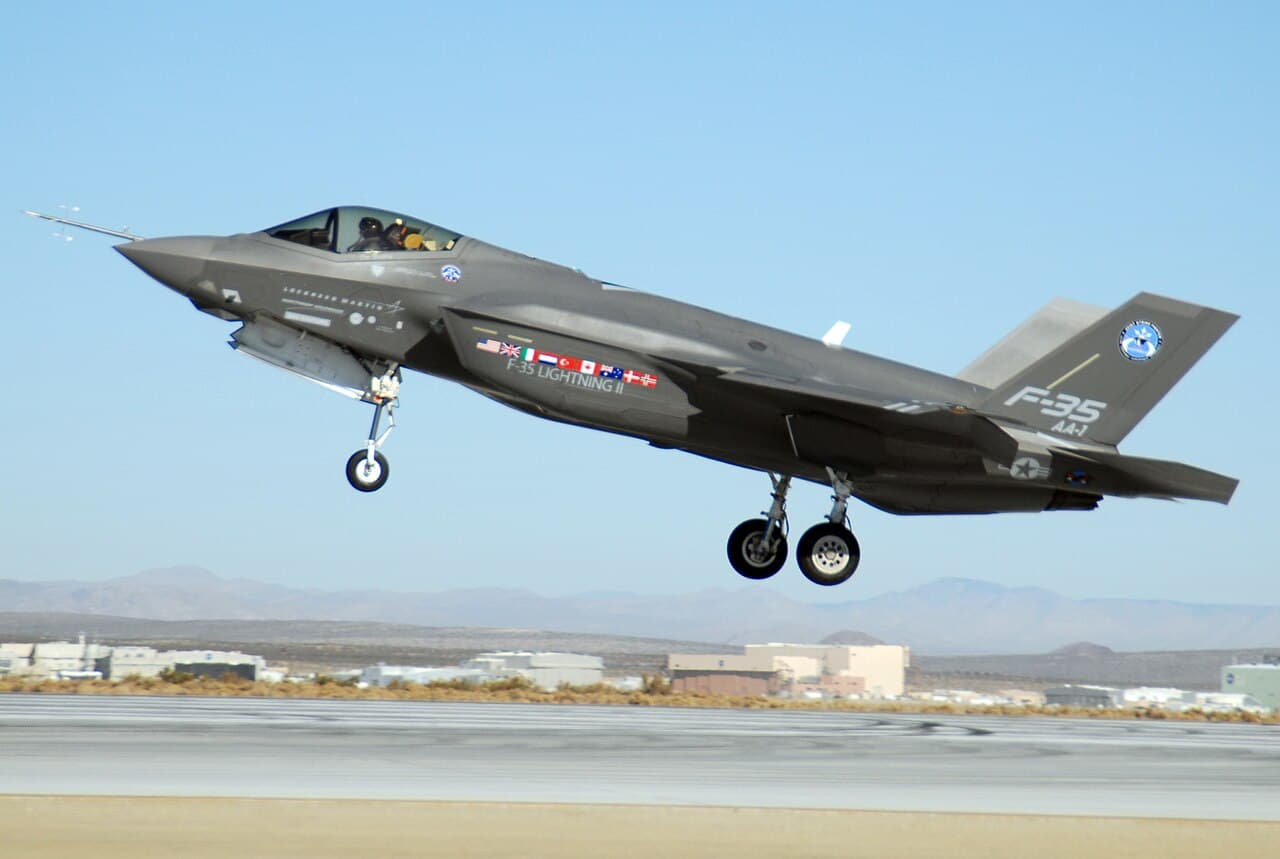
World's Stealth Fighter Landscape in 2026 Divided Between F-35 Allies and Sino-Russian Blocks
According to TheWorldData's 2026 F-35 statistics roundup , the global Lockheed Martin F-35 fleet has already passed 1,300 aircraft delivered across 17 or more nations, dwarfing every other stealth fighter program combined. Everyone else on Earth flying stealth fighter jets in 2026, such as China, Russia, and their allies, is flying something else entirely, built by a different country, sold under different rules, and answering to a different set of allies.
The Daily Touch & Go
The day's best aviation news in your inbox. Free, no spam.