

Image: Navigator-avia · CC BY-SA 3.0 · via Wikimedia Commons
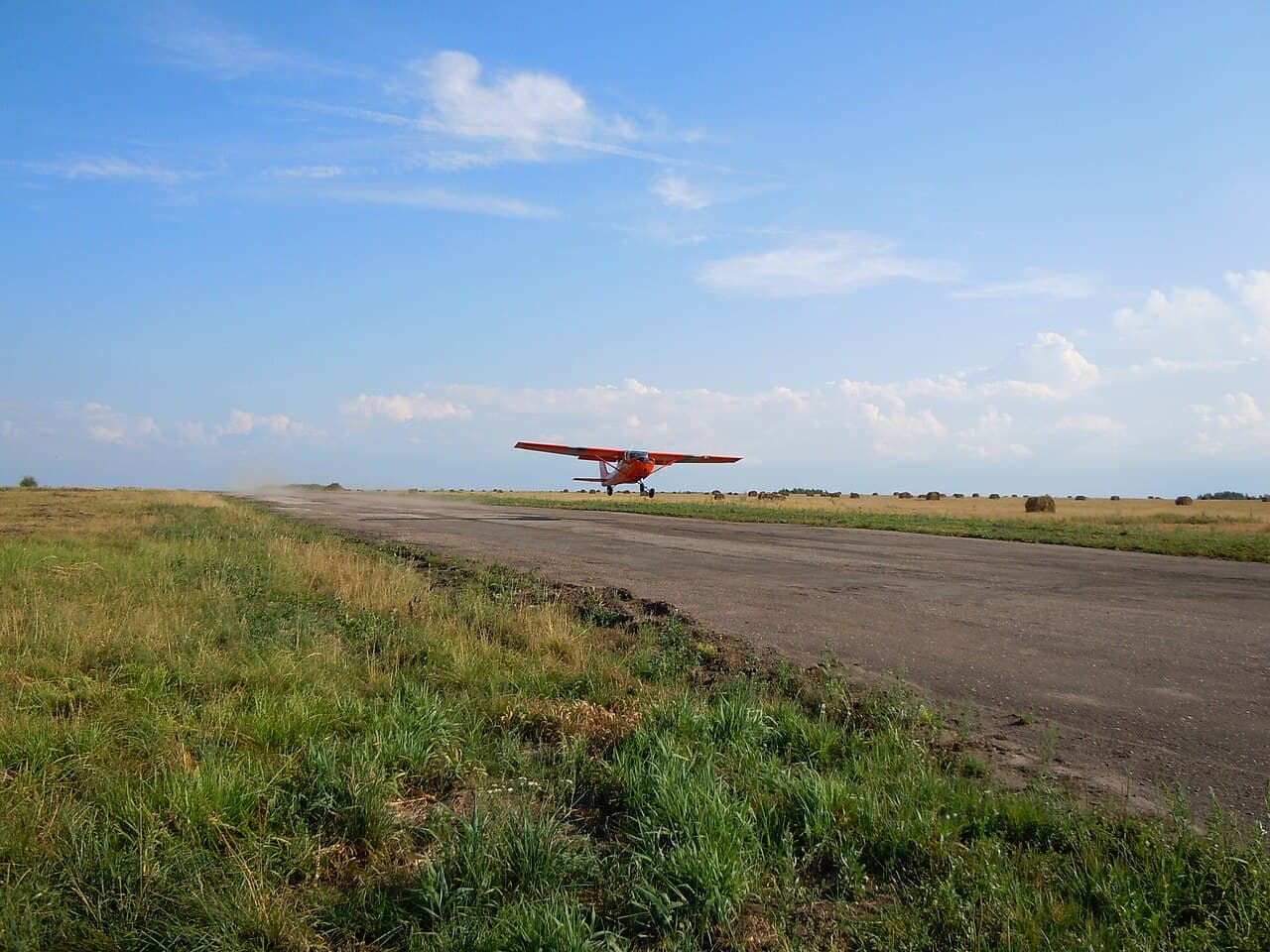
Cessna 150 Collides with Pennsylvania State Police Bell 407 Helicopter at Carlisle Airport
A midair collision at Pennsylvania's Carlisle Airport resulted in the death of a Cessna 150 pilot and injuries to two State Police troopers, officials confirm.
The gist
A fatal collision at Carlisle Airport involved a Cessna 150 and a police Bell 407 helicopter, injuring two troopers.
Continuing coverage
All Cessna 150 →A deadly midair collision occurred on Wednesday evening at Carlisle Airport, Pennsylvania, involving a Cessna 150 and a Pennsylvania State Police Bell 407 helicopter. The small single-engine Cessna struck the police helicopter from behind while the helicopter was hovering near a grass area during routine training operations. The pilot of the Cessna was killed instantly at the scene, while two State Police troopers aboard the helicopter sustained minor injuries.
The accident took place just before 7:00 PM local time at Carlisle Airport, a public-use airfield primarily serving general aviation. The Bell 407 helicopter, registered as N873ST, was flipped onto its side by the impact. State Police Commissioner George Bivens said the troopers, Corporal Bryce Corman and Trooper Jason Mills, were trapped briefly but escaped through a window before being transported to a hospital.
Carlisle Airport operates without an air traffic control tower, relying solely on see-and-avoid principles and pilots communicating via a common radio frequency to coordinate movements. The single runway 10/28 extends over 4,000 feet, accommodating mostly single-engine aircraft alongside some helicopters and multi-engine planes, according to Federal Aviation Administration data.
The Pennsylvania State Police Aviation Section, established in 1968, maintains a fleet including six helicopters and three fixed-wing planes. The Bell 407GX fleet originally had six units delivered between 2013 and 2014 but now numbers five. These helicopters fulfill varied missions such as search and rescue, pursuits, and aerial surveillance, crewed by over 30 trooper pilots.
Commissioner Bivens indicated that the Cessna veered sharply to the right along the runway shortly before impact, and the helicopter crew would not have seen the Cessna approaching from behind. The cause of this sudden maneuver by the Cessna remains under investigation.
The National Transportation Safety Board and FAA investigators promptly arrived at Carlisle to collect evidence, including video footage and photographs, to reconstruct the events leading to the collision. Their inquiry aims to identify contributing factors amid the challenges posed by non-towered airports.
This accident unfolds amid increased scrutiny of shared airspace used by helicopters and fixed-wing aircraft. It follows the January 2025 tragedy at Ronald Reagan Washington National Airport where a US Army Black Hawk helicopter collided with a CRJ700 airliner, resulting in 67 fatalities. In response to that event, the FAA implemented safety enhancements for helicopter operations near congested airspace.
Carlisle’s lack of radar and control tower facilities places full responsibility for collision avoidance on pilots’ situational awareness and communication. The current incident highlights ongoing risks inherent in mixed-use, uncontrolled fields where aircraft types operate in close proximity.
As investigators analyze wreckage and operational data, authorities have not yet identified the Cessna pilot by name. The State Police troopers’ minor injuries suggest the helicopter’s safety features and crew response mitigated more severe outcomes, yet the loss of life in this crash underscores the persistent dangers facing general aviation and law enforcement flight crews alike.
Frequently asked questions
- What caused the midair collision between the Cessna 150 and the police helicopter?
- The Cessna 150 struck the Pennsylvania State Police Bell 407 helicopter from behind while the helicopter was hovering a few feet above a grass area during routine training. Officials said the Cessna veered hard to the right just before impact, but the exact cause of the maneuver is under investigation.
- What injuries resulted from the collision at Carlisle Airport?
- The pilot of the Cessna 150 was killed instantly at the scene. The two State Police troopers aboard the Bell 407 helicopter were briefly trapped but escaped through a window and were transported to a local hospital with minor injuries.
- How does Carlisle Airport’s lack of a control tower affect flight safety?
- Carlisle Airport has no control tower and no radar service, so pilots use see-and-avoid rules and broadcast their positions on a shared frequency to coordinate traffic. This places full responsibility for collision avoidance on the pilots themselves, which can increase risks in mixed-use airspace.
Read more
All Aviation Safety →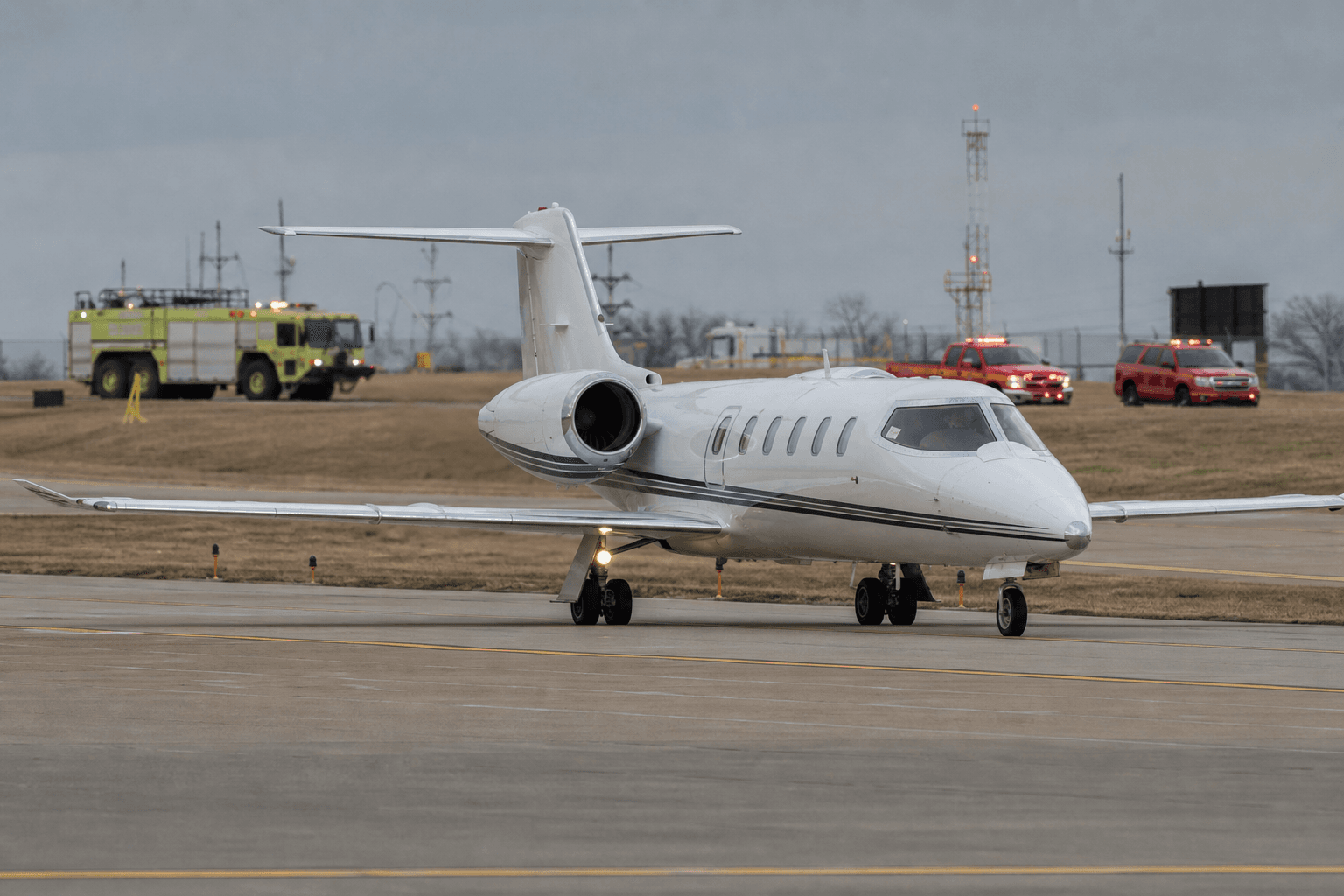
NTSB Publishes New Video and Reports on Deadly Philadelphia Learjet 55 Crash
The National Transportation Safety Board (NTSB) released a new batch of investigative material from its probe of the January 2025 Learjet 55 crash in Philadelphia, including surveillance videos capturing the aircraft before and during the accident. The material was added to the NTSB's public docket Tuesday, Aug. 18. The docket now contains 59 items, including operational, airworthiness and maintenance reports, along with videos, audio recordings and other investigative data. Among the newly released videos are doorbell-camera and drive-thru footage showing the final seconds of the flight. Additional surveillance footage shows the aircraft at Miami-Opa Locka Executive Airport and Northeast Philadelphia Airport, including video of the crew conducting its preflight and the airplane taxiing for departure. The Learjet 55, operated by Jet Rescue Air Ambulance, departed Northeast Philadelphia Airport shortly after 6 p.m. on Jan. 31, 2025, carrying a pediatric patient, her mother and four crewmembers on a flight to Tijuana, Mexico. The aircraft was airborne for about 22 seconds before crashing near Cottman Avenue and Roosevelt Mall. All six people aboard were killed, as were two people on the ground. At least 24 others were injured. The docket also includes an operational factors factual report, accident flight risk assessment, pilot training and flight-time records, aircraft weight-and-balance information, airworthiness and maintenance reports, and a checklist page recovered from the wreckage. Investigators also released reports covering the cockpit voice recorder , enhanced ground proximity warning system, aircraft performance and FAA ADS-B data. The NTSB has not yet determined what caused the crash. The newly released documents are factual investigative material and do not represent the agency's final findings or probable cause. The investigation remains ongoing, with the NTSB expected to address the cause and any contributing factors in its final report.
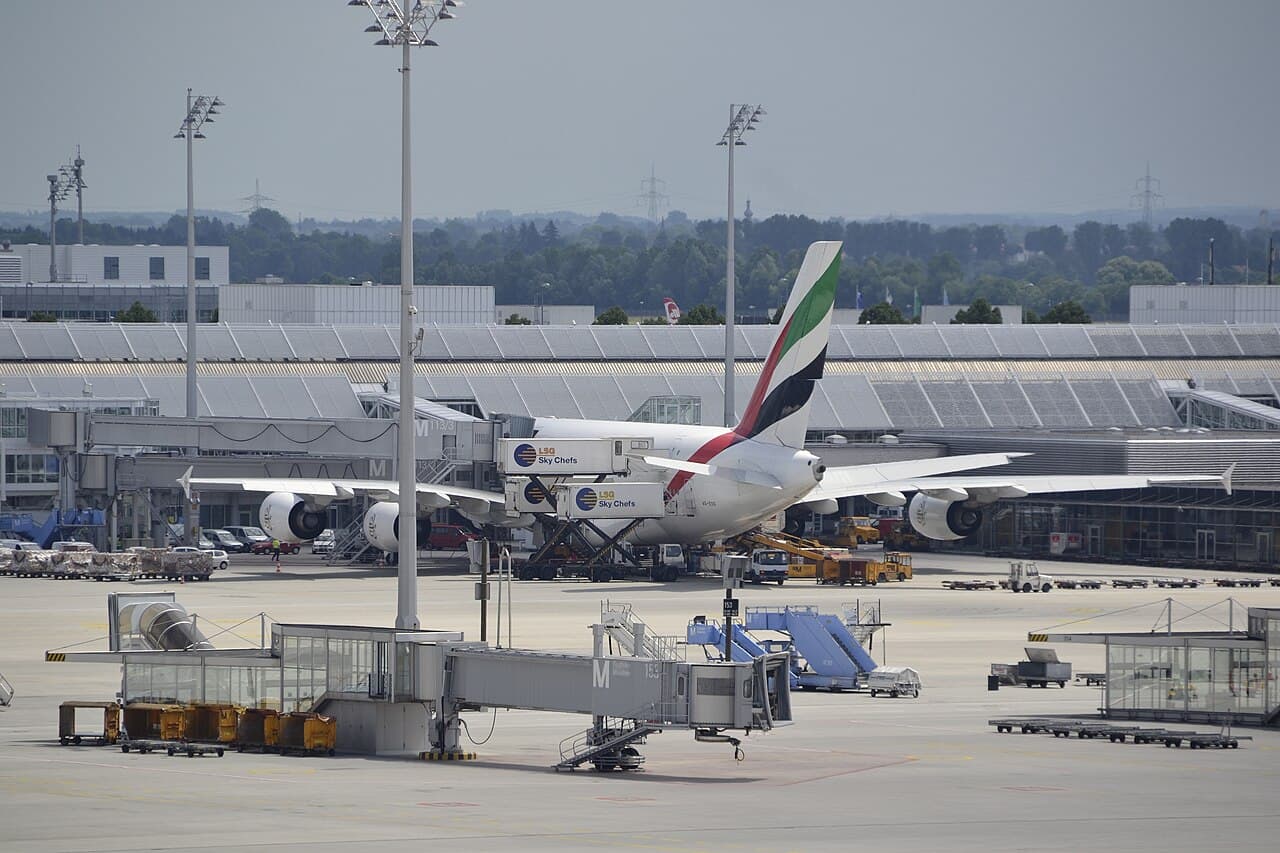
Tail-strike and delayed liftoff mark Vietnam Airlines 787 takeoff in Munich
German investigation authority confirms tail-strike as Hanoi-bound twinjet laboured to become airborne. German investigation authority BFU has confirmed that the Vietnam Airlines Boeing 787-9 involved in a prolonged take-off roll at Munich struck its tail during a late lift-off. The aircraft, operating to Hanoi, was departing from runway 26L at 13:57 on 15 August but returned and landed just over 2h later. "During the rotation phase, the tail of the aircraft touched the ground," says BFU, adding that the aircraft "lifted off late". It states that the flight recorders from the twinjet are being read out at the authority's Braunschweig facilities. "Reading and analysing the data will take some time," it says. BFU also confirms that type marks "that could be attributed to the aircraft" were identified at the far end of the runway. No preliminary conclusions have been drawn by the inquiry, and no details have been released on performance calculations or system functionality. But the presence of the tyre marks – perhaps indicating activation of braking systems – is likely to be a focus of the probe, given that the crew appeared to have committed to becoming airborne. The aircraft carried out a full-length take-off from 26L, which is 4,000m in length, but preliminary information from Vietnamese publications appear to confirm indications that the aircraft struggled to accelerate. Vietnamese outlet VnExpress , citing an initial report from the country's civil aviation authority, says the crew realised – about halfway along the runway – that the aircraft's speed did not increase for a few seconds, before acceleration resumed. Upon reaching the V1 decision speed, it reports, the crew noticed a deceleration but believed there was insufficient runway distance to abort take-off. Normally V1 is defined as a speed which allows take-off to be aborted safely, and this might suggest an unexpected shortfall in the aircraft's acceleration performance and delays in achieving V1. The VnExpress report says the crew increased thrust to maximum and started rotating with about 300ft of runway remaining, generating a tail-strike warning. The crew also received alerts on tyre pressure. After burning fuel to reduce the landing weight, the 787 touched down on Munich's runway 26R. Several main landing-gear tyres were badly damaged. Meteorological data from Munich airport at the time indicates light variable winds and good visibility. Vietnamese and US representatives are participating in the inquiry. "Investigation into the accident is not yet complete," says BFU. "Further facts regarding human and technical factors, as well as organisational influences, still need to be established."
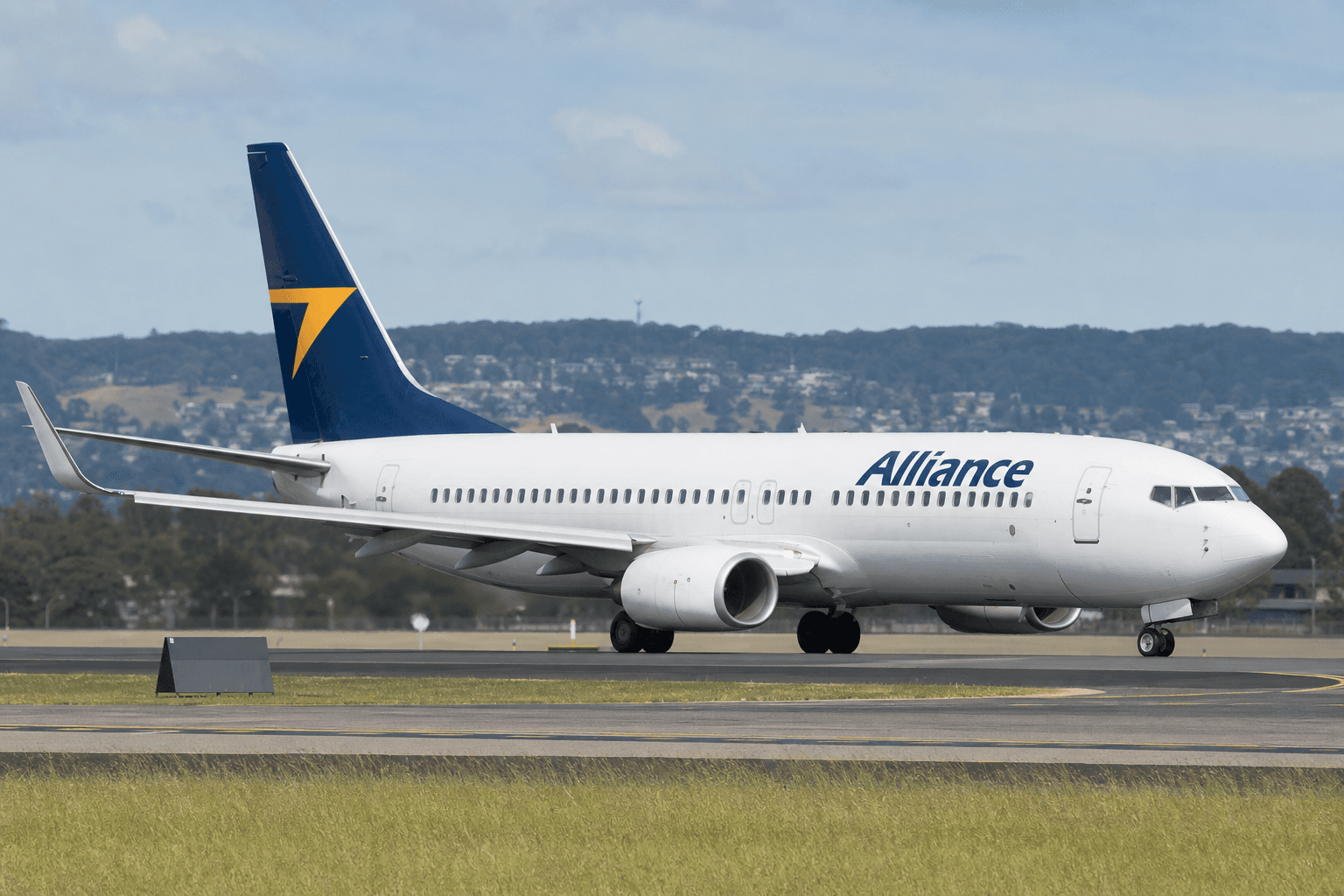
Steven Greenway appointed CEO of Alliance Airlines as Stewart Tully steps down
Alliance Airlines announced that aviation industry veteran Steven Greenway will take over as Chief Executive Officer starting October 1, 2026. He succeeds Managing Director and CEO Stewart Tully, who will step down after more than 11 years with the company. Alliance Airlines, under Alliance Aviation Services Limited, is an Australian provider of ACMI, contract, and charter airline services, operating a fleet of more than 70 aircraft. Tully will remain with the business until October 29, 2026, to help ensure a smooth leadership transition. Alliance said the change comes as the company moves into its next phase of strategic execution, following a revised wet lease agreement with Qantas and organizational changes announced to the market on August 5, 2026. Tully's 11-year tenure marked by growth, diversification Under Tully's leadership, Alliance expanded and diversified its operations, strengthened long-term customer relationships, and invested in fleet and engineering capability, helping reinforce the company's position as Australia's leading provider of specialized aviation services. Alliance Chair James Jackson credited Tully with an outstanding contribution to the company over many years, noting that he led the business through a challenging period and strengthened its overall strategy and operations. Jackson thanked Tully for his leadership and for agreeing to stay on through the transition period. Tully, in turn, said it had been a privilege to work alongside Alliance's talented people, experienced leadership team, and long-term customers and partners, adding that he is proud of what the company has achieved and confident in its future. Greenway brings 25 years of leadership across four continents Steven Greenway brings more than 25 years of international aviation leadership experience, having held chief executive and senior executive roles at major airline and aviation businesses across Australia, Asia, the Middle East, and North America. Most recently, he served as CEO of flyadeal, the Saudi low-cost carrier and subsidiary of the Saudia Group. Greenway's tenure at flyadeal, which began in 2024, saw the airline grow its passenger numbers by nearly a third, surpassing 10 million passengers annually for the first time. During that period, flyadeal also expanded its aircraft and route network and placed an order for 10 Airbus A330-900neo aircraft to enter the long-haul market, aligning with Saudi Arabia's broader push to grow its aviation sector under its Vision 2030 strategy. Greenway announced his departure from flyadeal on April 2, 2026, citing personal reasons and describing the role as an intensely demanding one, though he agreed to stay on in an advisory capacity through the end of 2026. Earlier in his career, Greenway held roles including Executive Vice President at WestJet and President of its subsidiary Swoop, CEO of reward-U, Chief Commercial Officer at Scoot, and partner at Mango Aviation Partners. Jackson welcomed Greenway to the role, saying the board is confident he is the right person to lead Alliance through its next phase as a FIFO-focused specialist aviation provider, building on the company's operational, commercial, and cultural foundations. Greenway said he was excited to lead Alliance and looks forward to working with the board and leadership team to strengthen the business while continuing to deliver strong service, safety, and reliability for customers. "Australia gave me everything growing up — the education, the opportunities, the foundation that took me around the world and back. The country has never left me, now it's my turn to give something back," Greenway reflected in his LinkedIn post. RELATED Steven Greenway steps down as flyadeal CEO after two years
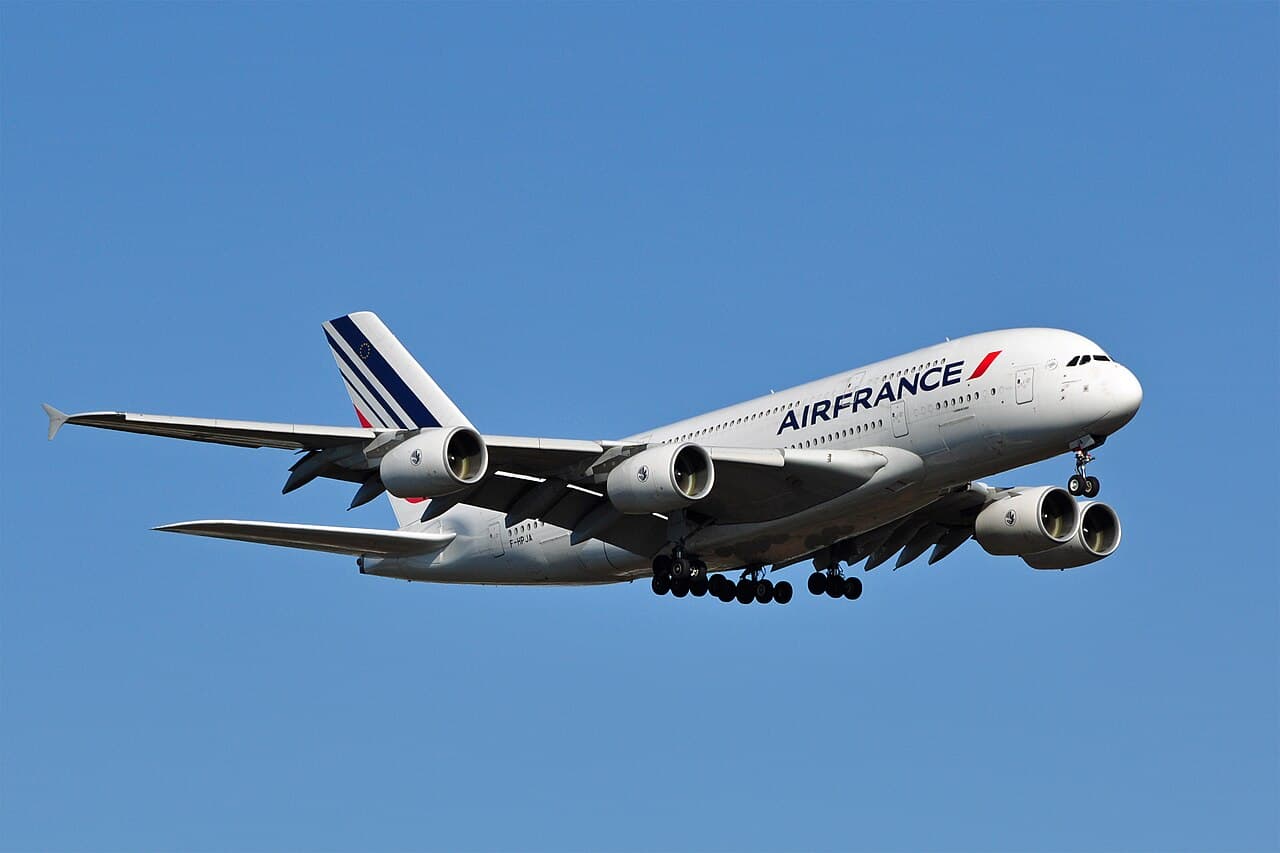
Qantas A380 Flies Nearly 1,000 Passengers with Floodlight Left Inside Wing
What to Know Engineers accidentally left a floodlight inside the wing of a Qantas A380 during maintenance in Sydney, and it wasn’t discovered until after the aircraft had flown nearly 1,000 passengers to Dallas Fort Worth and back. In This Article How the worklight slipped past both the foreign object debris inspection and the end-of-shift unreturned tool check. What ATSB Chief Commissioner Angus Mitchell said about safety processes that rely solely on consistent human performance. The eerily similar 2024 incident where a tool sat behind the fan blades of the same superjumbo’s engine for nearly a month, across 34 flights. What Qantas says it’s now reviewing to stop this from happening again. Show 4 more points + .pyok-callout { display: flex; border-radius: 0; background: #f7f9fc; margin: 24px 0; font-family: -apple-system, BlinkMacSystemFont, "Helvetica Neue", Arial, sans-serif; } .pyok-callout-inner { padding: 20px 24px; width: 100%; } .pyok-callout-head { margin-bottom: 12px; } .pyok-callout-tag { font-size: 20px; font-weight: 900; letter-spacing: 0.04em; text-transform: uppercase; color: #120E43; } .pyok-callout-list { margin: 0; padding: 0; list-style: none; } .pyok-callout-list li { position: relative; padding-left: 18px; margin-bottom: 12px; font-size: 17px; line-height: 1.55; color: #1a1a1a; } .pyok-callout-list li::before { content: ""; position: absolute; left: 0; top: 9px; width: 6px; height: 6px; border-radius: 50%; background: #120E43; } .pyok-callout-list-more li:last-child { margin-bottom: 0; } .pyok-callout-subhead { text-align: center; font-size: 11px; font-weight: 700; letter-spacing: 0.1em; text-transform: uppercase; color: #8a93a3; margin: 22px 0 14px; padding-top: 14px; border-top: 1px solid #e1e7ef; } .pyok-callout-more { max-height: 0; overflow: hidden; transition: max-height 0.35s ease; } .pyok-callout-toggle { display: inline-flex; align-items: center; gap: 6px; margin-top: 10px; padding: 0; border: none; background: none; color: #120E43; font-size: 14px; font-weight: 700; cursor: pointer; } .pyok-callout-toggle:hover { text-decoration: underline; } .pyok-callout-toggle-icon { display: inline-flex; align-items: center; justify-content: center; width: 16px; height: 16px; border: 1.5px solid #120E43; border-radius: 0; font-size: 12px; line-height: 1; } (function () { document.querySelectorAll('.pyok-callout-toggle').forEach(function (btn) { btn.addEventListener('click', function () { var card = btn.closest('.pyok-callout-inner'); var more = card.querySelector('[data-more]'); var isOpen = btn.getAttribute('aria-expanded') === 'true'; var textEl = btn.querySelector('.pyok-callout-toggle-text'); var iconEl = btn.querySelector('.pyok-callout-toggle-icon'); if (isOpen) { more.style.maxHeight = '0px'; btn.setAttribute('aria-expanded', 'false'); textEl.textContent = btn.dataset.moreText; iconEl.textContent = '+'; } else { more.style.maxHeight = more.scrollHeight + 'px'; btn.setAttribute('aria-expanded', 'true'); textEl.textContent = btn.dataset.lessText; iconEl.textContent = '\u2212'; } }); }); })(); Bungling engineers accidentally left a floodlight inside the wing of a Qantas Airbus A380 superjumbo while it was undergoing maintenance work at Sydney International Airport (SYD) in January, a new report by the Australian Transportation Bureau (ATSB) has revealed. After engineers had finished working on the plane, a seperate check for so-called ‘foreign object debris’ inside the wing failed to spot the worklight, and staff didn’t realize that the light was missing when they returned all the tools they had used for the job to the workshop. Credit: ATSB The aircraft was then released back to passenger service, flying for up to 15 hours from Sydney to Dallas Fort Worth (DFW) and back, before engineers realized their mistake and retrieved the worklight from within the plane’s mammoth wings. If the flights had been operating at full capacity, the aircraft would have carried 970 passengers. In its investigation report, the ATSB says the 15-year-old A380 superjumbo was sent to the maintenance hangar on January 6, 2026, after completing a flight from Los Angeles so that work could be carried out on the plane’s air conditioning system. To carry out this work, engineers had to physically climb inside the 40 meter long left wing. The work was completed the following day, and the plane was certified to return to passenger service. Despite control procedures to catch exactly this kind of hazard, however, a worklight was left inside the plane. Aircraft Details Registration VH-OQK Aircraft Type Airbus A380 Engines 4 x Rolls-Royce Trent 972 Operator Qantas Route Sydney (SYD) to Dallas Fort Worth (DFW) Incident Date January 6, 2026 .pyok-callout { display: flex; border-radius: 0; background: #f7f9fc; margin: 24px 0; font-family: -apple-system, BlinkMacSystemFont, "Helvetica Neue", Arial, sans-serif; } .pyok-callout-inner { padding: 20px 24px; width: 100%; } .pyok-callout-head { margin-bottom: 12px; } .pyok-callout-tag { font-size: 20px; font-weight: 900; letter-spacing: 0.04em; text-transform: uppercase; color: #120E43; } .pyok-aircraft-list { margin: 0; padding: 0; } .pyok-aircraft-row { display: flex; justify-content: space-between; align-items: baseline; gap: 16px; padding: 10px 0; border-top: 1px solid #e1e7ef; } .pyok-aircraft-row:first-child { border-top: none; padding-top: 0; } .pyok-aircraft-row dt { font-size: 13px; font-weight: 700; text-transform: uppercase; letter-spacing: 0.04em; color: #8a93a3; margin: 0; flex-shrink: 0; } .pyok-aircraft-row dd { font-size: 16px; font-weight: 700; color: #1a1a1a; margin: 0; text-align: right; } @media (max-width: 420px) { .pyok-aircraft-row { flex-direction: column; align-items: flex-start; gap: 4px; } .pyok-aircraft-row dd { text-align: left; } } One of the control procedures is a struct check-in system for all the tools used for a maintenance procedure. No one, however, noticed that the worklight was missing so the plane was permitted to fly 13,804 km to Dallas and back before the mistake was rectified. "Maintainers did not find the light during their foreign object clearance inspections at the end of the maintenance," commented ATSB Chief Commissioner Angus Mitchell. “And the work light's absence was not noticed when the maintainer returned the tools, or during the unreturned tool check at the end of the shift.” Mitchell says that at the time of the incident, Qantas’ check-in system from returned maintenance tool did not provide an alert notifying engineers whether a tool used on a job had not been returned. “Even well-established processes can be vulnerable when they rely solely on consistent human performance, particularly during maintenance tasks, which are often conducted in challenging environments and under operational pressures," Mitchell added. This isn’t the first time that a tool has been left inside a Qantas A380 followng routine maintenance. In 2024, the ATSB revealed that engineers left a tool behind the fan blades of the superjumbo’s Number 1 engine following engineering work at Los Angeles International Airport. The tool remained concealed behind the fan blades for nearly a month, during which time, the plane completed 34 flights, carrying thousands of passenger’s on long-haul flights. This incident was slightly different as engineers quickly realized that the tool was missing and completed a report but engineers never started a ‘Lost Tool’ procedure to trace where it could be. To make matters worse, the missing tool report was then removed so that a 'Certificate of Return to Service' could be issued for the aircraft as it carried on flying around the world. It was only by chance that the tool was located when the plane went back into the maintenance hangar for routine work. Qantas is reviewing the way tools are handled during maintenance and is looking into tech upgrades that should pre
The Daily Touch & Go
The day's best aviation news in your inbox. Free, no spam.